Buy Now
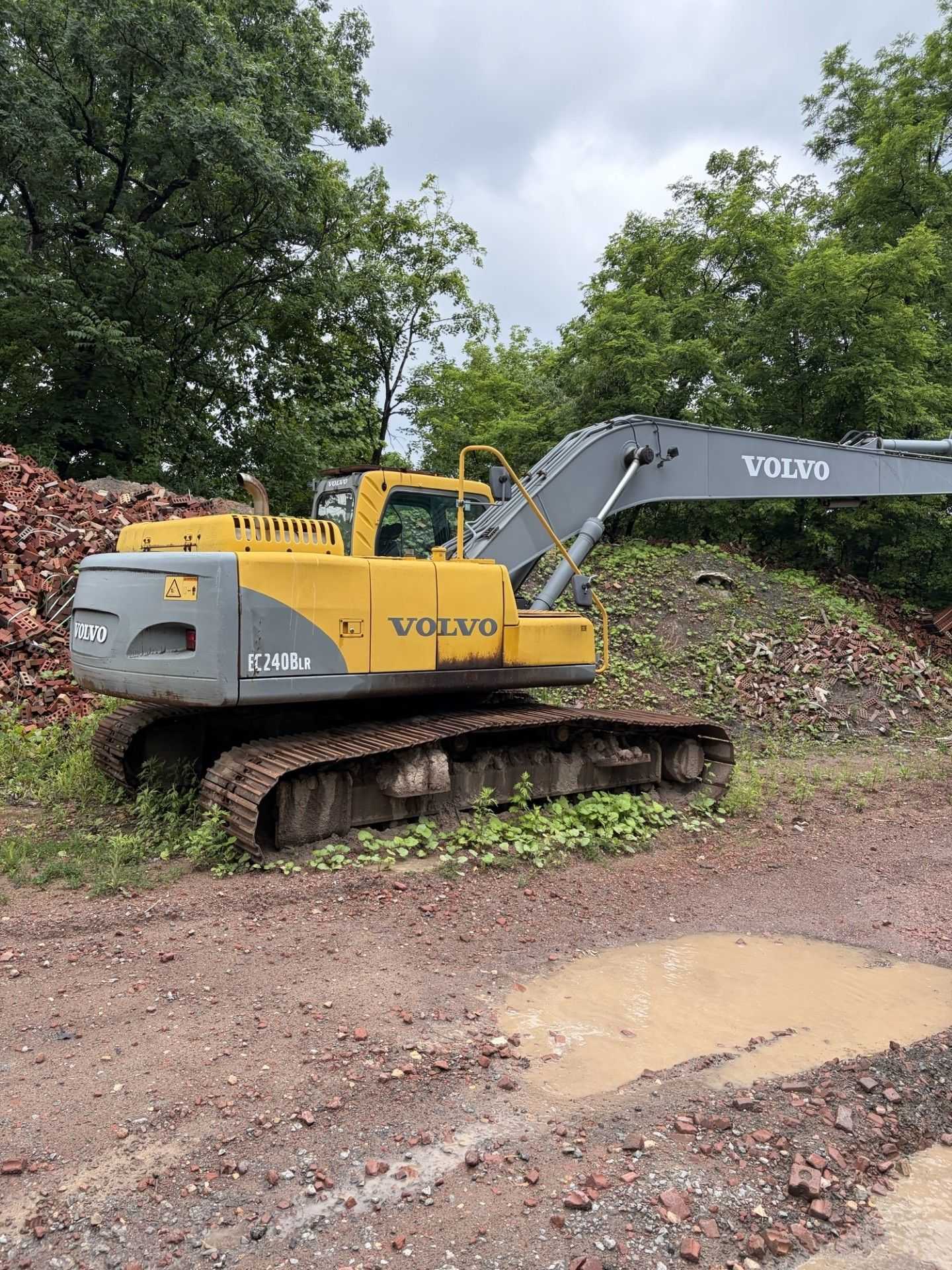
2004 Volvo EC240BLR Long Reach Crawler Excavator, 180HP, 60 ft Reach, Bucket Included
$62,894
$1,042/moPennsylvania
Specifications & Market Value
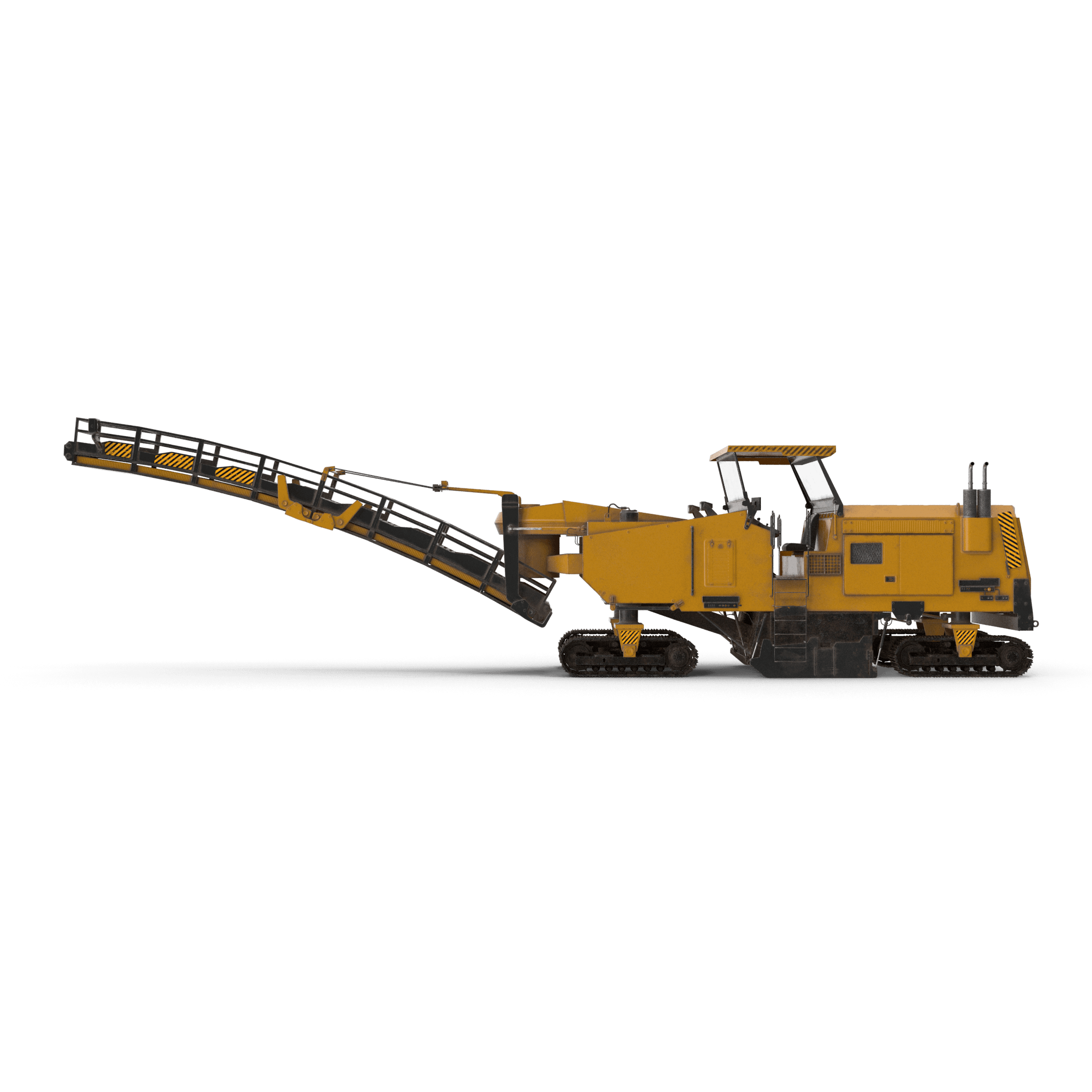
 Reference image
The Laversab Model 6300L is a high-accuracy, RVSM-compliant automated pitot-static tester designed for comprehensive air data system testing on fixed-wing aircraft, helicopters, and UAVs. It features a dual-channel design that connects directly to an aircraft’s pitot and static systems, enabling precise control and measurement of altitude, airspeed, Mach number, and vertical speed. The static port provides a pressure range of 0.1 to 42 inHg with 0.001 inHg resolution and ±0.002 inHg accuracy, supporting an altitude range from –4,000 ft to 60,000 ft with 1 ft resolution and ±2 ft accuracy at sea level (±6 ft at 35,000 ft). The climb function covers 0 to ±25,000 ft/min with 1 ft/min resolution, while the pitot output supports airspeed from 0 to 650 knots with high fidelity across the range. The system includes built-in high-capacity vacuum and pressure pumps with a filter and membrane dryer to deliver clean, dry air, and incorporates emergency manual bleed-down valves for safety. Operation is simplified via a compact, lightweight remote unit (7” x 8” x 2”, 1 lb) that allows cockpit-based control of all parameters, including altitude, airspeed, Mach, and VSI, with programmable limits and “Jog,” “Hold,” and “Ground” functions. The main unit (22” x 14” x 9”, 40 lbs) operates on 90–260 VAC, 47–440 Hz (150 VA), supports profile-based testing with up to 50 set-points per profile, and performs independent or simultaneous pitot and static leak checks with real-time leak rate display.
Specifications, market trends, and valuation estimates are compiled from manufacturer documentation, historical sales, and industry sources. While care is taken to ensure accuracy, this information is provided for reference purposes only and may contain errors or omissions. Users should independently verify all data before making buying or selling decisions. Valuations do not represent guaranteed transaction prices or binding offers, and Aucto assumes no liability for decisions made using this data.
Spot an error or missing detail? Help us keep our equipment guides accurate for the community.

 A+
A+ Auction Value
$13,775
 Range$5,000 – $18,500
 Sells in ~ 30 days
 Retail Value
—
Sells in ~ 180 days
Item functions as originally intended, shows signs of normal wear. Change the condition to see how it moves both values.
Marketplace

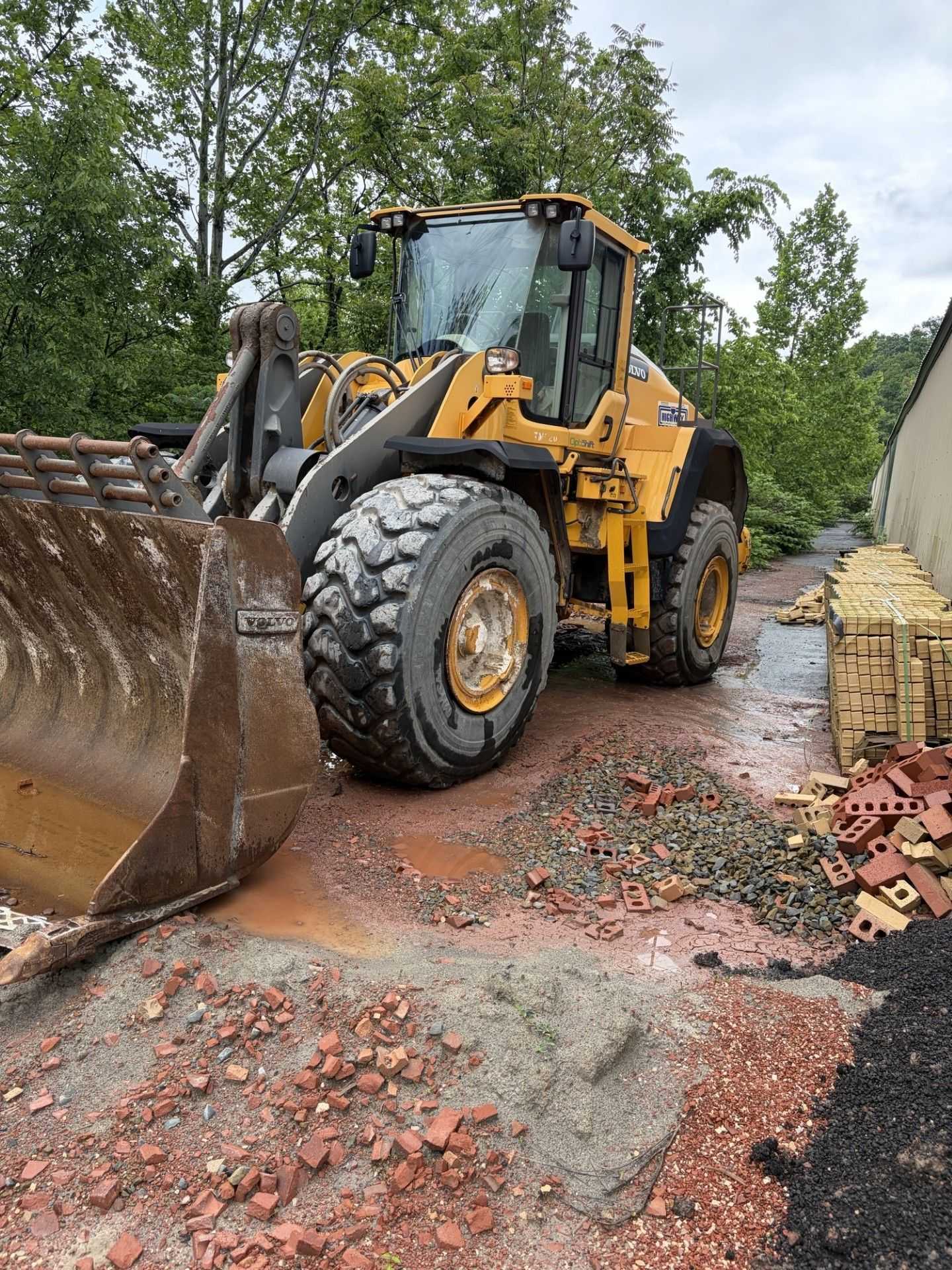
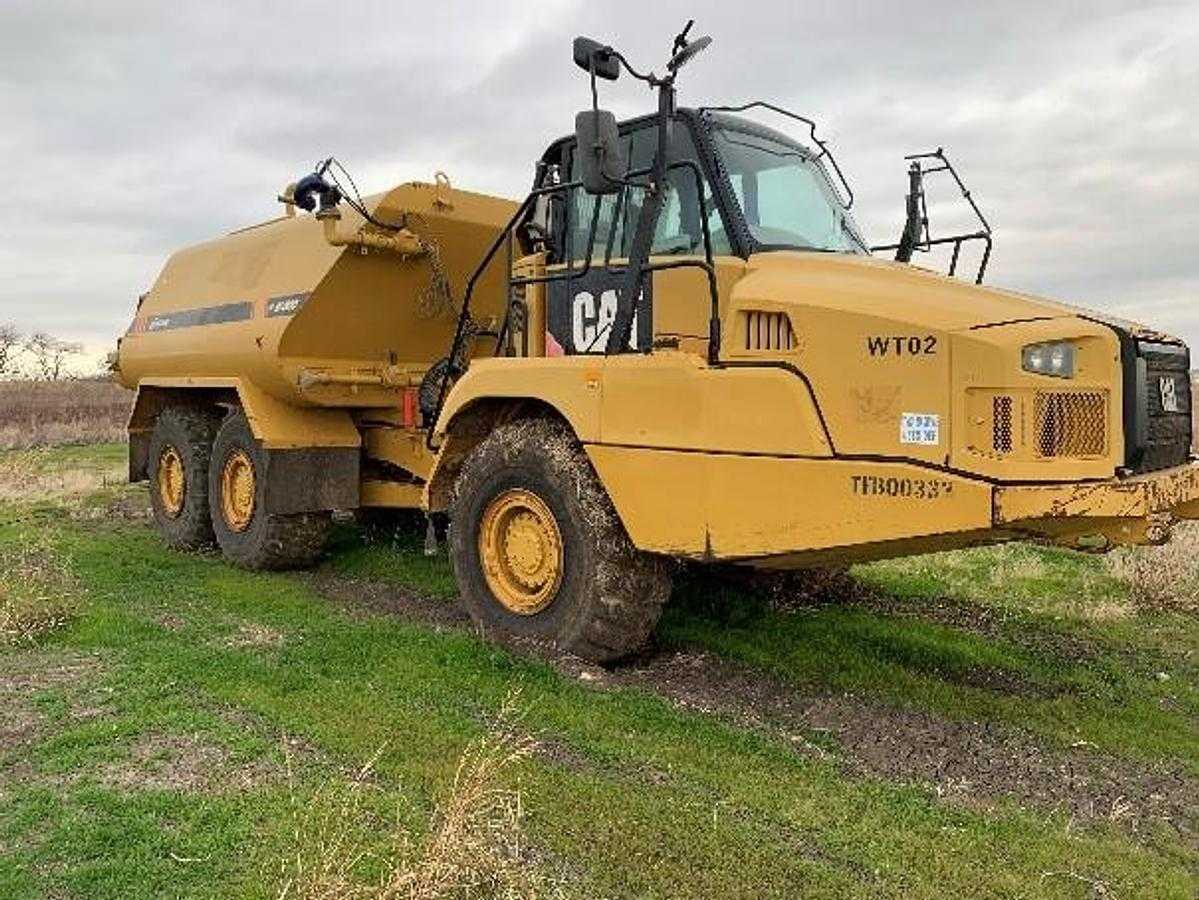
| Attribute | SelectedLAVERSAB 6300L STATIC SMOOTH DRUM ROLLER | DFW INSTRUMENTS DPST-9300A STATIC SMOOTH DRUM ROLLER | |
|---|---|---|---|
| OEM | LAVERSAB | DFW INSTRUMENTS | |
| Model | 6300L | DPST-9300A | |
| Year | - | - | |
| Similarity | — | 96% | |
| Auction Value$5,000 - $18,500Retail Value— | Auction Value$5,000 - $25,000Retail Value— | |
| Current Machine | View Details |