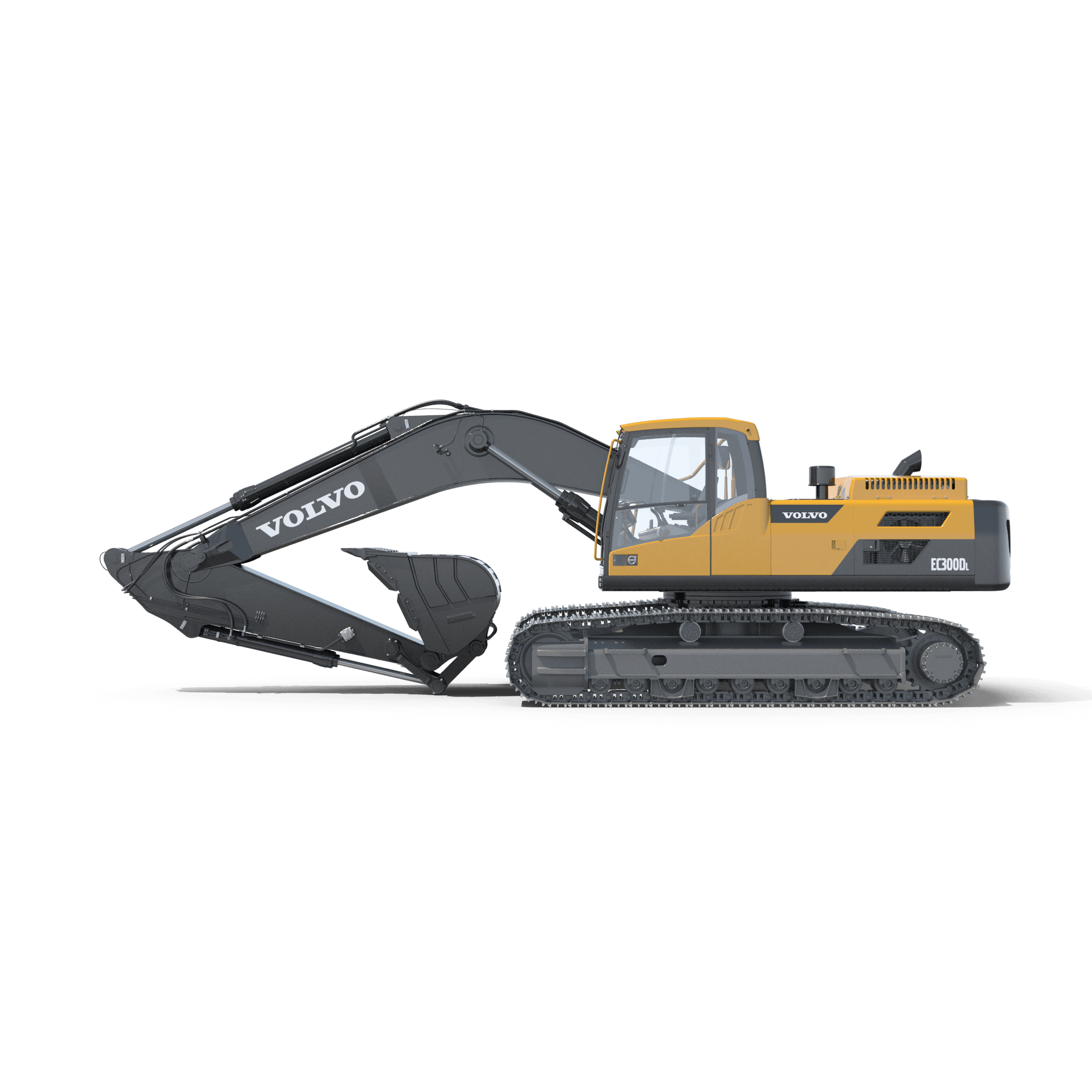
KOBELCO SK850LC CRAWLER EXCAVATOR
KOBELCO · SK850LC
Specifications & Market Value
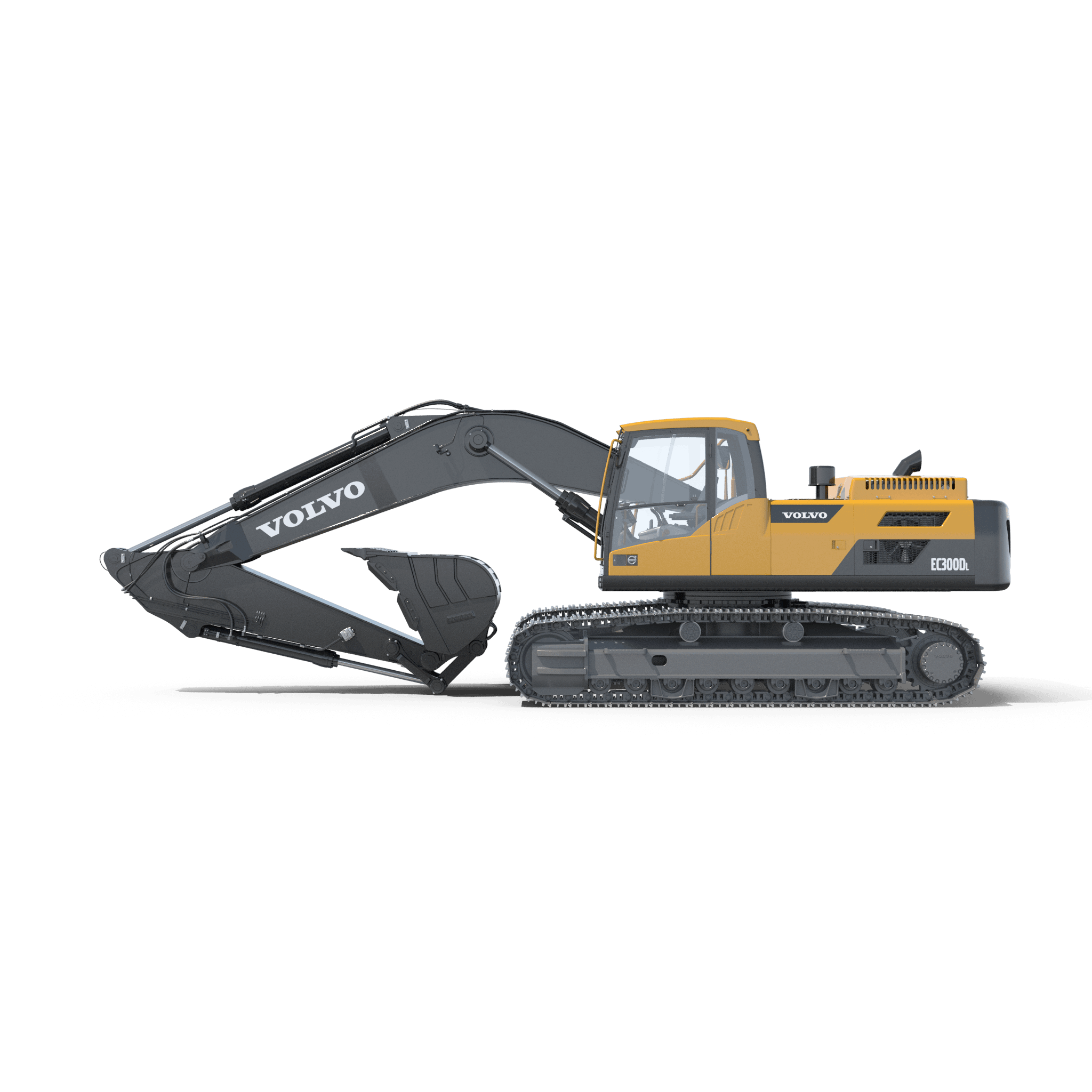
 Reference image
The Liugong 925D is a robust and versatile crawler excavator designed for demanding construction and excavation tasks. Featuring a powerful Cummins engine, the 925D delivers a net power output of 190 hp (142 kW), ensuring strong performance and reliable operation in a variety of working conditions. The machine is equipped with a boom/stick configuration that provides a maximum digging depth of 23.0 feet (7.0 meters) and a maximum reach along the ground of 34.0 feet (10.4 meters), making it suitable for deep trenching, foundation work, and other heavy-duty applications. The operating weight of the excavator is 58,400 lbs (26,490 kg), contributing to excellent stability and traction during operation. The Liugong 925D is built with a durable undercarriage and a robust hydraulic system, which together enhance its digging force and overall efficiency. The standard bucket capacity is typically around 1.2 m³, and the machine can be fitted with a range of bucket sizes to suit different job requirements. The excavator features a comfortable operator cab with ergonomic controls, providing a productive and safe working environment. With its combination of power, reach, and reliability, the Liugong 925D is a popular choice for contractors and construction professionals seeking a high-performance excavator for a wide range of applications.
Specifications, market trends, and valuation estimates are compiled from manufacturer documentation, historical sales, and industry sources. While care is taken to ensure accuracy, this information is provided for reference purposes only and may contain errors or omissions. Users should independently verify all data before making buying or selling decisions. Valuations do not represent guaranteed transaction prices or binding offers, and Aucto assumes no liability for decisions made using this data.
Spot an error or missing detail? Help us keep our equipment guides accurate for the community.

 A+
A+ Auction Value
$20,000
 Sells in ~ 30 days
 Retail Value
—
Sells in ~ 180 days
Item functions as originally intended, shows signs of normal wear. Change the condition to see how it moves both values.
Market Intelligence
KOBELCO · SK850LC
VOLVO · EC700B
CATERPILLAR · 385C
LIUGONG · 950E
HYUNDAI · ROBEX 55W-7
HITACHI · ZX870H-3
CATERPILLAR · 385C FS
TATA HITACHI · ZAXIS670LCH