
Buy Now
2014 Volvo L150H Wheel Loader, 295HP, Tier 4F, Optishift, Gp Bucket Included
$188,800
$3,128/moPennsylvania
Specifications & Market Value
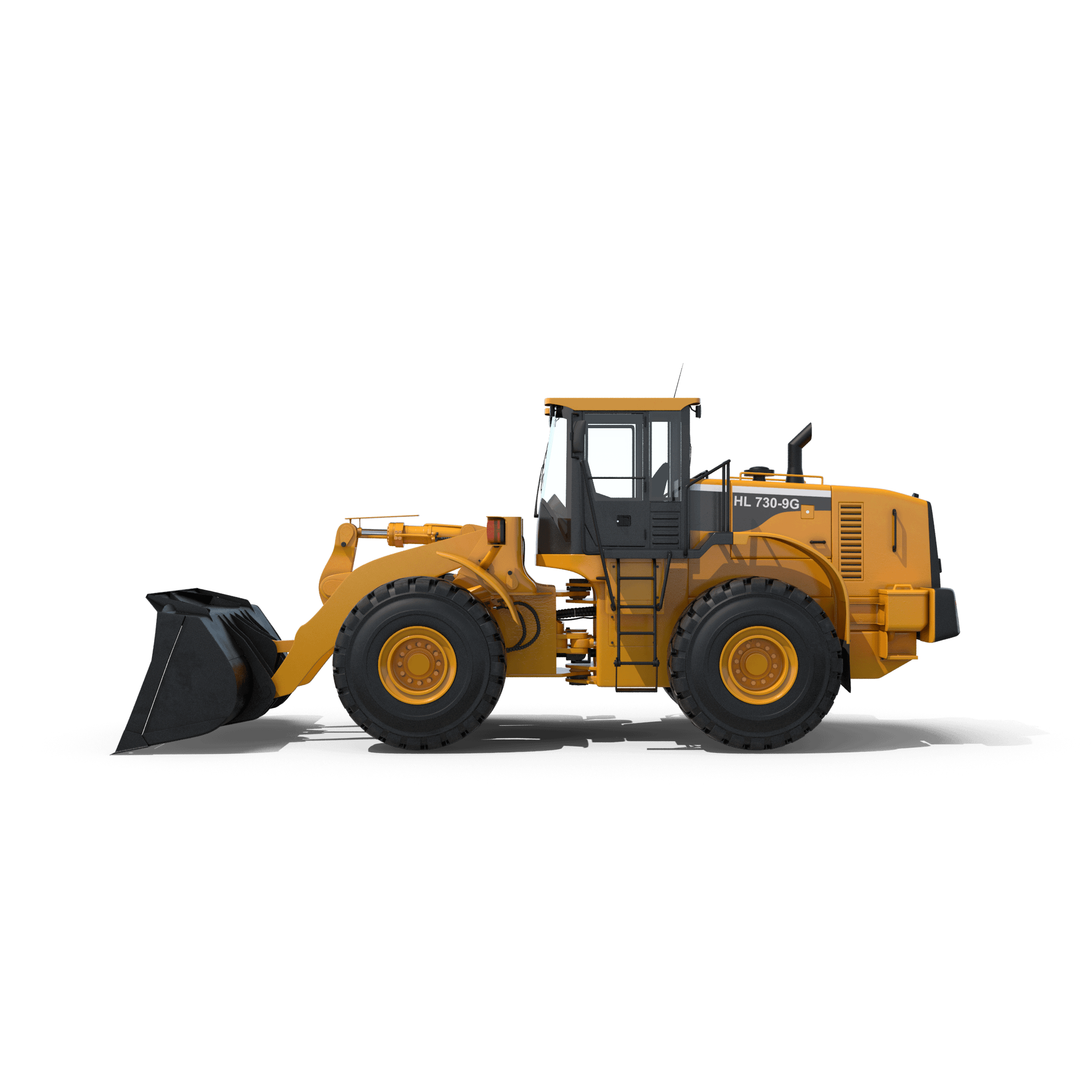
 Reference image
The New Holland W70TC is a compact wheel loader designed for efficient operation in confined job sites. It features a **61 hp naturally aspirated BF4M2011 engine** with four cylinders, delivering power at 2500 rpm. The loader has a hydrostatic transmission with two forward and two reverse gears, enabling a maximum forward speed of 12.5 mph (19 kph). The machine’s operating weight is approximately 11,122 lbs (5,045 kg), with a static tipping load of 7,716 lbs (3,500 kg). The bucket capacity is 1.2 cubic yards (1 m³) with a 6.8 ft (2 m) width and offers a dump clearance of 8.6 ft (2.6 m) at maximum raise. The hinge pin reaches a maximum height of 11.2 ft (3.4 m), enabling efficient loading and maneuverability. Dimensionally, the W70TC has a height of 9.2 ft (2.8 m) to the top of the cab, a wheelbase of 7.8 ft (2.4 m), and a width over tires of 6.3 ft (1.9 m). Ground clearance is 1.1 ft (0.3 m), and the turning radius is 15.1 ft (4.6 m), providing good agility in tight spaces. Its hydraulic system, driven by a gear pump, delivers 17.7 gal/min (64 l/min) at a relief valve setting of 3,916 psi, supporting smooth and responsive loader functions. The fuel tank holds 26.5 gallons (98 liters), and the electrical system runs on 12 V with a 55 A alternator. Tires are sized 365/80 R20, with the rear axle oscillating 24° for additional stability on uneven terrain. This loader balances compact design with versatile performance suited for light construction and landscaping applications.
Specifications, market trends, and valuation estimates are compiled from manufacturer documentation, historical sales, and industry sources. While care is taken to ensure accuracy, this information is provided for reference purposes only and may contain errors or omissions. Users should independently verify all data before making buying or selling decisions. Valuations do not represent guaranteed transaction prices or binding offers, and Aucto assumes no liability for decisions made using this data.
Spot an error or missing detail? Help us keep our equipment guides accurate for the community.

 A+
A+ Auction Value
$23,044
 Range$5,000 – $32,760
 Sells in ~ 30 days
 Retail Value
—
Sells in ~ 180 days
Item functions as originally intended, shows signs of normal wear. Change the condition to see how it moves both values.
Marketplace


| Attribute | SelectedNEW HOLLAND W70TC WHEEL LOADER | NEW HOLLAND W170TC WHEEL LOADER | |
|---|---|---|---|
| OEM | NEW HOLLAND | NEW HOLLAND | |
| Model | W70TC | W170TC | |
| Year | - | - | |
| Static Tipping Weight | 7,716.20 | 25,573.70 | |
| Engine Power | 61 HP | 197 HP | |
| Max Bucket Capacity | 1.20 yd³ | 3.70 yd³ | |
| Max Speed | 12.50 mph | 23.70 mph | |
| Tire Size | 365/80 R20 | 23.5-25 RT-3B | |
| Max Dump Height | 8.60 ft | 9.40 ft | |
| Similarity | — | 99% | |
| Auction Value$5,000 - $32,760Retail Value— | Auction Value$2,500 - $13,400Retail Value— | |
| Current Machine | View Details |