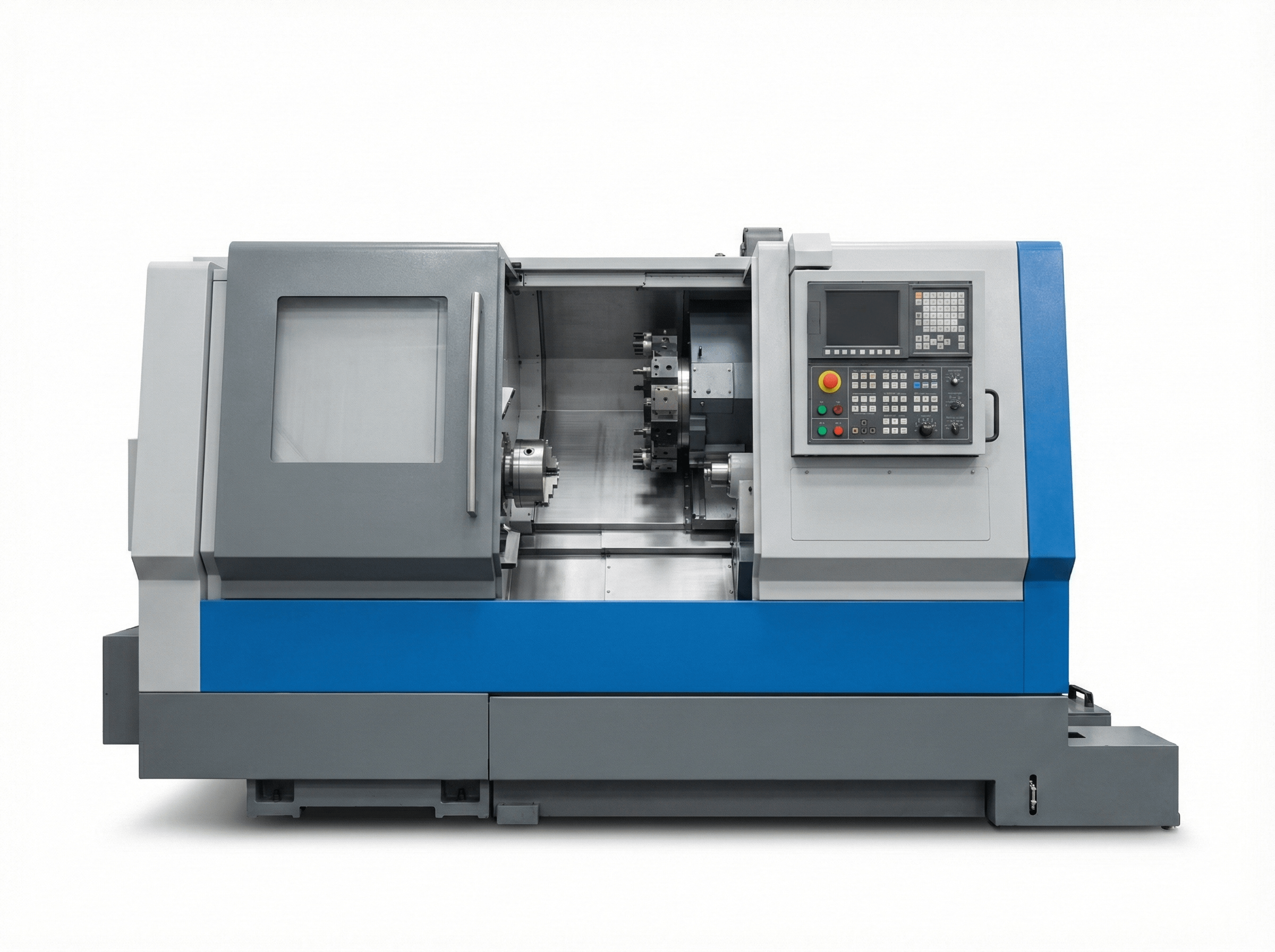
HANKOOK PROTURN 90/7000 CNC LATHE
HANKOOK · PROTURN 90/7000
Specifications & Market Value
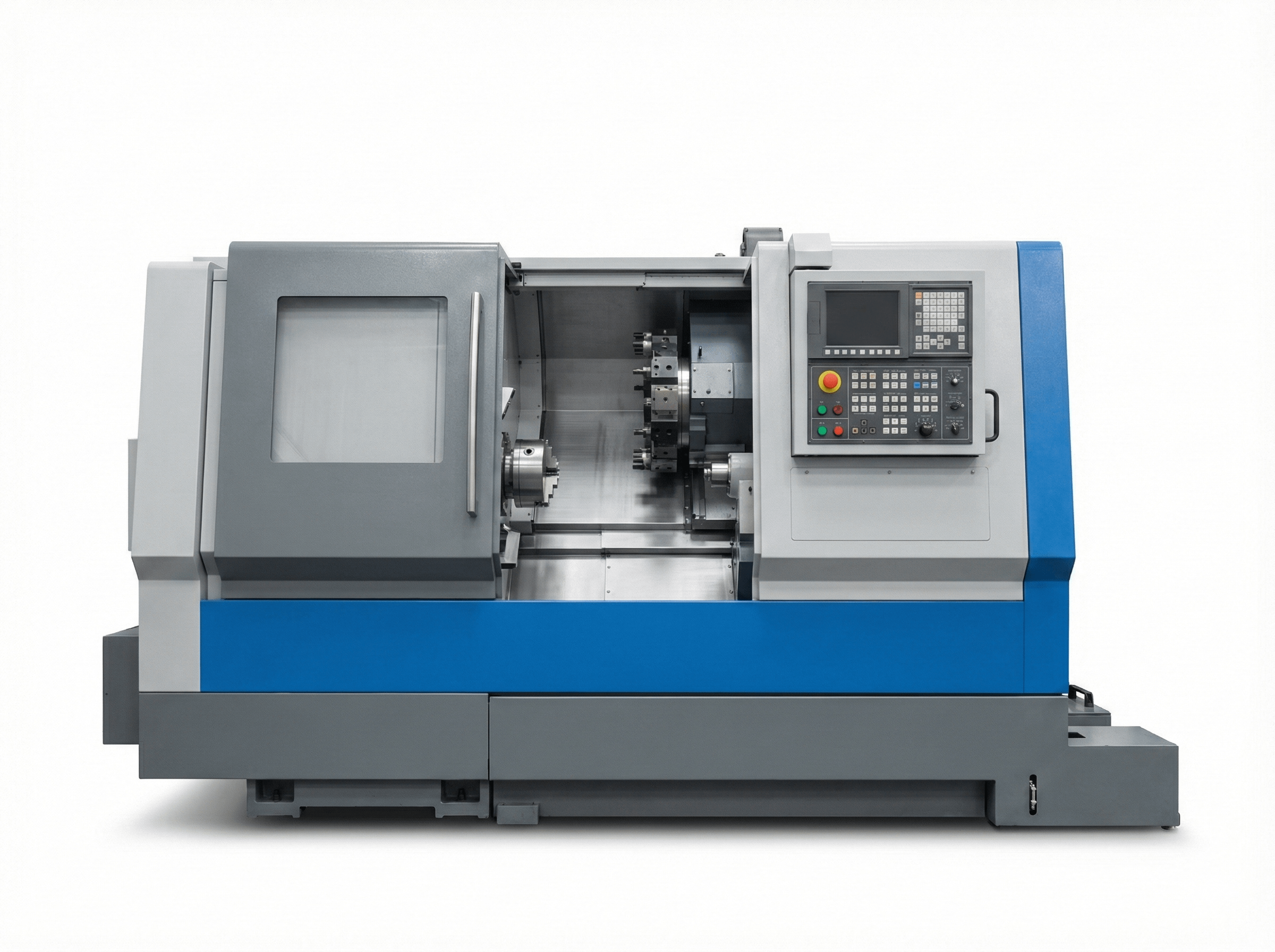
 Reference image
This CNC turning machine is powered by a 30 HP motor with a maximum spindle speed of 500 RPM, providing robust torque for heavy-duty machining tasks. It features a swing capacity of 39.37 inches and a machining length of 118.11 inches, allowing it to handle large workpieces with extended longitudinal reach. The machine is equipped with the Siemens SINUMERIK 802D sl-pro control system, a state-of-the-art CNC platform designed for turning and milling applications. This control supports up to four interpolating axes plus one spindle, enabling complex multi-axis machining operations. It includes powerful functionalities such as DIN/ISO programming, graphical support for tool measuring and calibration, advanced contour editing, and a comprehensive set of canned cycles for turning, drilling, threading, grooving, and tapping. The SINUMERIK 802D sl-pro features a large, easy-to-read color display with integrated PLC based on SIMATIC S7-200, providing flexible and user-friendly programming through ladder logic. Its digital drive technology via DRIVE-CLiQ ensures dynamic and precise axis and spindle control. The system supports Ethernet networking for data transfer and remote access, enhancing productivity and integration within modern manufacturing environments. Tool measurement is automatic and graphical, streamlining setup and reducing downtime. Additional highlights include extensive commands for interpolation, unlimited programmable work offsets, and system variables for advanced program control and optimization. This combination of powerful mechanical specifications and advanced CNC control makes the machine ideal for heavy, precise, and versatile turning and machining center operations.
Specifications, market trends, and valuation estimates are compiled from manufacturer documentation, historical sales, and industry sources. While care is taken to ensure accuracy, this information is provided for reference purposes only and may contain errors or omissions. Users should independently verify all data before making buying or selling decisions. Valuations do not represent guaranteed transaction prices or binding offers, and Aucto assumes no liability for decisions made using this data.
Spot an error or missing detail? Help us keep our equipment guides accurate for the community.

 A+
A+ Auction Value
$31,000
 Range$5,000 – $45,000
 Sells in ~ 30 days
 Retail Value
—
Sells in ~ 180 days
Item functions as originally intended, shows signs of normal wear. Change the condition to see how it moves both values.
Market Intelligence
HANKOOK · PROTURN 90/7000
GOODA · TH-1000NC
DN SOLUTIONS · LYNX 2600SY
FOLLOW · PKL210A
MAZAK · MULTIPLEX 6300Y
ACRA · FEL-E 28200
MAZAK · INTEGREX 100-IV S
AMERA SEIKI · S-36