Buy Now
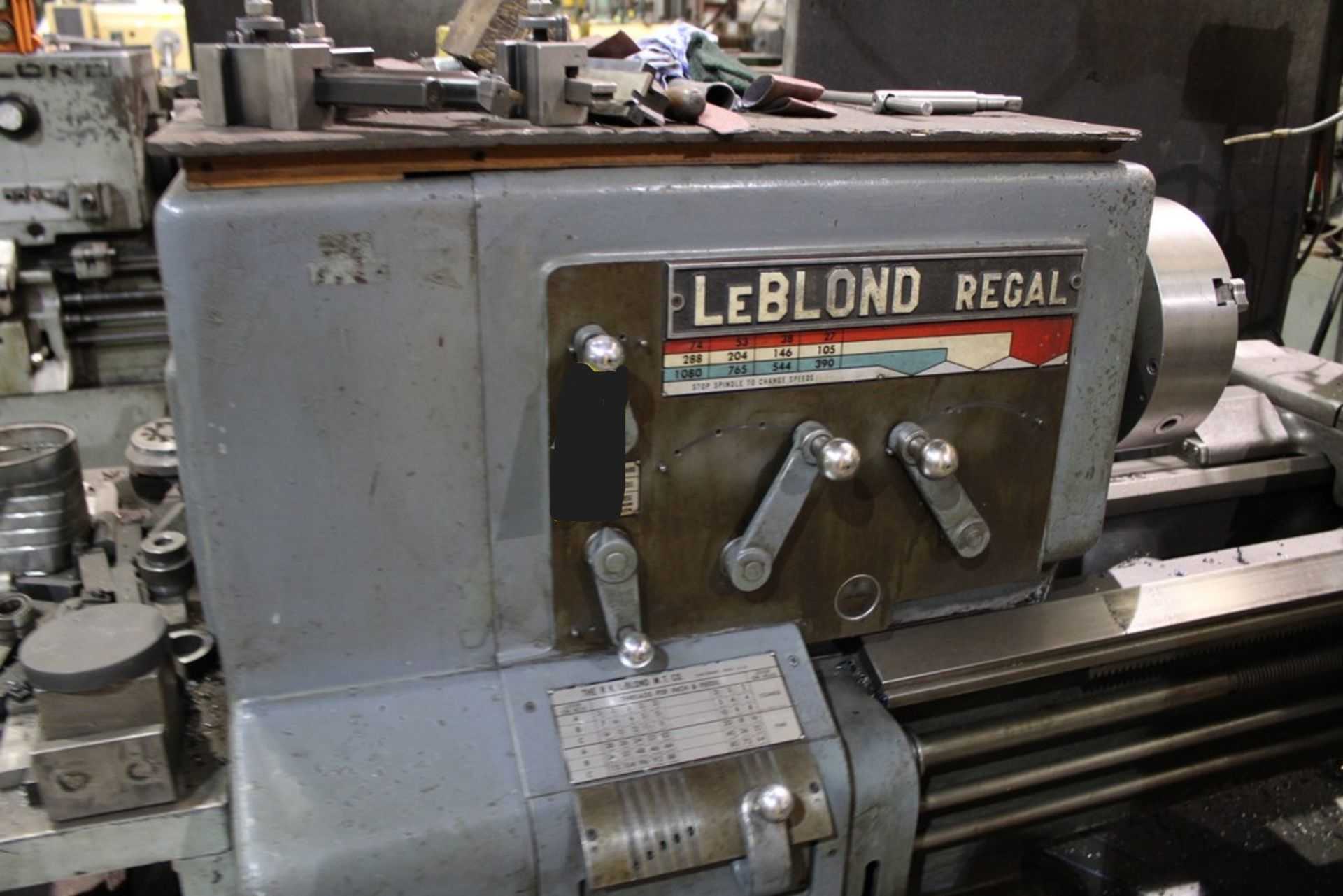
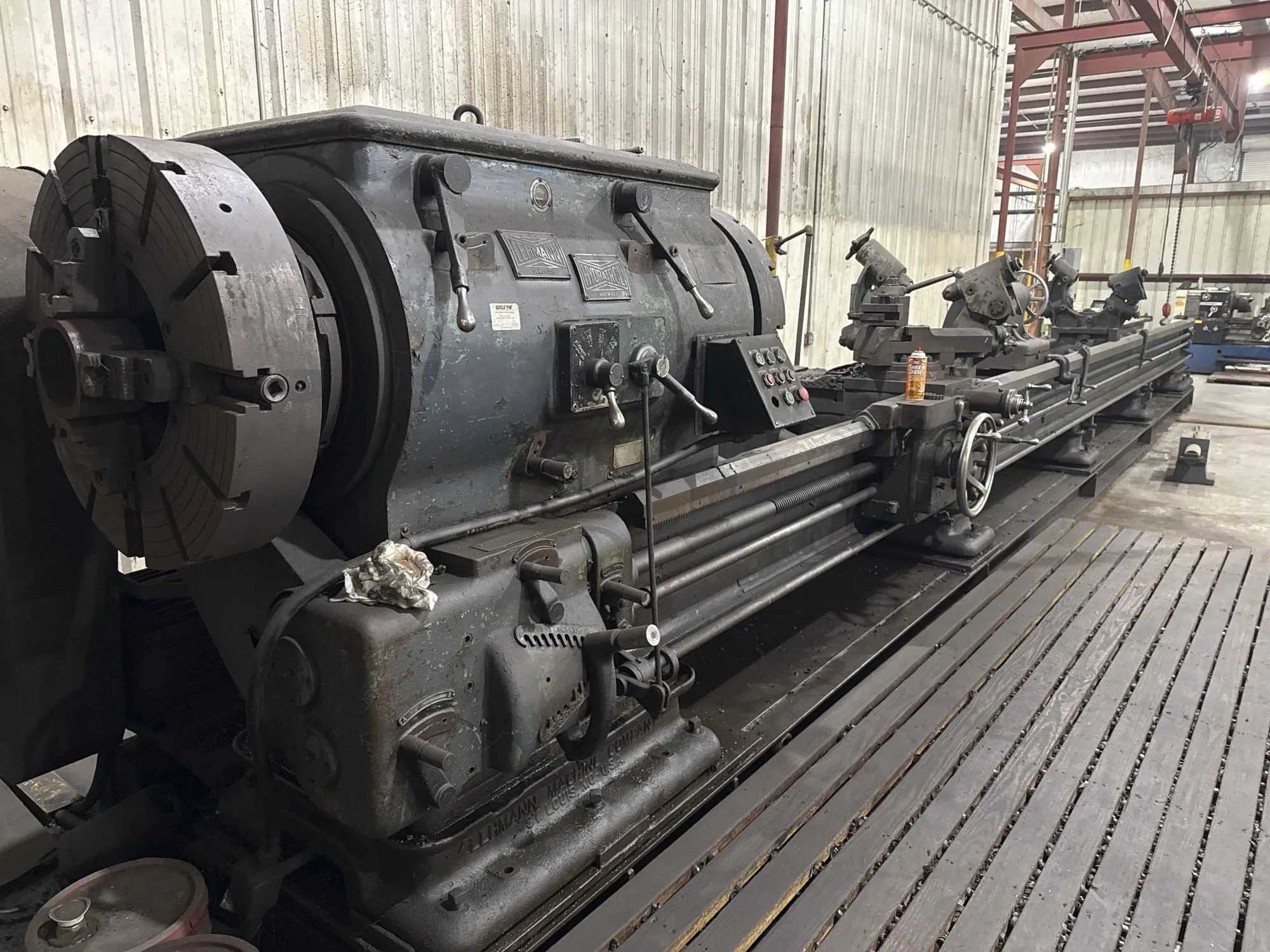
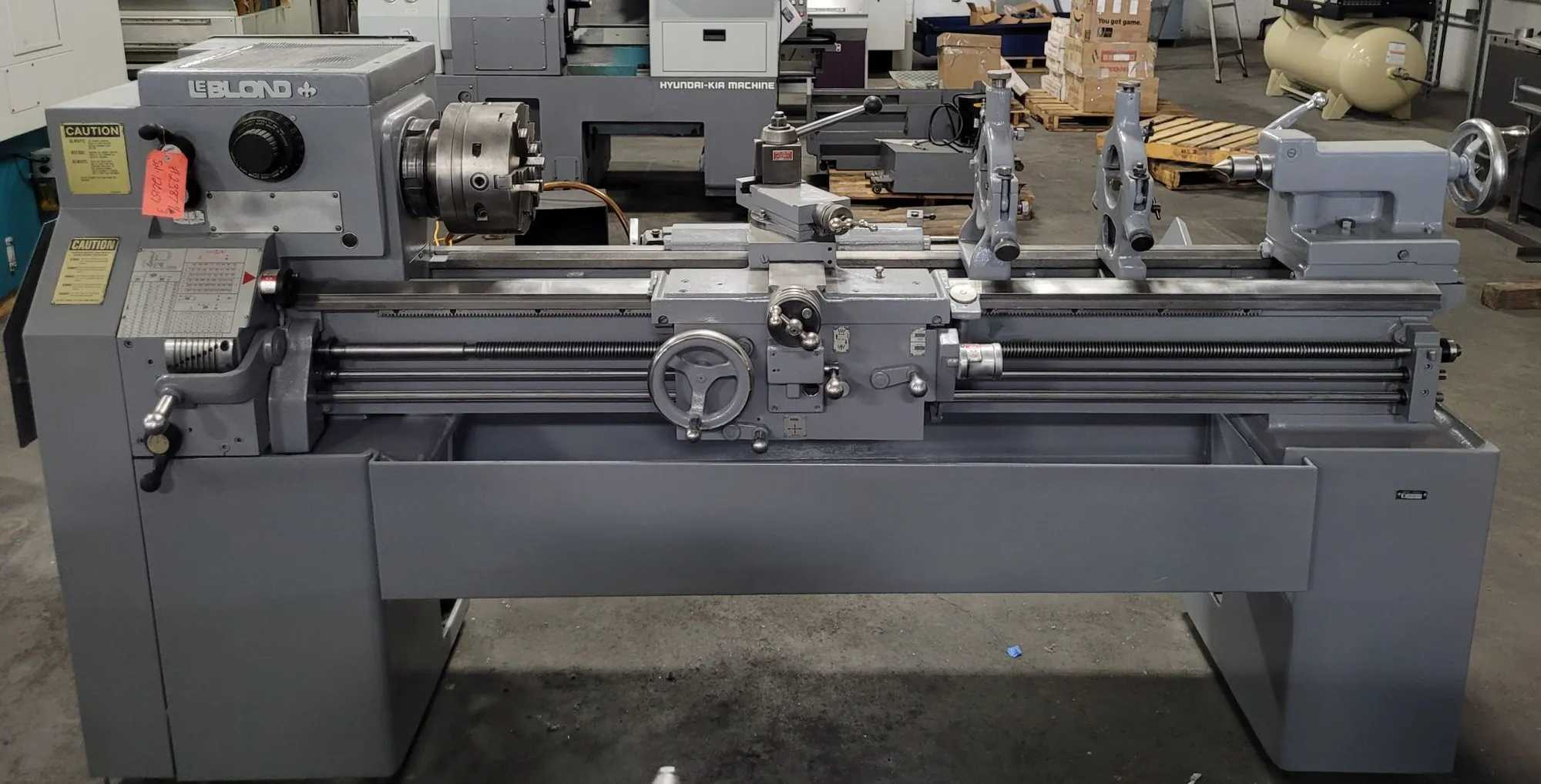
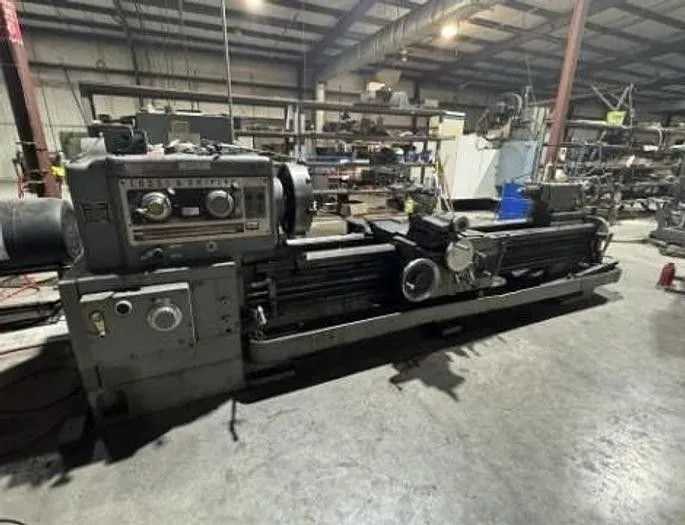
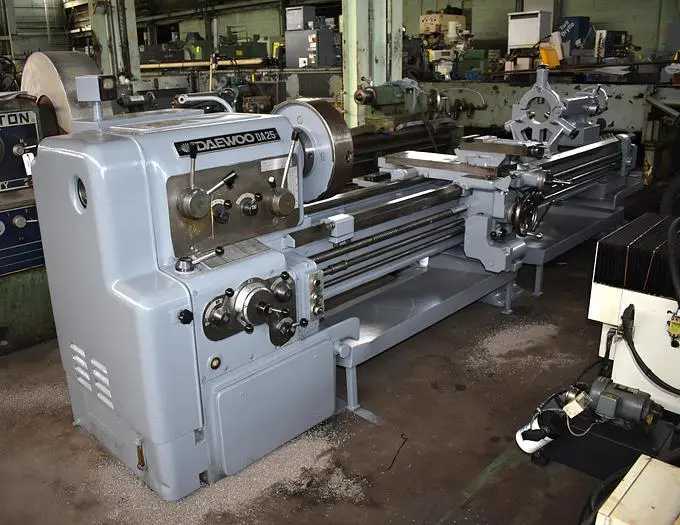
Engine Lathe, 25in Swing, 120in Centers, 15 HP, 10250 lbs
$24,500
$406/moKentucky
Specifications & Market Value
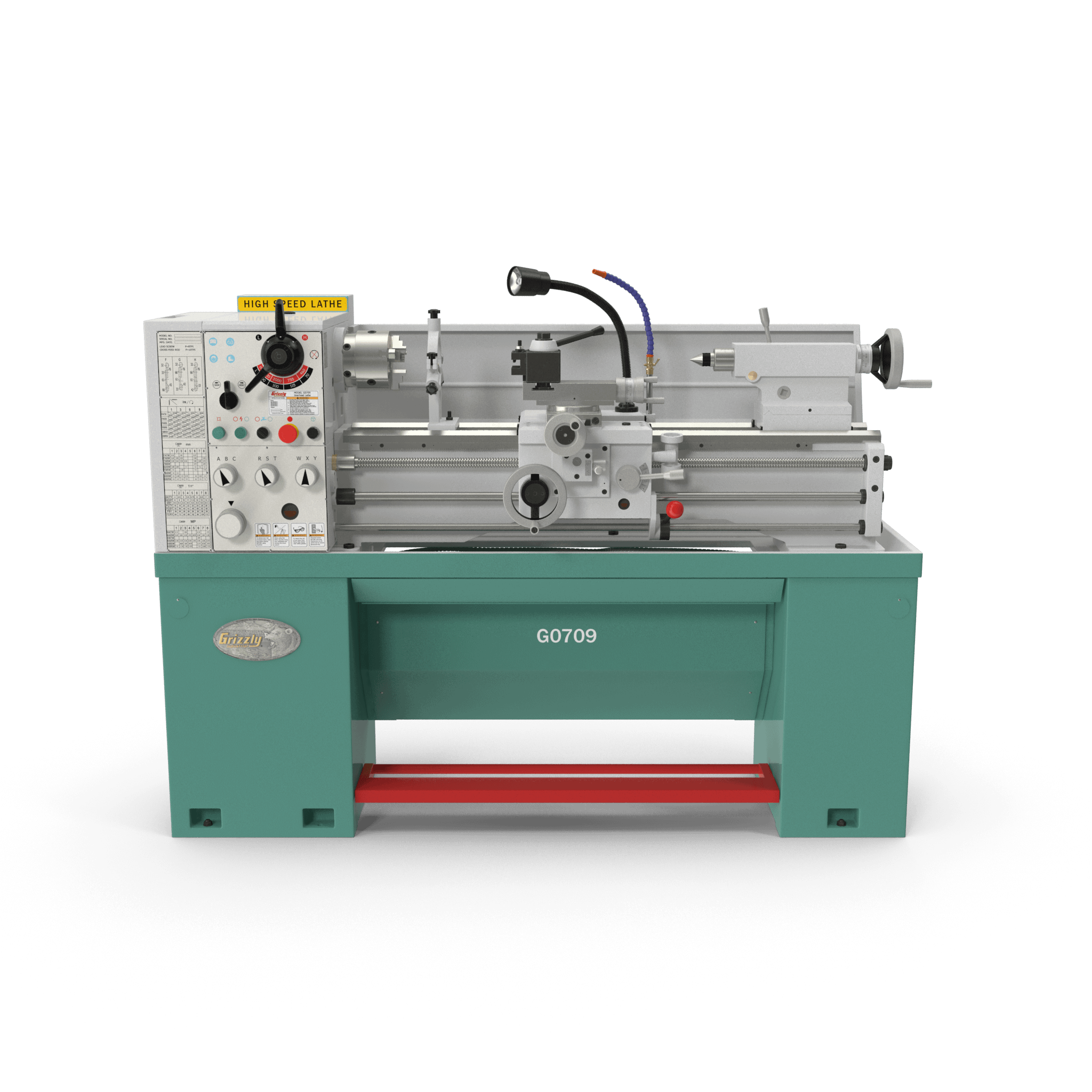
 Reference image
The SAFOP Leonard 3000 is a heavy-duty manual horizontal lathe designed for machining medium to large workpieces in demanding industrial applications. This machine features a maximum swing of 118.11 inches and a generous center distance of 511.81 inches, accommodating substantial components up to 15,000 kg in weight. The spindle bore measures 4.00 inches with a maximum spindle speed of 135 RPM, providing controlled cutting for precision work on large-diameter parts. With 50.2 HP of main motor power, the lathe delivers robust performance for turning, grinding, facing, and boring operations. The swing over cross slide is 98.54 inches, enabling access for tool positioning and workpiece manipulation. Equipped with a 4-jaw chuck and featuring both tailstock and steady rests, this lathe provides the rigidity and stability essential for heavy-duty machining. The preloaded hydrostatic bearing system characteristic of Leonard lathes ensures outstanding dimensional accuracy and surface finish. Originally manufactured in 1971, the Leonard 3000 remains a reliable workhorse in industries including energy, steel, and shipbuilding sectors. Its modular configuration and manual operation make it suitable for custom applications requiring high precision on large workpieces, from rolling mill cylinders and turbine components to industrial shafts and propeller manufacturing.
Specifications, market trends, and valuation estimates are compiled from manufacturer documentation, historical sales, and industry sources. While care is taken to ensure accuracy, this information is provided for reference purposes only and may contain errors or omissions. Users should independently verify all data before making buying or selling decisions. Valuations do not represent guaranteed transaction prices or binding offers, and Aucto assumes no liability for decisions made using this data.
Spot an error or missing detail? Help us keep our equipment guides accurate for the community.

 A+
A+ Auction Value
$16,800
 Range$2,500 – $24,500
 Sells in ~ 30 days
 Retail Value
—
Sells in ~ 180 days
Item functions as originally intended, shows signs of normal wear. Change the condition to see how it moves both values.
| Attribute | SelectedSAFOP Leonard 3000 MANUAL LATHE | SAFOP LEONARD 40TR1000 MANUAL LATHE | |
|---|---|---|---|
| OEM | SAFOP | SAFOP | |
| Model | Leonard 3000 | LEONARD 40TR1000 | |
| Year | - | - | |
| Distance Between Centers | 511.81 '' | 312.00 '' | |
| Spindle Bore Diameter | 4.00 '' | 4.00 '' | |
| Max Swing | 118.11 '' | 50.00 '' | |
| Similarity | — | 98% | |
| Auction Value$2,500 - $24,500Retail Value— | Auction Value$5,000 - $43,000Retail Value— | |
| Current Machine | View Details |
Marketplace