Buy Now
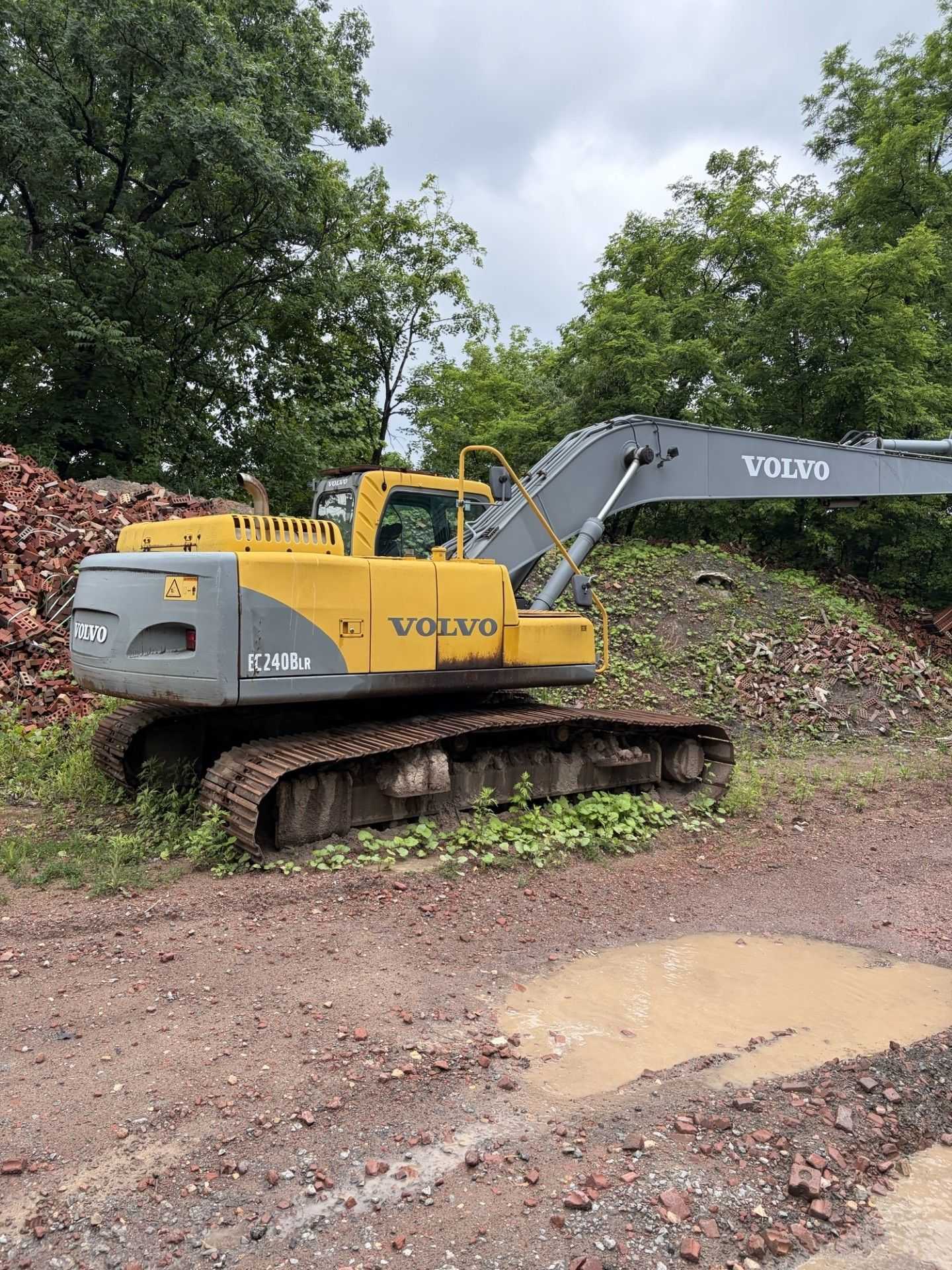
2004 Volvo EC240BLR Long Reach Crawler Excavator, 180HP, 60 ft Reach, Bucket Included
$62,894
$1,042/moPennsylvania
Specifications & Market Value
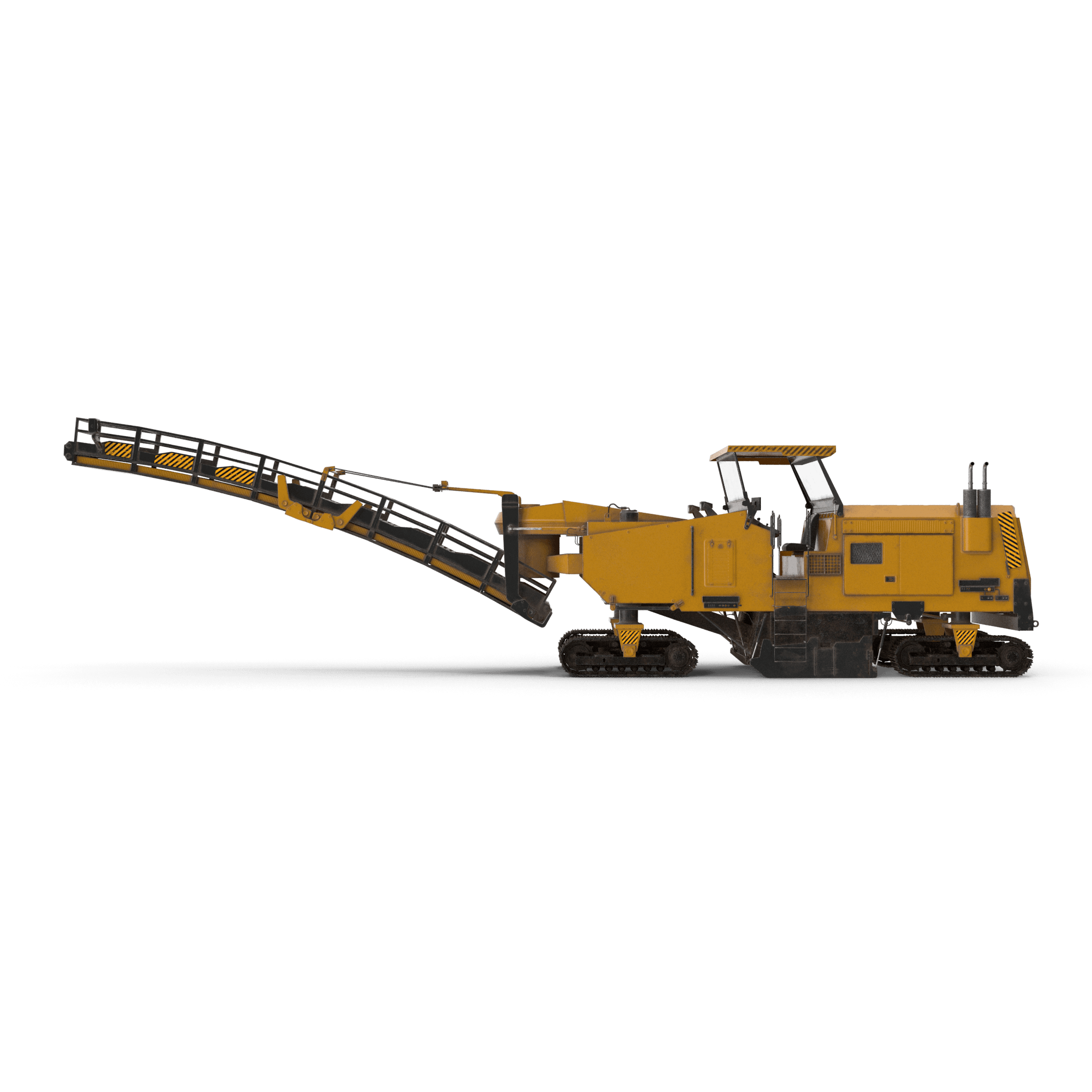
 Reference image
The Sakai SV510D-III is a heavy-duty static smooth drum roller designed for efficient soil and asphalt compaction. It features an 84-inch wide drum with a vibration frequency adjustable between 1,650 and 2,200 vibrations per minute (vpm), allowing for optimized compaction performance. The roller’s overall width is 7 feet, with an inside turning radius of 11.3 feet, providing maneuverability on job sites. Powered by a robust Cummins QSB4.5 diesel engine delivering 148 horsepower, the machine achieves operating weights between 23,525 and 25,375 pounds, enabling substantial downward force. It produces centrifugal forces ranging from 38,580 to 55,120 pounds, regulated through a dual amplitude system with nominal vibration amplitudes of 0.04 to 0.08 inches, optimizing compaction depth and effectiveness without overstressing components. Hydraulic motor-driven vibration shafts use servo-controlled pumps to adjust speed and amplitude precisely, with high amplitude paired with low shaft speed and low amplitude with high speed to protect the drum from damage and ensure optimal soil density. The system includes advanced traction control balancing torque between front and rear drives for enhanced slope capability up to 27–30 degrees. The SV510D-III’s rugged design and sophisticated vibration control make it versatile and efficient for various compaction tasks in construction, road building, and infrastructure projects.
Specifications, market trends, and valuation estimates are compiled from manufacturer documentation, historical sales, and industry sources. While care is taken to ensure accuracy, this information is provided for reference purposes only and may contain errors or omissions. Users should independently verify all data before making buying or selling decisions. Valuations do not represent guaranteed transaction prices or binding offers, and Aucto assumes no liability for decisions made using this data.
Spot an error or missing detail? Help us keep our equipment guides accurate for the community.

 A+
A+ Auction Value
$37,625
 Range$10,000 – $52,500
 Sells in ~ 30 days
 Retail Value
—
Sells in ~ 180 days
Item functions as originally intended, shows signs of normal wear. Change the condition to see how it moves both values.
| Attribute | SelectedSAKAI SV510D-III STATIC SMOOTH DRUM ROLLER | SAKAI SV510D-11 STATIC SMOOTH DRUM ROLLER | |
|---|---|---|---|
| OEM | SAKAI | SAKAI | |
| Model | SV510D-III | SV510D-11 | |
| Year | - | - | |
| Drum Width | 84 '' | 84 '' | |
| Similarity | — | 100% | |
| Auction Value$10,000 - $52,500Retail Value— | Auction Value$20,000 - $80,371Retail Value— | |
| Current Machine | View Details |
Marketplace