Buy Now
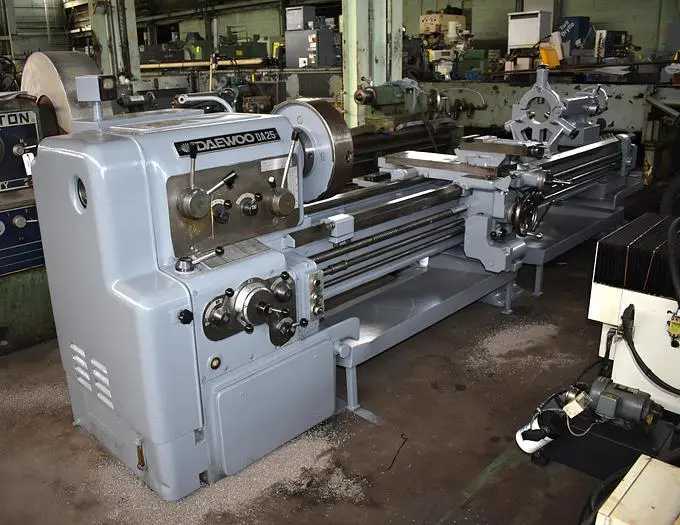
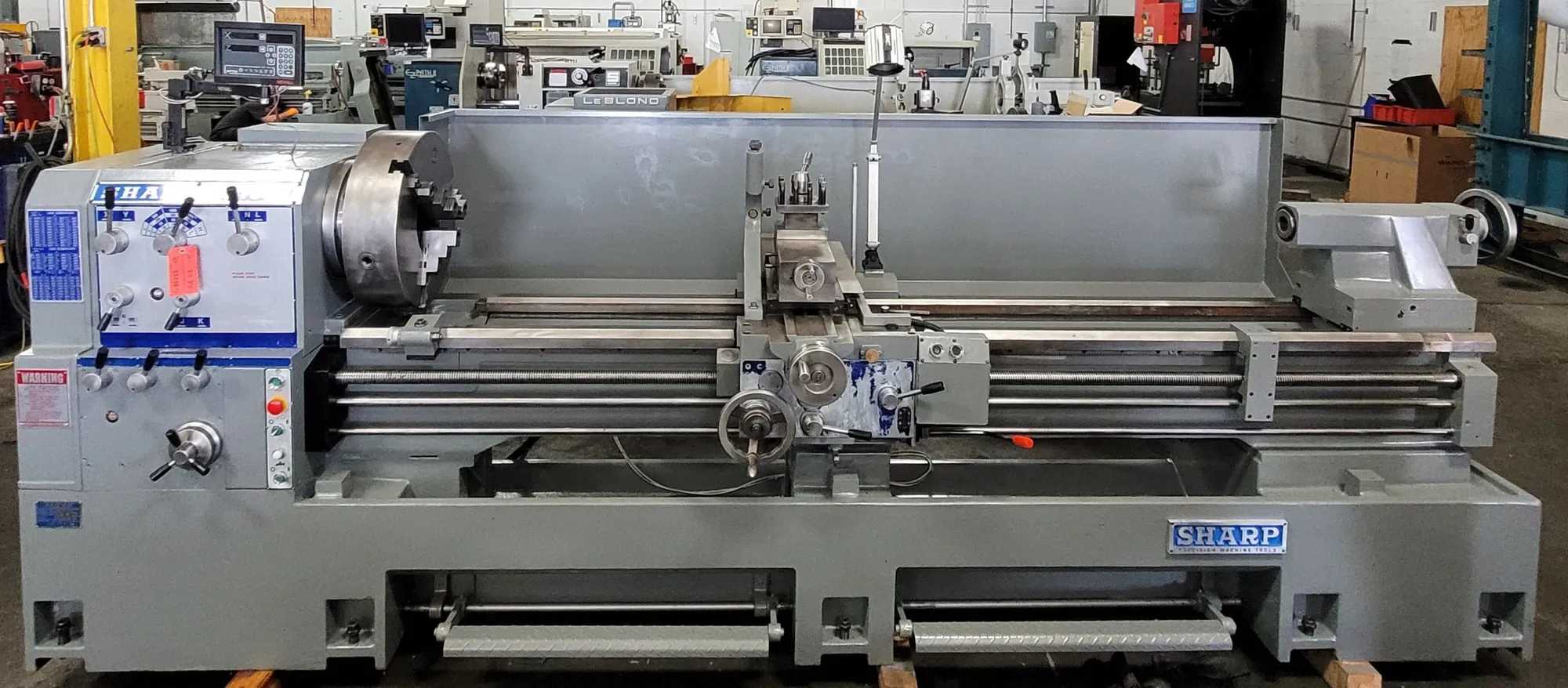
22"/31" x 100" Sharp 22100B Gap Bed Lathe W/Newall DRO - 21.97" Swing, 4.5" Bore
$43,500
$721/moKentucky
Specifications & Market Value
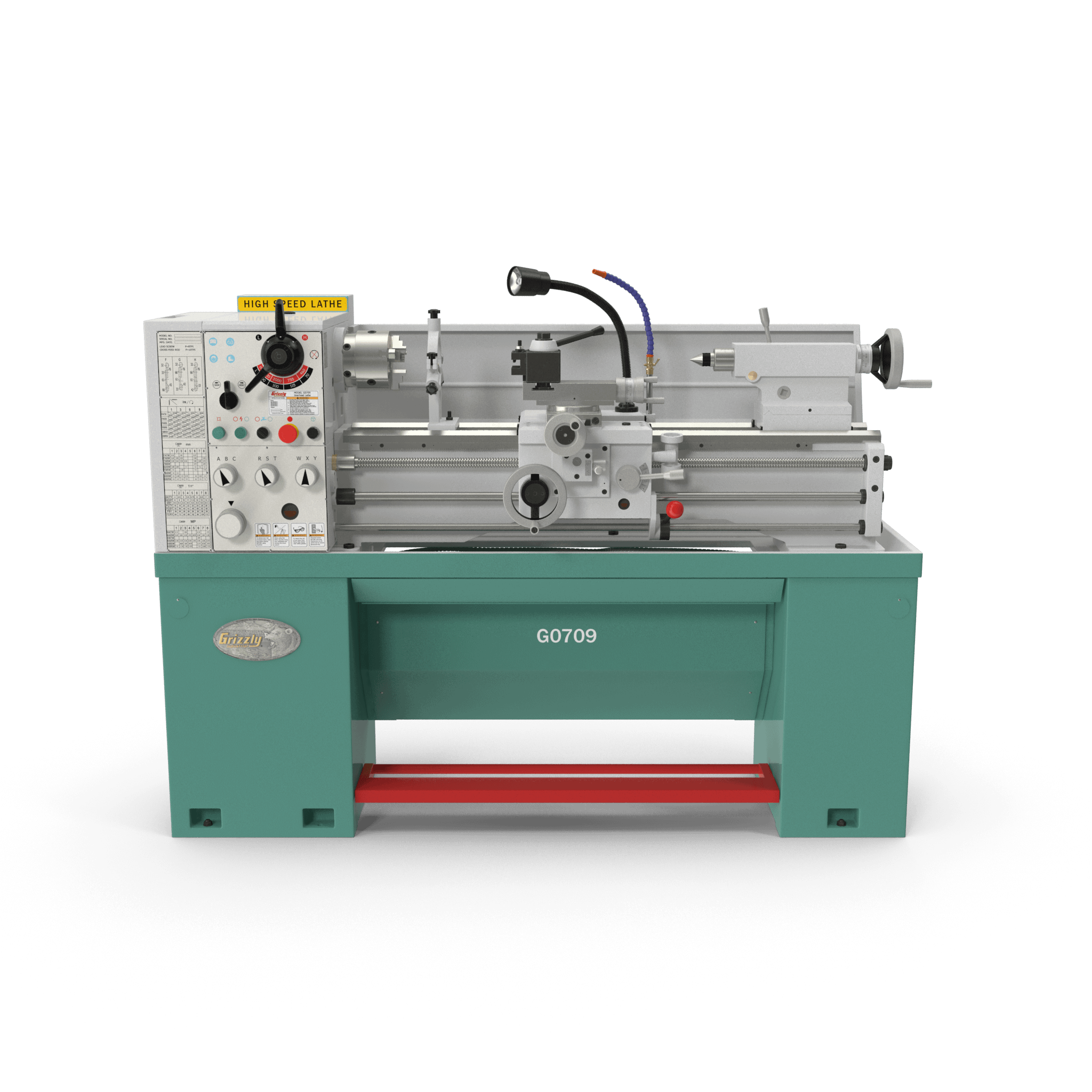
 Reference image
The SHARP 1880L is a heavy-duty manual precision lathe featuring an 18-inch swing over the bed and a 10.2-inch swing over the cross slide. It offers a substantial distance between centers of approximately 80 inches (79.9 to 86.6 inches depending on references), allowing machining of large workpieces. The lathe incorporates a 3.1-inch spindle bore, facilitating the handling of sizable stock materials. Powered by a robust 7.5 horsepower motor, the lathe achieves spindle speeds up to 2,000 RPM through a 12-speed geared head, enabling precise control over different machining operations from rough cutting to fine finishing. The spindle uses a D1-8 Camlock nose for secure and quick tool mounting. Construction is built around a one-piece Meehanite cast bed that provides excellent rigidity and vibration dampening to support heavy cutting without compromising accuracy. The lathe includes a tailstock with taper size MT #4 and travel of about 5.9 inches, supporting drilling and other axial operations. Additional standard features often include a 3-jaw 10-inch chuck, faceplate, steady rest, follow rest, coolant system, full-length splash guard, and an American tool post for versatile tooling options. This lathe is suited for precise heavy machining tasks in tool rooms and production environments, especially when large parts require stable and powerful turning capacity under controlled speeds.
Specifications, market trends, and valuation estimates are compiled from manufacturer documentation, historical sales, and industry sources. While care is taken to ensure accuracy, this information is provided for reference purposes only and may contain errors or omissions. Users should independently verify all data before making buying or selling decisions. Valuations do not represent guaranteed transaction prices or binding offers, and Aucto assumes no liability for decisions made using this data.
Spot an error or missing detail? Help us keep our equipment guides accurate for the community.

 A+
A+ Auction Value
$22,362
 Range$5,000 – $31,710
 Sells in ~ 30 days
 Retail Value
—
Sells in ~ 180 days
Item functions as originally intended, shows signs of normal wear. Change the condition to see how it moves both values.
| Attribute | SelectedSHARP 1880L MANUAL LATHE | SHARP 1880LV MANUAL LATHE | |
|---|---|---|---|
| OEM | SHARP | SHARP | |
| Model | 1880L | 1880LV | |
| Year | - | - | |
| Distance Between Centers | 79.90 '' | 79.90 '' | |
| Max Swing | 18.00 '' | 18.00 '' | |
| Spindle Bore Diameter | 3.10 '' | 3.10 '' | |
| Similarity | — | 100% | |
| Auction Value$5,000 - $31,710Retail Value— | Auction Value$5,000 - $33,255Retail Value— | |
| Current Machine | View Details |
Marketplace