SILOMA OL 220 DGA HORIZONTAL BAND SAW
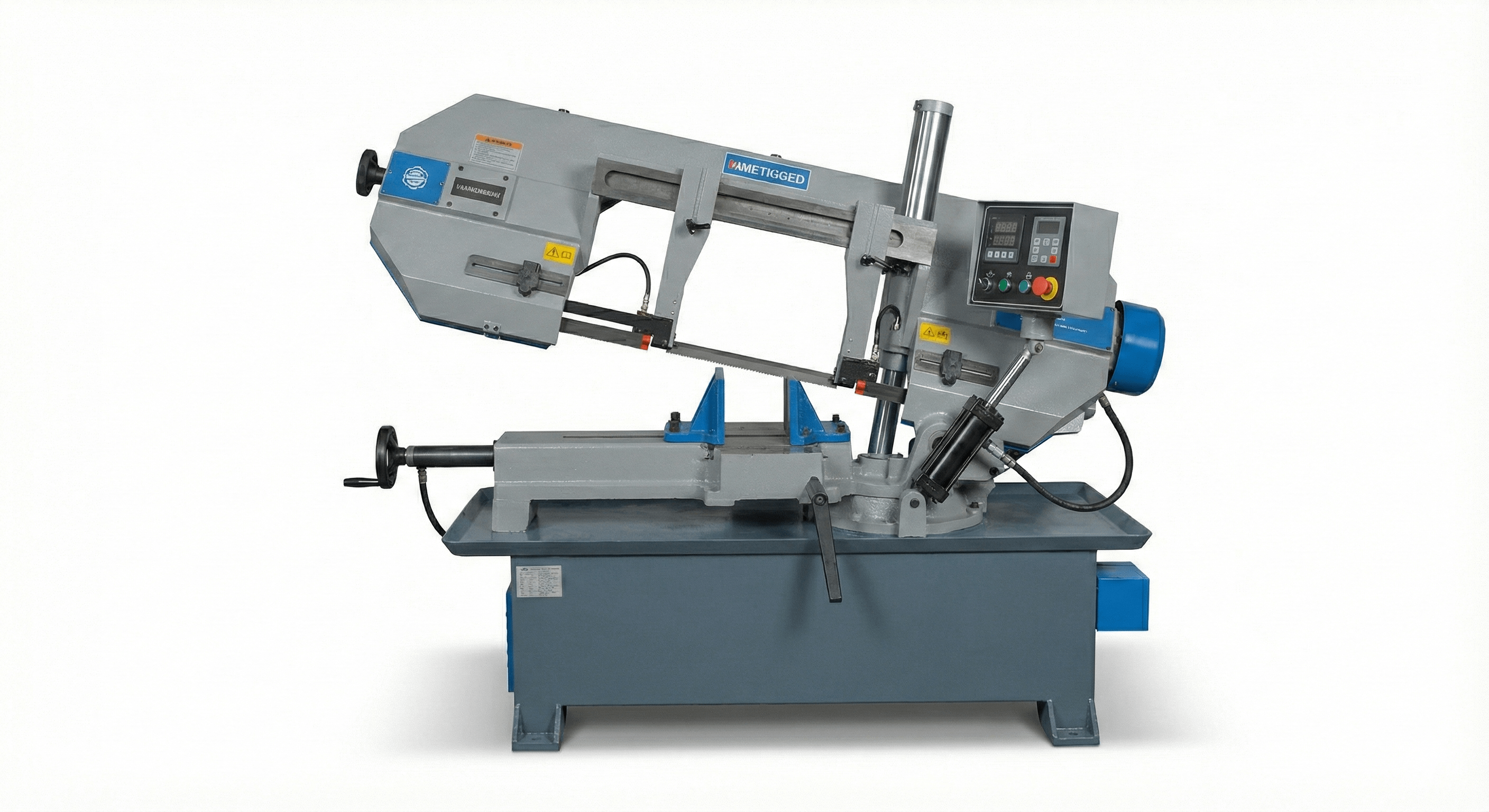
Equipment Overview
Share Link- OEM
- SILOMA
- Model
- OL 220 DGA
- Year of Manufacture
- -
- Category
- HORIZONTAL BAND SAWS
Market Value Calculator
A+Technical Description
The SILOMA OL 220 DGA Horizontal Band Saw is engineered for precision cutting with a robust design that accommodates a rectangular capacity of 7.87 inches in height and 9.84 inches in width, as well as a round piece diameter of 220 mm (8.66 inches). This machine features a manual saw-frame rotation range of 45° to 30° left and right, allowing for versatile cutting angles. The operational mode is manual, providing users with direct control over the cutting process. Material feeding is performed manually, while material clamping is facilitated through a hydraulic system, ensuring secure and stable positioning during operation. The frame lifting over the material is also hydraulically operated, enhancing efficiency and ease of use. For optimal blade performance, cutting blade tensioning is done manually, allowing for precise adjustments. Additionally, the cutting blade feeding is hydraulically controlled, ensuring consistent and smooth operation throughout the cutting cycle. The SILOMA OL 220 DGA is designed for durability and reliability, making it an ideal choice for workshops requiring high-quality cutting solutions for various materials. Its combination of manual and hydraulic features provides a balance of control and automation, catering to the needs of both experienced operators and those new to band saw technology.
Technical Attributes
- Workpiece Clamping
- Hydraulic
- Control System
- Hybrid control system
Data Accuracy and Verification
Specifications and technical details are compiled from manufacturer documentation, historical records, and third-party industry sources. While care is taken to ensure accuracy, this information is provided for reference purposes only and may contain errors or omissions. Users should independently verify all details before relying on them.
If you identify any inaccuracies, please help us improve our data by reporting them here.