TAKISAWA TCN-203J / 206J HORIZONTAL MACHINING CENTER
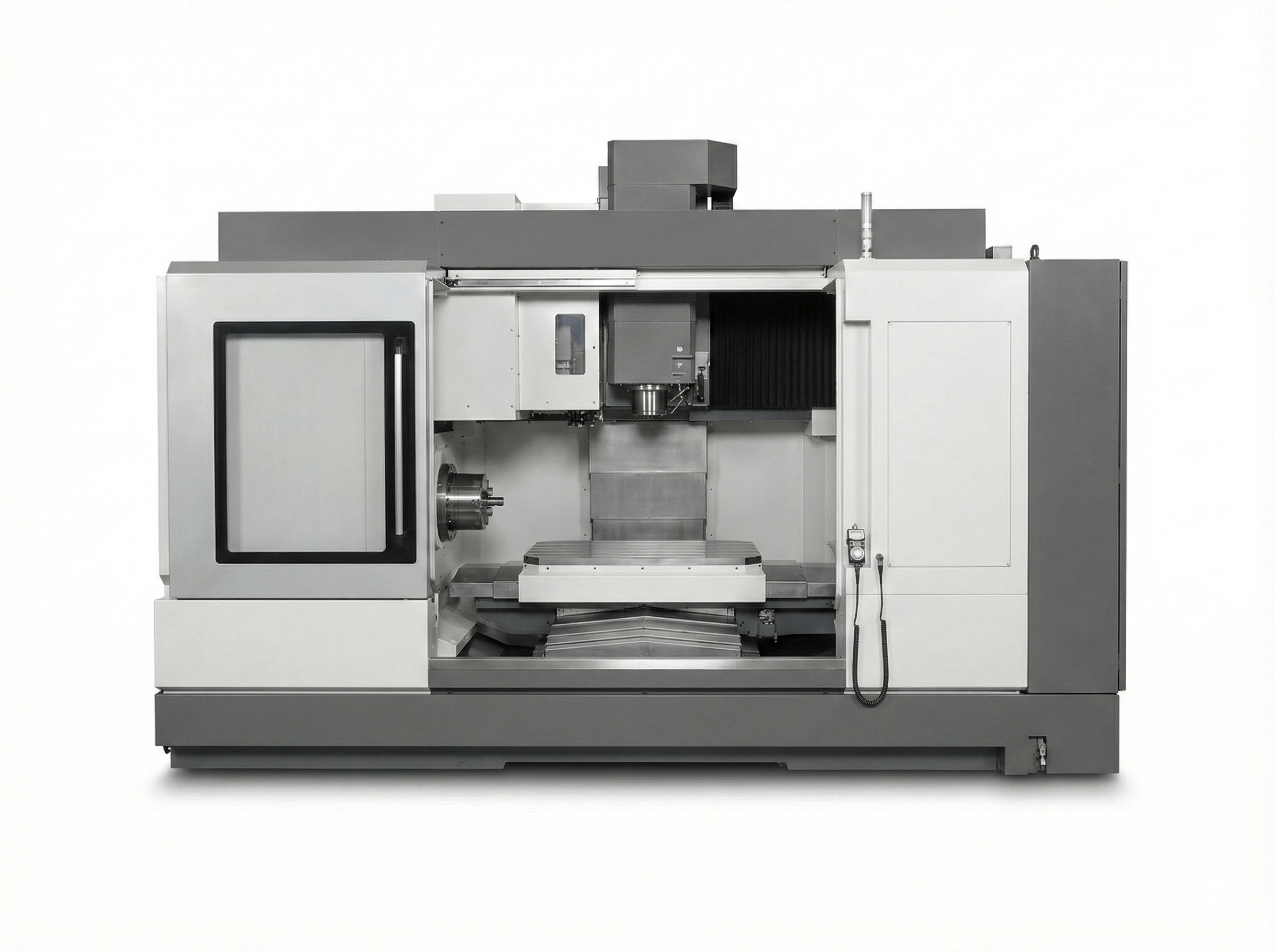
Equipment Overview
Share Link- OEM
- TAKISAWA
- Model
- TCN-203J / 206J
- Year of Manufacture
- -
- Category
- HORIZONTAL MACHINING CENTERS
Market Value Calculator
A+Technical Description
The TAKISAWA TCN-203J / 206J Horizontal Machining Center is a high-performance CNC lathe designed for precise turning operations. It features a single main spindle with a maximum turning diameter of 14.75 inches and a maximum turning length of 11.81 inches. The spindle accommodates an 8-inch chuck and supports a maximum swing of 16.54 inches, with a bar capacity of up to 2 inches in diameter. Powered by a 15 HP motor, the spindle runs at speeds up to 3,200 RPM, providing robust machining capability. The machine incorporates a standard turret tool carrier capable of holding up to 8 turning and 8 rotary tools, though only one cutting tool operates simultaneously. It operates on two axes, with an X-axis travel of 2.01 inches and a Z-axis travel of 14.57 inches, both achieving rapid traverse rates of 787 inches per minute to optimize machining efficiency. Built with Takisawa’s renowned box slide ways and superior headstock rigidity, it ensures stable and accurate cutting performance. The lathe is CNC-controlled, commonly equipped with a Fanuc 0iT-D control system, supporting precise and repeatable machining processes. Its design balances versatility and productivity, making it suitable for small to medium-sized precision turning jobs in various manufacturing sectors. This machine combines powerful spindle performance, a versatile turret, and rapid axis movements to fulfill demanding turning applications with high accuracy and efficiency.
Technical Attributes
- Max Spindle Speed
- 3,200.00
- # of Axes
- 2.00
- X-Axis Travel
- 2.01 ''
- Z-Axis Travel
- 14.57 ''
- Spindle Power
- 15.00 HP
Data Accuracy and Verification
Specifications and technical details are compiled from manufacturer documentation, historical records, and third-party industry sources. While care is taken to ensure accuracy, this information is provided for reference purposes only and may contain errors or omissions. Users should independently verify all details before relying on them.
If you identify any inaccuracies, please help us improve our data by reporting them here.