TEREX TC210 CRAWLER EXCAVATOR
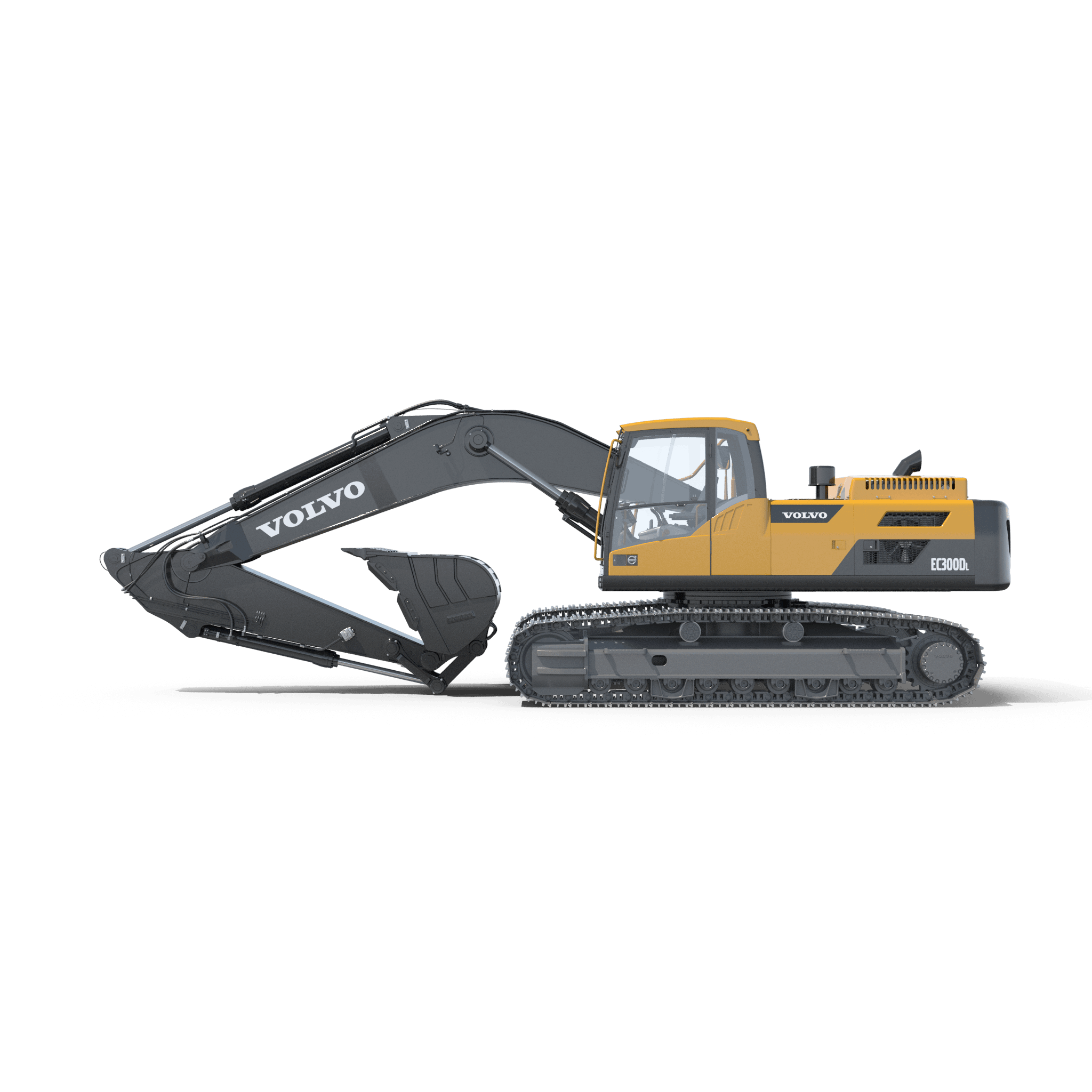
Equipment Overview
Share Link- OEM
- TEREX
- Model
- TC210
- Year of Manufacture
- -
- Category
- CRAWLER EXCAVATORS
Market Value Calculator
A+Technical Description
The Terex TC210 is a robust crawler excavator engineered for demanding construction and excavation tasks. This model features a Boom/Stick Excavator Option 1 configuration, delivering a maximum digging depth of 23.3 ft, a maximum loading height of 24.1 ft, and a maximum reach along the ground of 35 ft, making it highly versatile for a wide range of digging and loading applications. Powered by a Cummins QSB 6.7 engine, the TC210 produces a net power output of 139.5 hp (104 kW), ensuring reliable performance and fuel efficiency. The hydraulic system is equipped with a pump flow capacity of 105.7 gpm, supporting efficient operation of all hydraulic functions and attachments. With an operating weight of 48,942.7 lbs, the TC210 offers excellent stability and lifting capacity, while its 23.7-inch shoe size undercarriage provides optimal ground pressure distribution and traction on various terrains. The excavator is designed with a dual-circuit hydraulic system and multiple consumer loads, allowing for simultaneous operation of several attachments. The TC210 also features a high-performance piston pump system, proportional control of all movements, and multiple operating modes, including Fine, Eco, and Power, to optimize productivity and fuel consumption. This machine is well-suited for heavy-duty excavation, grading, and material handling tasks, offering durability, operator comfort, and ease of maintenance.
Technical Attributes
- Engine Power
- 139.5 HP
- Max Reach
- 34.98 ft
- Max Digging Depth
- 23.2 ft
Data Accuracy and Verification
Specifications and technical details are compiled from manufacturer documentation, historical records, and third-party industry sources. While care is taken to ensure accuracy, this information is provided for reference purposes only and may contain errors or omissions. Users should independently verify all details before relying on them.
If you identify any inaccuracies, please help us improve our data by reporting them here.