Buy Now
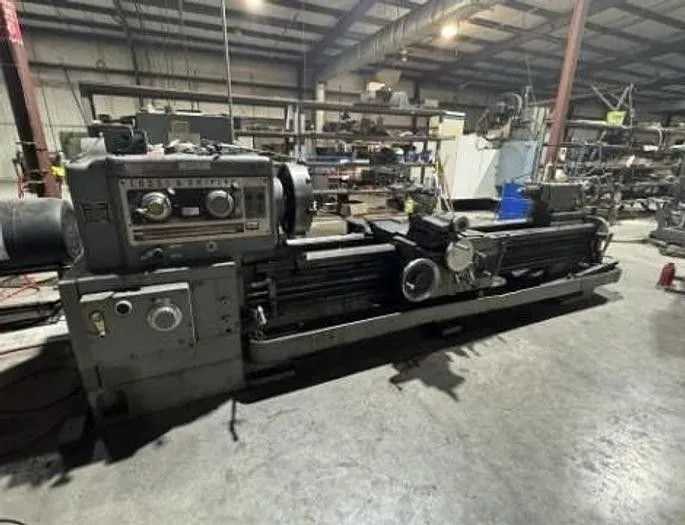
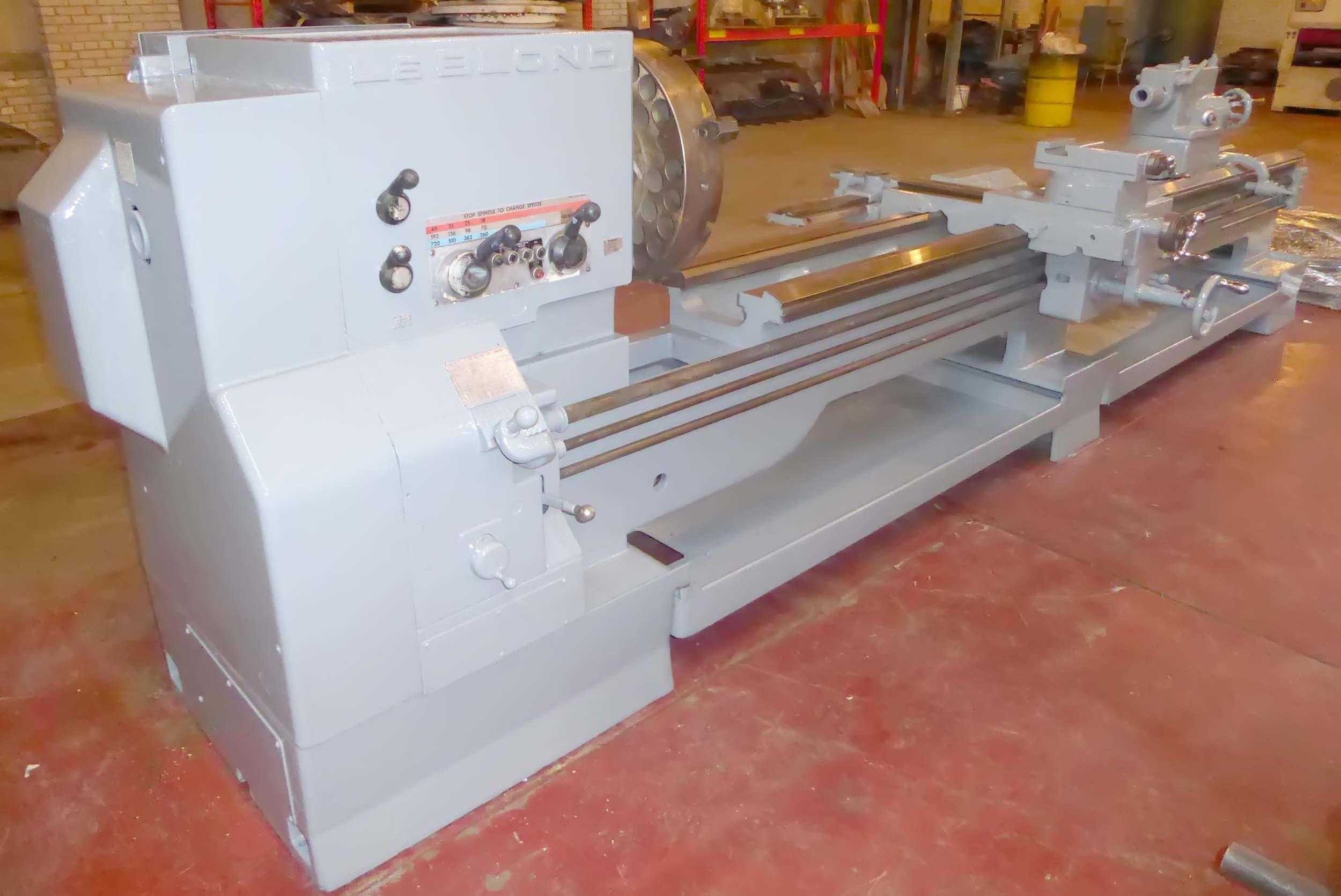
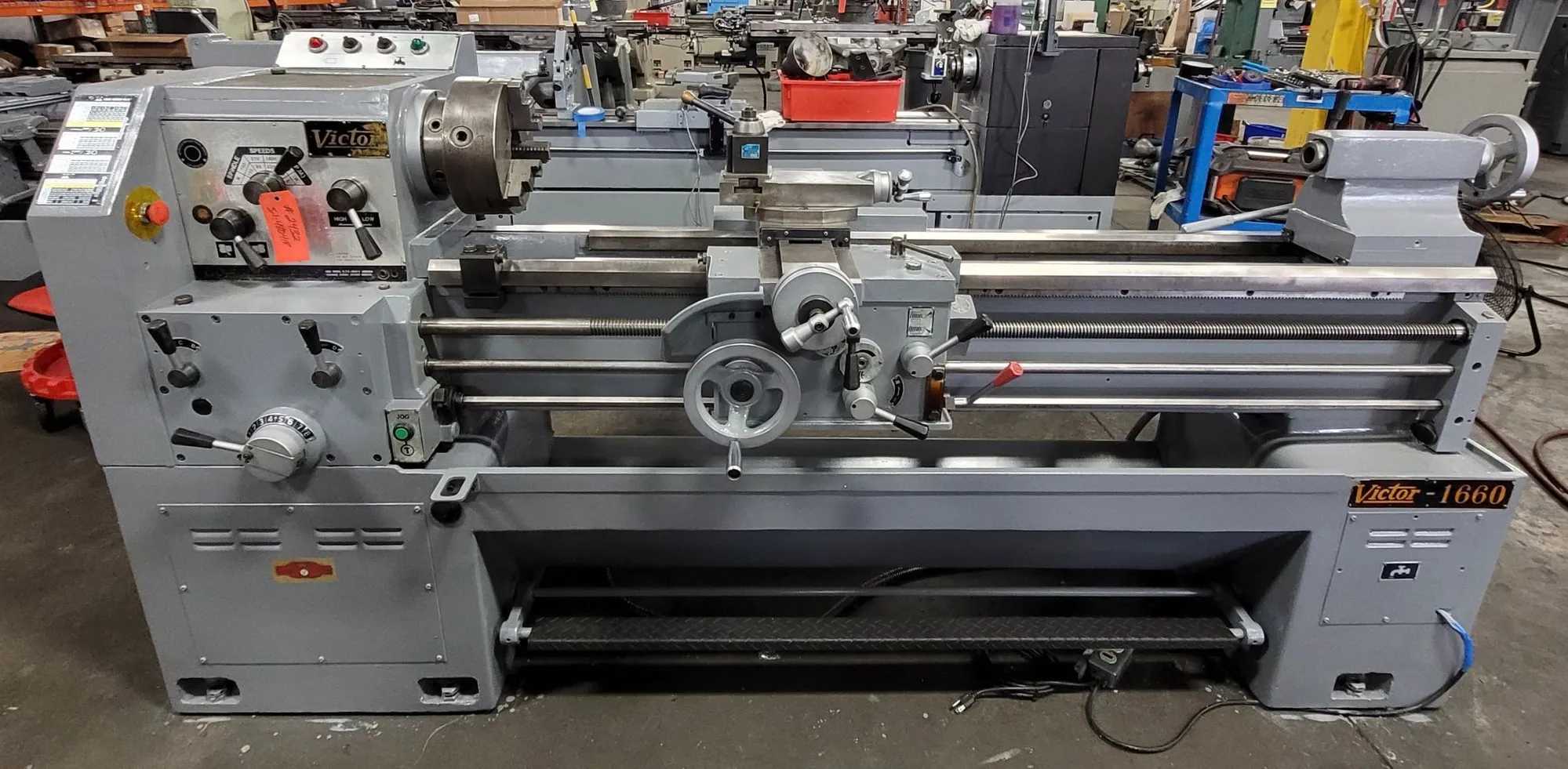
VICTOR MODEL 1660 GAP BED ENGINE LATHE - 16" SWING, 60" CC, 2" BORE, 2000 RPM, 7.5HP, 220V
$10,950
$181/moKentucky
Specifications & Market Value
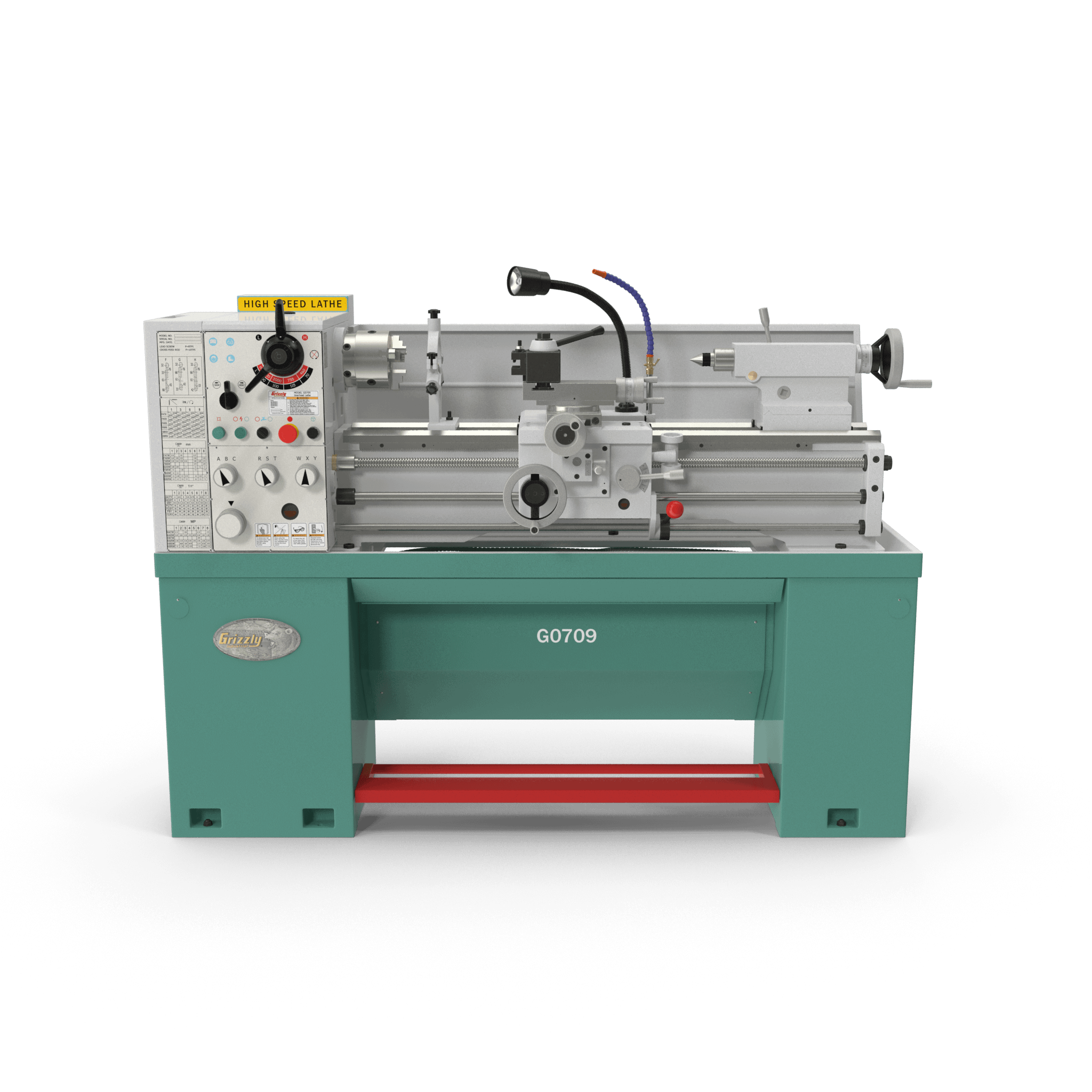
 Reference image
The VICTOR 1760E manual lathe features a 17-inch swing over the bed and a maximum distance between centers of 59 inches, supporting large workpieces. It possesses a substantial 3-1/8 inch (approximately 3.13") spindle bore with a Morse Taper #7, accommodating various long and heavy stock. The spindle is driven by a powerful 7.5 horsepower 3-phase motor, delivering speeds ranging from 40 to 2,000 RPM across 12 steps, enabling versatile machining operations. The lathe includes a 9.45-inch swing over the cross slide and 25.59-inch swing over the gap for expanded machining capacity. Built on a one-piece high rigidity, low vibration base, its construction features a thermal-treated Meehanite cast iron bed with hardened and precision ground bedways for accuracy and durability. The machine employs thermal-treated and precision ground alloy gears and wear-resistant phosphor bronze leadscrew nuts for long life and precision feed control. The carriage offers a 9.65-inch cross slide travel and 4.92-inch compound slide travel. Threading capabilities include a universal gearbox accommodating both inch and metric threads with a wide range of feed and threading choices, supported by a threading dial indicator and auto-feed stopper ring. The tailstock has a 2.28-inch spindle bore taper #4 and 5.91-inch quill travel. Additional features include a coolant system with a 1/8 HP pump, safety overload device, removable gap, and comprehensive standard accessories such as centers, wrench, tool box, leveling screws, and operation manual. Overall, the VICTOR 1760E offers heavy-duty precision for demanding applications requiring high accuracy and rigidity.
Specifications, market trends, and valuation estimates are compiled from manufacturer documentation, historical sales, and industry sources. While care is taken to ensure accuracy, this information is provided for reference purposes only and may contain errors or omissions. Users should independently verify all data before making buying or selling decisions. Valuations do not represent guaranteed transaction prices or binding offers, and Aucto assumes no liability for decisions made using this data.
Spot an error or missing detail? Help us keep our equipment guides accurate for the community.

 A+
A+ Auction Value
$16,670
 Range$2,500 – $24,300
 Sells in ~ 30 days
 Retail Value
—
Sells in ~ 180 days
Item functions as originally intended, shows signs of normal wear. Change the condition to see how it moves both values.
| Attribute | SelectedVICTOR 1760E MANUAL LATHE | VICTOR 1760T MANUAL LATHE | |
|---|---|---|---|
| OEM | VICTOR | VICTOR | |
| Model | 1760E | 1760T | |
| Year | - | - | |
| Distance Between Centers | 59.00 '' | 60.00 '' | |
| Max Swing | 17.00 '' | 17.00 '' | |
| Spindle Bore Diameter | 2.28 '' | 2.28 '' | |
| Similarity | — | 99% | |
| Auction Value$2,500 - $24,300Retail Value— | Auction Value$2,500 - $17,695Retail Value— | |
| Current Machine | View Details |
Marketplace