Buy Now
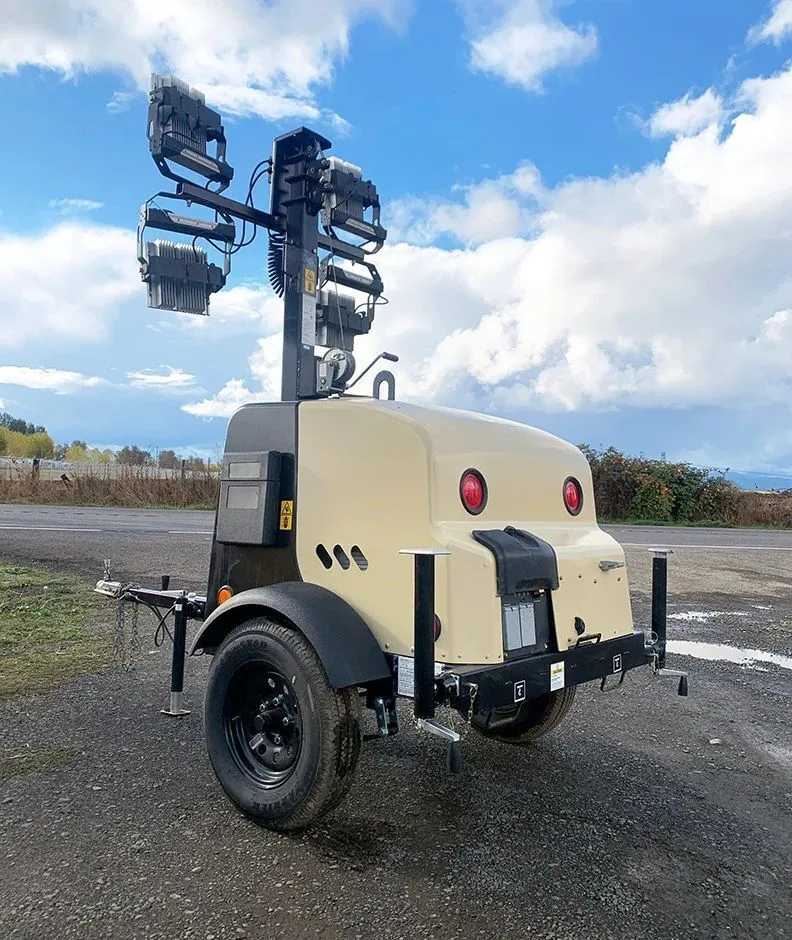
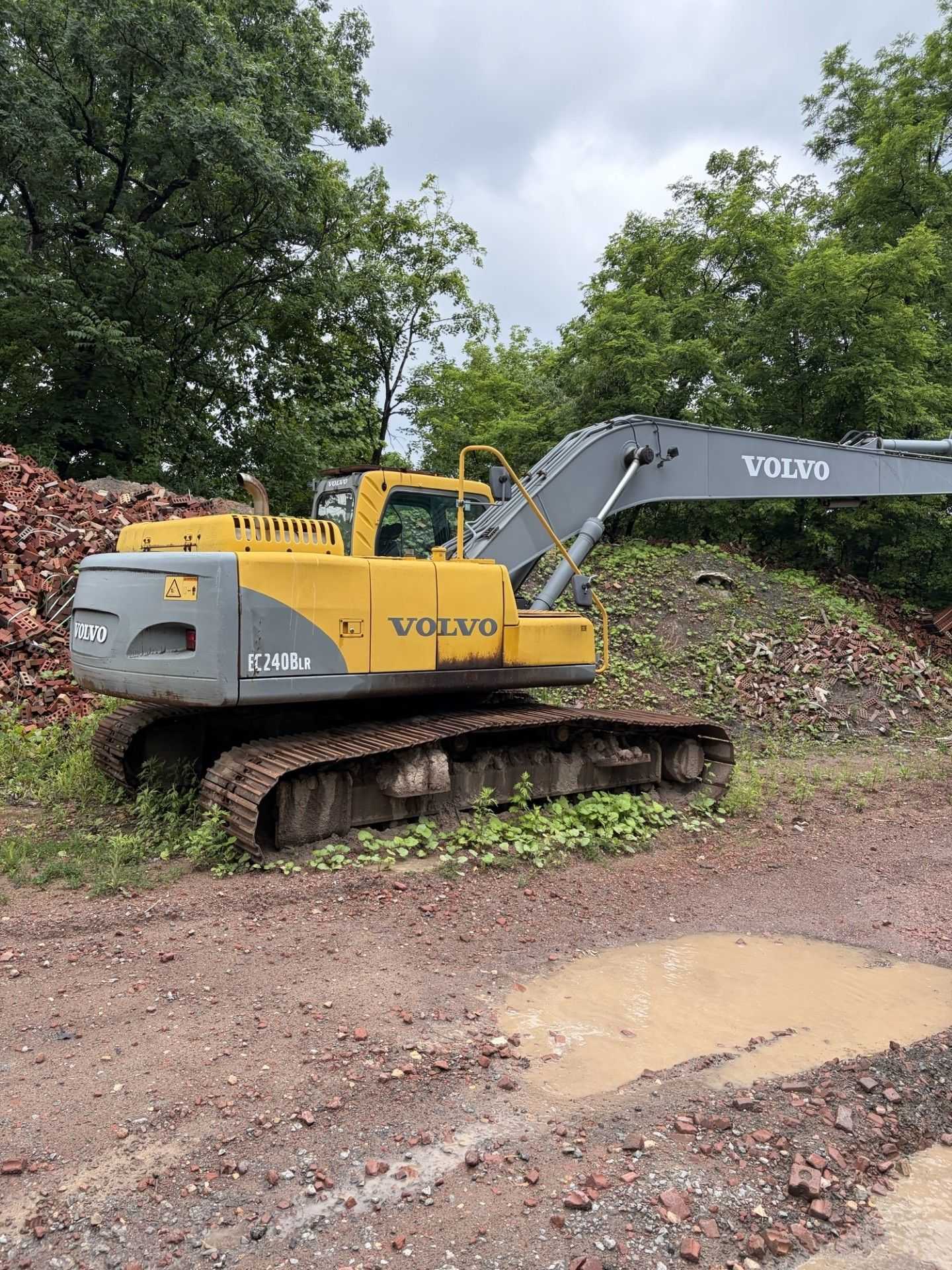
2004 Volvo EC240BLR Long Reach Crawler Excavator, 180HP, 60 ft Reach, Bucket Included
$62,894
$1,042/moPennsylvania
Specifications & Market Value
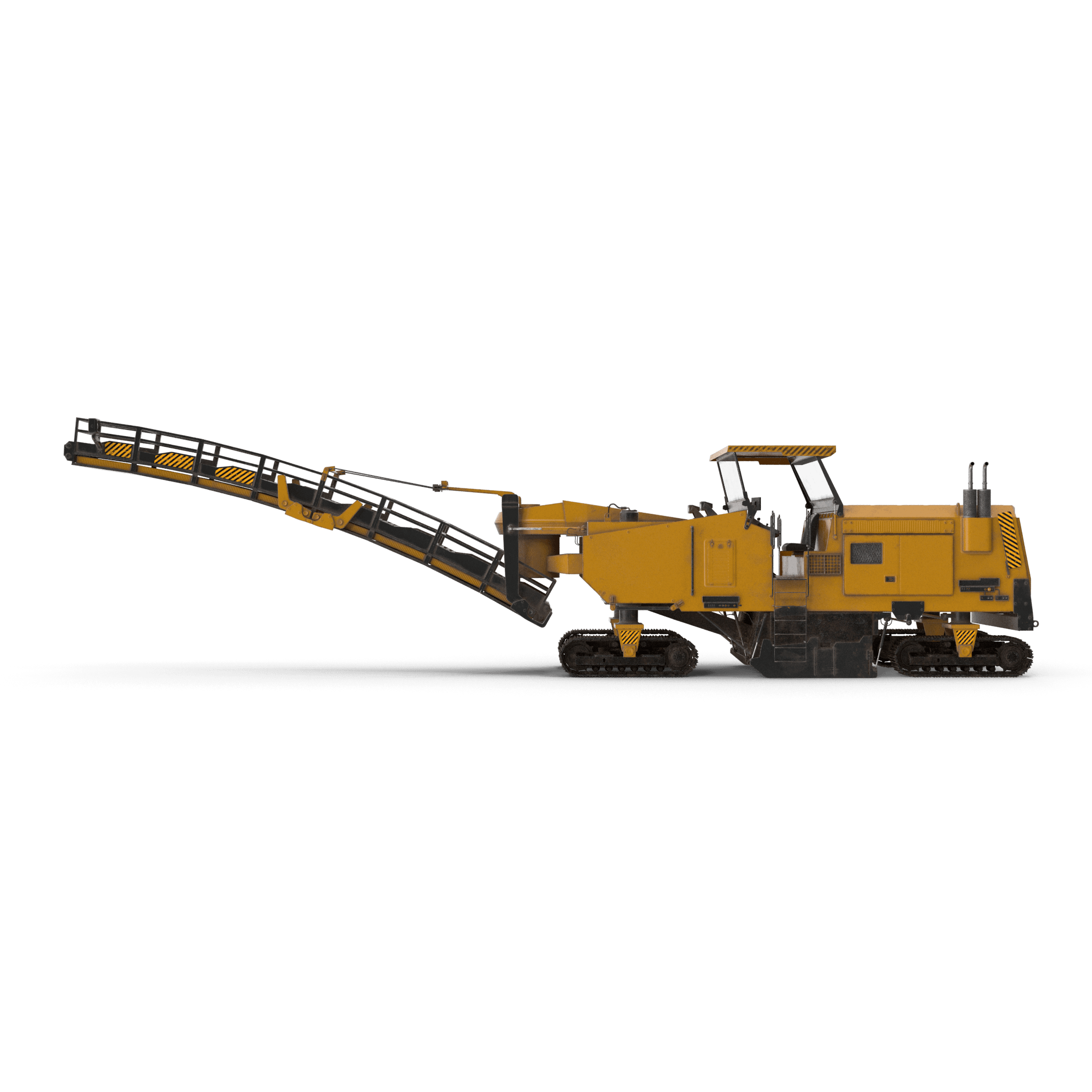
 Reference image
The Volvo DD70HF is a high-performance static smooth drum roller designed for efficient asphalt compaction. It features a 57-inch wide smooth drum that delivers a vibration frequency of 66.7 vibrations per minute (vpm), providing effective soil and asphalt compaction with a centrifugal force ranging between 7,820 and 21,080 pounds. Powered by a robust Cummins engine producing 84.5 horsepower, the roller has an overall operating weight of 14,895 pounds, with nearly equal static weight distribution between the rear drum (7,485 lb) and front drum (7,300 lb), ensuring optimal ground contact and stability. Its compact design includes an overall width of 5.5 feet and an inside turning radius of 15.8 feet, allowing maneuverability in confined spaces while maintaining high productivity. The machine’s vibration nominal amplitude ranges from 0.006 to 0.017 inches, which aids in achieving uniform compaction quality. The overall length of the DD70HF is 176 inches. This model balances power, weight, and precision, making it ideal for asphalt and base layer compaction in a variety of road construction and maintenance projects. Its durability and Cummins engine reliability contribute to reduced downtime and maintenance costs on site. The Volvo DD70HF’s specifications and performance capabilities make it a versatile choice within the smooth drum roller category for contractors seeking consistent and efficient compaction results.
Specifications, market trends, and valuation estimates are compiled from manufacturer documentation, historical sales, and industry sources. While care is taken to ensure accuracy, this information is provided for reference purposes only and may contain errors or omissions. Users should independently verify all data before making buying or selling decisions. Valuations do not represent guaranteed transaction prices or binding offers, and Aucto assumes no liability for decisions made using this data.
Spot an error or missing detail? Help us keep our equipment guides accurate for the community.

 A+
A+ Auction Value
$14,035
 Range$5,000 – $18,900
 Sells in ~ 30 days
 Retail Value
—
Sells in ~ 180 days
Item functions as originally intended, shows signs of normal wear. Change the condition to see how it moves both values.
| Attribute | SelectedVOLVO DD70HF STATIC SMOOTH DRUM ROLLER | VOLVO DD70 STATIC SMOOTH DRUM ROLLER | |
|---|---|---|---|
| OEM | VOLVO | VOLVO | |
| Model | DD70HF | DD70 | |
| Year | - | - | |
| Drum Width | 57 '' | 57 '' | |
| Similarity | — | 100% | |
| Auction Value$5,000 - $18,900Retail Value— | Auction Value$10,000 - $41,400Retail Value— | |
| Current Machine | View Details |
Marketplace