WILLIS MACHINERY & TOOLS 2060 (2080) HORIZONTAL MACHINING CENTER
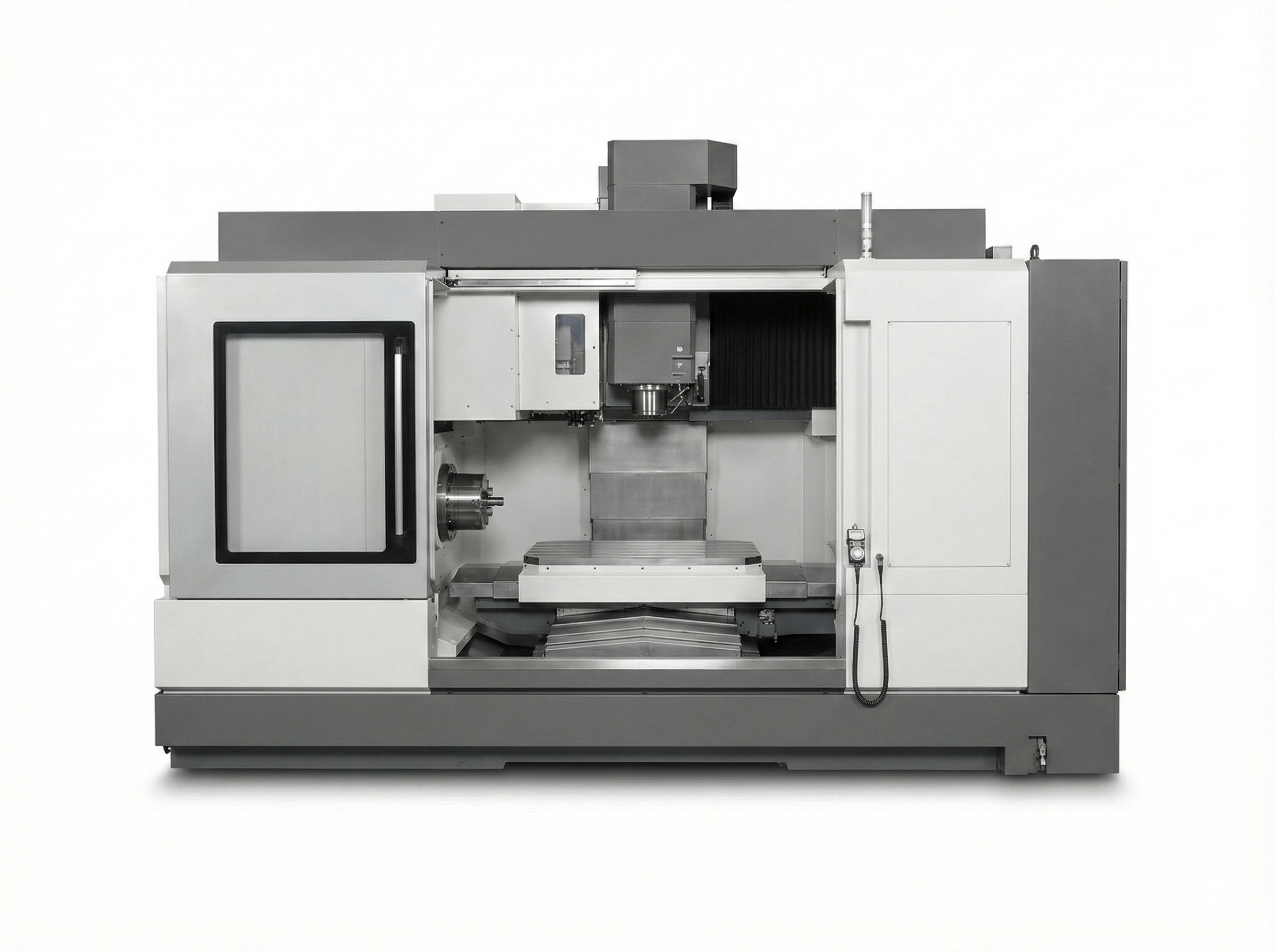
Equipment Overview
Share Link- OEM
- WILLIS MACHINERY & TOOLS
- Model
- 2060 (2080)
- Year of Manufacture
- -
- Category
- HORIZONTAL MACHINING CENTERS
Market Value Calculator
A+Technical Description
The Willis 2060 (2080) is a precision horizontal turning center designed for medium-duty machining operations. This 2-axis machine features a maximum spindle swing of 20 inches with a turning diameter capacity of 13.5 inches and an extended turning length of 120 inches, making it suitable for both short and long workpiece configurations. The unit is equipped with a single main spindle offering dual performance ratings: 10 HP at 1,600 RPM standard, with an optional 12 HP at 1,800 RPM configuration for increased productivity. The 3.125-inch spindle bore accommodates standard tooling, while the 8-inch chuck diameter provides secure workholding for general turning applications. The machine utilizes a slide-type primary tool carrier with single-point cutting capability, limiting simultaneous tool engagement to one cutting tool at a time. Travel specifications include 5.25 inches on the X-axis and 10.5 inches on the Z-axis, providing adequate cross-slide and longitudinal movement for precision turning operations. Standard equipment includes low-voltage controls, coolant system, a 4-way toolpost, and feed rod overload protection. The machine operates at spindle speeds ranging from 20 to 1,600 RPM across 16 steps, enabling optimization for various material types and cutting conditions. With a robust construction weighing approximately 5,511 pounds and dimensions of 116 by 44 by 70 inches, this geared-head engine lathe delivers reliable performance for job shop and production turning environments.
Technical Attributes
- X-Axis Travel
- 5.25 ''
- # of Axes
- 2.00
- Z-Axis Travel
- 10.50 ''
- Spindle Power
- 10.00 HP
- Max Spindle Speed
- 1,600.00
Data Accuracy and Verification
Specifications and technical details are compiled from manufacturer documentation, historical records, and third-party industry sources. While care is taken to ensure accuracy, this information is provided for reference purposes only and may contain errors or omissions. Users should independently verify all details before relying on them.
If you identify any inaccuracies, please help us improve our data by reporting them here.