Buy Now
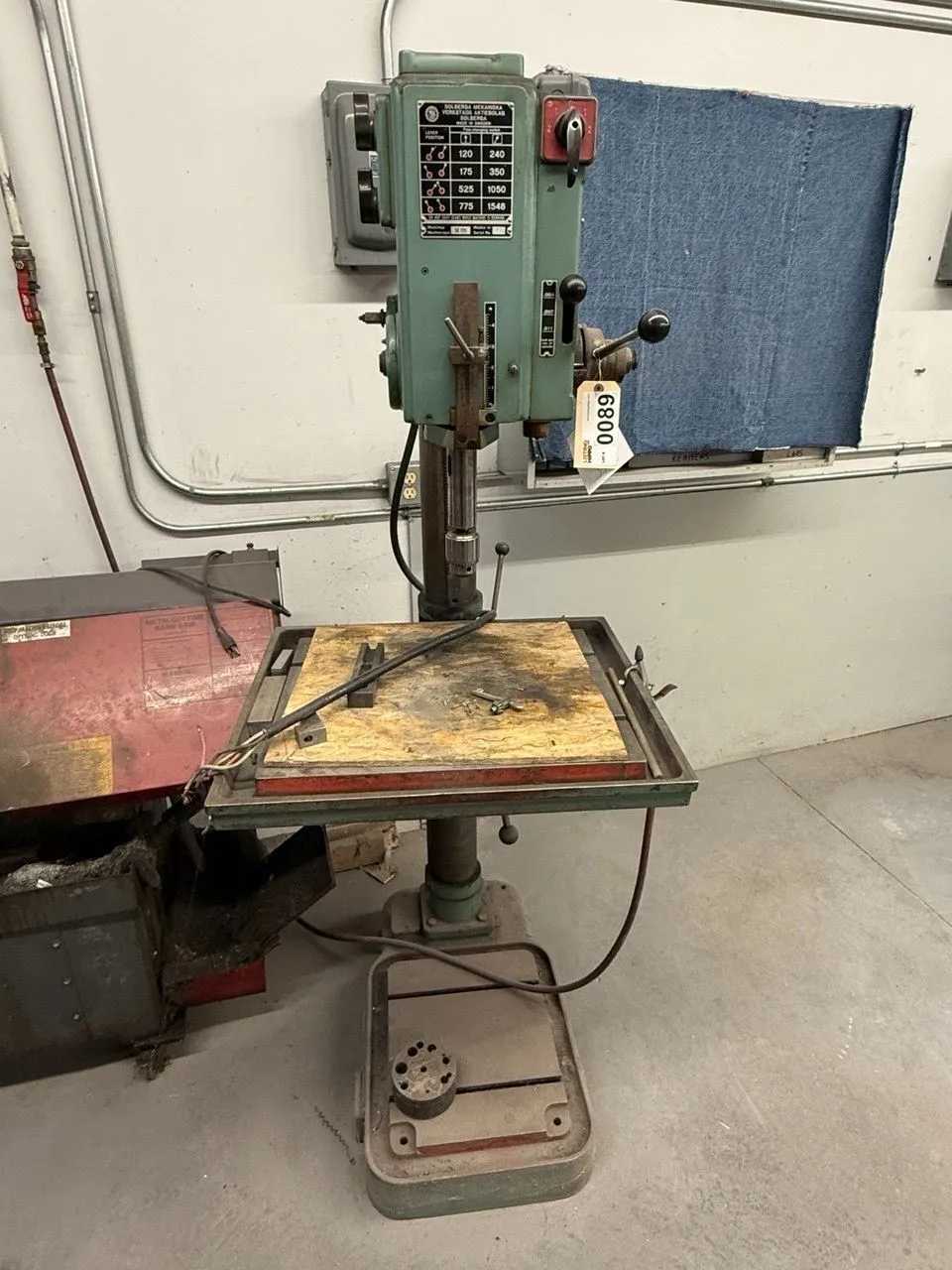
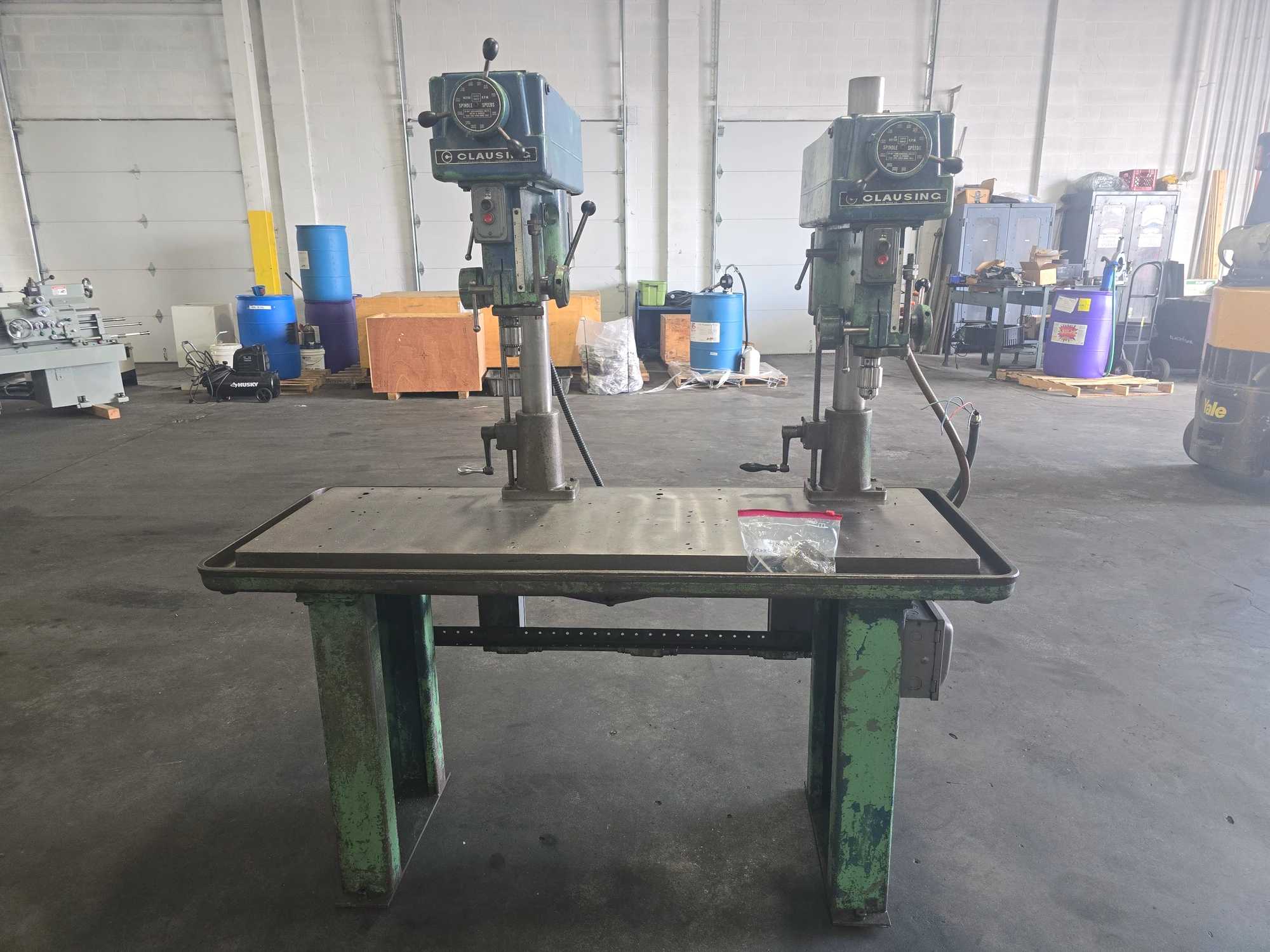
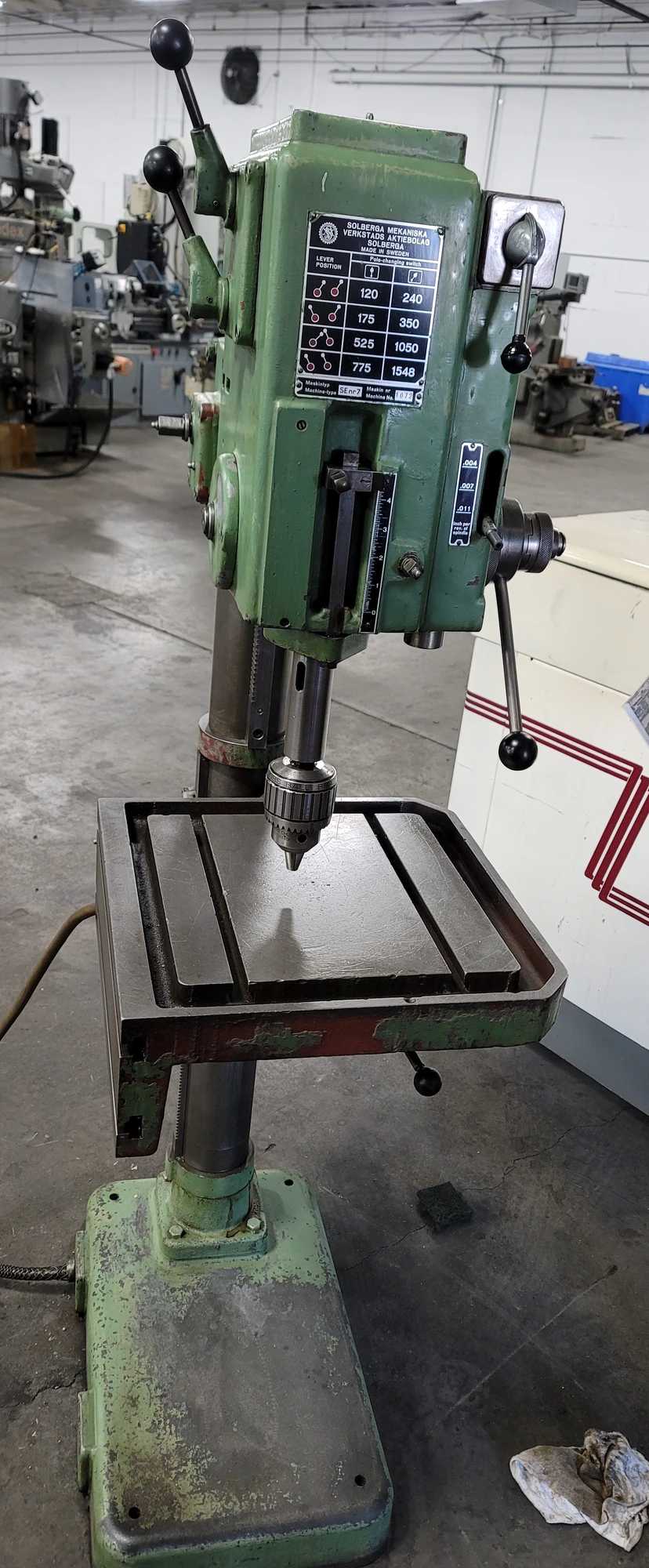
SOLBERGA 22" GEARED HEAD DRILL PRESS MODEL SE NR7
$2,450
$41/moKentucky
Specifications & Market Value
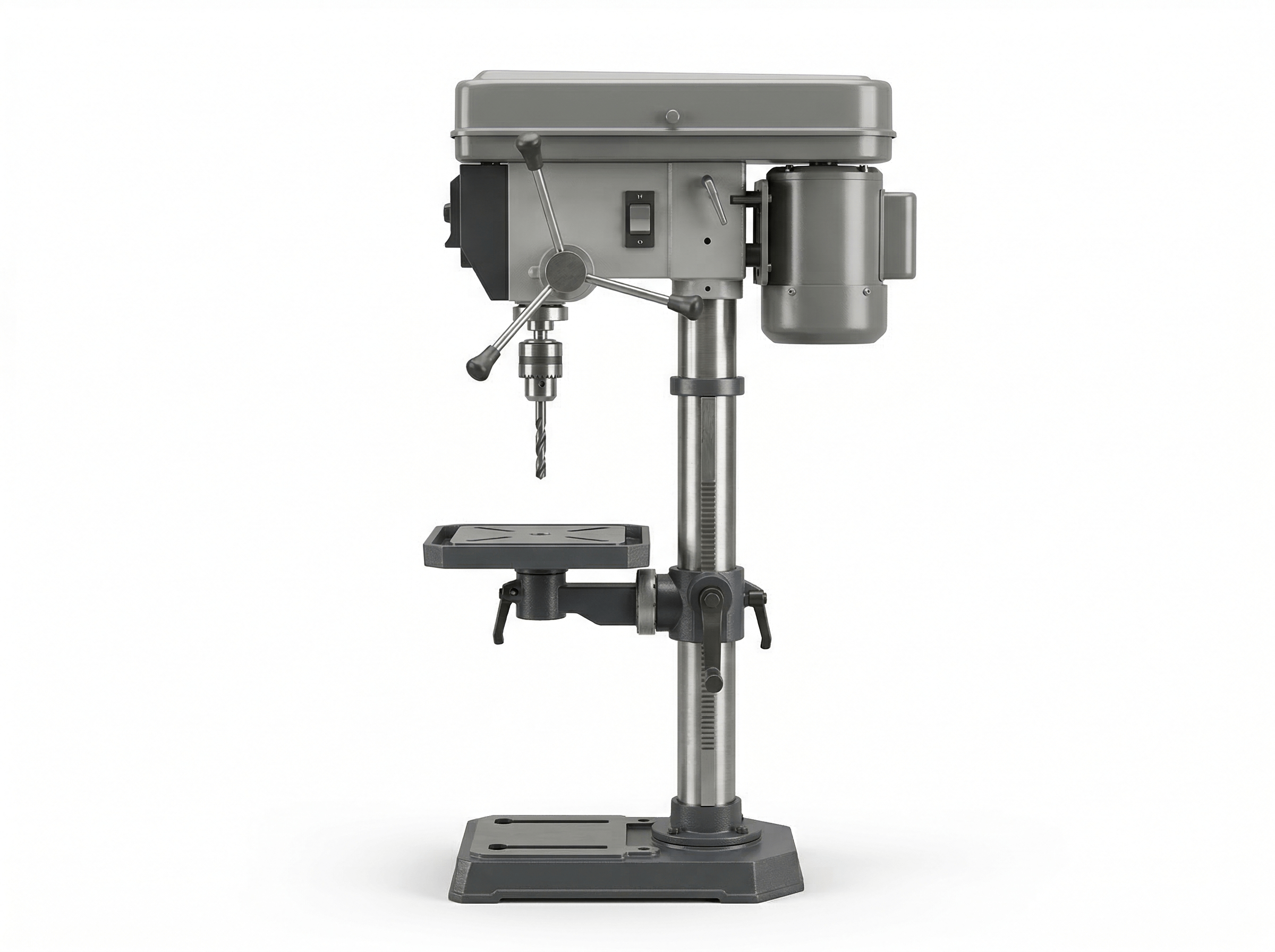
 Reference image
The WIS-MATIC DM-212 Upright Drill Press is a robust industrial drilling machine powered by a 2.2 kW (approximately 3 HP) motor capable of delivering 1,210 RPM. Designed for heavy-duty drilling tasks, this drill press provides consistent rotational speed suitable for various materials, emphasizing precision and power. Its upright design allows for stable mounting, enabling high accuracy in hole placement and depth control. The machine's power rating ensures it can handle medium to heavy drilling applications efficiently. The 1,210 RPM speed is optimized for a balance of torque and cutting speed, making it appropriate for metalworking and woodworking tasks where moderate spindle speeds are required. The DM-212 is engineered for reliability in repetitive operations, offering steady performance under continuous use. Its structural build supports durability and vibration control, which enhances machining accuracy and prolongs tool and spindle life. Though details on stroke length, spindle travel, or table dimensions are not specified here, the fundamental specs position the WIS-MATIC DM-212 as a reliable solution for shops requiring a powerful upright drill press with a capable motor and steady rpm for versatile drilling operations. This combination of power and speed makes it suitable for industrial or fabrication environments where precision drilling in a rigid, upright form factor is essential.
Specifications, market trends, and valuation estimates are compiled from manufacturer documentation, historical sales, and industry sources. While care is taken to ensure accuracy, this information is provided for reference purposes only and may contain errors or omissions. Users should independently verify all data before making buying or selling decisions. Valuations do not represent guaranteed transaction prices or binding offers, and Aucto assumes no liability for decisions made using this data.
Spot an error or missing detail? Help us keep our equipment guides accurate for the community.

 A+
A+ Auction Value
$1,485
 Range$250 – $2,150
 Sells in ~ 30 days
 Retail Value
—
Sells in ~ 180 days
Item functions as originally intended, shows signs of normal wear. Change the condition to see how it moves both values.
| Attribute | SelectedWIS-MATIC DM-212 UPRIGHT DRILL PRESS | WDDM DP20013B(E813B) UPRIGHT DRILL PRESS | |
|---|---|---|---|
| OEM | WIS-MATIC | WDDM | |
| Model | DM-212 | DP20013B(E813B) | |
| Year | - | - | |
| Spindle Power | 2.95 HP | 0.134 HP | |
| Max Spindle Speed | 1210 RPM | 2580 RPM | |
| Similarity | — | 97% | |
| Auction Value$250 - $2,150Retail Value— | Auction Value$50 - $269Retail Value— | |
| Current Machine | View Details |
Marketplace