Buy Now
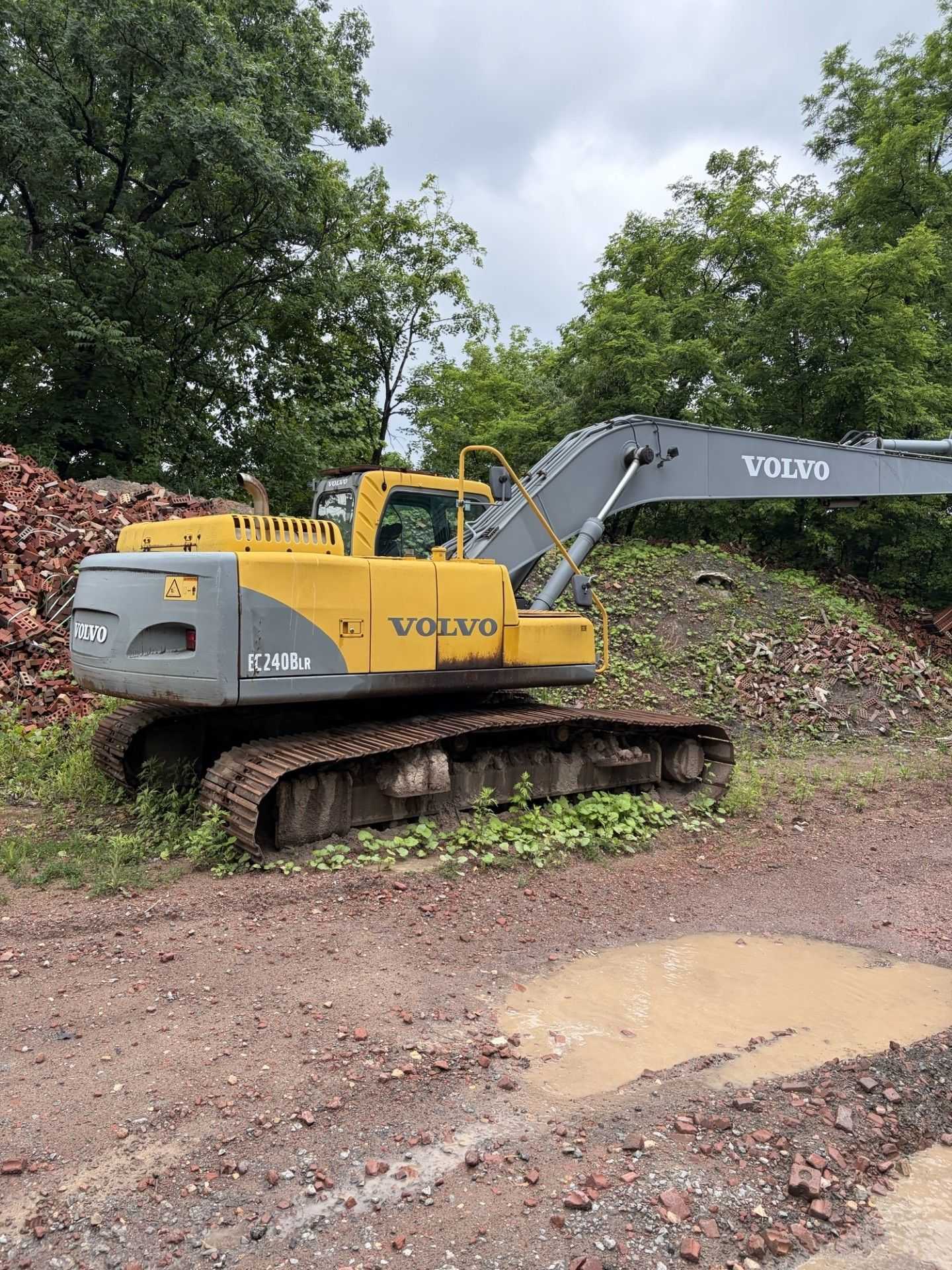
2004 Volvo EC240BLR Long Reach Crawler Excavator, 180HP, 60 ft Reach, Bucket Included
$62,894
$1,042/moPennsylvania
Specifications & Market Value
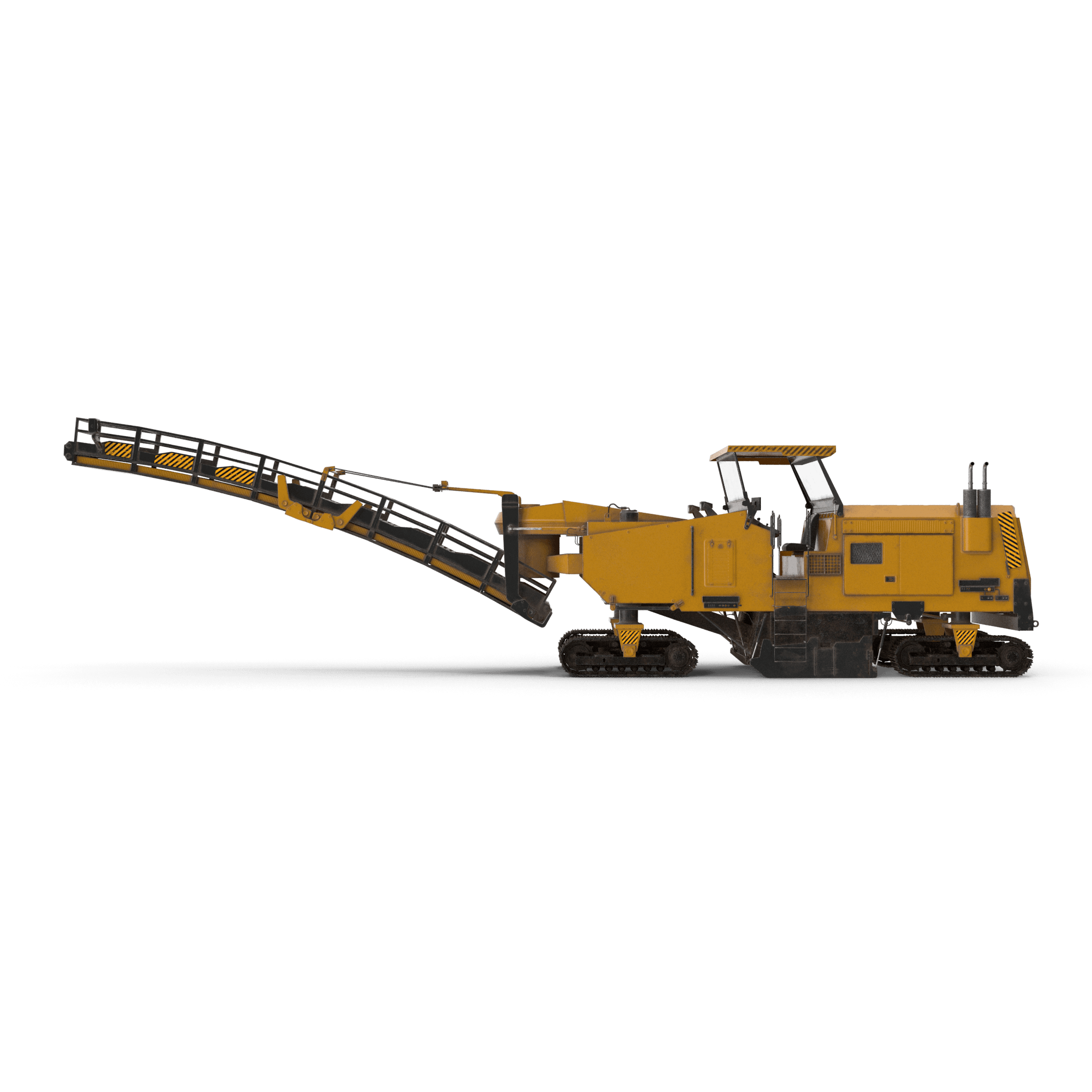
 Reference image
The YTO LGU2124 Static Smooth Drum Roller is a robust compaction machine designed for heavy-duty road construction and industrial applications. It features a large front drum with a diameter of 7.6 ft, providing effective compaction over wide surfaces. The machine's ground clearance is 1.4 ft, and it stands 10.2 ft tall to the top of the ROPS/FOPS for operator safety. It has an overall length of approximately 18.8 ft, width of 7.6 ft, and an 11 ft wheelbase, offering stability and maneuverability with a turning radius of 22.3 ft. Powered by a YTO LRC6105 diesel engine, the roller delivers a gross power output of 120.7 hp (89 kW), ensuring sufficient performance for demanding tasks. Its high static linear loads—5655.8 pounds/inch on the drive drum and 6719.7 pounds/inch on the guide drum—enable deep and uniform soil compaction. The roller's operating weight varies from 46,297 lbs standard to a maximum ballast weight of 52,911 lbs, optimizing compaction force depending on site requirements. This model is suited for compacting non-cohesive materials such as gravel, sand, crushed stone, and various soil substrates in construction of highways, airports, dams, and other large-scale infrastructure projects. The YTO LGU2124's design balances power, durability, and operator safety, making it a reliable choice for static smooth drum rolling applications in diverse environments.
Specifications, market trends, and valuation estimates are compiled from manufacturer documentation, historical sales, and industry sources. While care is taken to ensure accuracy, this information is provided for reference purposes only and may contain errors or omissions. Users should independently verify all data before making buying or selling decisions. Valuations do not represent guaranteed transaction prices or binding offers, and Aucto assumes no liability for decisions made using this data.
Spot an error or missing detail? Help us keep our equipment guides accurate for the community.

 A+
A+ Auction Value
$33,335
 Range$10,000 – $45,900
 Sells in ~ 30 days
 Retail Value
—
Sells in ~ 180 days
Item functions as originally intended, shows signs of normal wear. Change the condition to see how it moves both values.
Marketplace

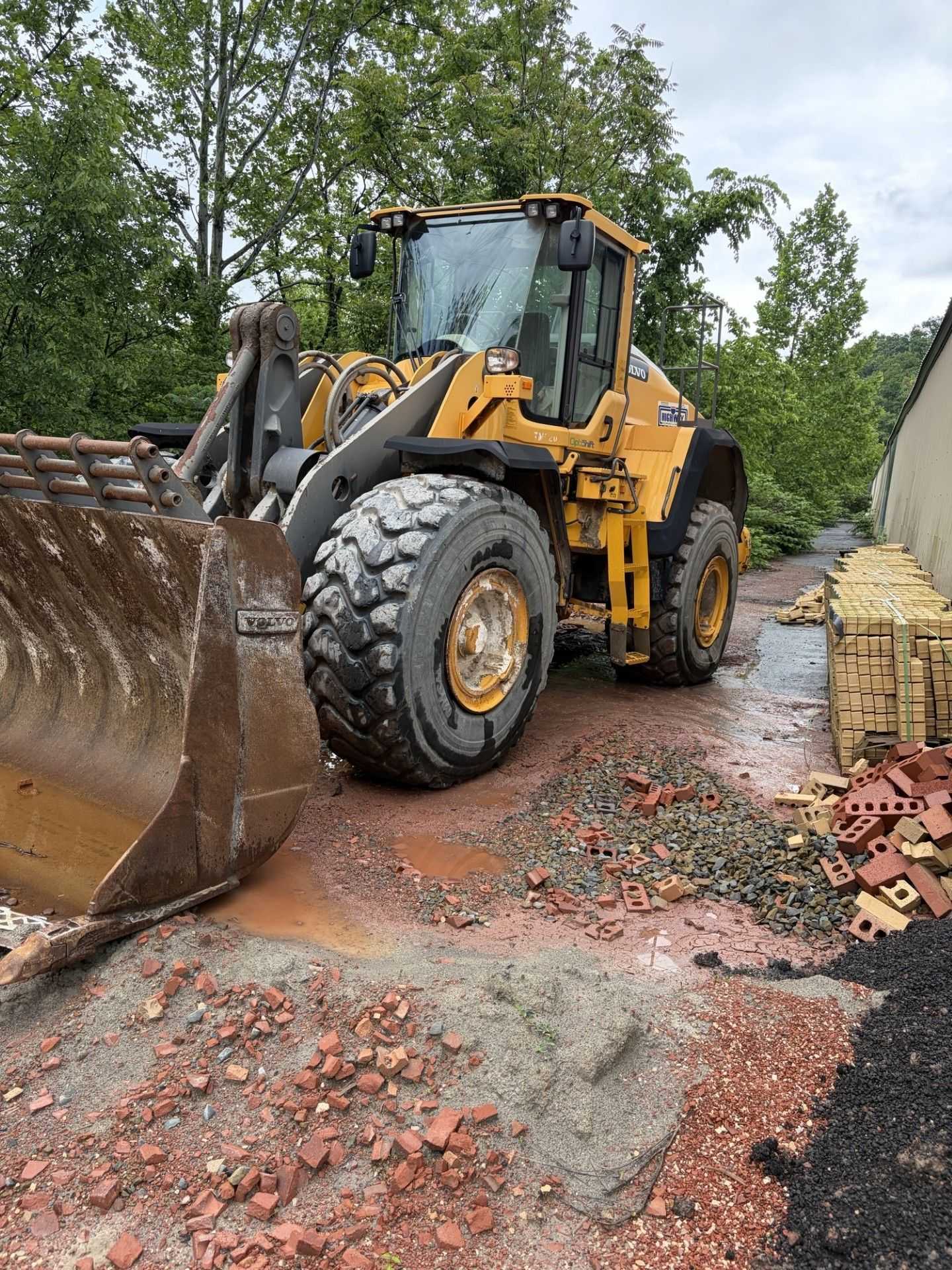
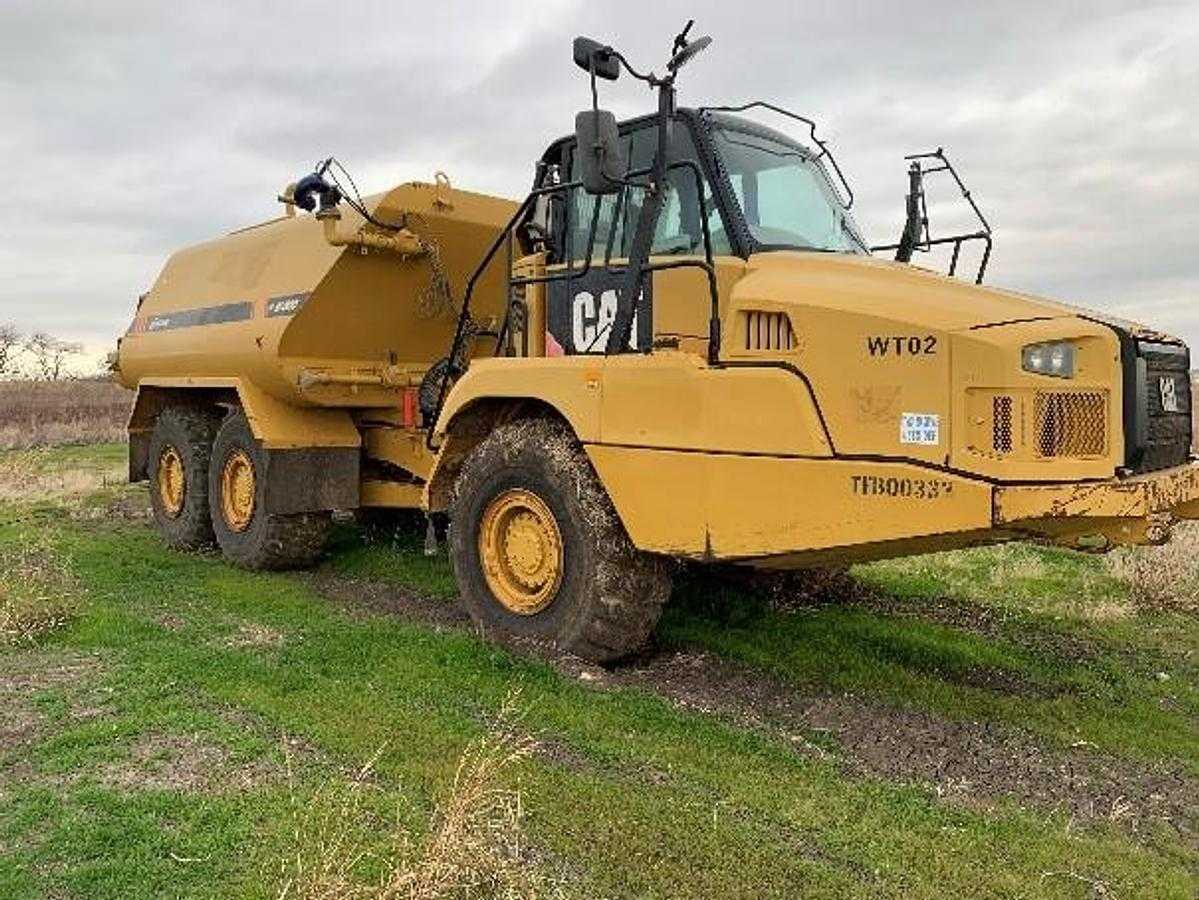
| Attribute | SelectedYTO LGU2124 STATIC SMOOTH DRUM ROLLER | YTO LSS218A STATIC SMOOTH DRUM ROLLER | |
|---|---|---|---|
| OEM | YTO | YTO | |
| Model | LGU2124 | LSS218A | |
| Year | - | - | |
| Drum Width | 19 '' | 84 '' | |
| Similarity | — | 99% | |
| Auction Value$10,000 - $45,900Retail Value— | Auction Value$5,000 - $25,000Retail Value— | |
| Current Machine | View Details |