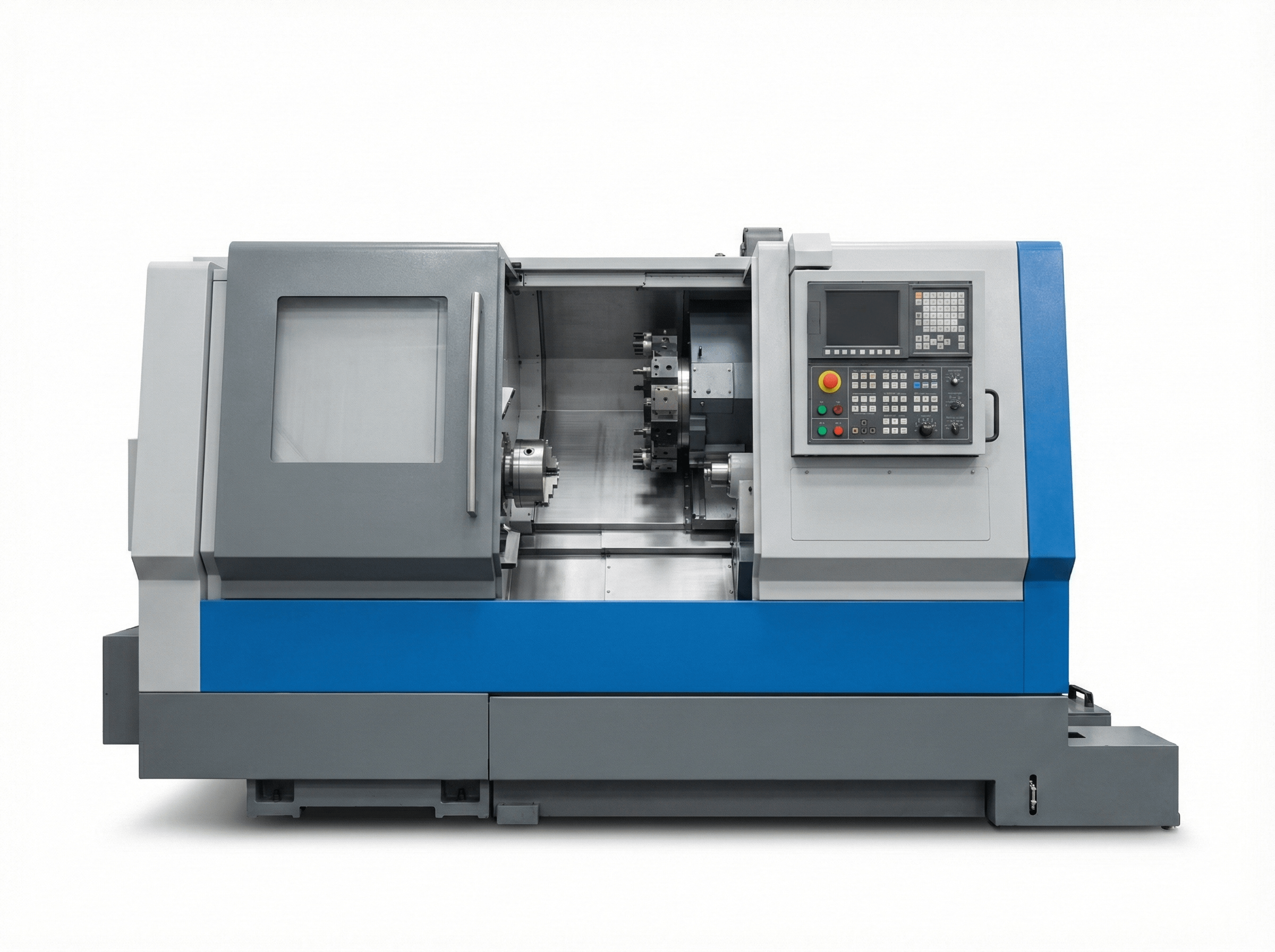
FOLLOW CNC620-3000 CNC LATHE
FOLLOW · CNC620-3000
Specifications & Market Value
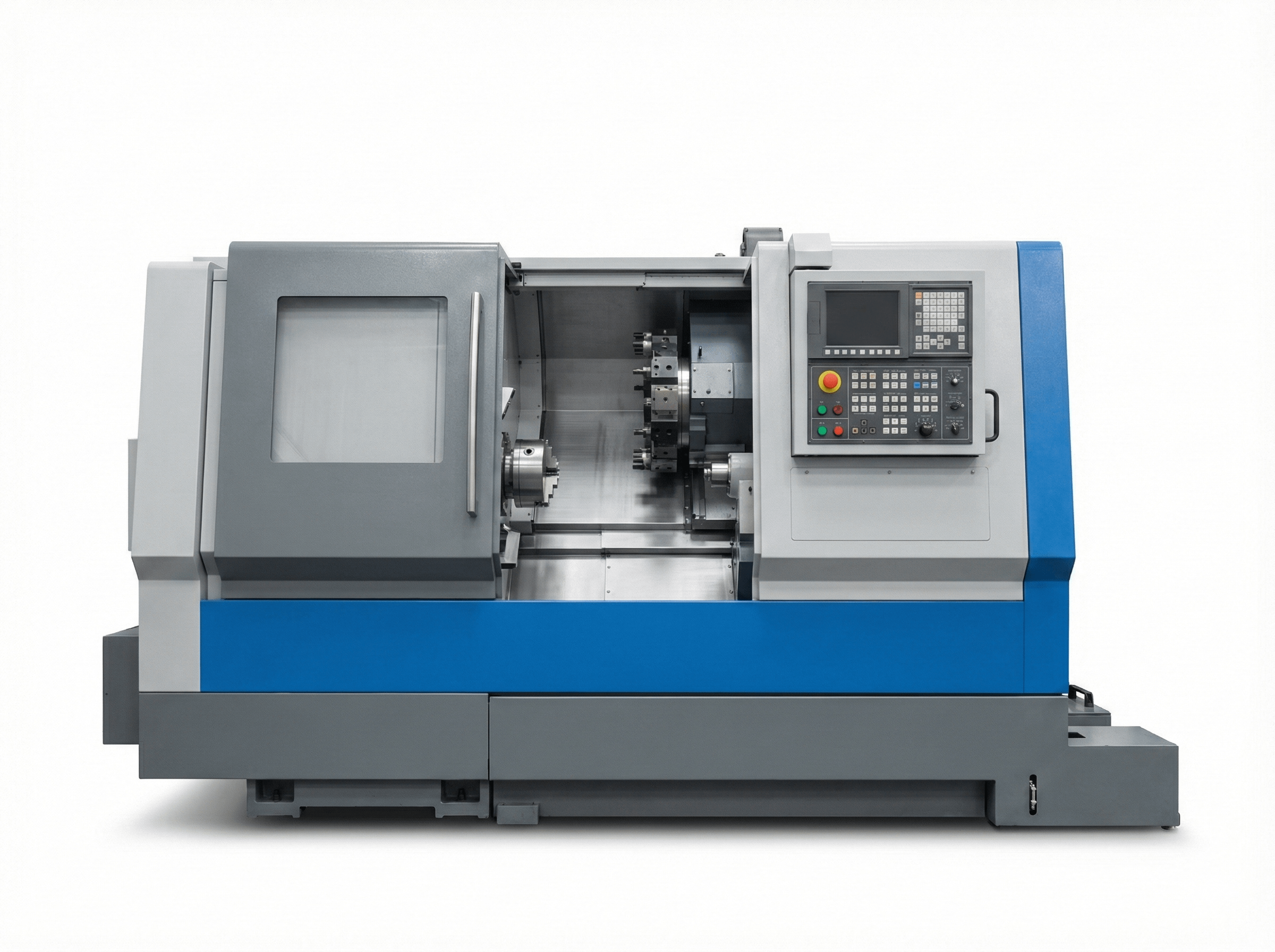
 Reference image
The AMERA SEIKI S-100 is a robust horizontal machining center engineered for heavy-duty turning and milling operations. This machine features a single main spindle with a 400 RPM operating speed and 60 HP output, delivering substantial torque for demanding applications. The spindle accommodates workpieces up to 74.8 inches in turning diameter with a maximum turning length of 78 inches, while supporting bar stock diameters up to 6.5 inches through a 30-inch chuck. The spindle's 94.49-inch maximum swing provides substantial clearance for complex geometries and part handling. The machine operates on a two-axis configuration with generous travel dimensions: 47.24 inches on the X-axis and 78.7 inches on the Z-axis, enabling machining of large, complex components. All three axes feature rapid traverse rates of 590 inches per minute, optimizing cycle times for production efficiency. The primary tool carrier utilizes a turret design with capacity for up to four turning tools and four rotary tools, though only one tool executes cutting operations simultaneously. This configuration allows sequential tool engagement for multi-operation workpiece processing. The S-100's substantial spindle horsepower and low-speed, high-torque characteristics make it particularly suitable for large-diameter components, heavy interrupted cuts, and applications requiring significant cutting forces. The machine's rigid construction and powerful spindle capabilities position it for use in aerospace, automotive, and heavy industrial manufacturing environments where precision large-part machining is essential.
Specifications, market trends, and valuation estimates are compiled from manufacturer documentation, historical sales, and industry sources. While care is taken to ensure accuracy, this information is provided for reference purposes only and may contain errors or omissions. Users should independently verify all data before making buying or selling decisions. Valuations do not represent guaranteed transaction prices or binding offers, and Aucto assumes no liability for decisions made using this data.
Spot an error or missing detail? Help us keep our equipment guides accurate for the community.

 A+
A+ Auction Value
$129,000
 Range$25,000 – $185,000
 Sells in ~ 30 days
 Retail Value
—
Sells in ~ 180 days
Item functions as originally intended, shows signs of normal wear. Change the condition to see how it moves both values.
Market Intelligence
FOLLOW · CNC620-3000
FOLLOW · CNC620-1500
HWACHEON · VT 450 2SP
JINAN FIRST · MJ-630MC/1335
PINACHO · ST-285/3000
JINAN FIRST · MJ-630MC/635
WEILER · E60/2000
OMG · CNC 300