Buy Now
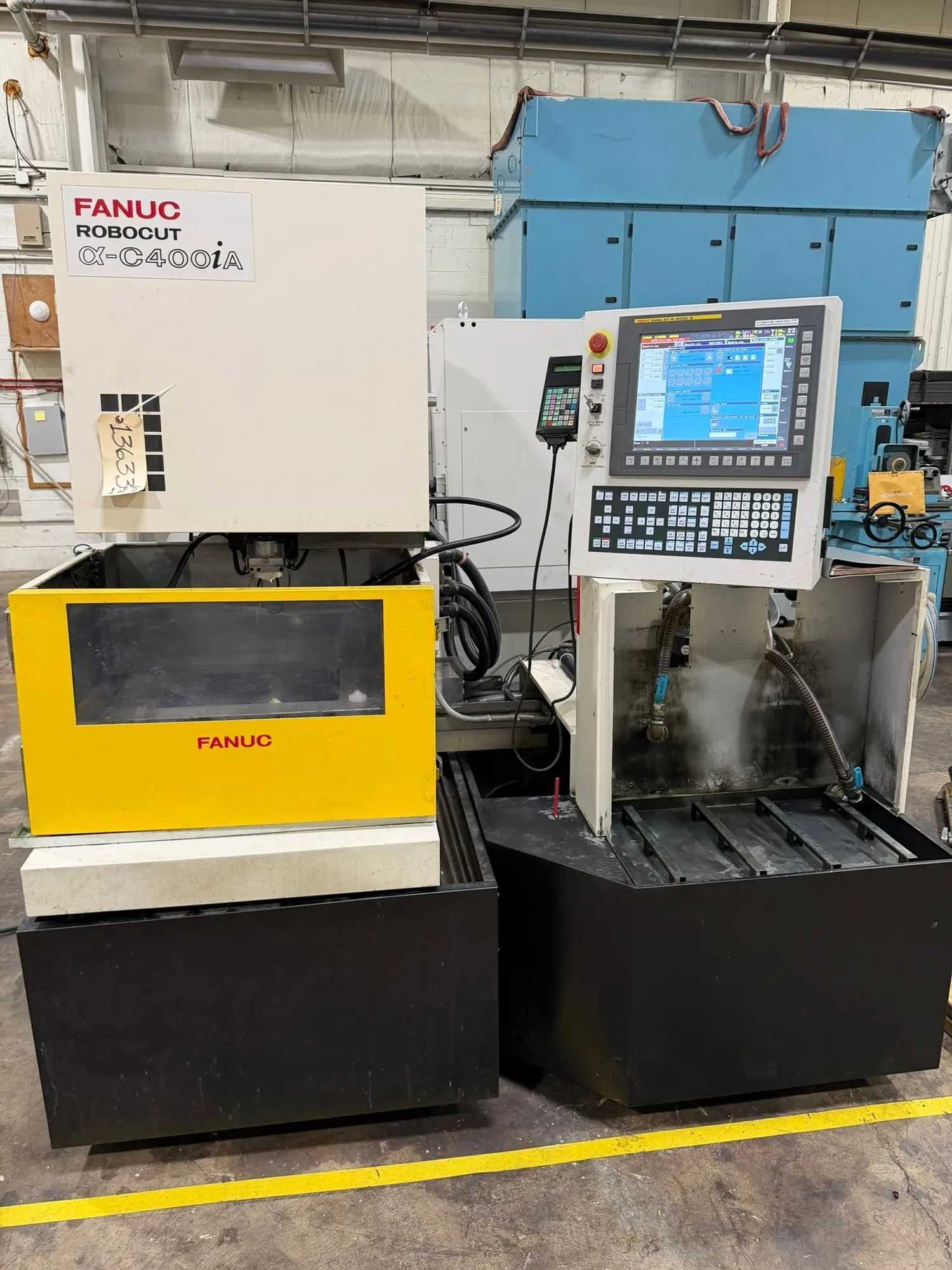
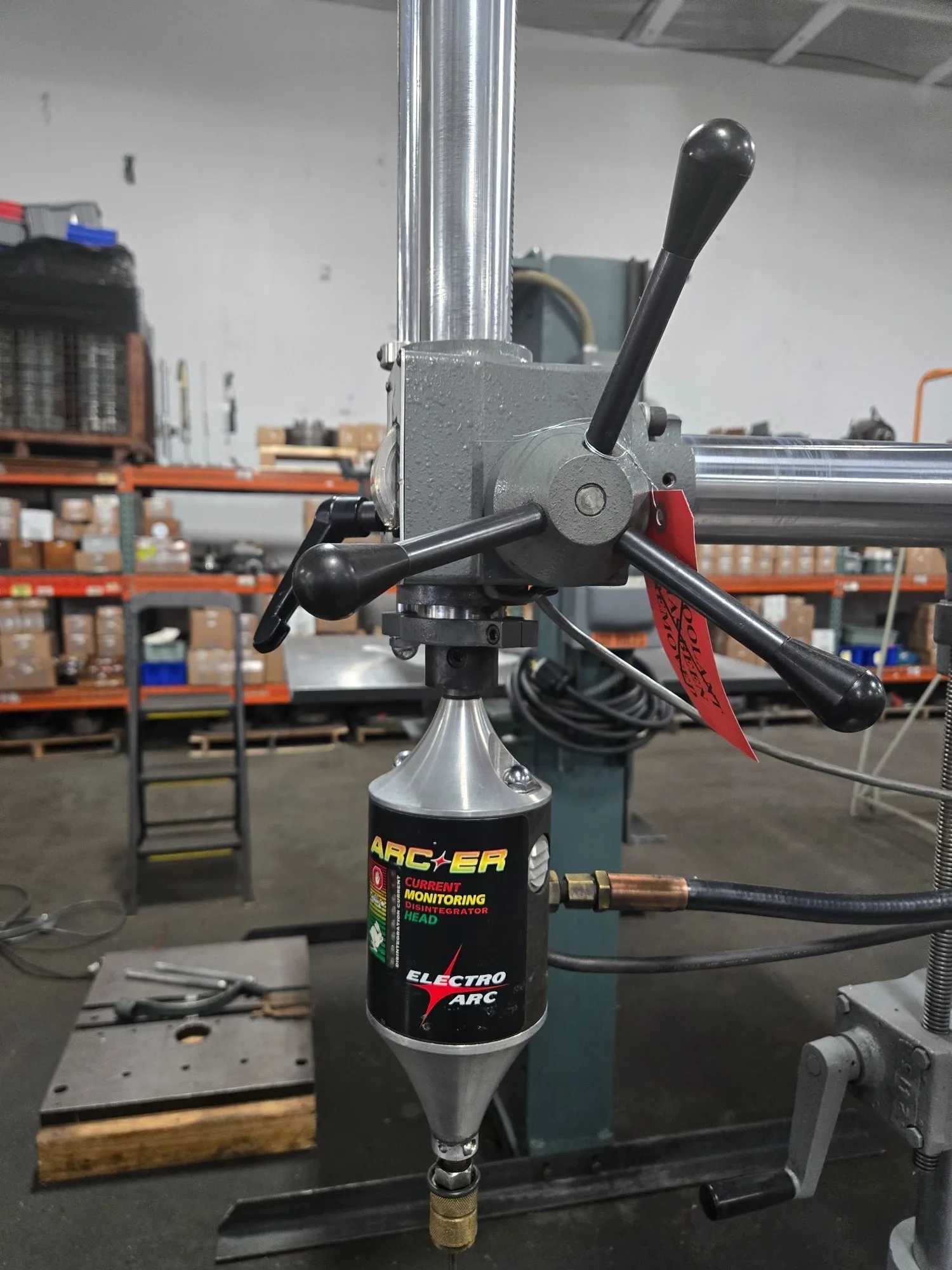
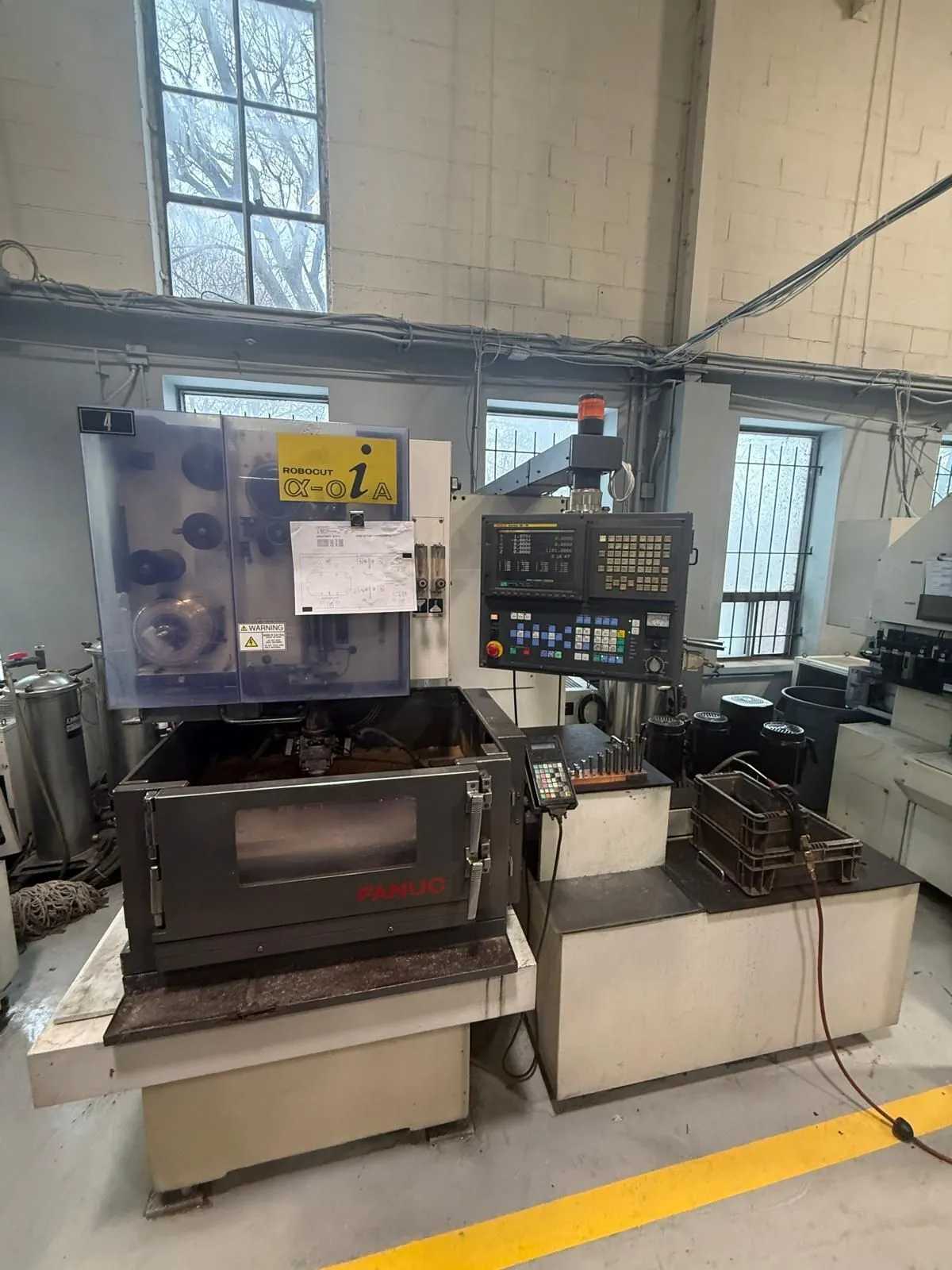
2000 FANUC Robocut ALPHA-0iA CNC Wire-Cut EDM, 320X220X180MM Travel, 500kg Max Load
$35,000
$580/moOntario
Specifications & Market Value
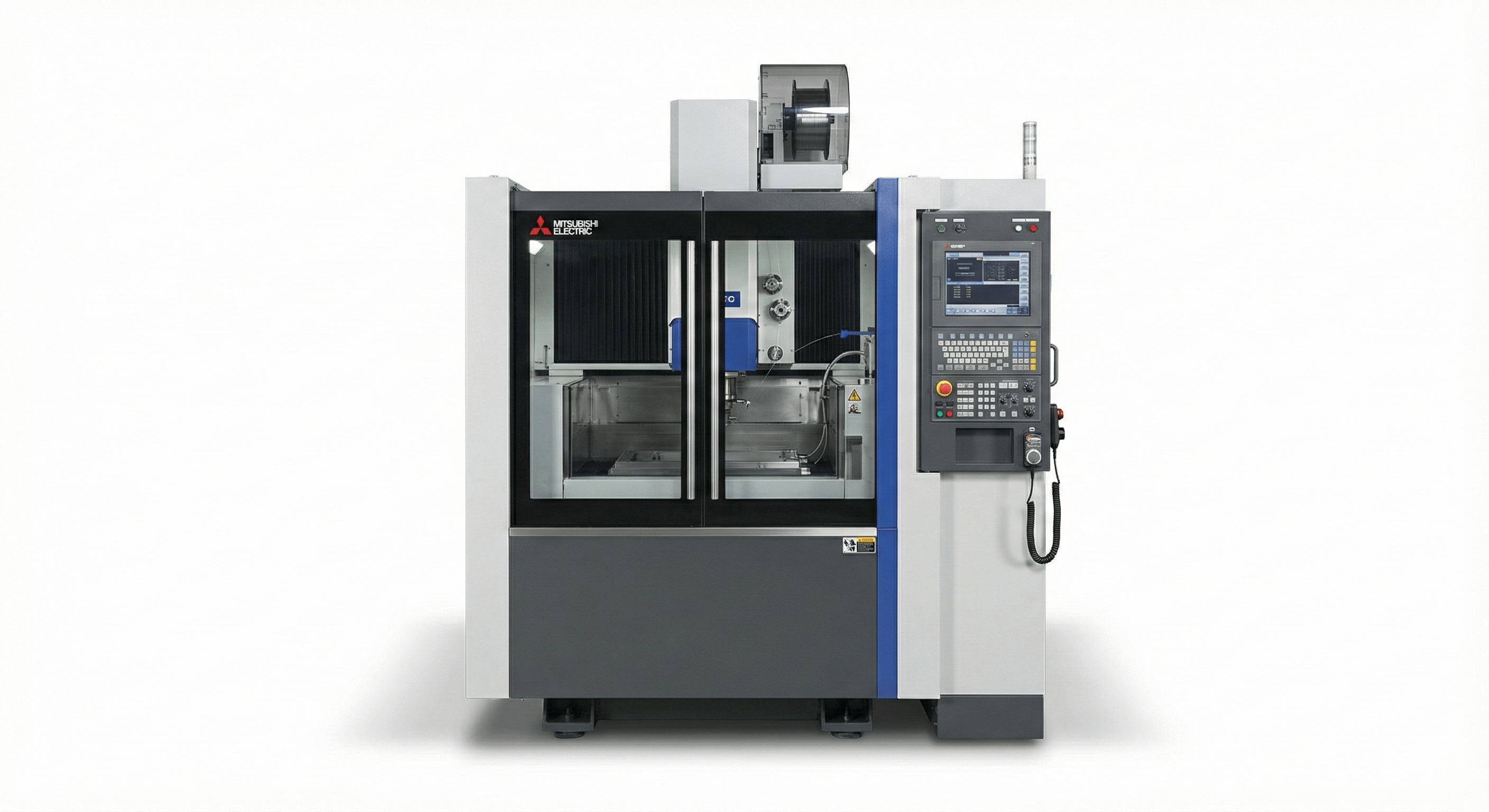
 Reference image
The CONCORD DK-7763 Wire EDM Machine is a high-precision computer numerical control (CNC) system designed for precision machining of conductive materials including hardened steel, carbide, and titanium alloys. This robust wire electrical discharge machining (WEDM) tool features a heavy-duty construction weighing 9,921 lbs, supported by a stable T-shaped bed and dual-column layout that ensures consistent accuracy during complex contour operations. The machine accommodates workpieces up to 500mm in thickness with a maximum taper angle of ±6°/80mm, expandable to ±15°, ±30°, or ±45° upon request. Its worktable dimensions span 24.8 inches (X-axis) by 31.5 inches (Y-axis), providing ample machining range for medium to large components. The CNC control system enables automatic operation with programmable cutting parameters and supports multiple wire diameters ranging from 0.12mm to 0.20mm. Maximum cutting speeds exceed 120mm²/min with achievable surface finishes of approximately 2.5 micrometers Ra, delivering superior precision for intricate part geometries. The machine operates on standard three-phase power (380V or customizable voltage) with 1.5KW consumption and utilizes water-based emulsion as the dielectric fluid. Advanced features include automatic edge finding, wire breakage detection, and integrated positioning accuracy of ±0.02mm according to GB7926-2005 standards. The system supports AutoCAD DXF format compatibility, facilitating seamless CAD-to-machine workflow integration for efficient production environments across mold making, automotive, and aerospace sectors.
Specifications, market trends, and valuation estimates are compiled from manufacturer documentation, historical sales, and industry sources. While care is taken to ensure accuracy, this information is provided for reference purposes only and may contain errors or omissions. Users should independently verify all data before making buying or selling decisions. Valuations do not represent guaranteed transaction prices or binding offers, and Aucto assumes no liability for decisions made using this data.
Spot an error or missing detail? Help us keep our equipment guides accurate for the community.

 A+
A+ Auction Value
$3,360
 Range$500 – $4,900
 Sells in ~ 30 days
 Retail Value
—
Sells in ~ 180 days
Item functions as originally intended, shows signs of normal wear. Change the condition to see how it moves both values.
| Attribute | SelectedCONCORD DK-7763 WIRE EDM MACHINE | CONCORD DK7725 WIRE EDM MACHINE | |
|---|---|---|---|
| OEM | CONCORD | CONCORD | |
| Model | DK-7763 | DK7725 | |
| Year | - | - | |
| Y-Axis Travel | 31.5 '' | 12.6 '' | |
| X-Axis Travel | 24.8 '' | 9.8 '' | |
| Control System | CNC | — | |
| Similarity | — | 99% | |
| Auction Value$500 - $4,900Retail Value— | Auction Value$1,000 - $6,800Retail Value— | |
| Current Machine | View Details |
Marketplace