Buy Now
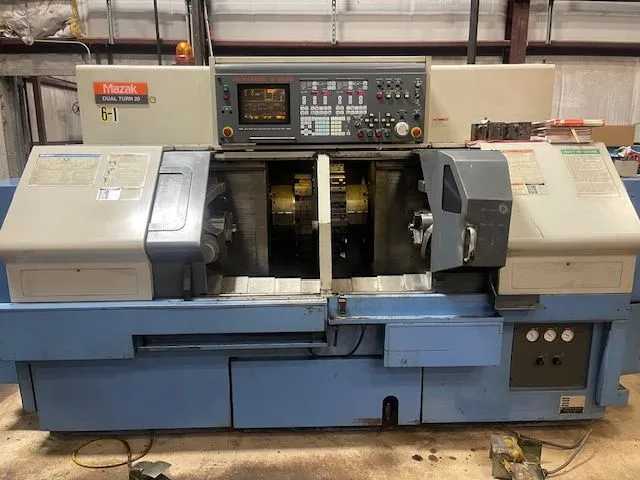
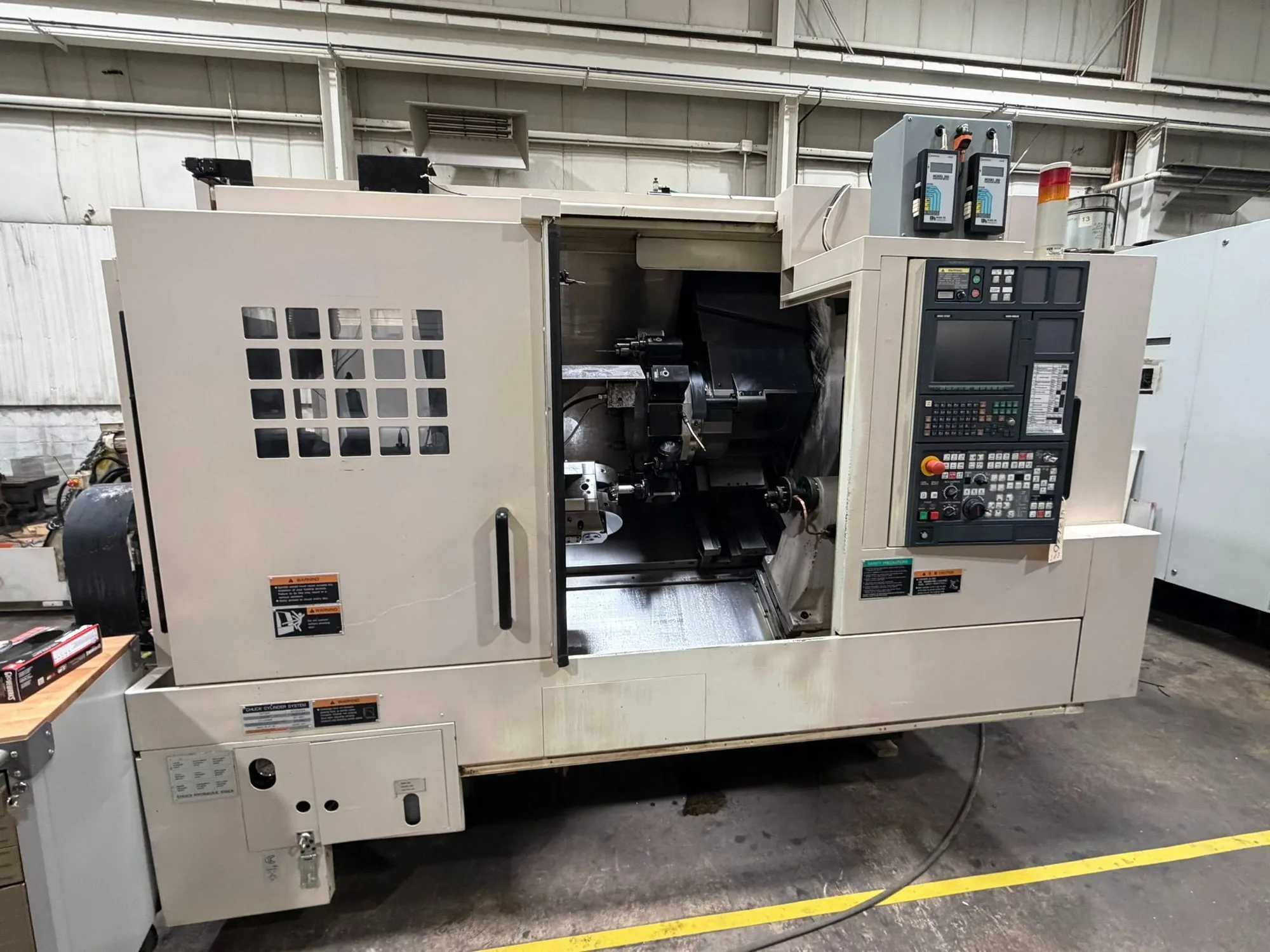
1995 Mazak Dual Turn 20 CNC Lathes, 12.6 in Turn Dia, 49.21 in Mach Len, 20 HP
$12,500
$207/moWisconsin
Specifications & Market Value
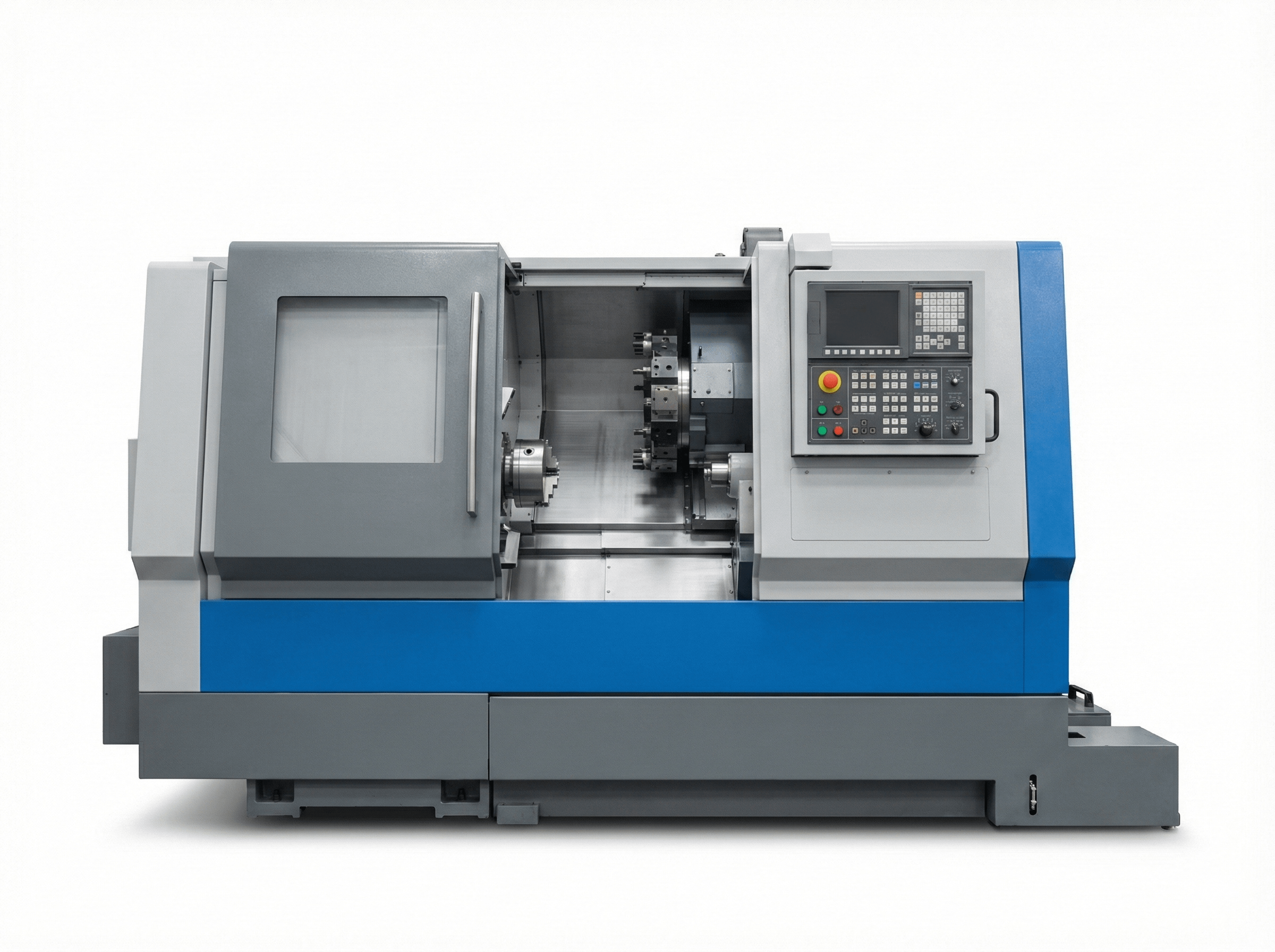
 Reference image
This is a precision CNC lathe engineered for medium-scale production and complex turning operations. The machine features an 8-inch chuck size capable of holding bar stock up to 2 inches in diameter, making it suitable for a wide range of cylindrical workpiece geometries. With a maximum turning diameter of 11 inches and a swing capacity of 17.72 inches, the lathe accommodates moderately sized components while maintaining rigid tool positioning across the cross-slide. The machining length of 23.62 inches provides substantial axial capacity for extended part production without frequent repositioning. The spindle operates at speeds up to 4,800 RPM, delivering adequate torque for both finishing and roughing operations across various material types, from aluminum to steel forgings. Controlled by a Fanuc CNC system, the machine delivers precision levels as tight as ±0.0005 inches, ensuring consistent repeatability across production runs. The computer numerical control eliminates manual handwheel operation, automating speed and distance control through servo motors for complex tool path execution. Physically, the machine measures 85.5 by 54.33 inches with a substantial working weight of 7,161 pounds, indicating a rigid cast-iron construction that minimizes vibration during demanding machining cycles. This weight and footprint classification positions the lathe as an industrial-grade tool suitable for job shops, contract manufacturers, and production facilities requiring versatile turning capabilities with high accuracy and repeatability on mid-range diameter and length workpieces.
Specifications, market trends, and valuation estimates are compiled from manufacturer documentation, historical sales, and industry sources. While care is taken to ensure accuracy, this information is provided for reference purposes only and may contain errors or omissions. Users should independently verify all data before making buying or selling decisions. Valuations do not represent guaranteed transaction prices or binding offers, and Aucto assumes no liability for decisions made using this data.
Spot an error or missing detail? Help us keep our equipment guides accurate for the community.

 A+
A+ Auction Value
$16,410
 Range$2,500 – $23,900
 Sells in ~ 30 days
 Retail Value
—
Sells in ~ 180 days
Item functions as originally intended, shows signs of normal wear. Change the condition to see how it moves both values.
Marketplace

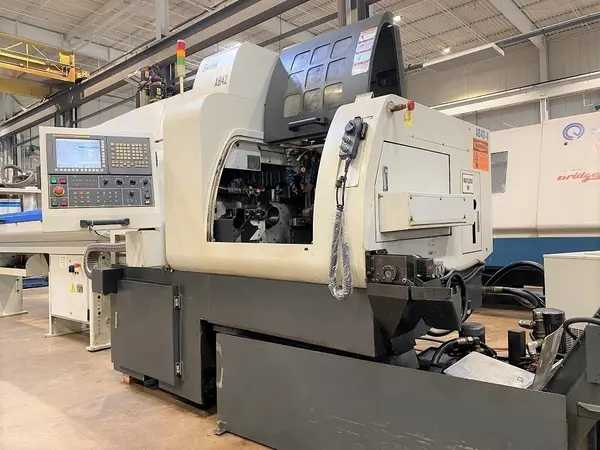
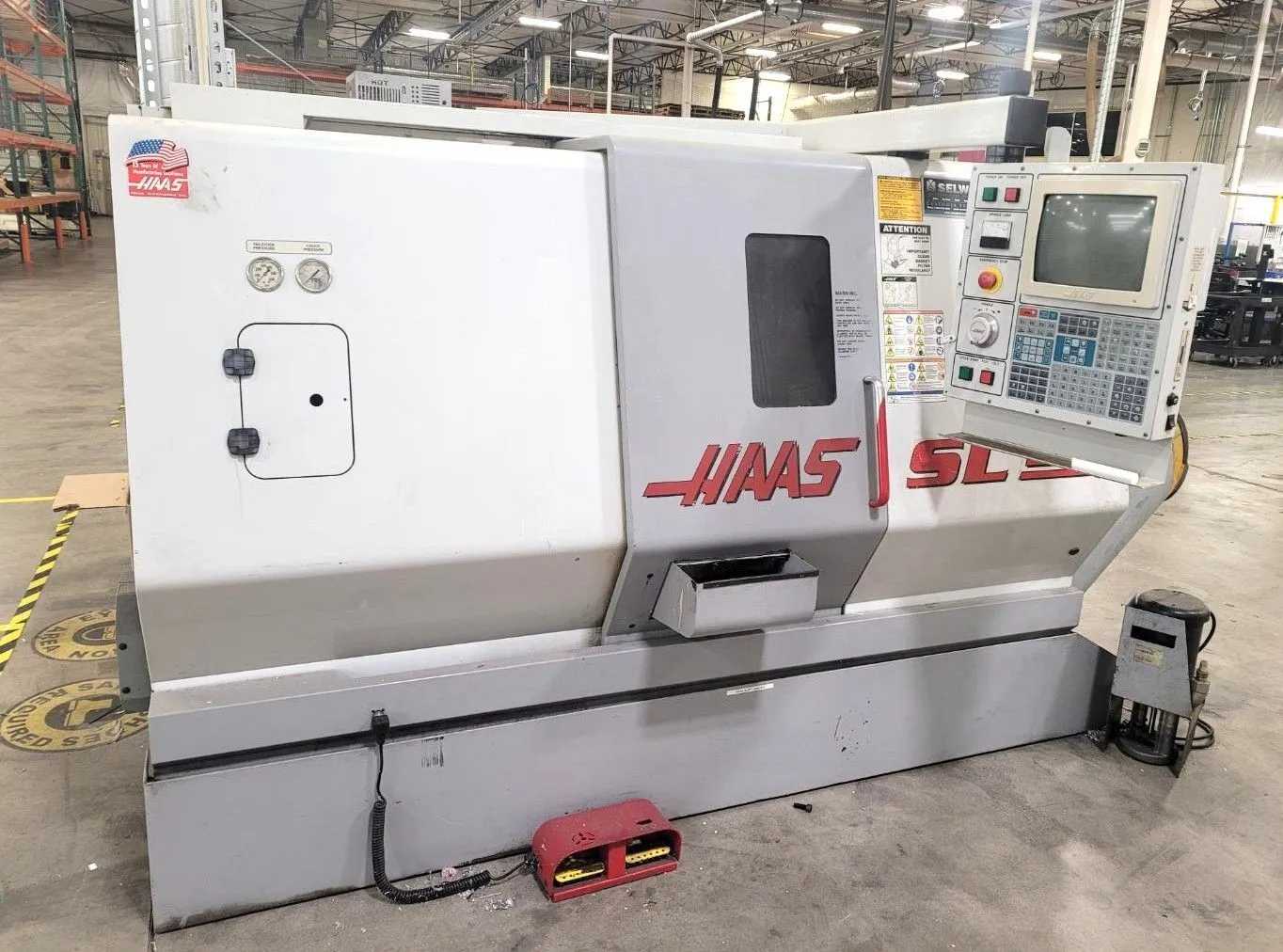
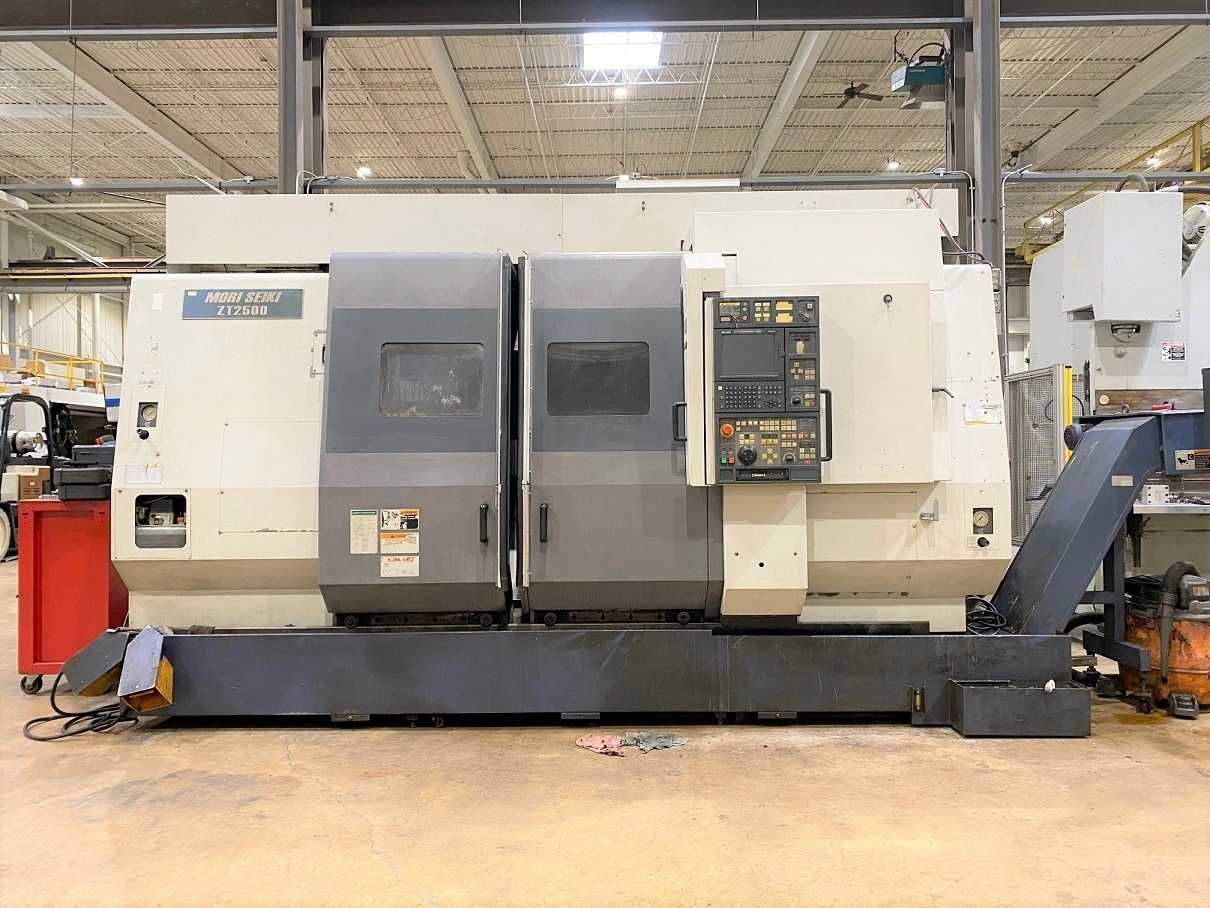
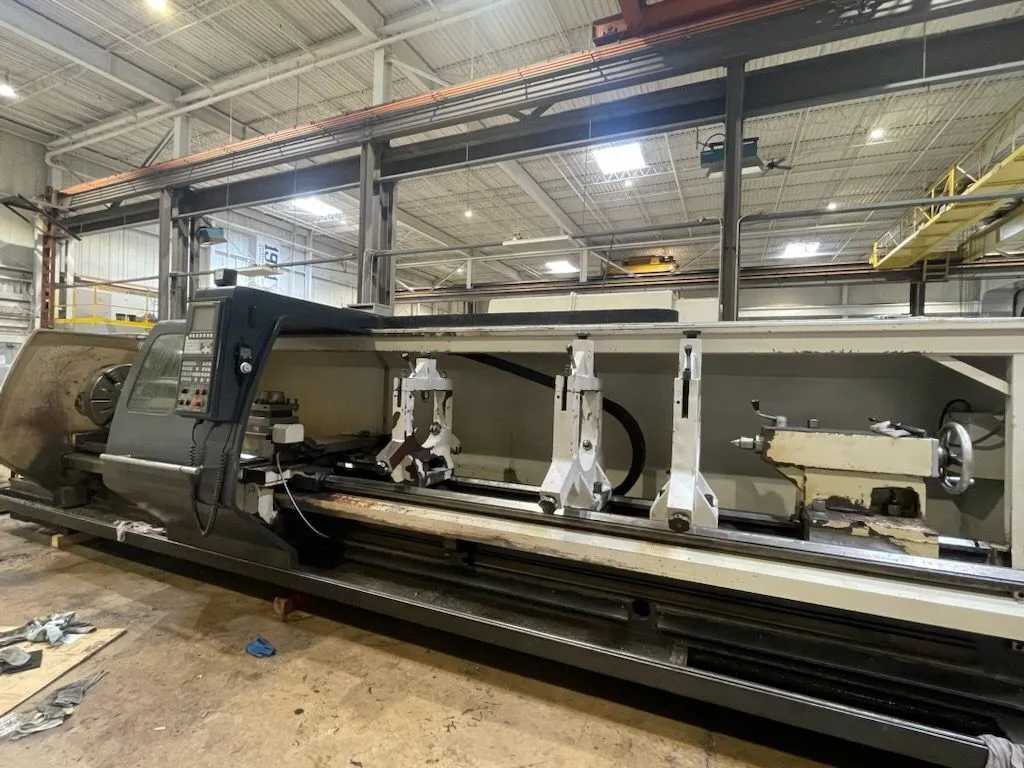
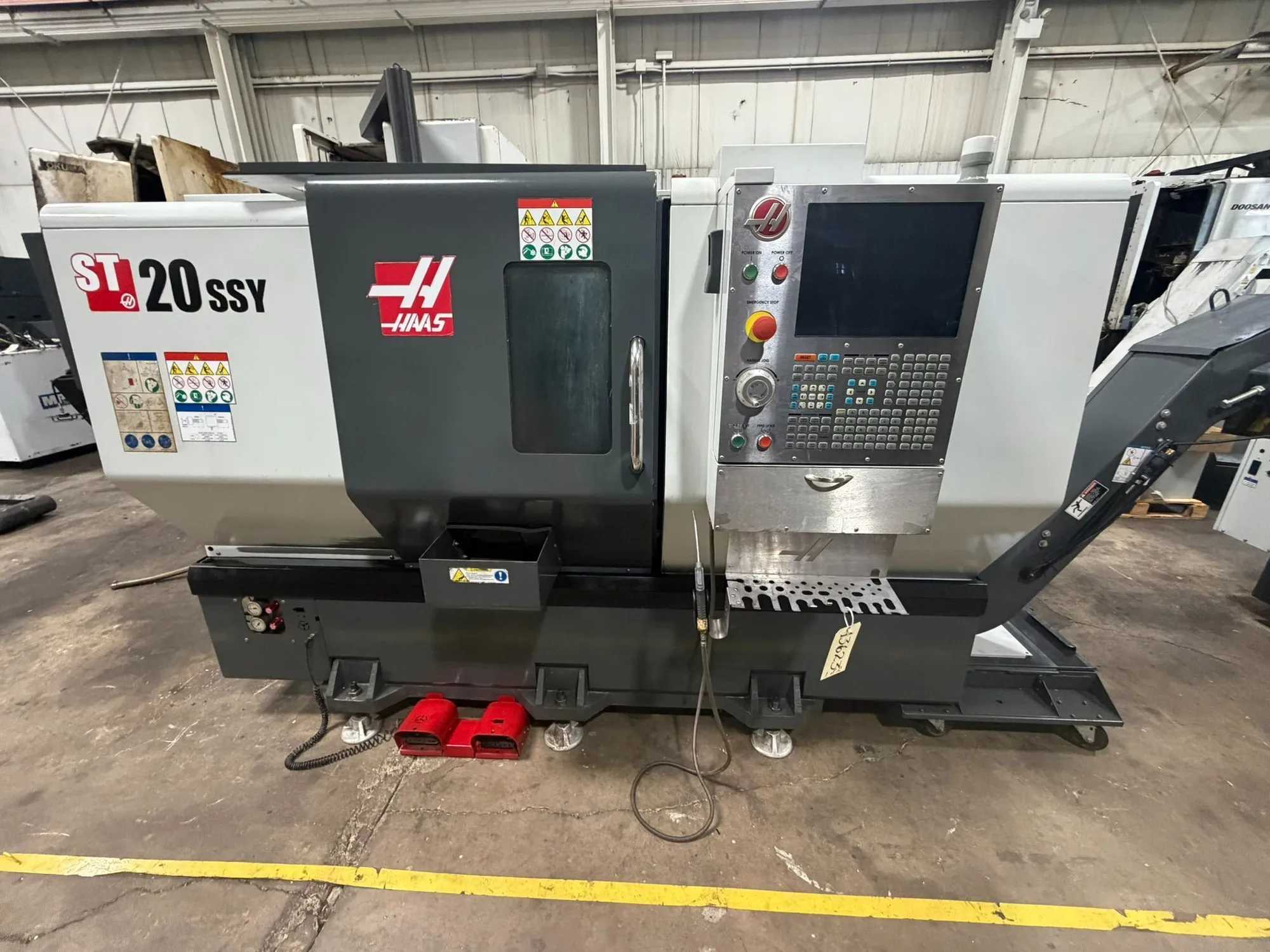
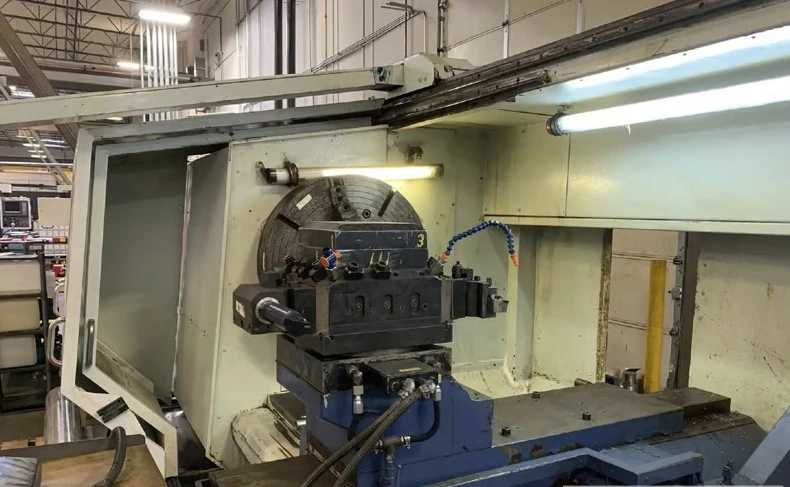
| Attribute | SelectedFEMCO HL-25 DURGA CNC LATHE | FEMCO DURGA 25E CNC LATHE | |
|---|---|---|---|
| OEM | FEMCO | FEMCO | |
| Model | HL-25 DURGA | DURGA 25E | |
| Year | - | - | |
| Z-Axis Travel | 23.62 '' | 24.80 '' | |
| Spindle Bore Diameter | 2.00 '' | 2.00 '' | |
| Max Swing | 17.72 '' | 17.70 '' | |
| Max Spindle Speed | 4800 RPM | 4800 RPM | |
| Control System | FANUC OI-TF | FANUC 0-TC | |
| X-Axis Travel | 6.96 '' | 23.60 '' | |
| Distance Between Centers | 25.50 '' | — | |
| Similarity | — | 99% | |
| Auction Value$2,500 - $23,900Retail Value— | Auction Value$2,500 - $16,900Retail Value— | |
| Current Machine | View Details |