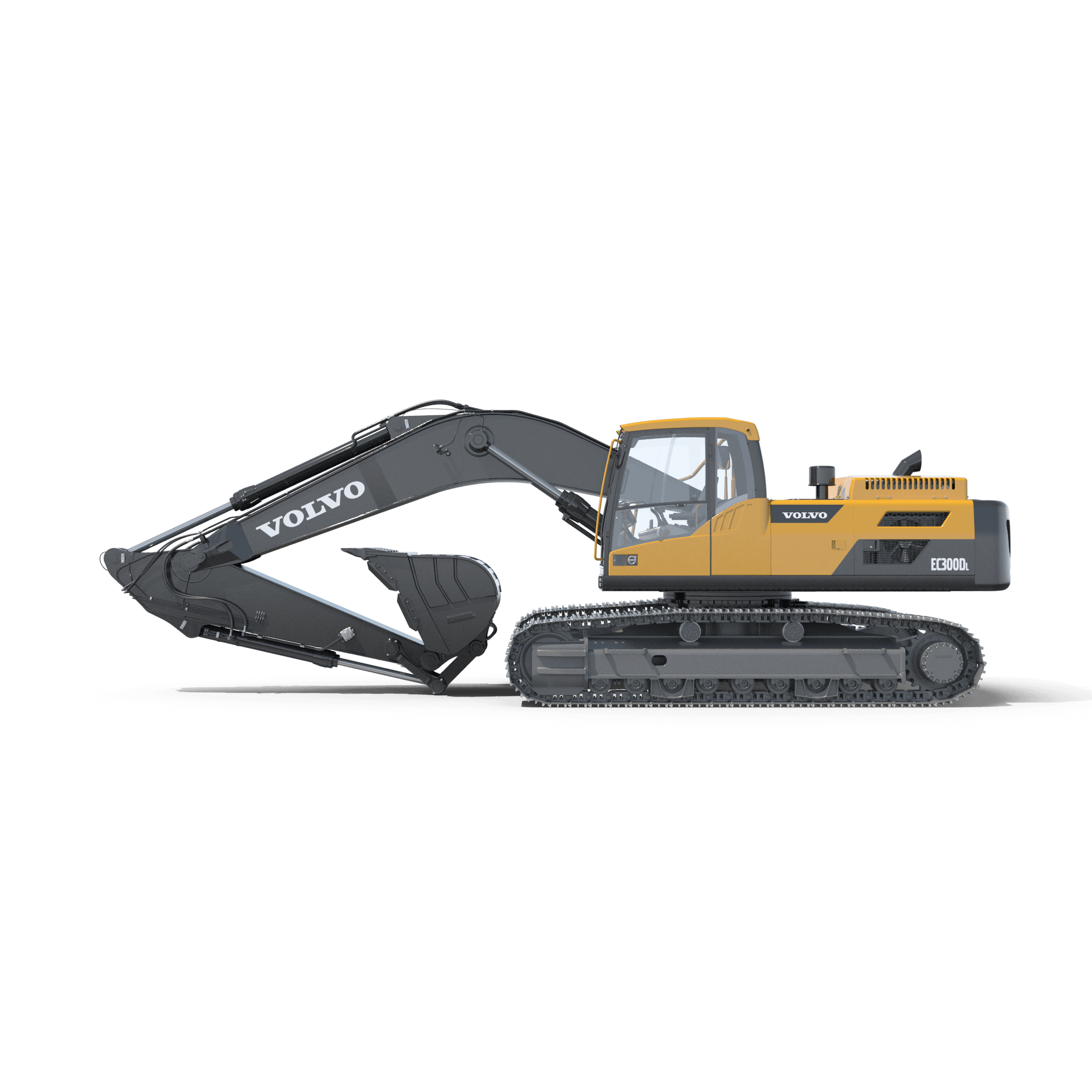
KOBELCO SK850LC CRAWLER EXCAVATOR
KOBELCO · SK850LC
Specifications & Market Value
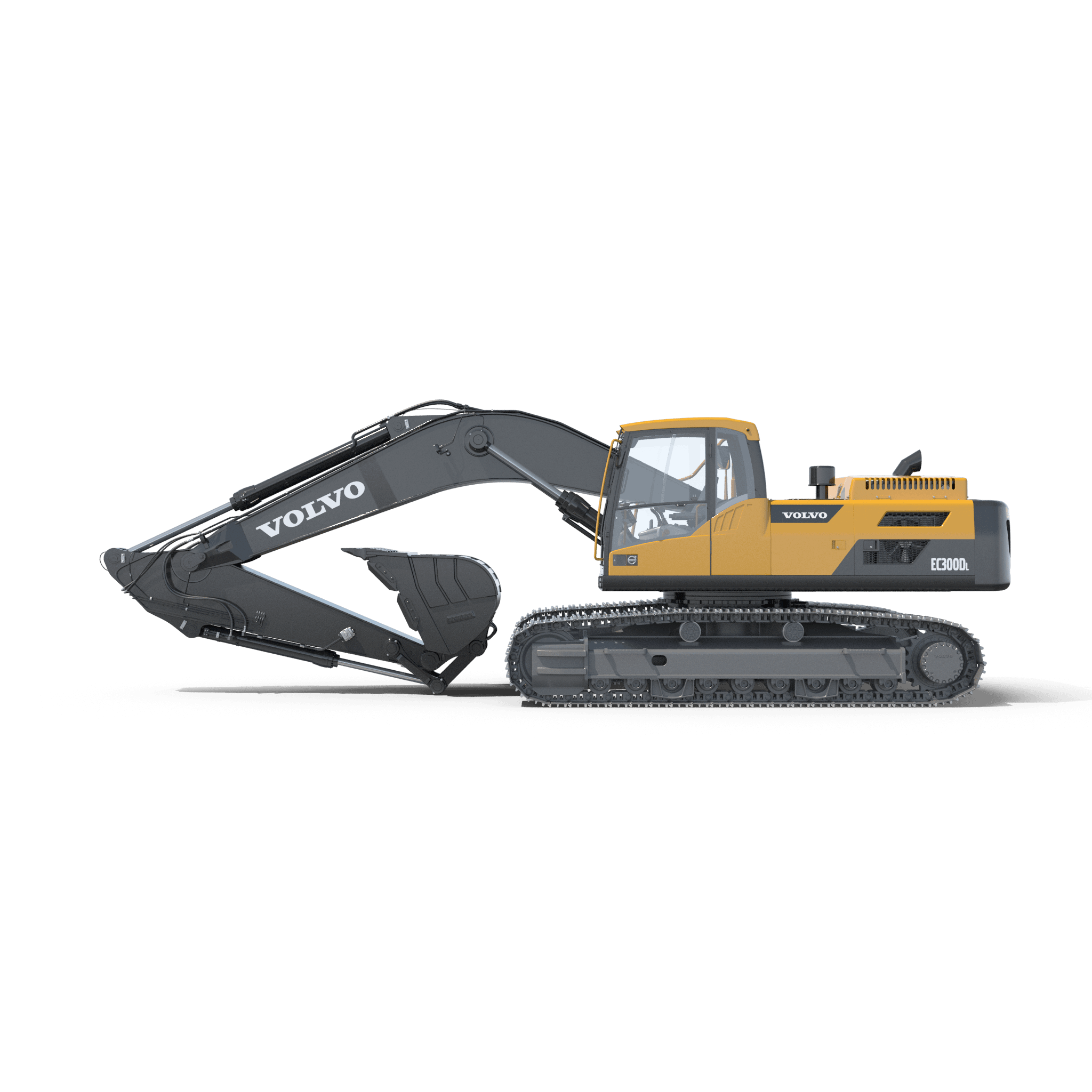
 Reference image
The John Deere 210G is a mid-size hydraulic excavator engineered for demanding construction, demolition, and earthmoving applications. Powered by a John Deere PowerTech PVX engine with a displacement of 415 cu in, it delivers a net power of 159 hp (119 kW) at 1,900 rpm, ensuring robust performance and fuel efficiency. The machine features a turbocharged, air-to-air charge-air cooler and a cool-on-demand hydraulic-driven fan for optimal thermal management. With an operating weight of 49,139 lbs, the 210G provides excellent stability and traction, supported by a drawbar pull of 45,620 lbs. The undercarriage is equipped with 7 track rollers and 2 carrier rollers per side, along with 46 shoes per side, delivering durability and reliable ground contact. Ground clearance is 1.5 ft, allowing for operation on uneven terrain, while the tail swing radius is 9.5 ft, enhancing maneuverability in confined spaces. The cab height is 9.7 ft, and the removal counterweight clearance is 3.4 ft, facilitating transport and site access. The hydraulic system offers a fluid capacity of 35.7 gal, with a cooling system fluid capacity of 8.1 gal and an engine oil capacity of 5.5 gal. The swing mechanism operates at 13.3 rpm, providing smooth and precise rotation. The fuel tank holds 106.5 gal, supporting extended operation, and the swing drive fluid capacity is 1.7 gal. The 210G combines power, reach, and lifting capacity with operator comfort and serviceability, making it a versatile choice for a wide range of job sites.
Specifications, market trends, and valuation estimates are compiled from manufacturer documentation, historical sales, and industry sources. While care is taken to ensure accuracy, this information is provided for reference purposes only and may contain errors or omissions. Users should independently verify all data before making buying or selling decisions. Valuations do not represent guaranteed transaction prices or binding offers, and Aucto assumes no liability for decisions made using this data.
Spot an error or missing detail? Help us keep our equipment guides accurate for the community.

 A+
A+ Auction Value
$249,500
 Sells in ~ 30 days
 Retail Value
—
Sells in ~ 180 days
Item functions as originally intended, shows signs of normal wear. Change the condition to see how it moves both values.
Market Intelligence
KOBELCO · SK850LC
VOLVO · EC700B
CATERPILLAR · 385C
LIUGONG · 950E
HYUNDAI · ROBEX 55W-7
HITACHI · ZX870H-3
CATERPILLAR · 385C FS
TATA HITACHI · ZAXIS670LCH