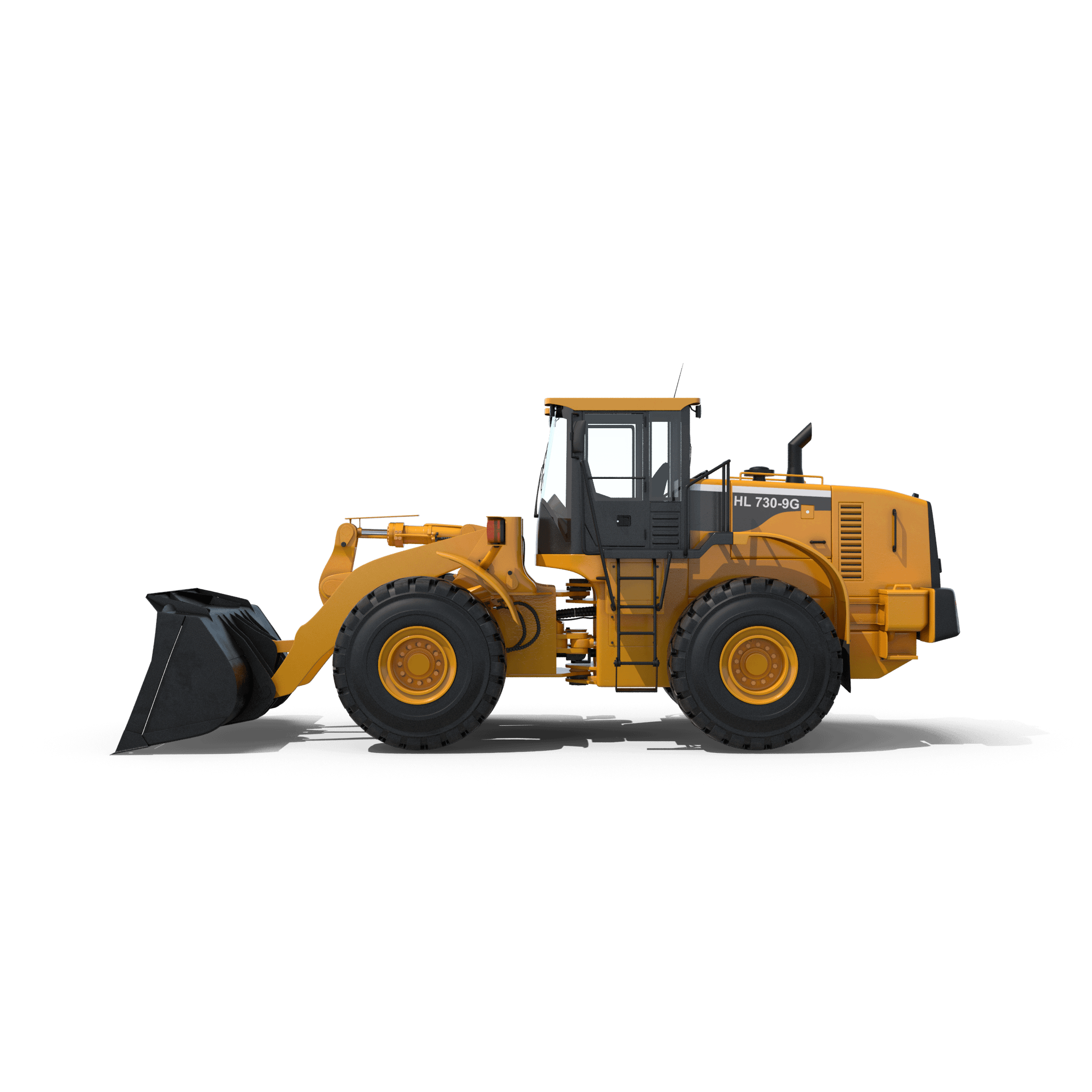
XCMG LW820G WHEEL LOADER
XCMG · LW820G
Specifications & Market Value
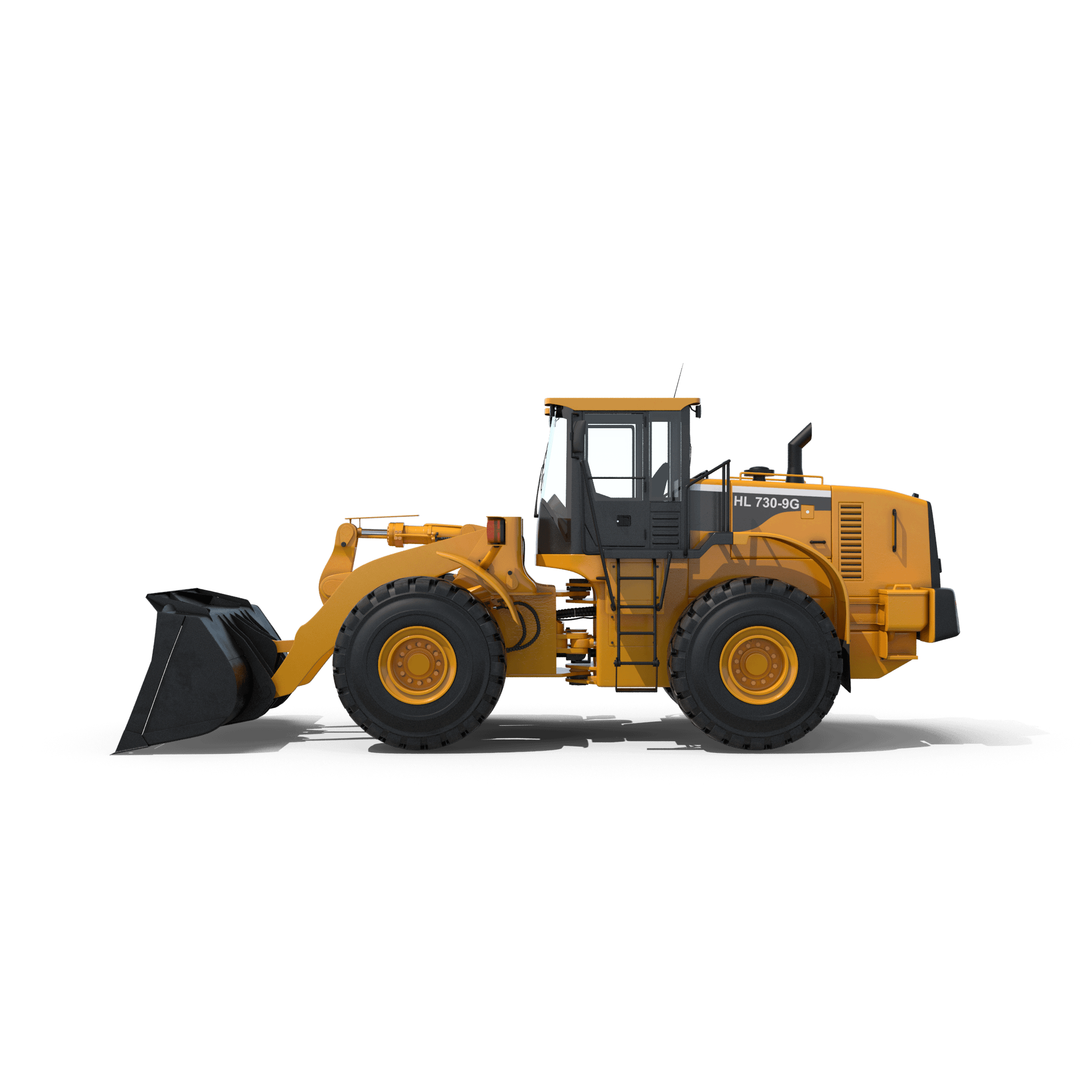
 Reference image
The John Deere 644J Waste Handler High-Lift is a robust wheel loader designed specifically for heavy-duty waste handling applications, featuring a factory-installed high-lift boom that extends lift height by nearly 1.5 feet for enhanced material reach and efficient loading at elevated heights. It is equipped with a powerful 6068H six-cylinder engine delivering 185 hp at 2200 rpm and a torque rise of 55% at 1400 rpm, ensuring strong performance across varied tasks. The bucket capacity is substantial, with a heaped volume of 6 cubic yards and a struck capacity of 5.5 cubic yards, paired with a breakout force of 25,604 lbs for demanding load engagements. The 9.5-foot-wide bucket facilitates maximum productivity in bulky material handling. The loader’s dimensions include a ground clearance of 1.5 ft, a hinge pin maximum height of 15.2 ft, and a length of 26.8 ft with the bucket on the ground. It has a wheelbase of 10.5 ft, width over tires of 9.5 ft, and operates at a turning radius of 18 ft, allowing for maneuverability on confined job sites. Its hydraulic system features a variable axial piston pump with a flow capacity of 68 gal/min and a relief valve setting of 3600 psi, enabling quick bucket dump times of 1.4 seconds and efficient cycle times. The machine operates on a 24 V system and features an automatic powershift transmission with three forward and reverse gears, capable of speeds up to 14.7 mph forward and 15.5 mph reverse. Weighing approximately 49,130 lbs, the 644J WH is engineered for durability with specialized guarding, heavy-duty tires (23.5-25), and high-capacity fluid reservoirs to endure harsh waste handling environments while maintaining operator comfort and productivity.
Specifications, market trends, and valuation estimates are compiled from manufacturer documentation, historical sales, and industry sources. While care is taken to ensure accuracy, this information is provided for reference purposes only and may contain errors or omissions. Users should independently verify all data before making buying or selling decisions. Valuations do not represent guaranteed transaction prices or binding offers, and Aucto assumes no liability for decisions made using this data.
Spot an error or missing detail? Help us keep our equipment guides accurate for the community.

 A+
A+ Auction Value
$4,826
 Range$1,000 – $6,886
 Sells in ~ 30 days
 Retail Value
—
Sells in ~ 180 days
Item functions as originally intended, shows signs of normal wear. Change the condition to see how it moves both values.
Market Intelligence
XCMG · LW820G
CATERPILLAR · 970F
MICHIGAN · L150
ZETTELMEYER · ZL5001F
LIEBHERR · L580 2PLUS2 · 2008-2015
LIEBHERR · L566 2PLUS2 · 2015-2023
CASE · 1121F XR
TEREX · TL450