MAZAK SLANT TURN 500 - 120 INCH HORIZONTAL MACHINING CENTER
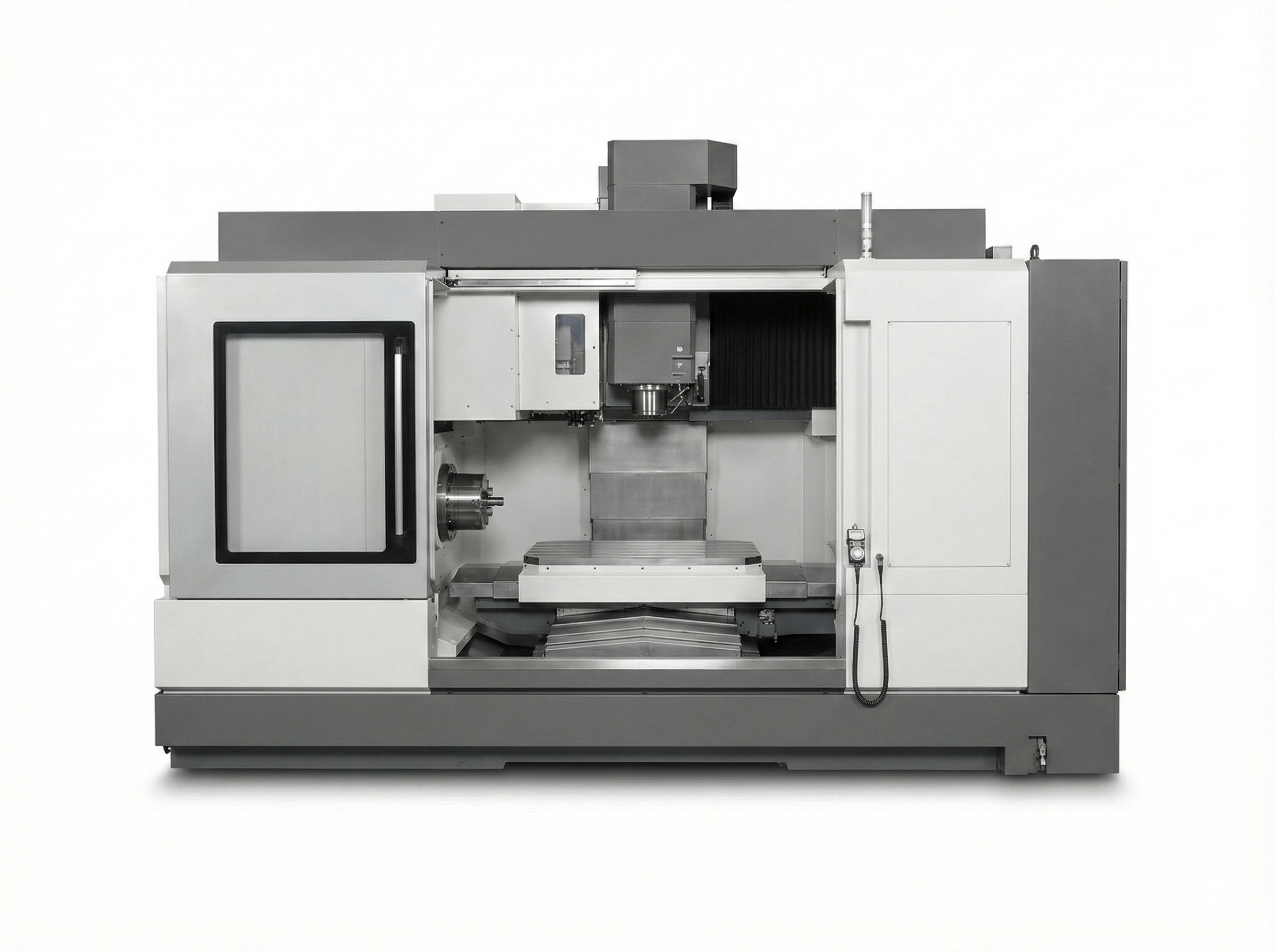
Equipment Overview
Share Link- OEM
- MAZAK
- Model
- SLANT TURN 500 - 120 INCH
- Year of Manufacture
- -
- Category
- HORIZONTAL MACHINING CENTERS
Market Value Calculator
A+Technical Description
The Mazak Slant Turn 500 is a robust, high-torque horizontal CNC turning center designed for heavy-duty machining of large-diameter workpieces. Featuring a main spindle with a maximum turning diameter of 35.830 inches and a maximum turning length of 125.000 inches, this machine excels in applications requiring precision and power, such as oilfield components, pipeline valves, and aerospace parts. The main spindle chuck diameter is 18.000 inches, supporting large workholding, while the maximum swing of 40.940 inches ensures ample clearance for oversized parts. The machine is equipped with a single main spindle capable of 1,600 RPM and 60 HP, delivering strong cutting performance across a wide range of materials. The primary tool carrier is a 12-position turret, allowing for rapid tool indexing and efficient production. Only one cutting tool can operate at a time, supporting straightforward turning operations. The machine operates on two axes (X and Z), with X-axis travel of 18.310 inches and Z-axis travel of 129.920 inches, enabling extensive machining reach along the workpiece. The Mazak Slant Turn 500 combines high horsepower, large work capacity, and reliable tooling to deliver efficient, accurate results for demanding turning applications.
Technical Attributes
- Max Spindle Speed
- 1,600.00
- # of Axes
- 2.00
- X-Axis Travel
- 18.31 ''
- Z-Axis Travel
- 129.92 ''
- Spindle Power
- 60.00 HP
Data Accuracy and Verification
Specifications and technical details are compiled from manufacturer documentation, historical records, and third-party industry sources. While care is taken to ensure accuracy, this information is provided for reference purposes only and may contain errors or omissions. Users should independently verify all details before relying on them.
If you identify any inaccuracies, please help us improve our data by reporting them here.