MORI-SAY TMZ 642 CNC HORIZONTAL MACHINING CENTER
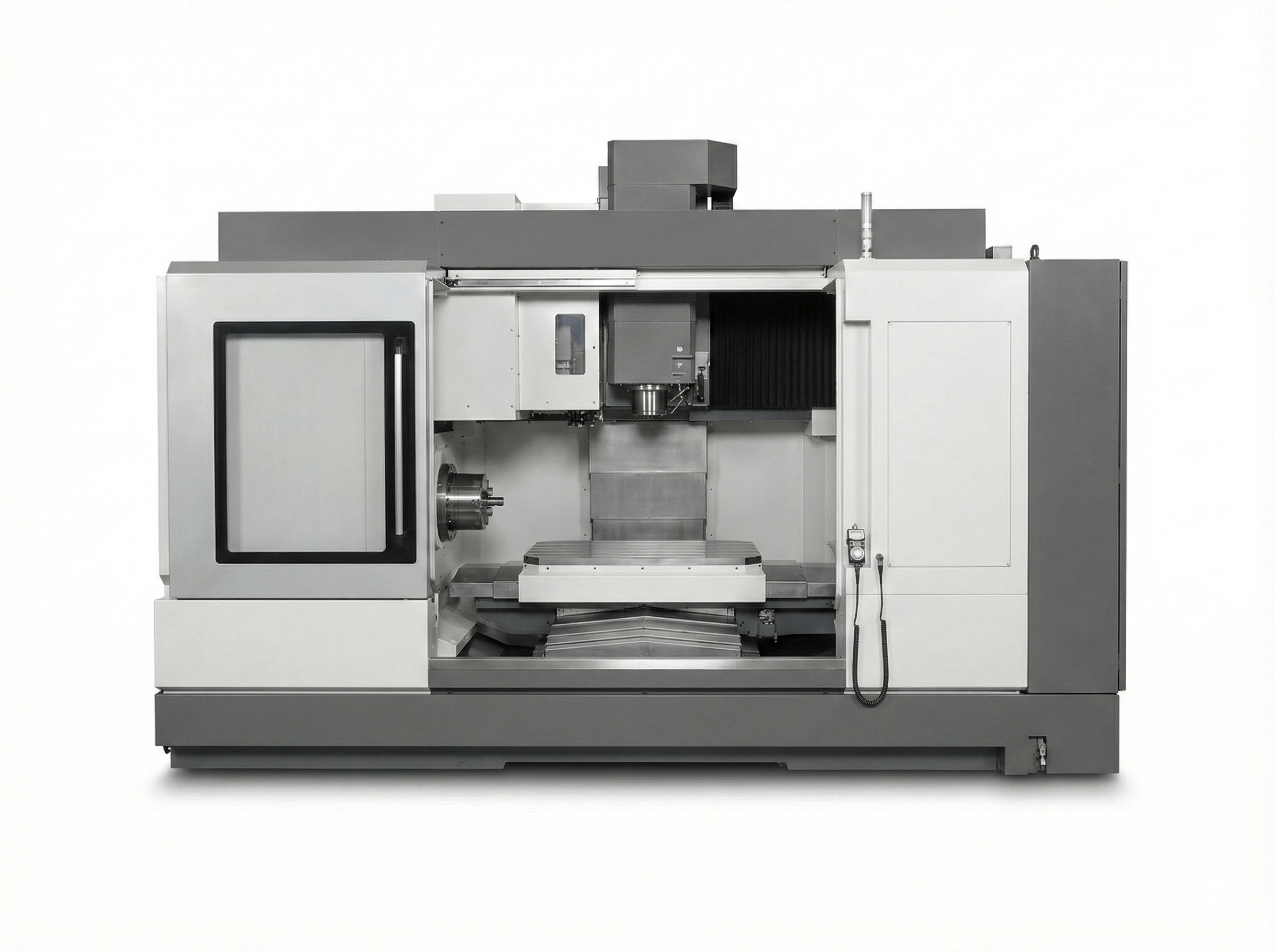
Equipment Overview
Share Link- OEM
- MORI-SAY
- Model
- TMZ 642 CNC
- Year of Manufacture
- -
- Category
- HORIZONTAL MACHINING CENTERS
Market Value Calculator
A+Technical Description
The MORI-SAY TMZ 642 CNC Horizontal Machining Center is a high-productivity multispindle automatic lathe designed for complex, precision machining of rotary bar parts. It features six independent AC spindle drives, each with a maximum speed of 5,000 RPM and power output of approximately 7 kW (around 9.3 HP), allowing independent speed and power control per spindle to optimize cutting conditions and enable spindle stopping or C-axis orientation for advanced machining operations. The machine supports a maximum turning diameter of 8 inches and turning length of up to 5.91 inches, with a maximum bar diameter capacity of 2.05 inches. The primary tool carrier comprises 6 long slides capable of holding up to 3 turning and 3 rotary tools, while the second carrier has 5 cross slides supporting up to 3 turning and 3 rotary tools, enabling up to 10 simultaneous cutting tools. It features 24 CNC-controlled axes, combining longitudinal, cross, and rotational tool movements for versatile multi-axis machining. Equipped with a Siemens Sinumerik 840D sl control system and proprietary TMis software, the machine streamlines programming and operation, particularly for series and mass production requiring high rigidity comparable to cam-driven machines. The TMZ 642 CNC ensures high thermal stability and precision machining with CNC-controlled slides and back-working tooling options, supporting fast traverses and strong cutting forces up to 3,700 N on key axes. Overall, this centers on a combination of flexibility, precision, and productivity tailored for demanding manufacturing environments.
Technical Attributes
- # of Axes
- 24.00
- Max Spindle Speed
- 5,000.00
- Spindle Power
- 9.30 HP
Data Accuracy and Verification
Specifications and technical details are compiled from manufacturer documentation, historical records, and third-party industry sources. While care is taken to ensure accuracy, this information is provided for reference purposes only and may contain errors or omissions. Users should independently verify all details before relying on them.
If you identify any inaccuracies, please help us improve our data by reporting them here.