Buy Now
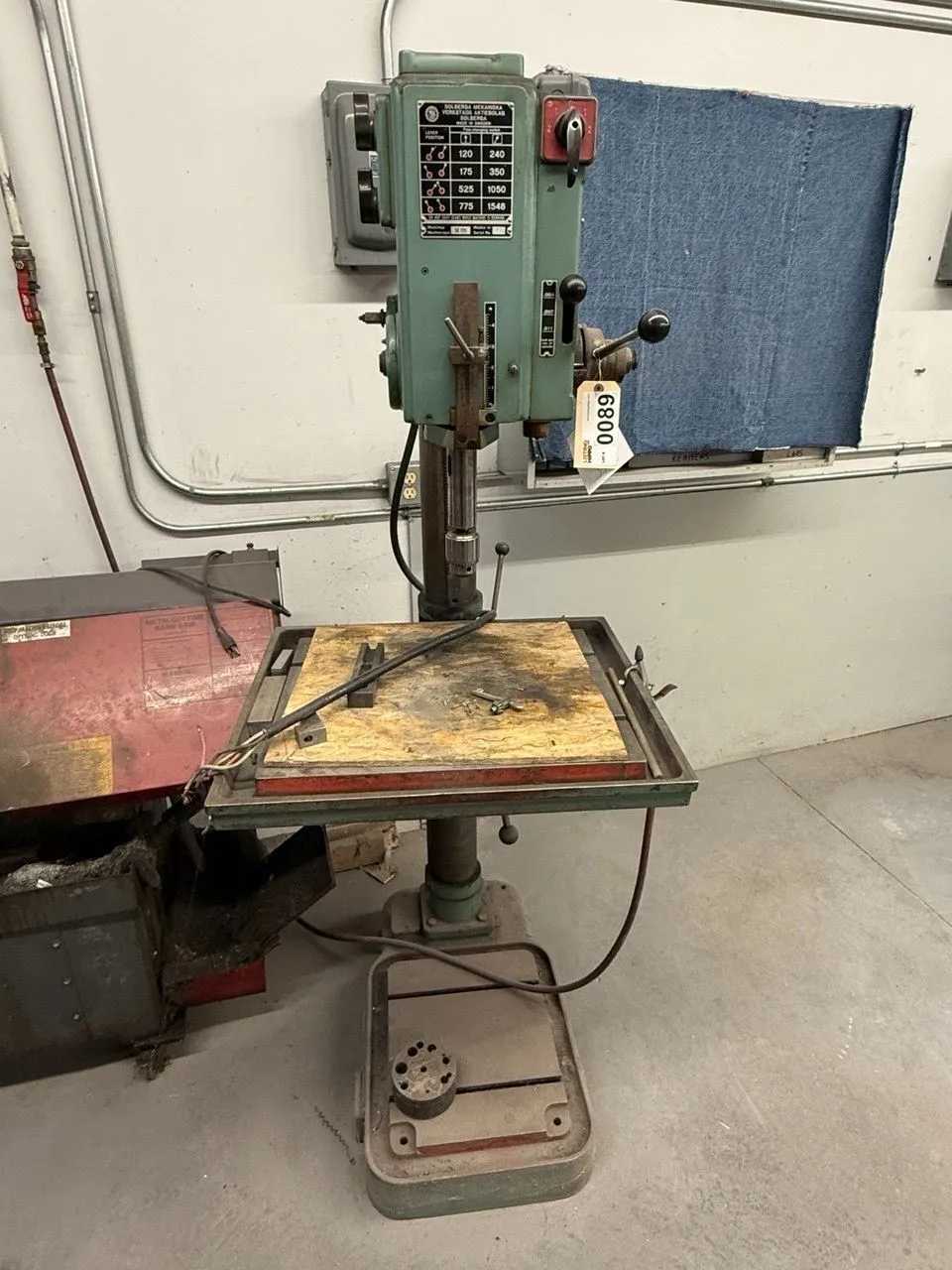
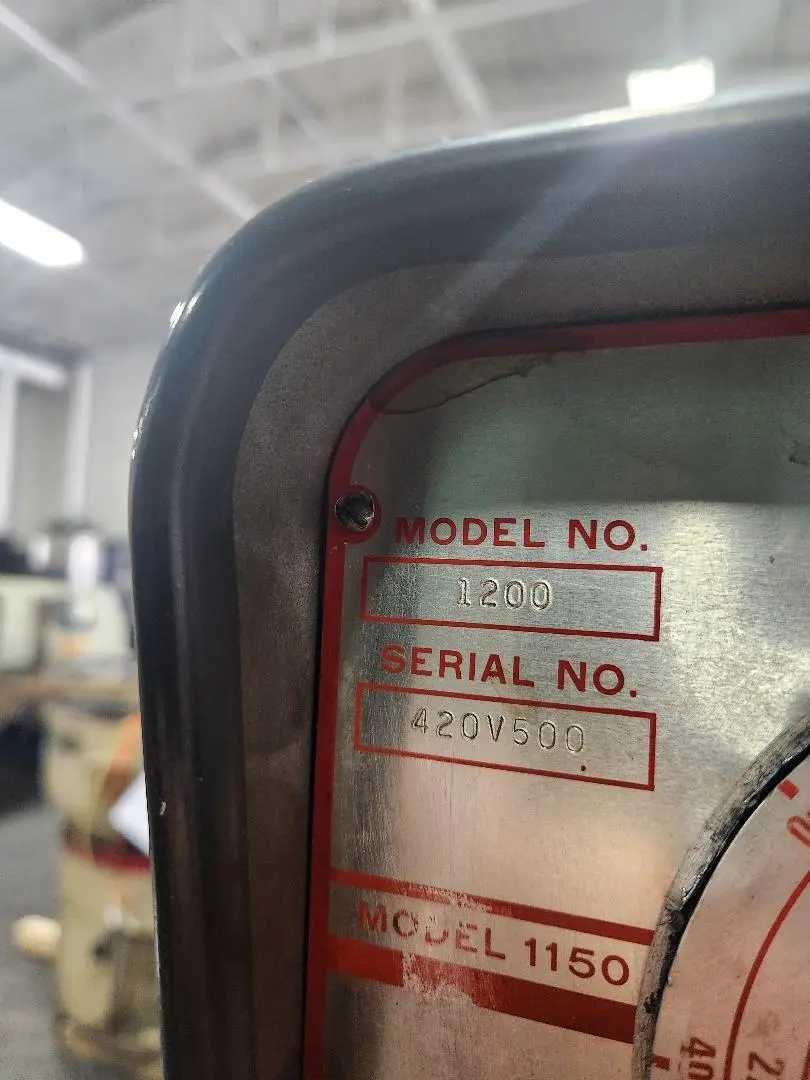
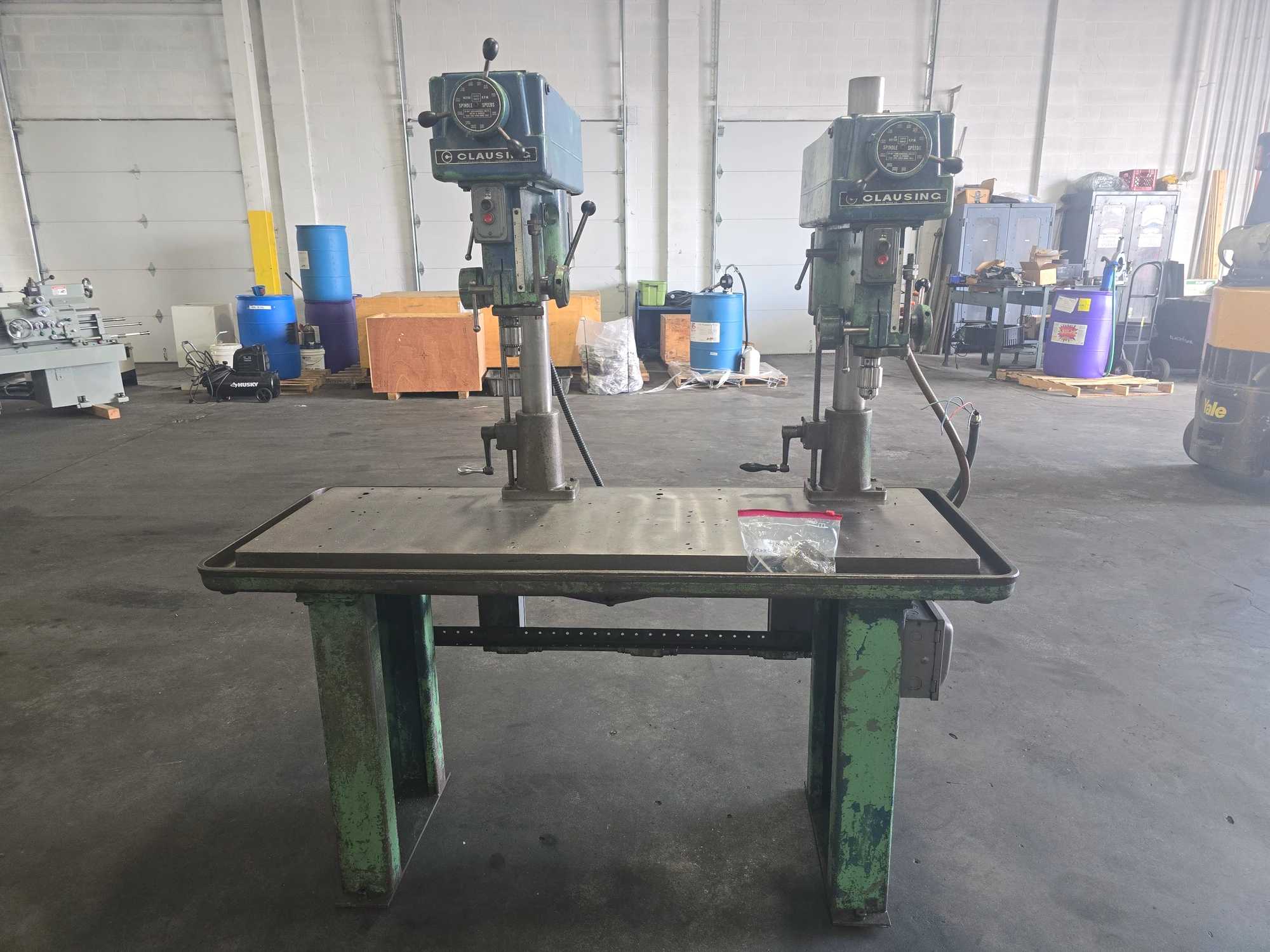
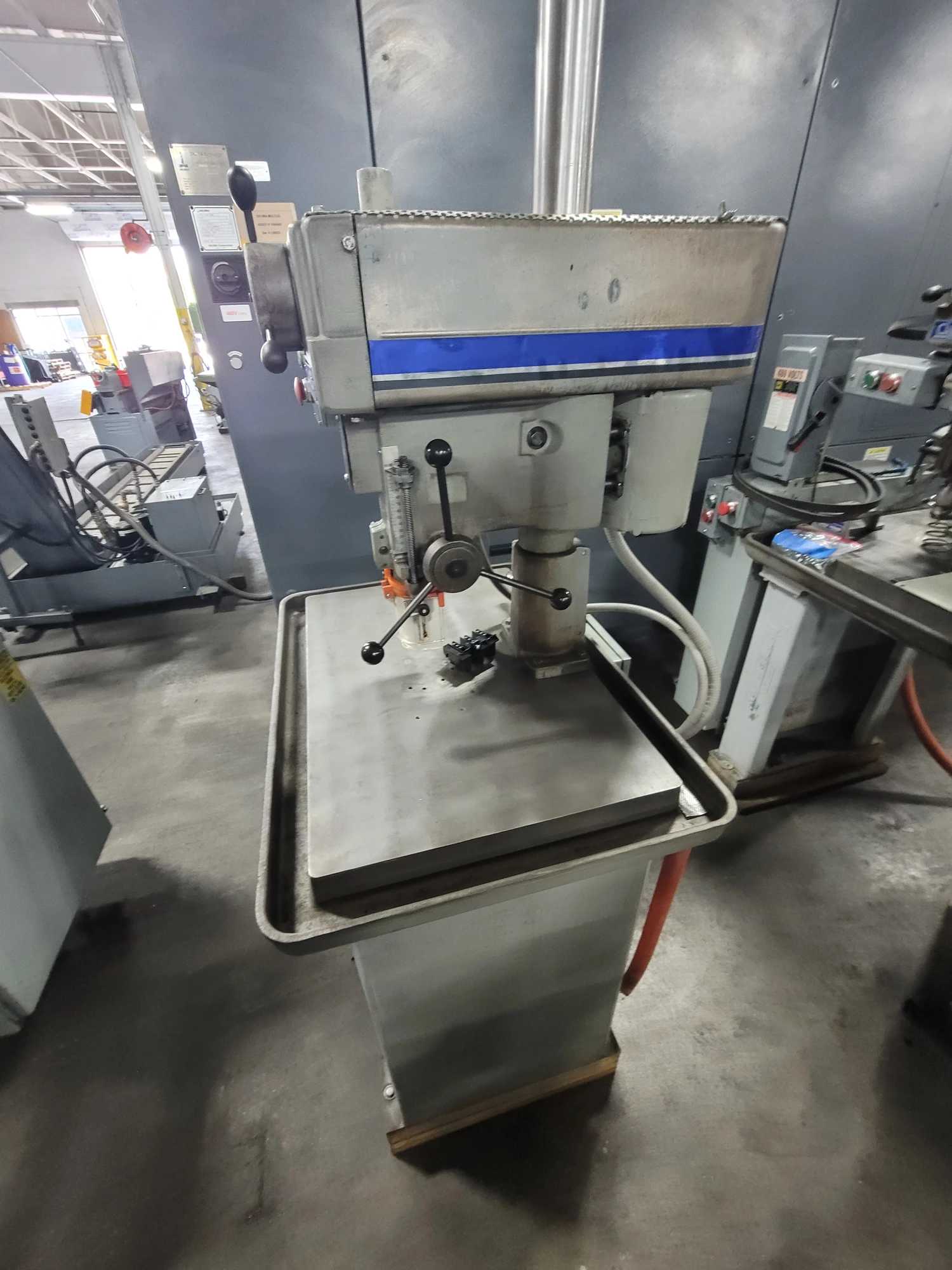
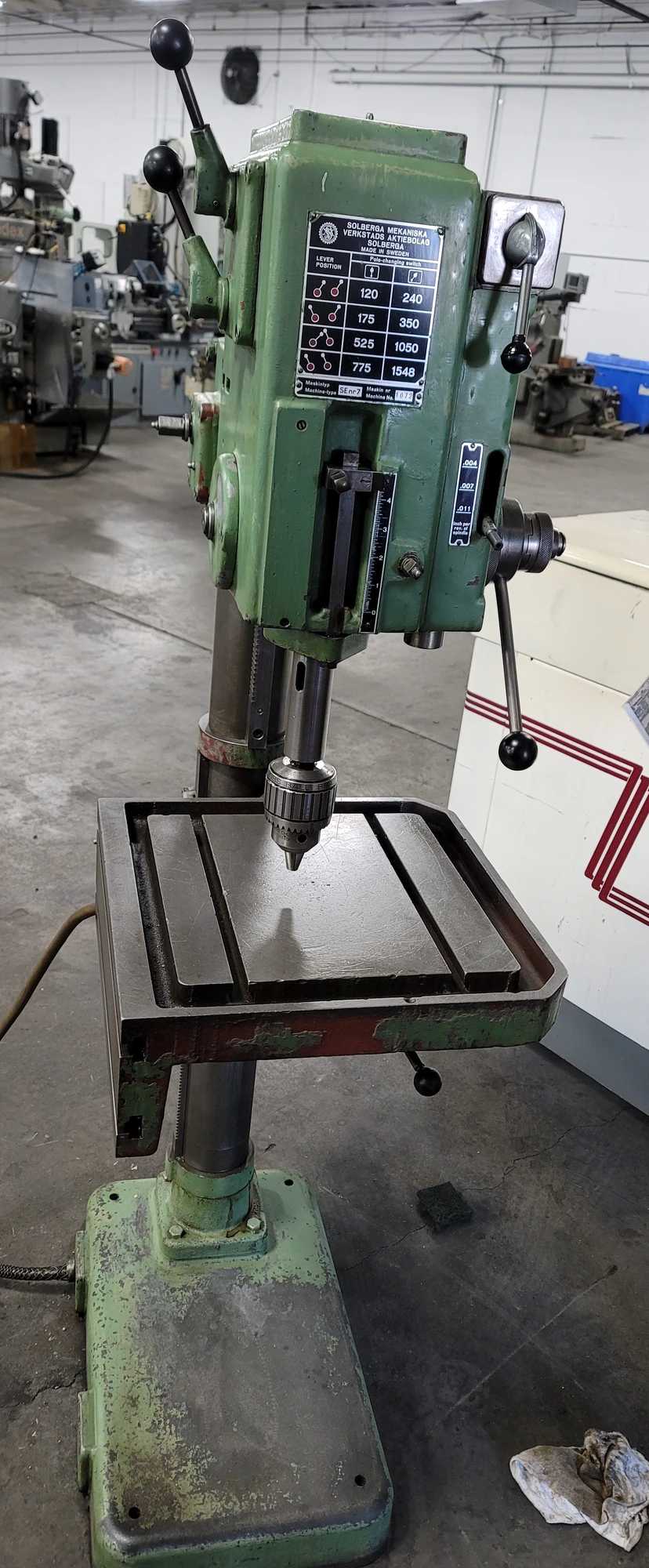
SOLBERGA 22" GEARED HEAD DRILL PRESS MODEL SE NR7
$2,450
$41/moKentucky
Specifications & Market Value
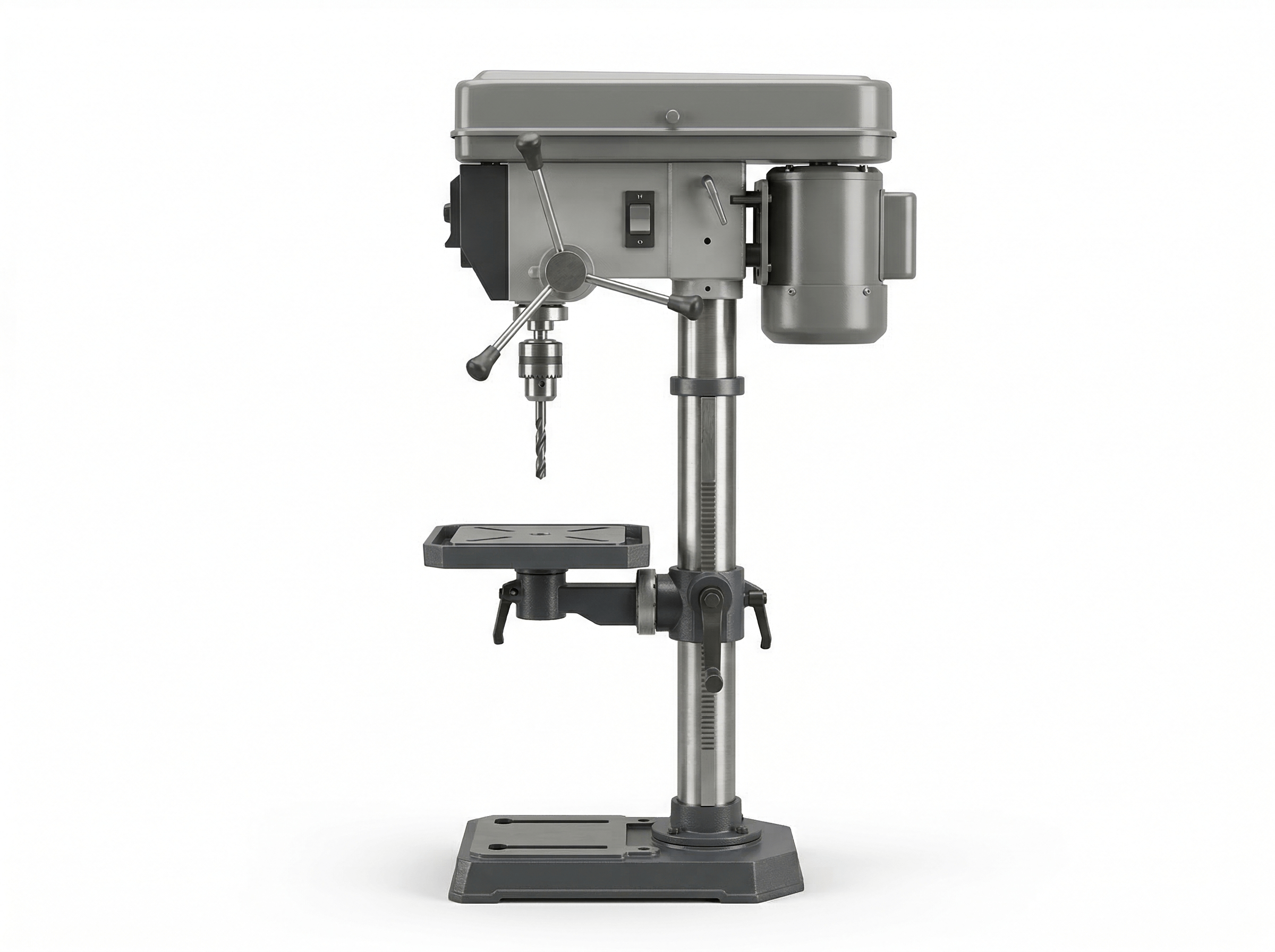
 Reference image
The PANCHAL 13 PSR Upright Drill Press is a robust pillar-type bench drilling machine designed for precision and durability in industrial applications. It features a drilling capacity of 13 mm (0.51 inches) in mild steel, making it suitable for a wide range of metalworking tasks. The machine is powered by a 0.54 HP (0.4 kW) three-phase electric motor, delivering a consistent spindle speed of 1,440 RPM for efficient drilling performance. With a swing of 9.83 inches and a spindle travel of 3.15 inches, it offers ample workspace and depth adjustment for versatile operations. The spindle center to column distance is 6.02 inches, ensuring stability during drilling. Maximum distance from spindle to table is 9.84 inches, and to the base is 18.9 inches, allowing for the accommodation of various workpiece sizes. The worktable measures 8.07 x 8.27 inches, while the base size is 6.89 x 6.89 inches, providing a solid foundation. The column diameter is 1.85 inches, contributing to the machine's rigidity. The drill press weighs 99.21 lbs and has compact dimensions of 36.22 x 15.75 x 11.81 inches, making it suitable for benchtop use in workshops and production environments. Designed for manual feed operation, the PANCHAL 13 PSR ensures reliable and accurate drilling with ease of use and long-term durability.
Specifications, market trends, and valuation estimates are compiled from manufacturer documentation, historical sales, and industry sources. While care is taken to ensure accuracy, this information is provided for reference purposes only and may contain errors or omissions. Users should independently verify all data before making buying or selling decisions. Valuations do not represent guaranteed transaction prices or binding offers, and Aucto assumes no liability for decisions made using this data.
Spot an error or missing detail? Help us keep our equipment guides accurate for the community.

 A+
A+ Auction Value
$6,567
 Range$1,000 – $9,565
 Sells in ~ 30 days
 Retail Value
—
Sells in ~ 180 days
Item functions as originally intended, shows signs of normal wear. Change the condition to see how it moves both values.
| Attribute | SelectedPANCHAL 13 PSR UPRIGHT DRILL PRESS | PANCHAL 25/254 PSR UPRIGHT DRILL PRESS | |
|---|---|---|---|
| OEM | PANCHAL | PANCHAL | |
| Model | 13 PSR | 25/254 PSR | |
| Year | - | - | |
| Max Spindle Speed | 1440 RPM | 1400 RPM | |
| Spindle Power | 0.54 HP | 0.94 HP | |
| Max Drilling Diameter | 0.51 '' | — | |
| Stroke Length | 3.2 '' | — | |
| Table Size (LxW) | 8.07 x 8.27 | — | |
| Similarity | — | 99% | |
| Auction Value$1,000 - $9,565Retail Value— | Auction Value$100 - $590Retail Value— | |
| Current Machine | View Details |
Marketplace