Buy Now
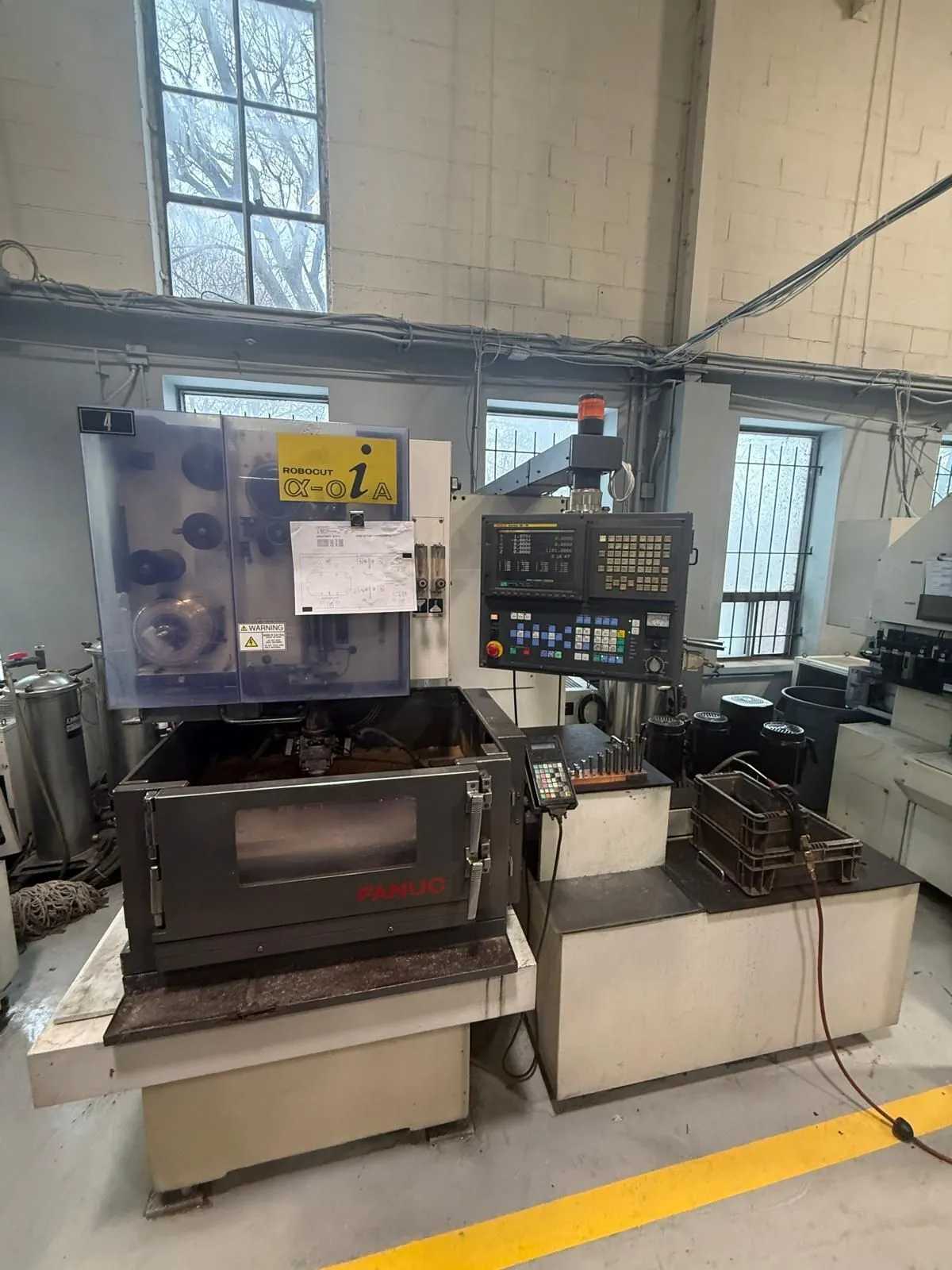
2000 FANUC Robocut ALPHA-0iA CNC Wire-Cut EDM, 320X220X180MM Travel, 500kg Max Load
$35,000
$580/moOntario
Specifications & Market Value
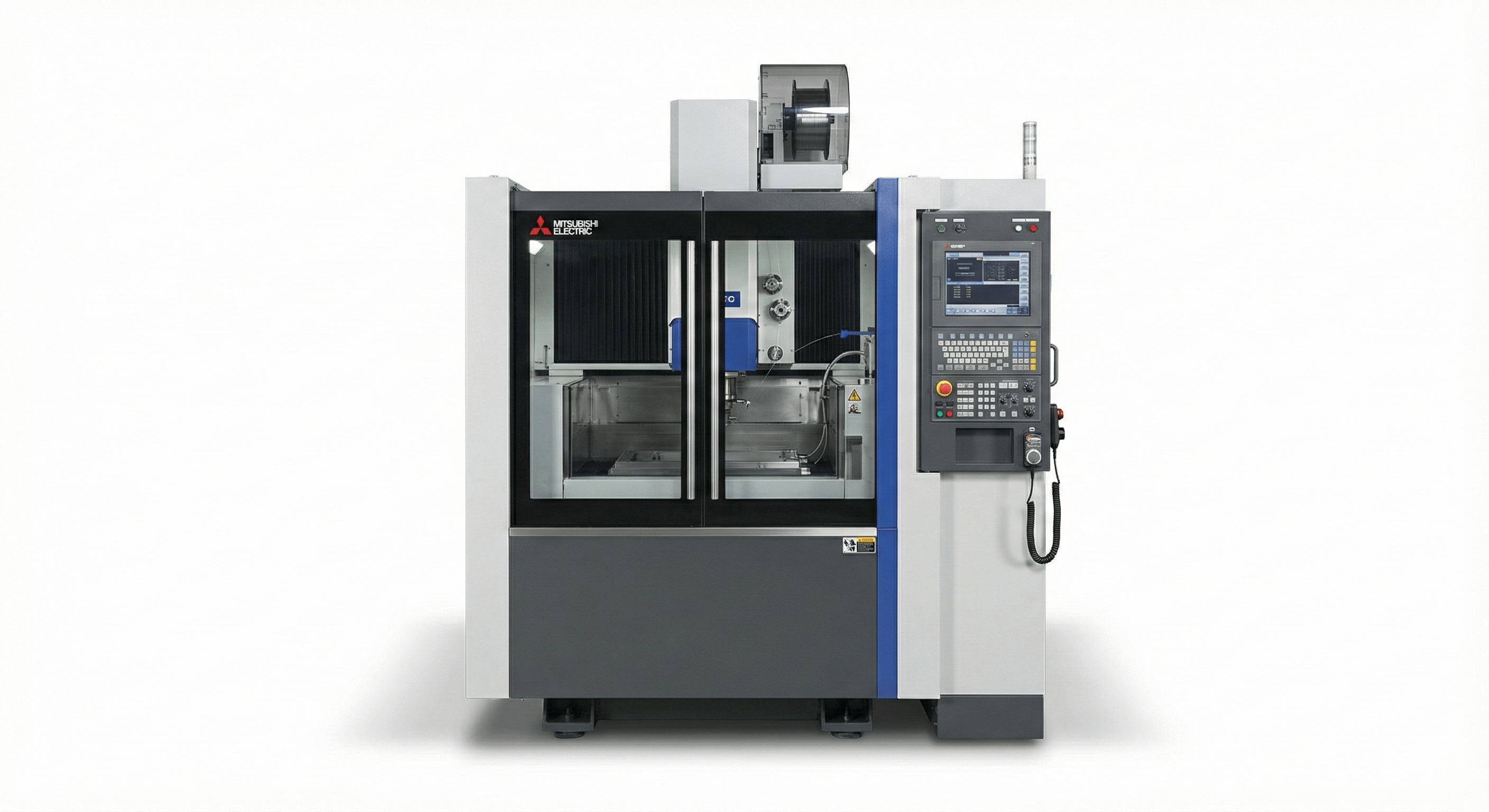
 Reference image
The SENYAT QB500 Wire EDM Machine is a high-precision CNC-controlled electrical discharge machining system designed for accurate and efficient wire cutting operations. Featuring an X-axis travel of 19.69 inches (500 mm), Y-axis travel of 24.80 inches (630 mm), and Z-axis travel of 23.62 inches (600 mm), this machine provides robust work envelope capabilities for a wide range of industrial applications. The machine is equipped with automatic wire threading for improved operational efficiency and reduced downtime, allowing for seamless processing even during extended production runs. The CNC control system, powered by HF and AUTOCUT technology, ensures precise command over cutting parameters, delivering consistent accuracy and repeatability. The QB500 is not designed for submerged cutting, making it suitable for standard wire EDM tasks where workpiece immersion is not required. With a machine weight of 529.11 lbs (240 kg), it offers a stable and rigid platform for high-accuracy machining. The system utilizes advanced servo control and closed-loop wire tension management, ensuring optimal wire stability and cutting performance. The machine supports wire diameters typically ranging from 0.10 to 0.20 mm and achieves a maximum taper cutting angle of ±6°, enabling the production of complex geometries. Its composite machining accuracy is rated at ±0.01 mm, with a surface roughness as fine as Ra 1.0 μm. The QB500 is engineered for reliability, ease of operation, and high-speed processing, making it an ideal solution for precision tooling, mold making, and intricate part manufacturing in various industries.
Specifications, market trends, and valuation estimates are compiled from manufacturer documentation, historical sales, and industry sources. While care is taken to ensure accuracy, this information is provided for reference purposes only and may contain errors or omissions. Users should independently verify all data before making buying or selling decisions. Valuations do not represent guaranteed transaction prices or binding offers, and Aucto assumes no liability for decisions made using this data.
Spot an error or missing detail? Help us keep our equipment guides accurate for the community.

 A+
A+ Auction Value
$7,850
 Range$2,000 – $11,000
 Sells in ~ 30 days
 Retail Value
—
Sells in ~ 180 days
Item functions as originally intended, shows signs of normal wear. Change the condition to see how it moves both values.
Marketplace


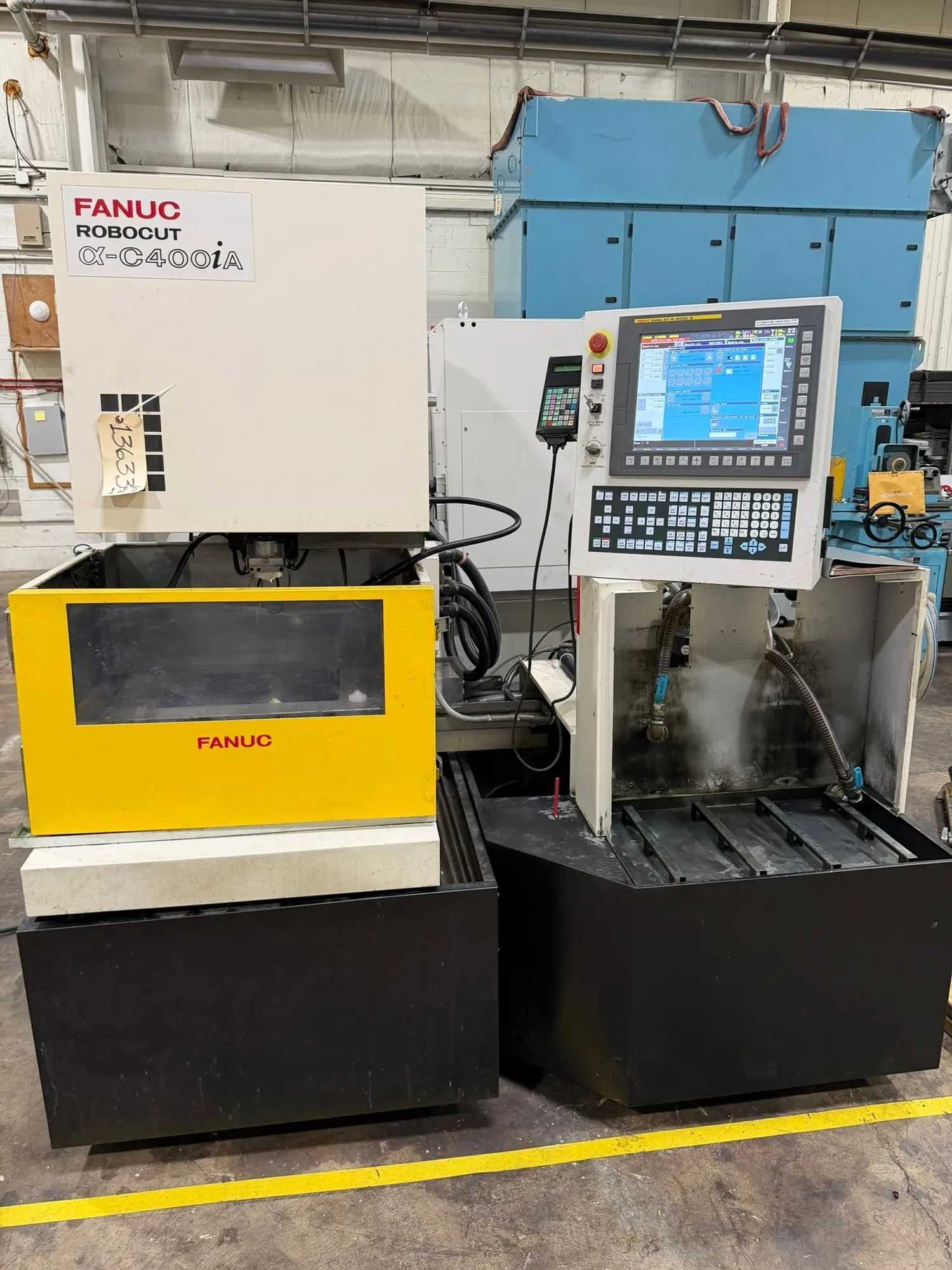
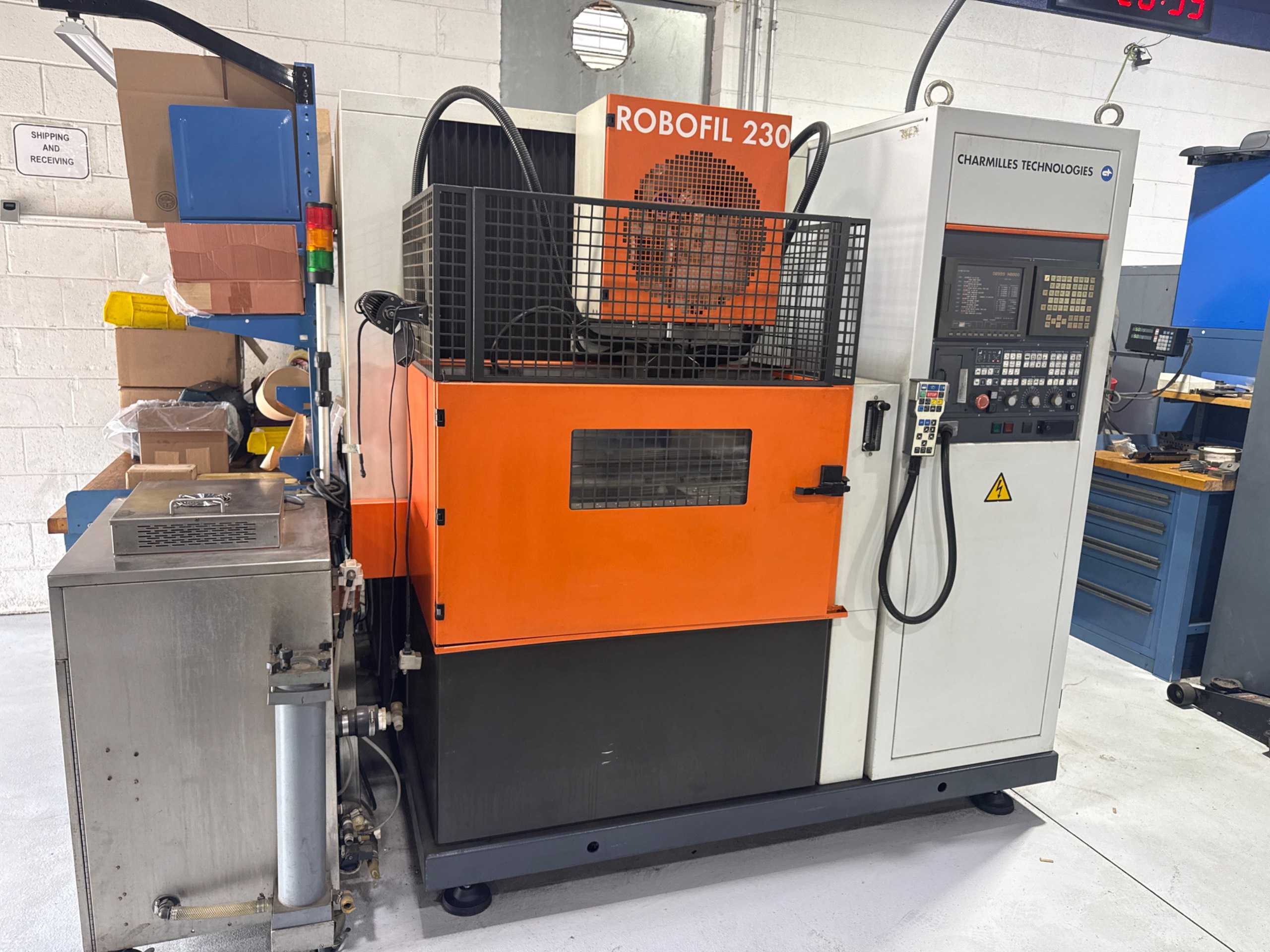
| Attribute | SelectedSENYAT QB500 WIRE EDM MACHINE | SENYAT QB400 WIRE EDM MACHINE | |
|---|---|---|---|
| OEM | SENYAT | SENYAT | |
| Model | QB500 | QB400 | |
| Year | - | - | |
| Y-Axis Travel | 24.8 '' | 19.7 '' | |
| Control System | CNC (HF, AUTOCUT) | CNC (HF, AUTOCUT) | |
| Z-Axis Travel | 23.62 '' | 15.75 '' | |
| X-Axis Travel | 19.7 '' | 15.8 '' | |
| Similarity | — | 99% | |
| Auction Value$2,000 - $11,000Retail Value— | Auction Value$5,000 - $28,500Retail Value— | |
| Current Machine | View Details |