Buy Now
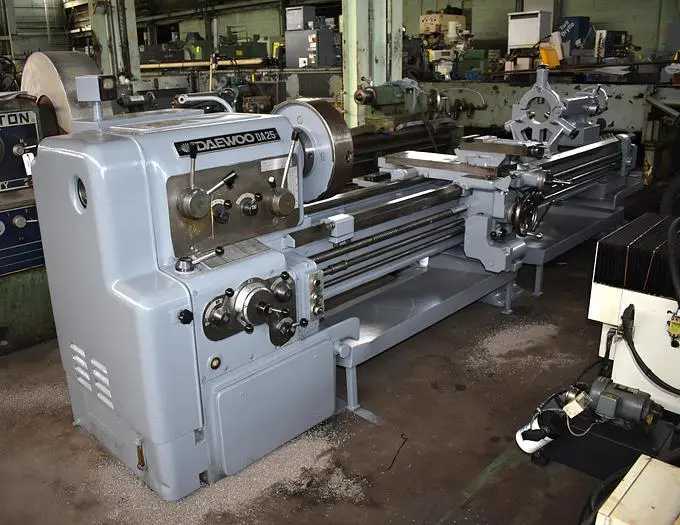
Engine Lathe, 25in Swing, 120in Centers, 15 HP, 10250 lbs
$24,500
$406/moKentucky
Specifications & Market Value
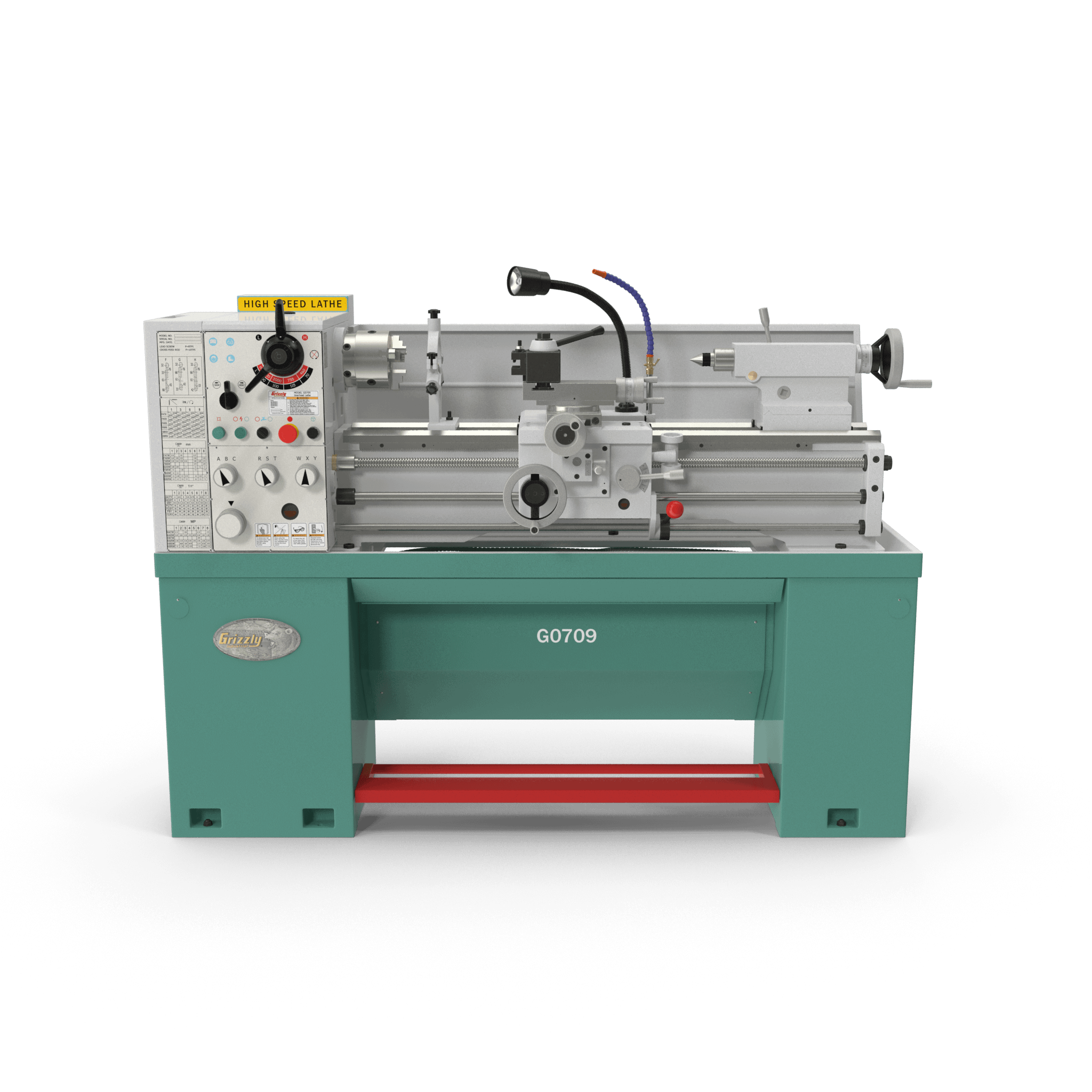
 Reference image
The SKODA SRM 125/6000 Manual Lathe is a heavy-duty machine designed for large-scale turning operations. It features a turning diameter over the bed of 55.12 inches (1400 mm) and a turning diameter over the slide rest of 40.94 inches (1040 mm), with a maximum turning length of 248.03 inches (6300 mm). The faceplate diameter measures 49.21 inches (1250 mm), and the steady diameter is 16.54 inches (420 mm). The lathe accommodates workpieces weighing up to 35,275 lbs (16,000 kg), with a maximum supported steady weight of 44,092 lbs (20,000 kg). It operates at variable speeds ranging from 1.1 to 315 RPM, suitable for diverse machining requirements. The bed width of the lathe is substantial at 43.31 inches (1100 mm), providing stability during operation. It is equipped with a tailstock quill length of 7.09 inches (180 mm), enhancing precision for long workpieces. The total power requirement for the machine is approximately 49.84 HP (37 kW). Control is managed via Fanuc 150-M CNC controls, which provide reliable, user-friendly operation capabilities. This lathe is suitable for demanding industrial applications involving large and heavy workpieces, combining robust mechanical design with precise CNC control for efficient, heavy-duty turning tasks. The machine's design emphasizes both rigidity and versatility, making it an integral tool in heavy manufacturing environments.
Specifications, market trends, and valuation estimates are compiled from manufacturer documentation, historical sales, and industry sources. While care is taken to ensure accuracy, this information is provided for reference purposes only and may contain errors or omissions. Users should independently verify all data before making buying or selling decisions. Valuations do not represent guaranteed transaction prices or binding offers, and Aucto assumes no liability for decisions made using this data.
Spot an error or missing detail? Help us keep our equipment guides accurate for the community.

 A+
A+ Auction Value
$25,150
 Range$5,000 – $36,000
 Sells in ~ 30 days
 Retail Value
—
Sells in ~ 180 days
Item functions as originally intended, shows signs of normal wear. Change the condition to see how it moves both values.
Marketplace

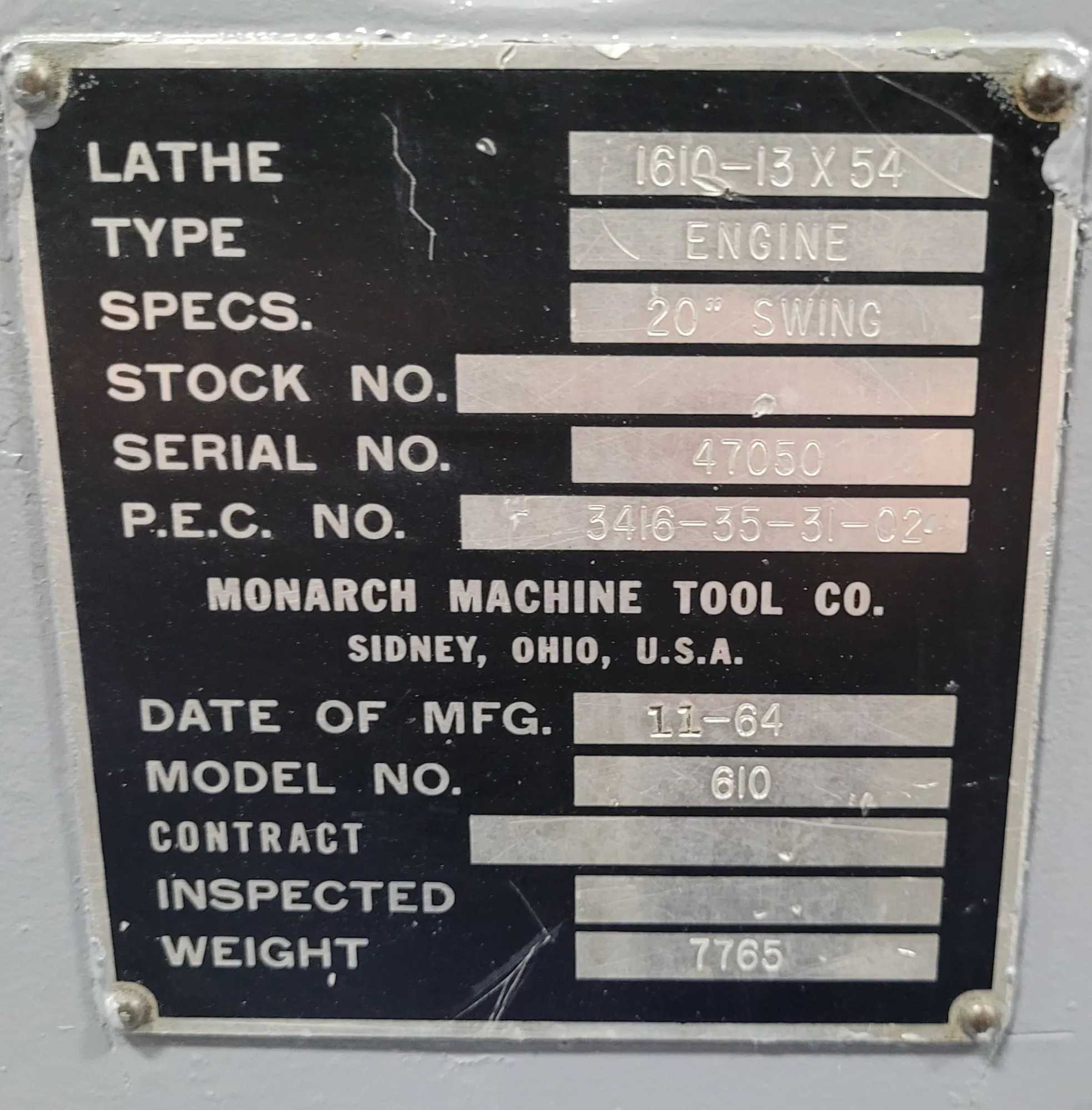
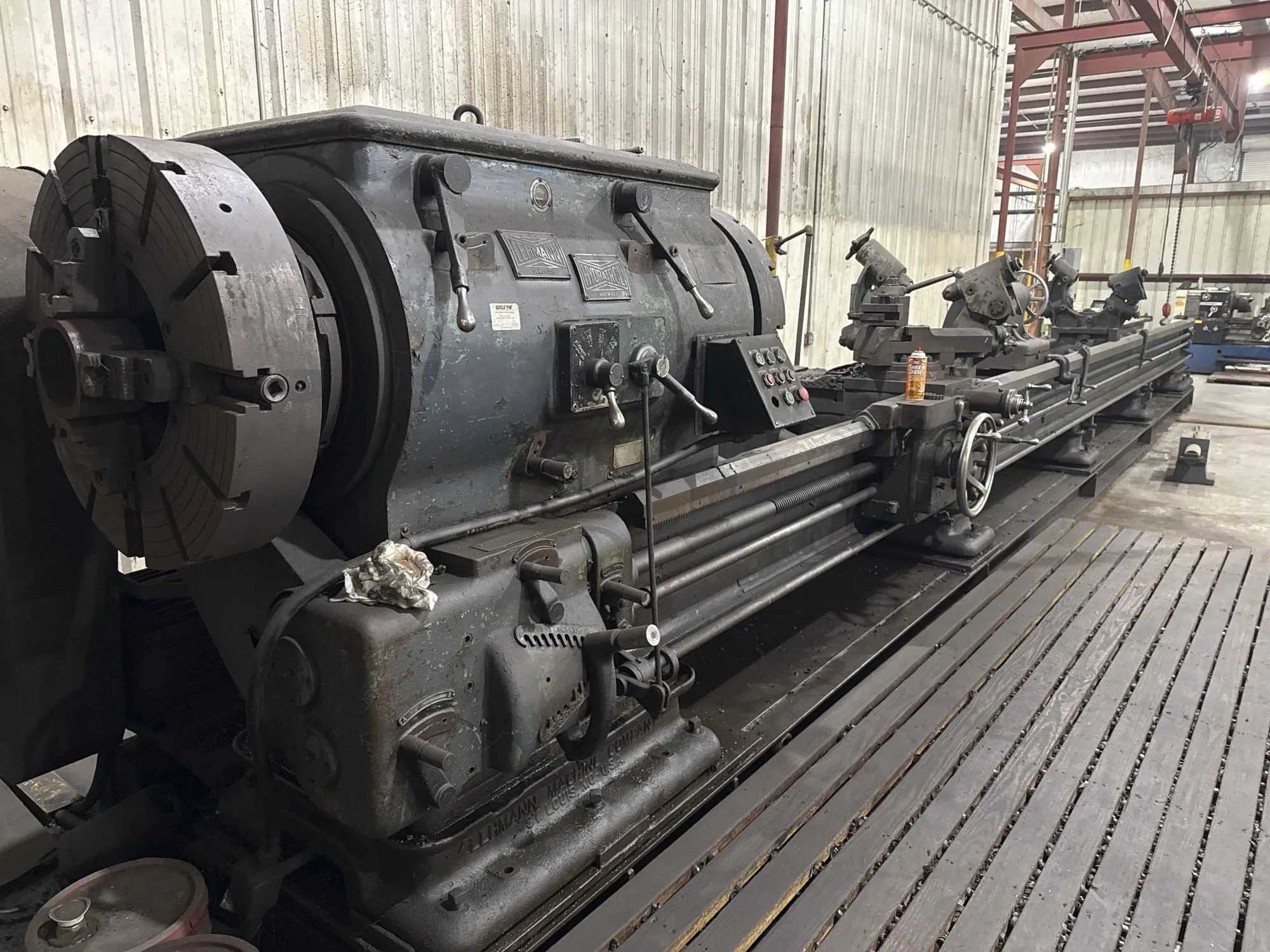

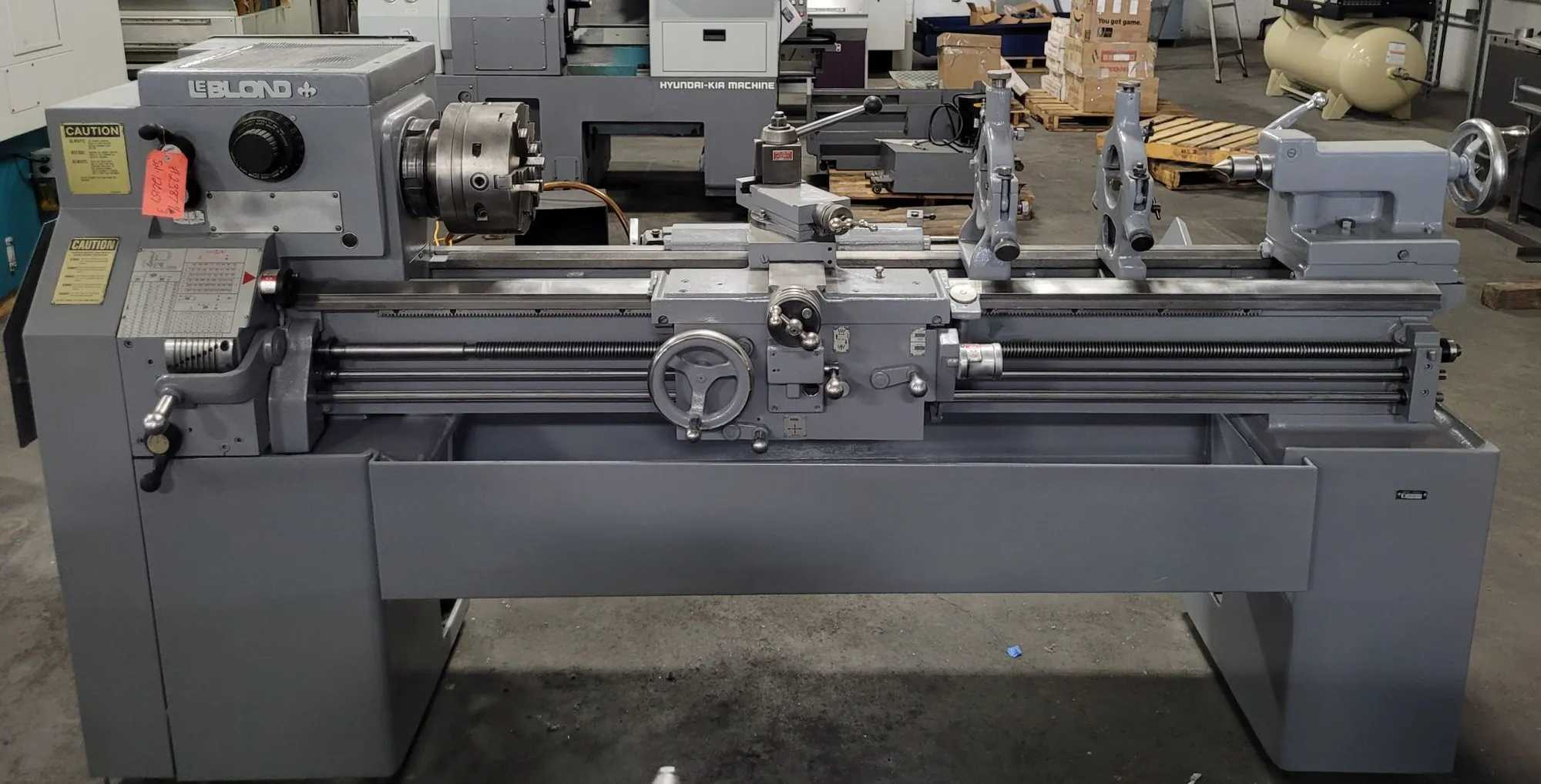
| Attribute | SelectedSKODA SRM 125/6000 MANUAL LATHE | SKODA SR2 130 CNC LATHE | |
|---|---|---|---|
| OEM | SKODA | SKODA | |
| Model | SRM 125/6000 | SR2 130 | |
| Year | - | - | |
| Max Swing | 55.12 '' | 66.93 '' | |
| Max Spindle Speed | 315.00 RPM | — | |
| Bed Length | 43.31 '' | — | |
| Similarity | — | 97% | |
| Auction Value$5,000 - $36,000Retail Value— | Auction Value$5,000 - $35,000Retail Value— | |
| Current Machine | View Details |