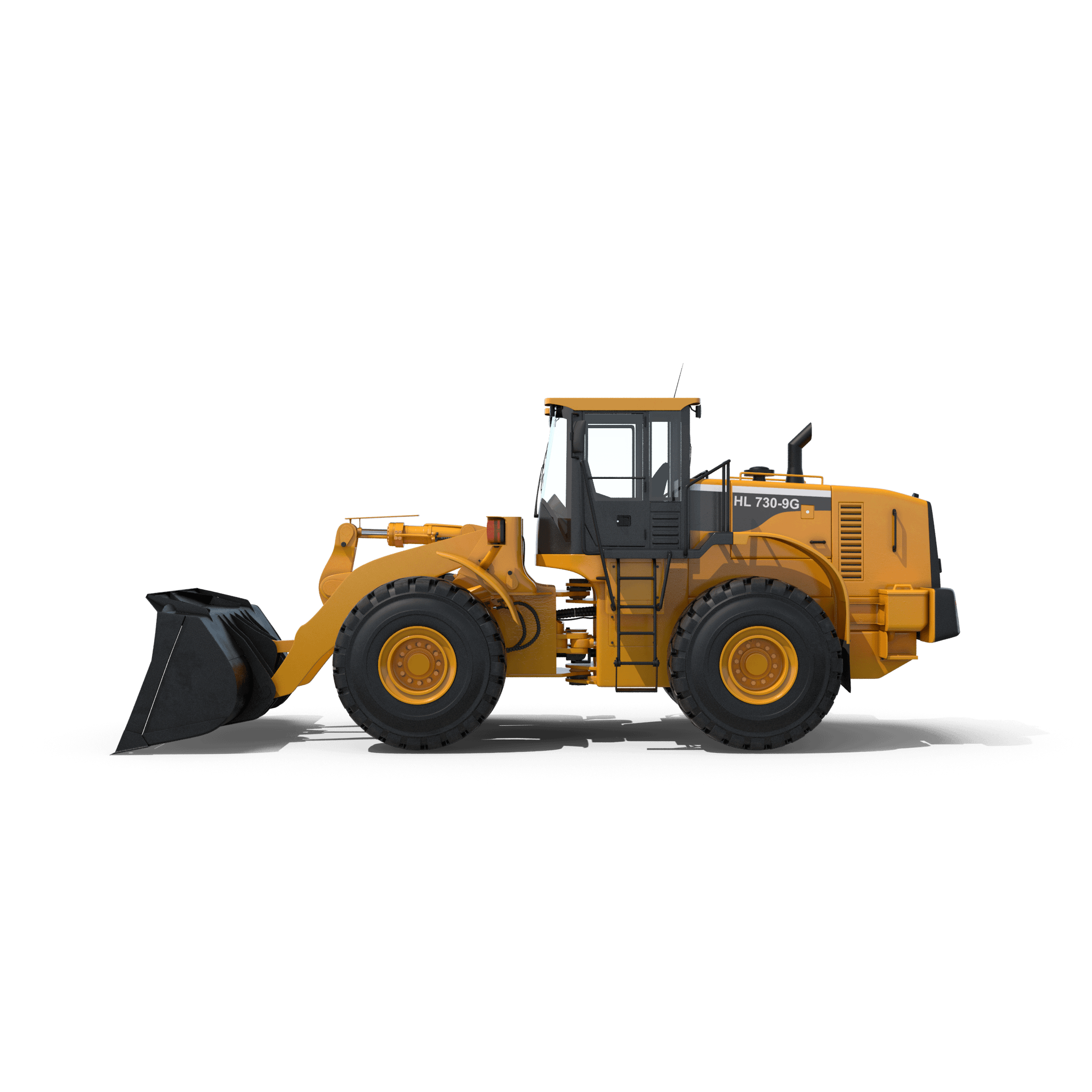
ZETTELMEYER ZL602SIB WHEEL LOADER
ZETTELMEYER · ZL602SIB
Specifications & Market Value
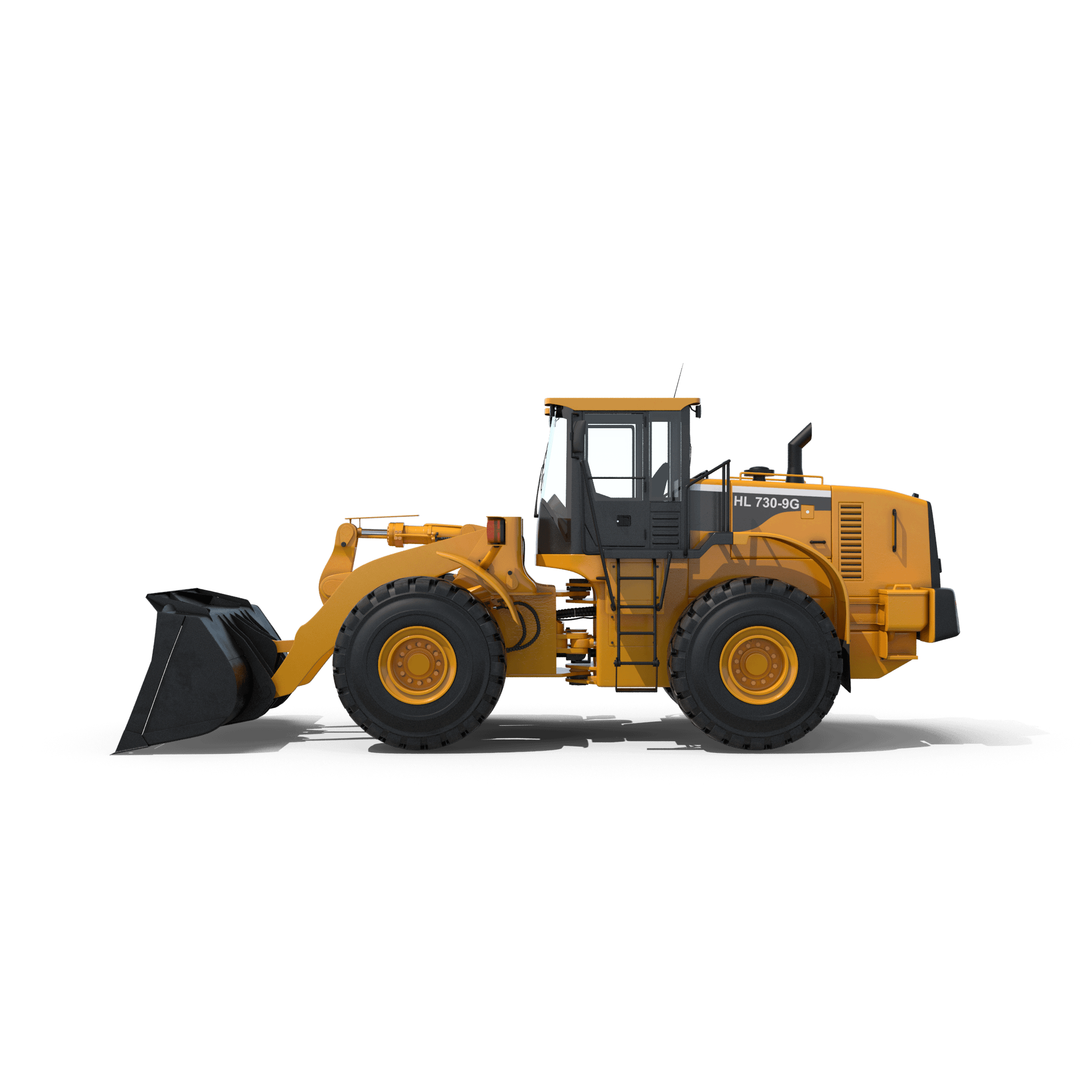
 Reference image
The Volvo L180H High-Lift wheel loader features a robust Volvo D13J turbocharged engine with a gross power of 329.9 hp (245 kW) at 1400 rpm and a net torque of approximately 2024 Nm at 1000 rpm, delivering powerful and efficient performance. It is equipped with a Volvo HTL 223 transmission and torque multiplication ratio of 2.09:1, providing smooth and responsive drive with a maximum transport speed of 23.6 mph (37 kph). The drivetrain includes Volvo AWB 40B front and rear axles with rear axle oscillation of 13°, enhancing stability and maneuverability. The machine’s steering system offers a 37° articulation angle with dual steering cylinders, supporting precise control. Hydraulically, it operates at working pressures of 20-21 MPa, with a maximum flow rate of 66.6 gal/min (250 l/min), ensuring responsive bucket and lift arm control. Dimensionally, the L180H High-Lift stands 17 ft (5 m) tall at the cab, with a maximum hinge pin height of 29.3 ft (9 m), length of 31.5 ft (9 m) with bucket on the ground, and width over tires of 10.2 ft (3 m). Ground clearance is 2.1 ft (1 m), making it suitable for rough terrain. Fluid capacities include 96.7 gal (363 l) fuel, 41.3 gal (155 l) hydraulic oil, 14.6 gal (53 l) cooling fluid, and 8.2 gal (30 l) Diesel Exhaust Fluid (DEF). The electrical system features a 24 V setup with two 170 Ah batteries, 1000 A cold cranking capacity, and a 9.4 hp (7 kW) starter motor. The L180H High-Lift is optimized for heavy-duty log handling and other demanding loading tasks, offering excellent reach, stability, and fuel efficiency through advanced Volvo technologies like OptiShift and Rimpull control for superior productivity and operational economy.
Specifications, market trends, and valuation estimates are compiled from manufacturer documentation, historical sales, and industry sources. While care is taken to ensure accuracy, this information is provided for reference purposes only and may contain errors or omissions. Users should independently verify all data before making buying or selling decisions. Valuations do not represent guaranteed transaction prices or binding offers, and Aucto assumes no liability for decisions made using this data.
Spot an error or missing detail? Help us keep our equipment guides accurate for the community.

 A+
A+ Auction Value
$56,833
 Range$10,000 – $82,051
 Sells in ~ 30 days
 Retail Value
—
Sells in ~ 180 days
Item functions as originally intended, shows signs of normal wear. Change the condition to see how it moves both values.
Market Intelligence
ZETTELMEYER · ZL602SIB
ZETTELMEYER · ZL602 · 1995-1998
ZETTELMEYER · ZL601 · 1986-1995
BOBCAT · 2410 · 2008-2017
CATERPILLAR · 928F
LIUGONG · ZL18A · 1998-2003
ZETTELMEYER · ZL302 · 1988-2003
MICHIGAN · 475C · 1994-2023