Buy Now
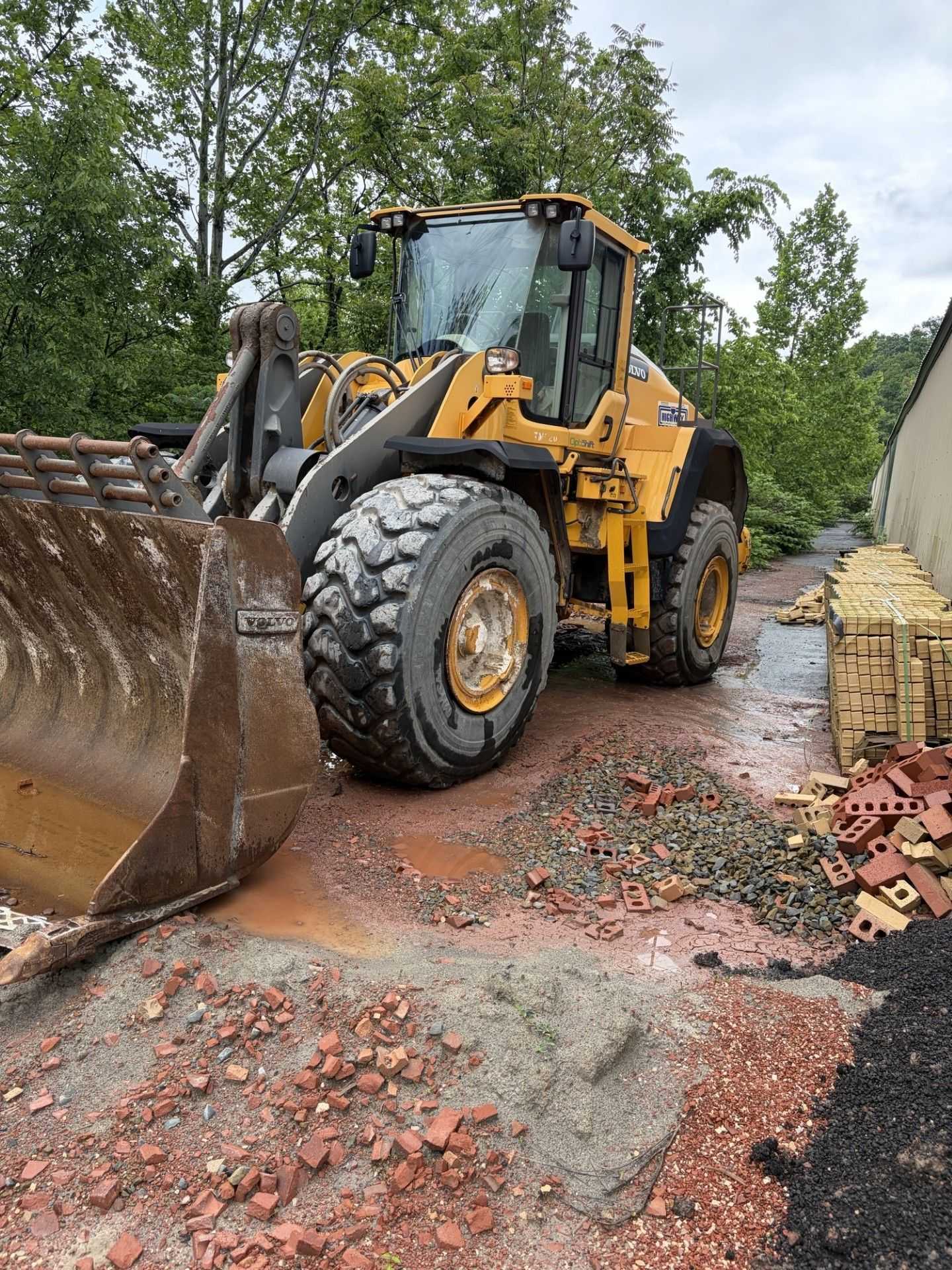
2014 Volvo L150H Wheel Loader, 295HP, Tier 4F, Optishift, Gp Bucket Included
$188,800
$3,128/moPennsylvania
Specifications & Market Value
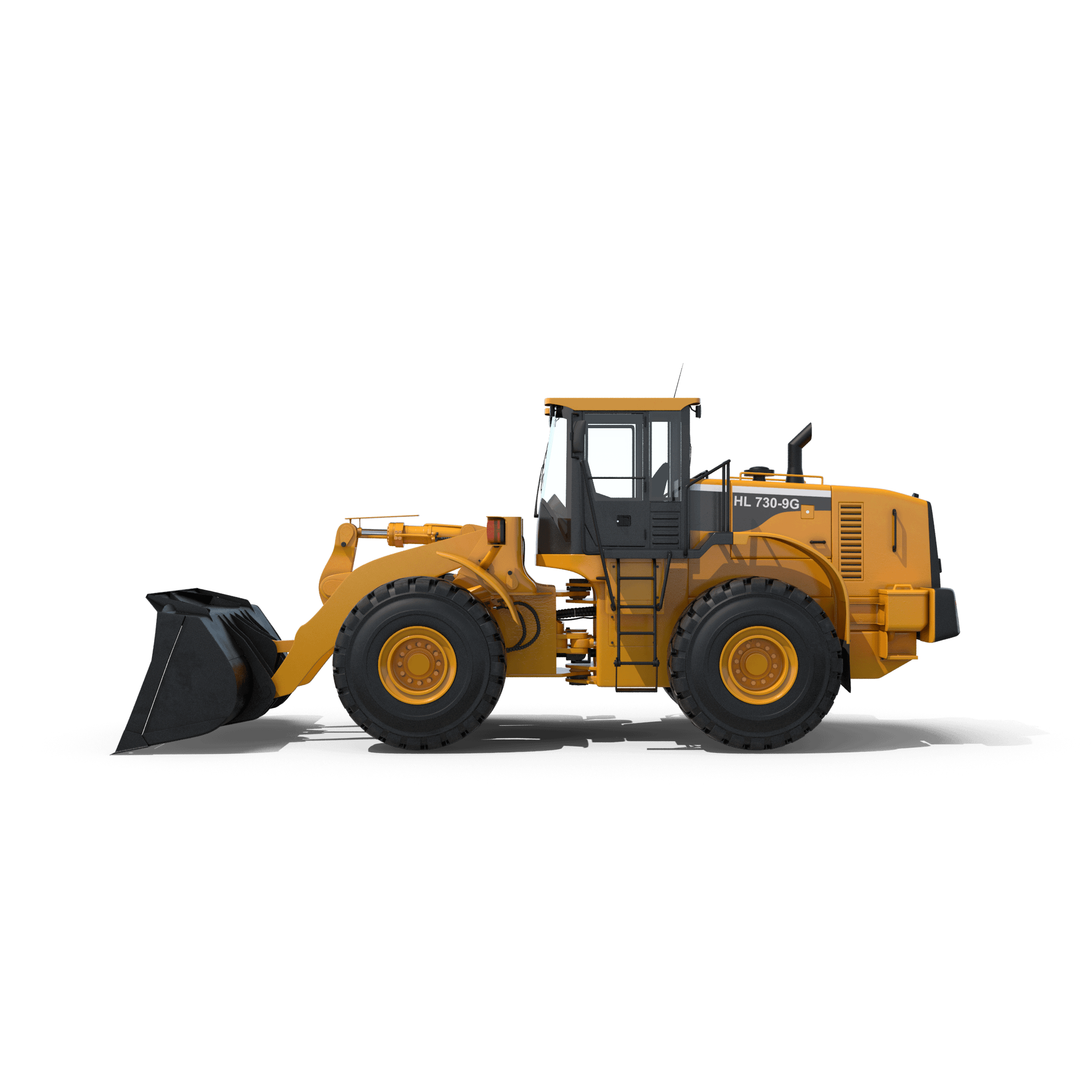
 Reference image
The Volvo L330E is a heavy-duty wheel loader designed for high productivity in demanding construction and mining applications. It features a powerful engine delivering 496.2 hp (370 kW) and is equipped with the Volvo HTE 305 transmission for robust performance and efficient power transfer. The loader has an operating weight of approximately 110,584 lbs (50,160 kg), ensuring stability and durability during heavy loads. Its bucket offers a heaped capacity of 9.1 cubic yards (7 m³) and a dump clearance of 11.5 ft (3 m) at maximum lift, facilitating efficient material handling. The loader’s dimensions include a length of 34.6 ft (10 m) with the bucket on the ground, a height of 13.8 ft (4 m) to the top of the cab, and a wheelbase of 13.4 ft (4 m), optimizing maneuverability and operator visibility. Ground clearance stands at 1.9 ft (0.6 m), suitable for rough terrain. The loader is fitted with large 35/65R33 RL5K L5 tires to provide traction and support on varied surfaces. Fuel capacity is 183.1 gallons (693 liters), supporting extended operation without frequent refueling. The static tipping weight is 78,419 lbs (35,570 kg), indicating its load-handling capability. Overall, the Volvo L330E combines powerful engine output, substantial bucket capacity, and durable construction, making it a reliable choice for large-scale material transport and earthmoving tasks.
Specifications, market trends, and valuation estimates are compiled from manufacturer documentation, historical sales, and industry sources. While care is taken to ensure accuracy, this information is provided for reference purposes only and may contain errors or omissions. Users should independently verify all data before making buying or selling decisions. Valuations do not represent guaranteed transaction prices or binding offers, and Aucto assumes no liability for decisions made using this data.
Spot an error or missing detail? Help us keep our equipment guides accurate for the community.

 A+
A+ Auction Value
$27,257
 Range$5,000 – $39,242
 Sells in ~ 30 days
 Retail Value
—
Sells in ~ 180 days
Item functions as originally intended, shows signs of normal wear. Change the condition to see how it moves both values.
| Attribute | Selected1993 - 2023 VOLVO L330E WHEEL LOADER | 1989 - 1993 VOLVO L330D WHEEL LOADER | |
|---|---|---|---|
| OEM | VOLVO | VOLVO | |
| Model | L330E | L330D | |
| Year | 1993-2023 | 1989-1993 | |
| Engine Power | 496 HP | 498 HP | |
| Static Tipping Weight | 78,418.50 | 78,440.50 | |
| Max Bucket Capacity | 9.10 yd³ | 9.10 yd³ | |
| Tire Size | 35/65R33 | 35/65R33 | |
| Max Dump Height | 11.50 ft | 12.30 ft | |
| Similarity | — | 99% | |
| Auction Value$5,000 - $39,242Retail Value— | Auction Value$5,000 - $39,242Retail Value— | |
| Current Machine | View Details |
Marketplace