YENADENT DC40 VERTICAL MACHINING CENTER
Equipment Overview
Share Link- OEM
- YENADENT
- Model
- DC40
- Year of Manufacture
- -
- Category
- VERTICAL MACHINING CENTERS
Market Value Calculator
A+Technical Description
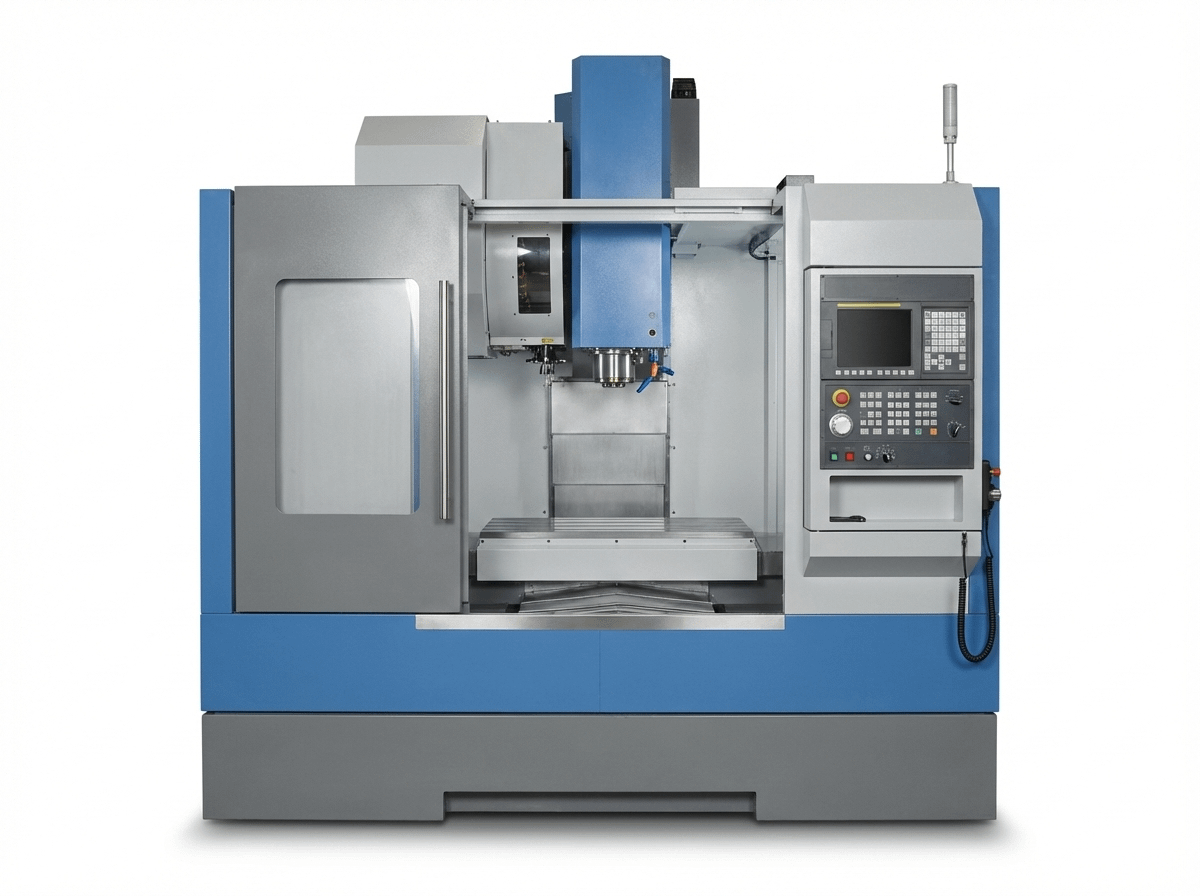
The YENADENT DC40 Vertical Machining Center is a high-performance, 5-axis CNC milling machine engineered for demanding dental laboratory applications. Featuring robust construction and precision engineering, the DC40 delivers reliable operation for milling a wide range of materials including zirconia, PMMA, PEEK, wax, titanium, CoCr, composite resin, and lithium disilicate. The machine offers a working envelope of X: 15.75 inches (400 mm), Y: 9.06 inches (230 mm), and Z: 5.51 inches (140 mm), enabling efficient processing of multiple blocks in a single setup. Equipped with a high-speed spindle capable of up to 45,000 RPM and a powerful 6.5 kW motor, the DC40 ensures rapid material removal and exceptional surface finish. The CNC control system, combined with AC servo motors and high-precision linear guides, provides accurate and repeatable movements for complex dental restorations. The DC40 features a 12-pocket automatic tool changer for increased productivity and reduced downtime, along with a tool length switch for consistent tool setup. The machine’s granite and casting structure, Heidenhain linear scales, and IP67-rated servo motors enhance durability and precision. Designed for continuous operation, the DC40 is suitable for high-volume production environments and is equipped with a wet machining system for optimal cooling and chip removal. The intuitive touch screen interface and advanced CAM software support seamless workflow integration, making the DC40 an ideal solution for dental laboratories seeking high accuracy, efficiency, and versatility in their milling operations.
Technical Attributes
- X-Axis Travel
- 15.75 ''
- Y-Axis Travel
- 9.06 ''
- Z-Axis Travel
- 5.51 ''
- Table Size (LxW)
- 15.75x9.06
- Spindle Taper
- CAT 40
Data Accuracy and Verification
Specifications and technical details are compiled from manufacturer documentation, historical records, and third-party industry sources. While care is taken to ensure accuracy, this information is provided for reference purposes only and may contain errors or omissions. Users should independently verify all details before relying on them.
If you identify any inaccuracies, please help us improve our data by reporting them here.