Buy Now
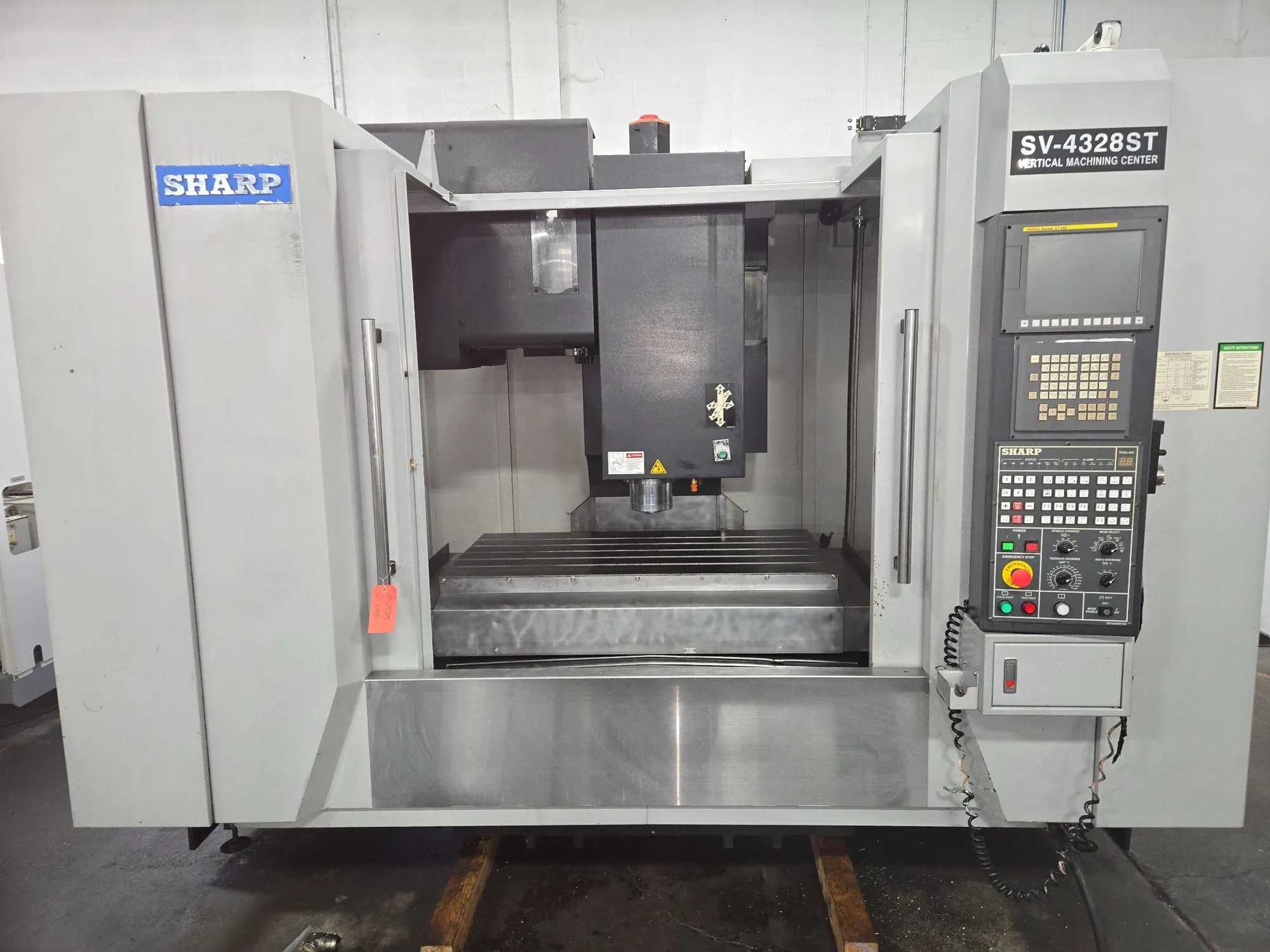
2014 SHARP SV-4328ST VERTICAL MACHINING CENTER, 43.3" X, 27.56" Y, 24" Z TRAVEL, 10,000 RPM
$31,600
$524/moKentucky
Specifications & Market Value
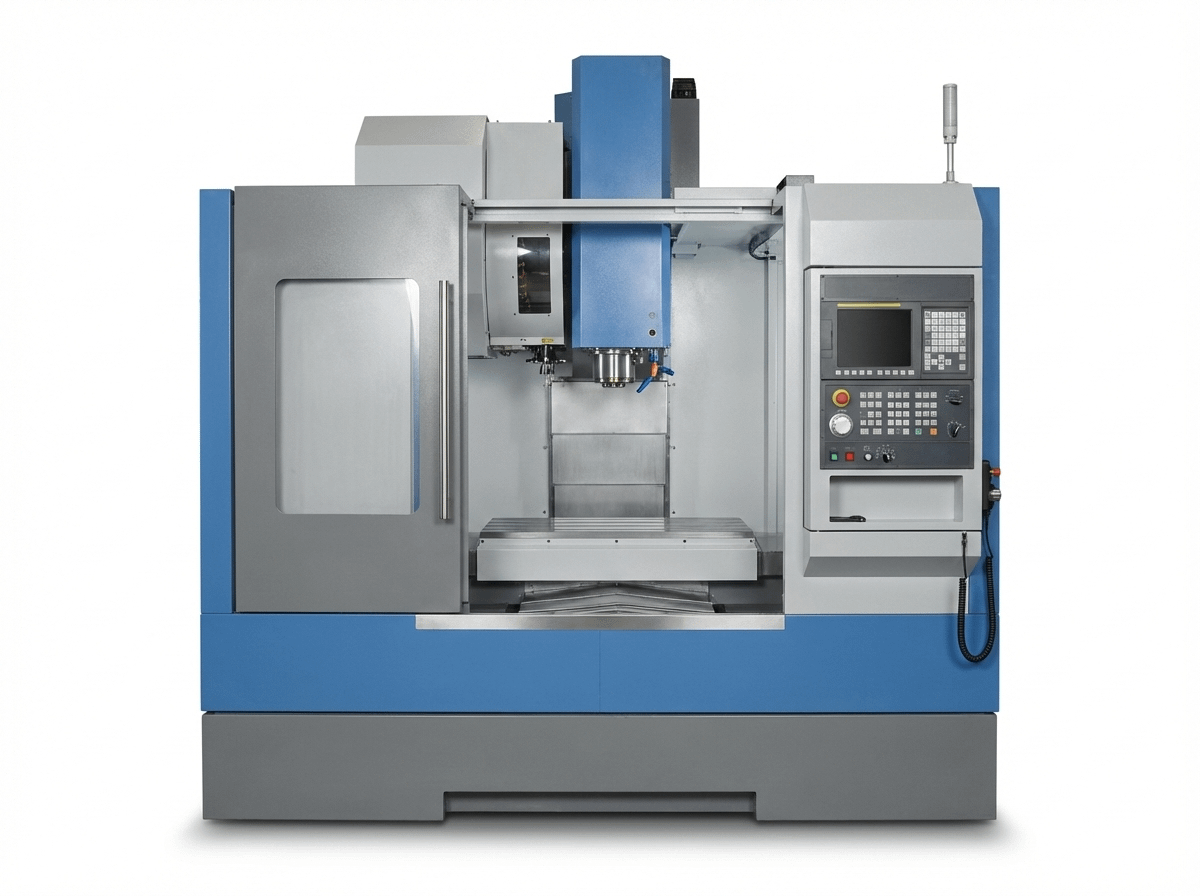
 Reference image
The 2007 Bridgeport GX480 is a 3-axis vertical machining center produced by Hardinge Inc. under the Bridgeport brand, designed as a compact, high-speed production VMC for small to medium precision components. The machine features a 23.6-inch by 15.75-inch worktable with a table load capacity of 661 lbs and a 20-tool swing-arm automatic tool changer with a No. 40 spindle taper. The spindle motor delivers 10 HP at a maximum speed of 10,000 RPM, enabling efficient high-speed machining of aluminum, light alloys, and mild steel. X-axis travel is 18.9 inches, Y-axis travel is 15.75 inches, and Z-axis travel is 16.93 inches. The machine is equipped with a Fanuc 0i-MC CNC control providing high-speed contouring, rigid tapping, and full G-code compatibility. Rapid traverse rates reach 1,417 IPM on all linear axes. The GX480 is the lightest and most compact machine in the GX series, featuring a C-frame design with linear roller guideways on all axes for high-speed accuracy in a small footprint. Standard equipment includes flood coolant, automatic lubrication, tool length measurement, and a chip conveyor. Machine weight is approximately 4,806 lbs, making the GX480 one of the most floor-space-efficient machining centers in its class. The overall footprint is approximately 60 inches wide by 87 inches deep. The 2007 Bridgeport GX480 is well suited for high-density shop layouts, electronics enclosure machining, and precision small-part production in aerospace, medical, and instrumentation applications.
Specifications, market trends, and valuation estimates are compiled from manufacturer documentation, historical sales, and industry sources. While care is taken to ensure accuracy, this information is provided for reference purposes only and may contain errors or omissions. Users should independently verify all data before making buying or selling decisions. Valuations do not represent guaranteed transaction prices or binding offers, and Aucto assumes no liability for decisions made using this data.
Spot an error or missing detail? Help us keep our equipment guides accurate for the community.

 A+
A+ Auction Value
$12,900
 Range$2,500 – $18,500
 Sells in ~ 30 days
 Retail Value
—
Sells in ~ 180 days
Item functions as originally intended, shows signs of normal wear. Change the condition to see how it moves both values.
| Attribute | Selected2007 BRIDGEPORT GX480 VERTICAL MACHINING CENTER | 2014 BRIDGEPORT GX1000 VERTICAL MACHINING CENTER | |
|---|---|---|---|
| OEM | BRIDGEPORT | BRIDGEPORT | |
| Model | GX480 | GX1000 | |
| Year | 2007 | 2014 | |
| Y-Axis Travel | 15.75 '' | 21.25 '' | |
| X-Axis Travel | 18.9 '' | 40.16 '' | |
| Table Size (LxW) | 23.6 x 15.8 | 44.1 x 21.3 | |
| Max Spindle Speed | 10000 RPM | 10000 RPM | |
| # of Axes | 3 | 3 | |
| Control System | Fanuc 0i-MC | Okuma OSP-P200MA | |
| Spindle Power | 10 HP | 20 HP | |
| Z-Axis Travel | 16.93 '' | 21.25 '' | |
| Similarity | — | 98% | |
| Auction Value$2,500 - $18,500Retail Value— | Auction Value$5,000 - $46,300Retail Value— | |
| Current Machine | View Details |
Marketplace