Buy Now
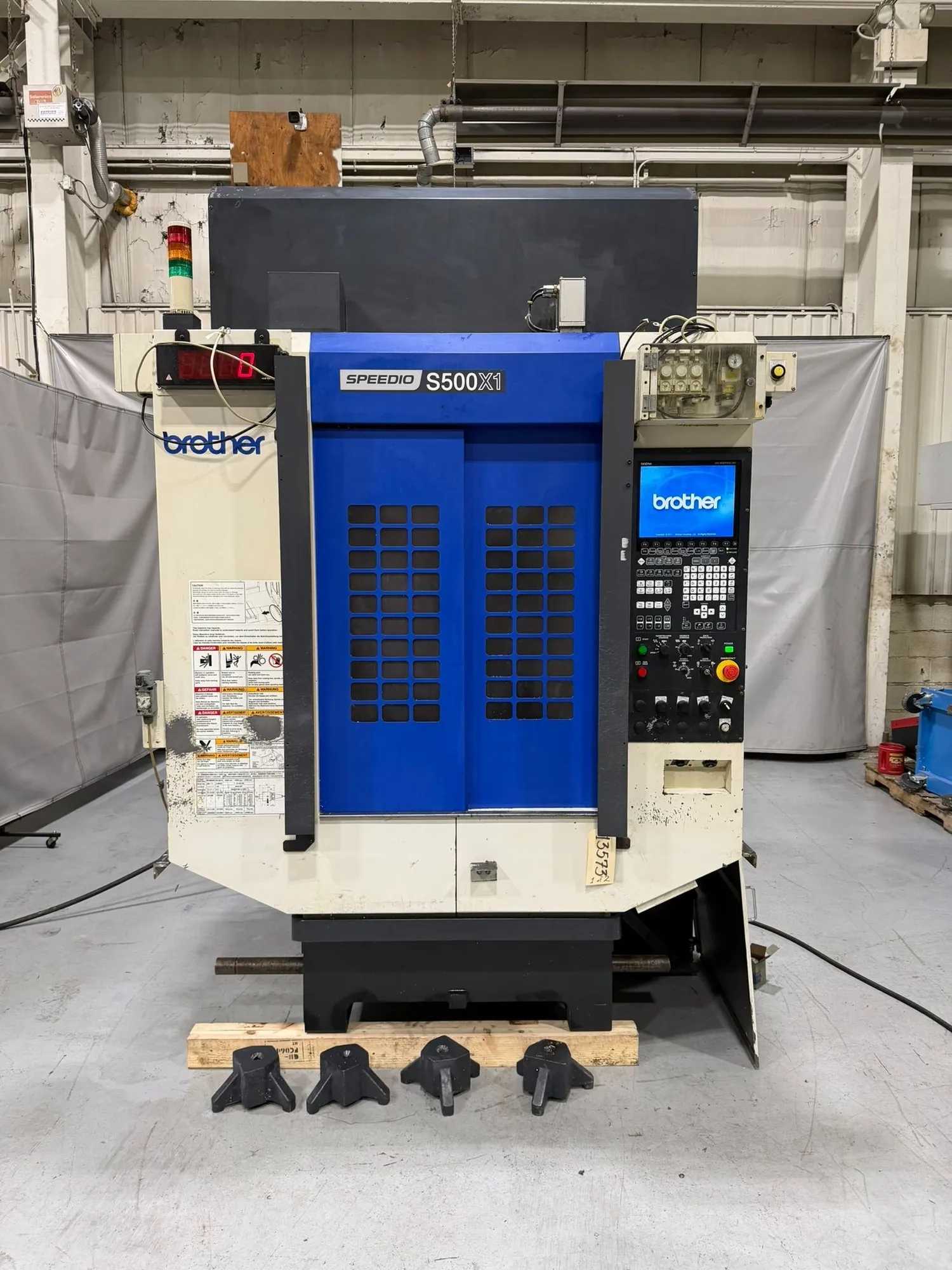
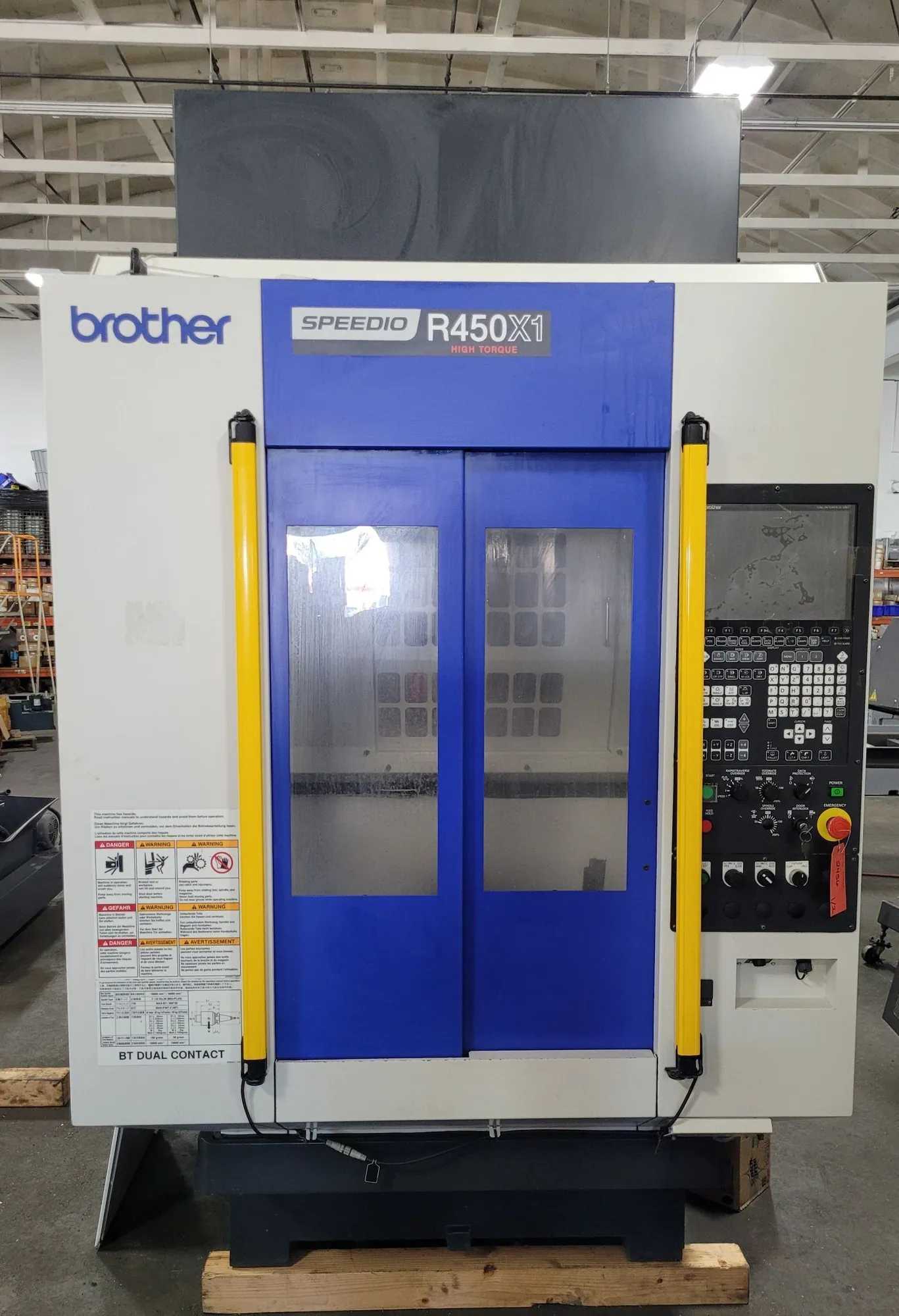
2015 Brother Speedio R450X1 CNC Machining Center, 16K RPM, 22 ATC, 3-Axis, 220V
$42,500
$704/moKentucky
Specifications & Market Value
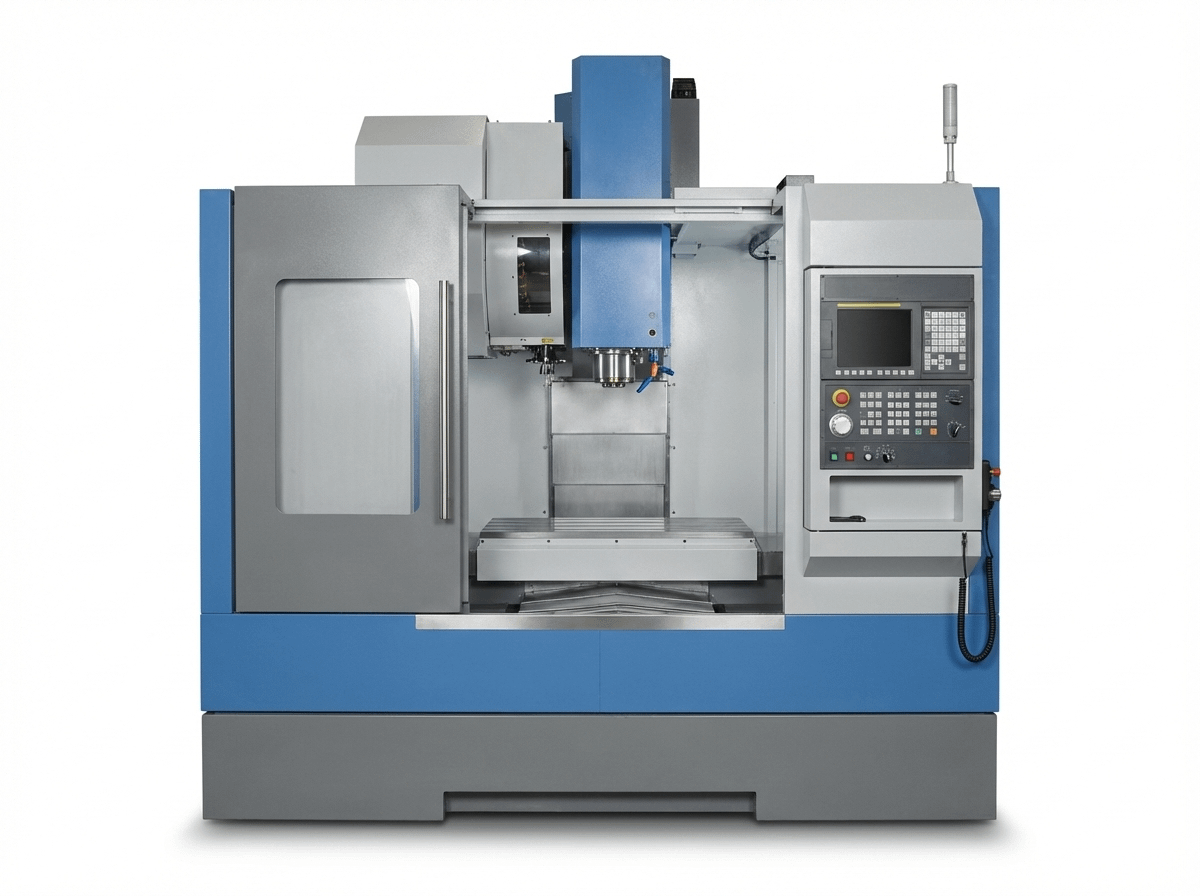
 Reference image
The 1998 Brother TC229 is a 3-axis CNC drilling and tapping center representing a higher-performance model within Brother's TC200 series, featuring an increased maximum spindle speed of 10,000 RPM compared to the earlier TC221 and TC225 models. This speed increase made the TC229 a more capable machine for aluminum and non-ferrous cutting, enabling faster cycle times on complex drilling and tapping programs. The machine is equipped with a BT30 taper spindle, and the CNC control is the Brother CNC-620 system, which provides G-code compatible programming and reliable production-oriented motion control. The work table measures approximately 600 mm x 300 mm (23.6 x 11.8 inches), and axis travels are 480 mm (18.9 inches) in X, 360 mm (14.2 inches) in Y, and 270 mm (10.6 inches) in Z, offering a modestly expanded work envelope compared to the TC225. The spindle motor is rated at approximately 5.7 HP, providing adequate power for the drilling and tapping applications the machine was designed to handle. The automatic tool changer enables sequential tool operations without operator intervention, suitable for multi-feature components in job shop and production environments. The TC229 has a well-established service record and continues to be supported by spare parts availability through the Brother dealer network. It is best suited to shops requiring a reliable, mid-capacity tapping center for aluminum panels, instrument housings, and precision non-ferrous components requiring high hole-count drilling and tapping patterns.
Specifications, market trends, and valuation estimates are compiled from manufacturer documentation, historical sales, and industry sources. While care is taken to ensure accuracy, this information is provided for reference purposes only and may contain errors or omissions. Users should independently verify all data before making buying or selling decisions. Valuations do not represent guaranteed transaction prices or binding offers, and Aucto assumes no liability for decisions made using this data.
Spot an error or missing detail? Help us keep our equipment guides accurate for the community.

 A+
A+ Auction Value
$4,770
 Range$1,000 – $6,800
 Sells in ~ 30 days
 Retail Value
—
Sells in ~ 180 days
Item functions as originally intended, shows signs of normal wear. Change the condition to see how it moves both values.
| Attribute | Selected1998 BROTHER TC229 VERTICAL MACHINING CENTER | 1998 BROTHER TC225 VERTICAL MACHINING CENTER | |
|---|---|---|---|
| OEM | BROTHER | BROTHER | |
| Model | TC229 | TC225 | |
| Year | 1998 | 1998 | |
| Max Spindle Speed | 10000 RPM | 6000 RPM | |
| Z-Axis Travel | 10.6 '' | 9.8 '' | |
| # of Axes | 3 | 3 | |
| Y-Axis Travel | 14.2 '' | 11.8 '' | |
| Table Size (LxW) | 23.6 x 11.8 | 23.6 x 11.8 | |
| X-Axis Travel | 18.9 '' | 16.5 '' | |
| Control System | Brother CNC-620 | Brother CNC | |
| Spindle Power | 5.7 HP | — | |
| Similarity | — | 99% | |
| Auction Value$1,000 - $6,800Retail Value— | Auction Value$500 - $4,400Retail Value— | |
| Current Machine | View Details |
Marketplace