Buy Now
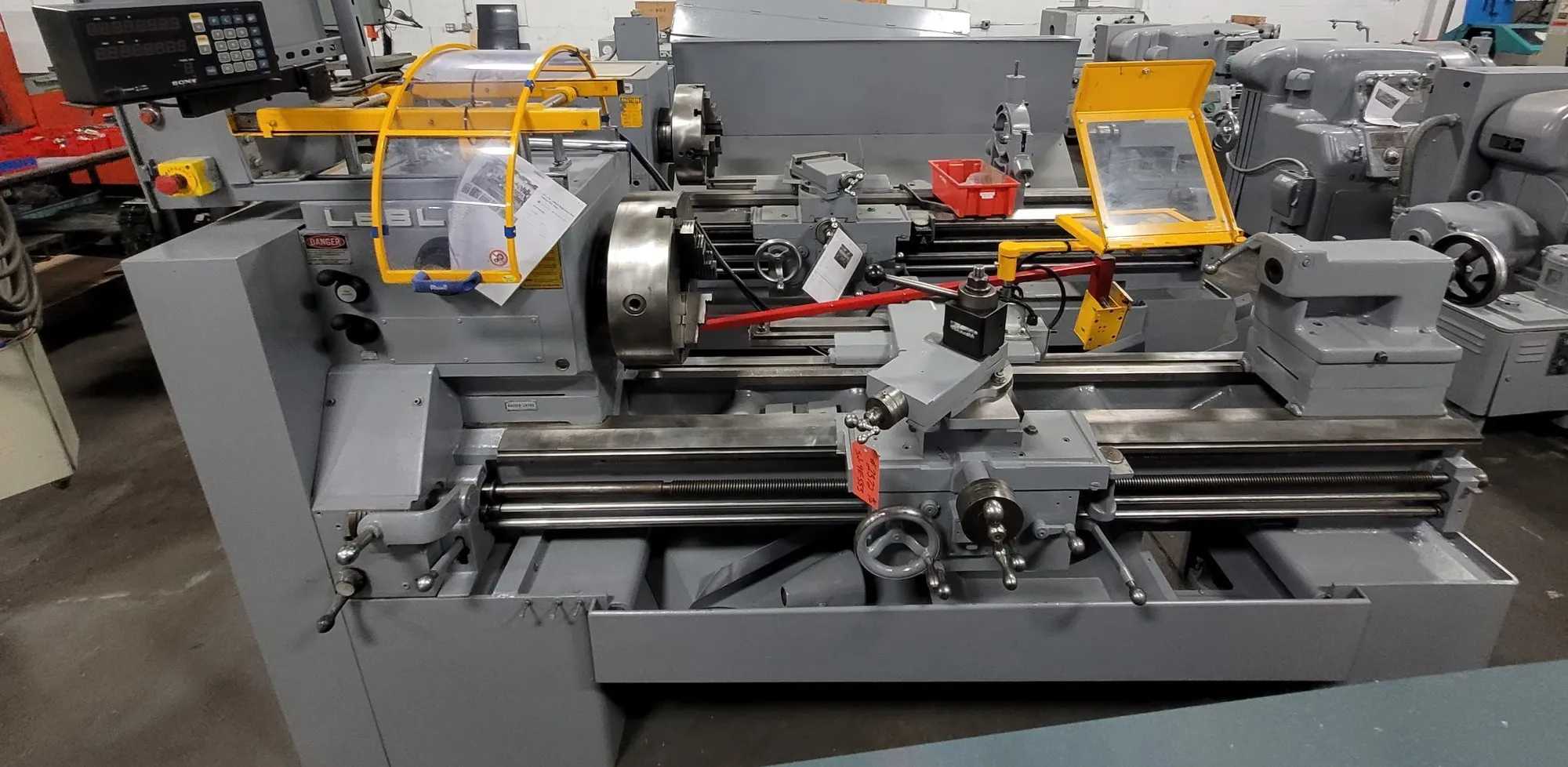
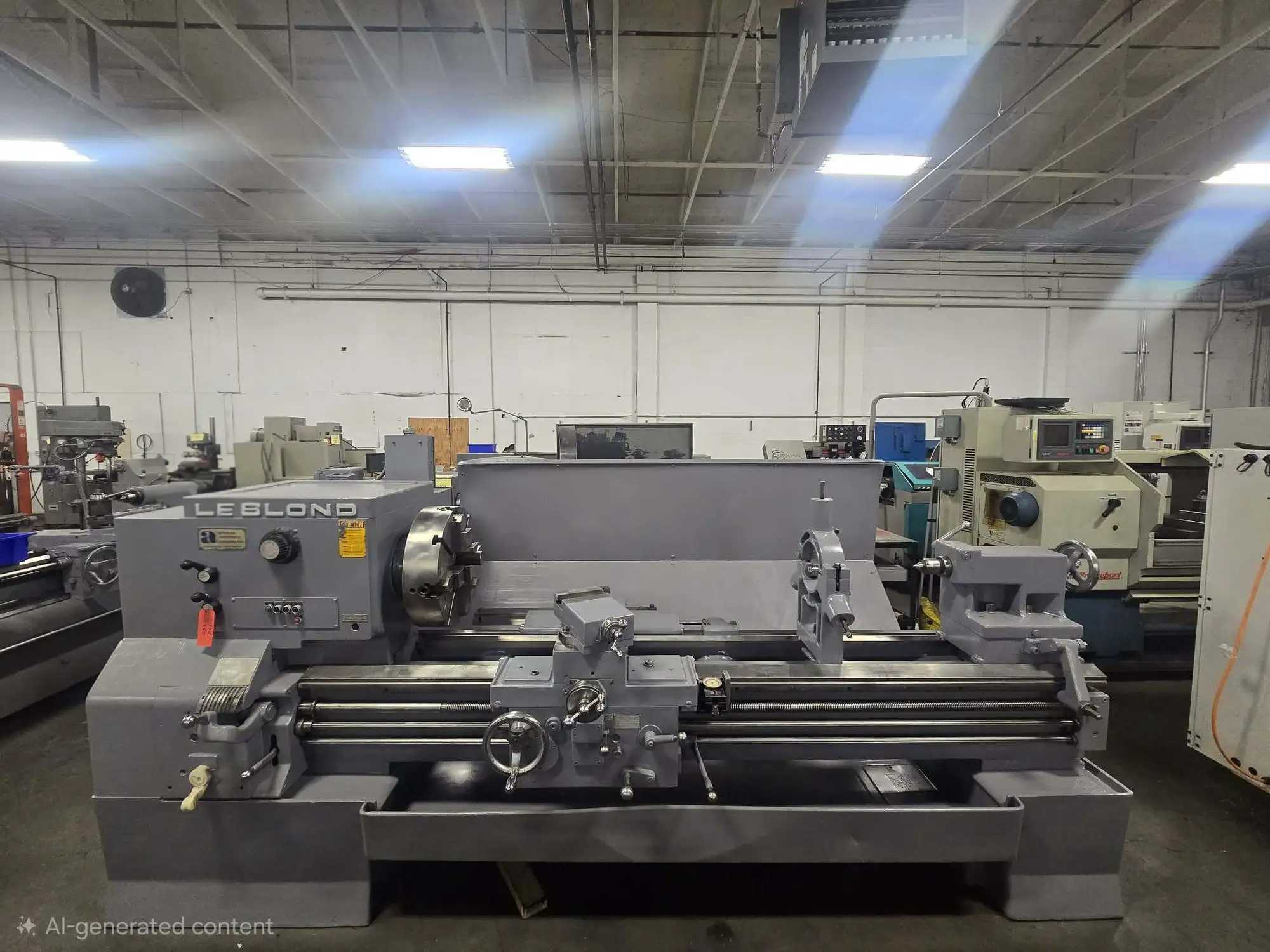
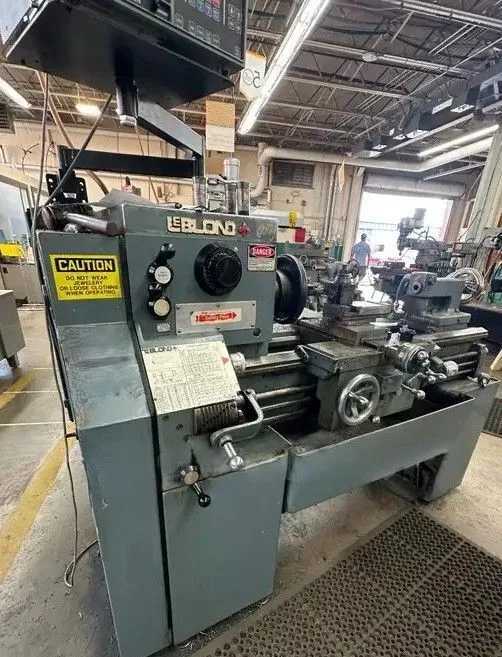
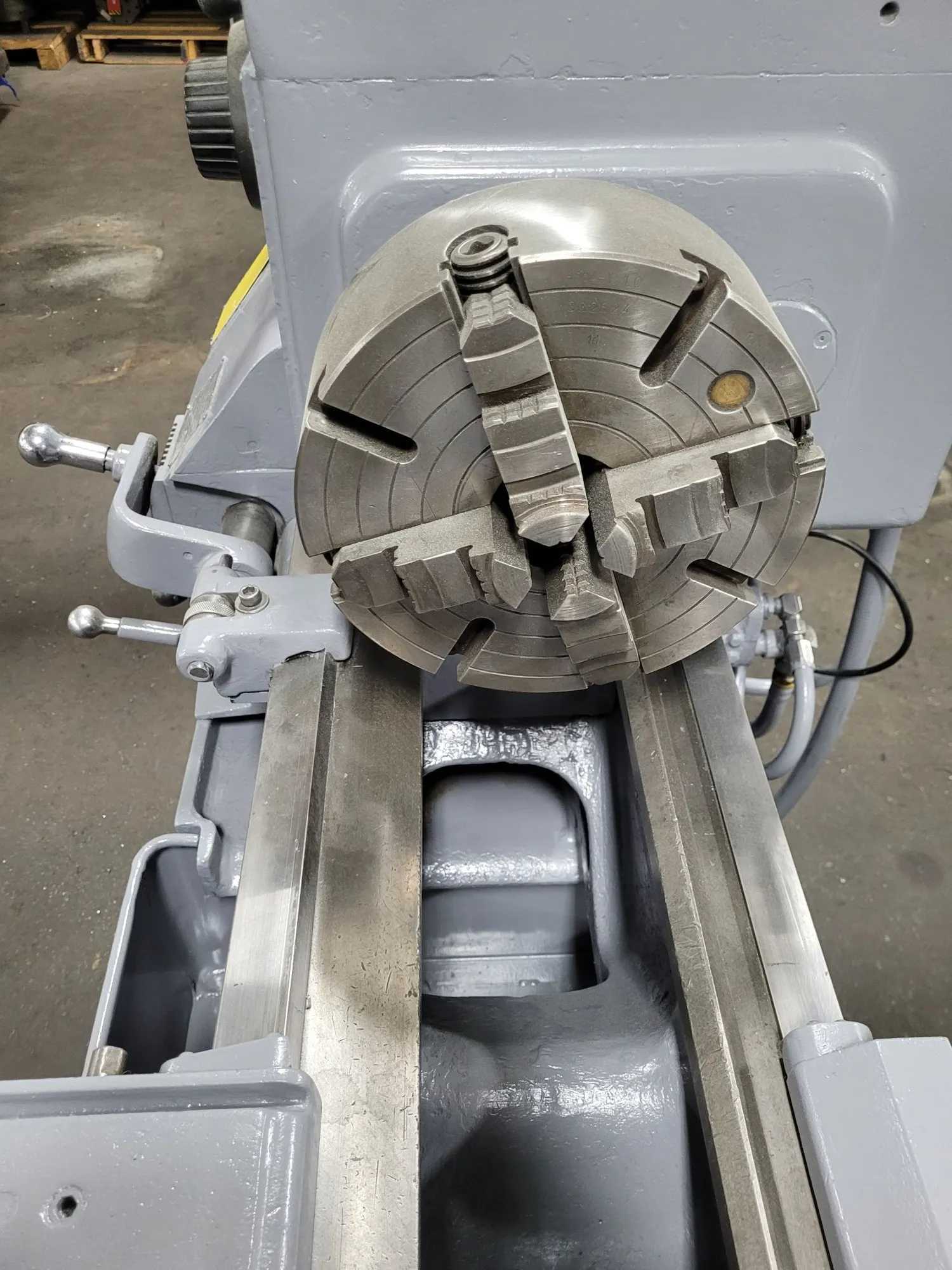
Leblond Heavy-Duty Engine Lathe 16.5" Swing x 102" Centers, Taper/DRO, 1250 RPM
$8,950
$148/moKentucky
Specifications & Market Value
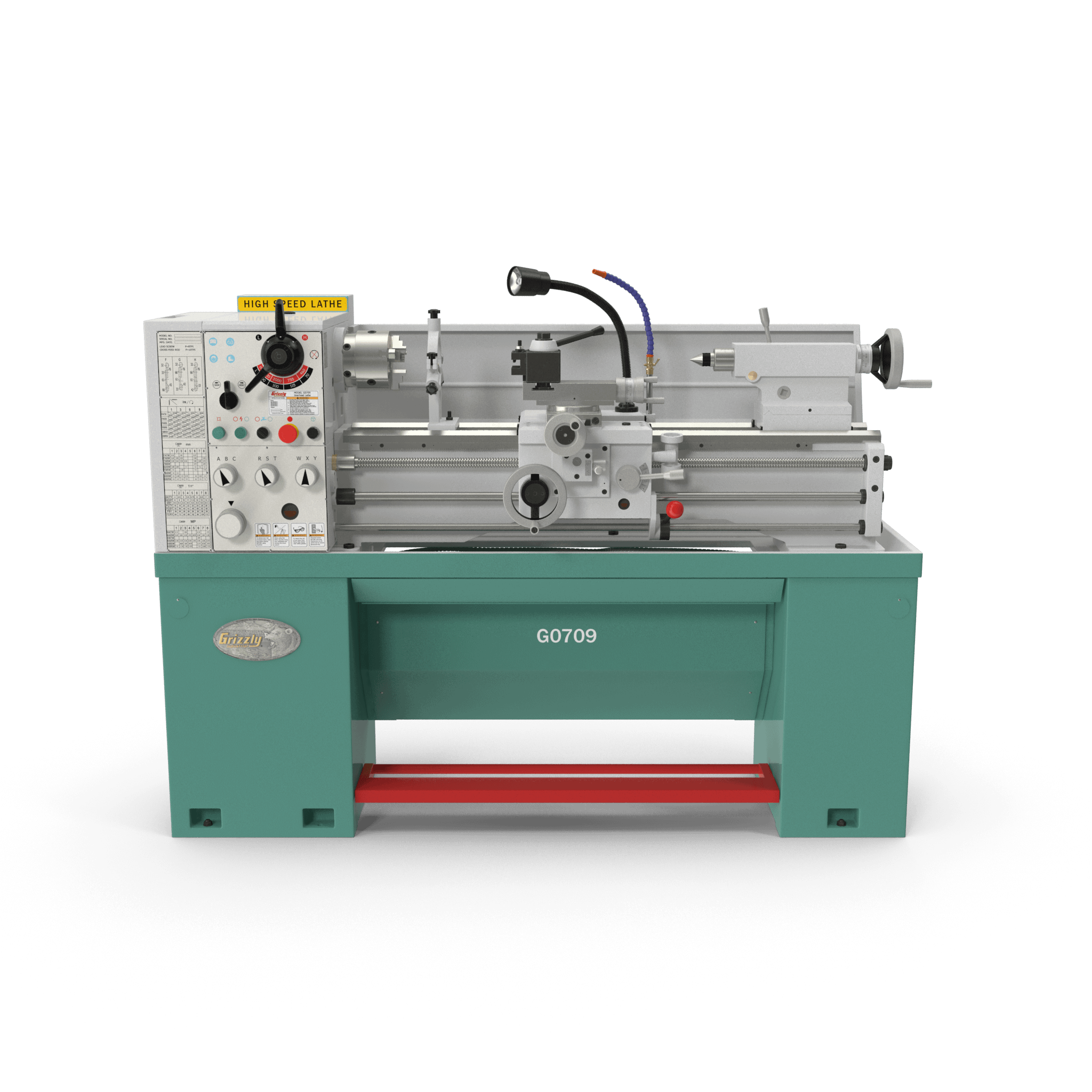
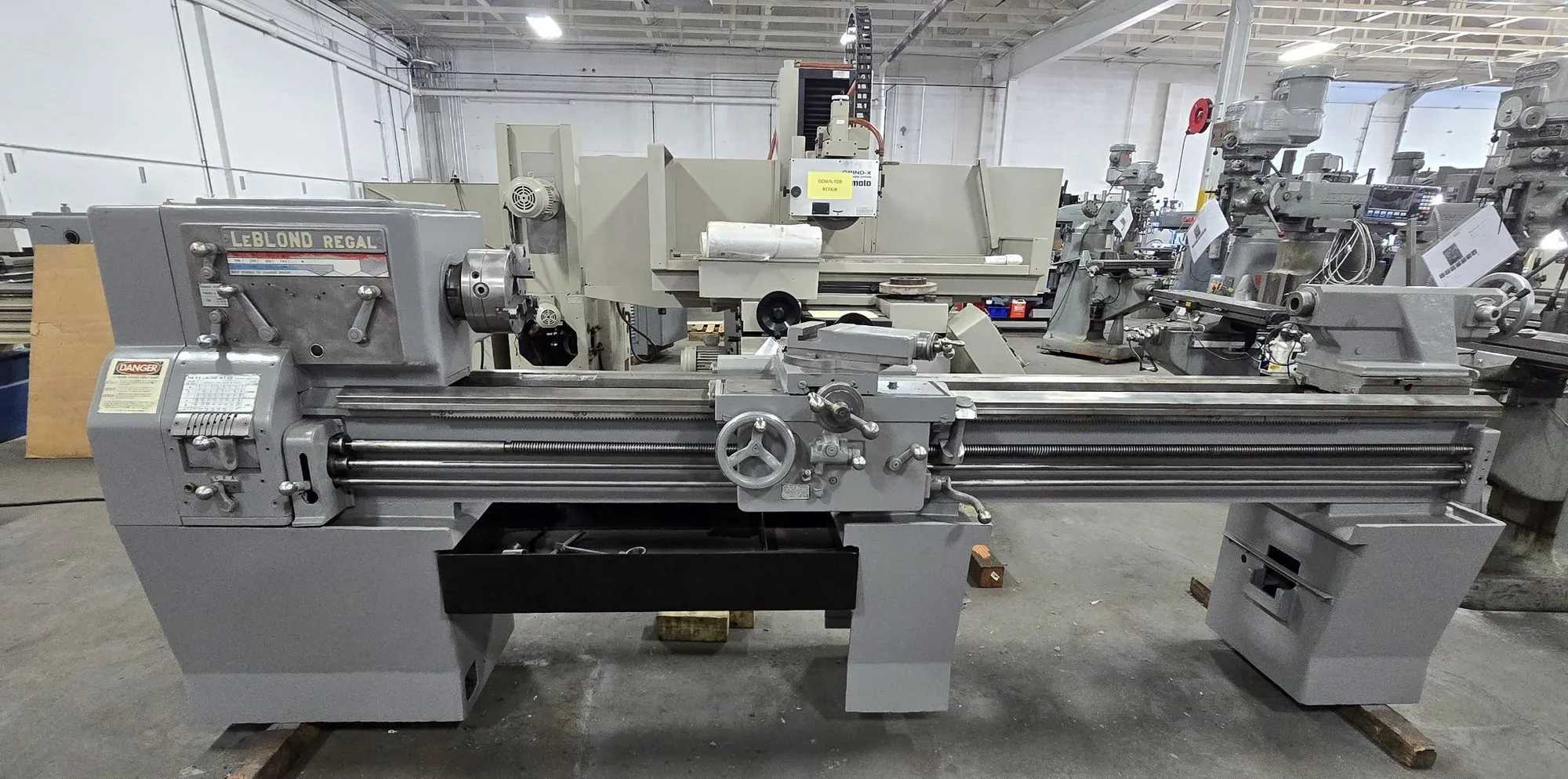
 Reference image
The LeBlond RKL-1760V Manual Lathe is a precision-engineered engine lathe designed for demanding industrial applications, offering a 17.0-inch swing over bed and a 60.0-inch distance between centers. Powered by a robust 7.5 horsepower main drive motor and inverter, this lathe delivers consistent performance and high torque across a wide range of machining operations. The electronic variable speed headstock features three gear ranges, providing infinitely variable spindle speeds from 30 to 2200 RPM, allowing for optimal control and accuracy in both low and high-speed cutting tasks. The control panel, mounted above the headstock, includes an RPM LED display, speed control knob, emergency stop, and spindle jogging button for ease of operation and safety. Standard equipment includes a coolant system with electric pump, manual chuck guard with safety interlock, full-length splash guard, removable front chip pan, lockable main disconnect switch, halogen work light, dead centers, spindle center sleeve, thread indicator, and leveling pads. The lathe is equipped for 230V/3PH/60HZ or 480V/3PH/60HZ electrical supply, making it adaptable to various shop environments. Designed for reliability and precision, the RKL-1760V is suitable for processing a wide range of materials and is ideal for shops requiring high accuracy and durability in manual turning operations.
Specifications, market trends, and valuation estimates are compiled from manufacturer documentation, historical sales, and industry sources. While care is taken to ensure accuracy, this information is provided for reference purposes only and may contain errors or omissions. Users should independently verify all data before making buying or selling decisions. Valuations do not represent guaranteed transaction prices or binding offers, and Aucto assumes no liability for decisions made using this data.
Spot an error or missing detail? Help us keep our equipment guides accurate for the community.

 A+
A+ Auction Value
$18,715
 Range$5,000 – $26,100
 Sells in ~ 30 days
 Retail Value
—
Sells in ~ 180 days
Item functions as originally intended, shows signs of normal wear. Change the condition to see how it moves both values.
| Attribute | SelectedLEBLOND RKL-1760V MANUAL LATHE | LEBLOND RKL-1760G MANUAL LATHE | |
|---|---|---|---|
| OEM | LEBLOND | LEBLOND | |
| Model | RKL-1760V | RKL-1760G | |
| Year | - | - | |
| Max Swing | 17.00 '' | 17.00 '' | |
| Distance Between Centers | 60.00 '' | 60.00 '' | |
| Similarity | — | 100% | |
| Auction Value$5,000 - $26,100Retail Value— | Auction Value$2,500 - $21,500Retail Value— | |
| Current Machine | View Details |
Marketplace