Buy Now
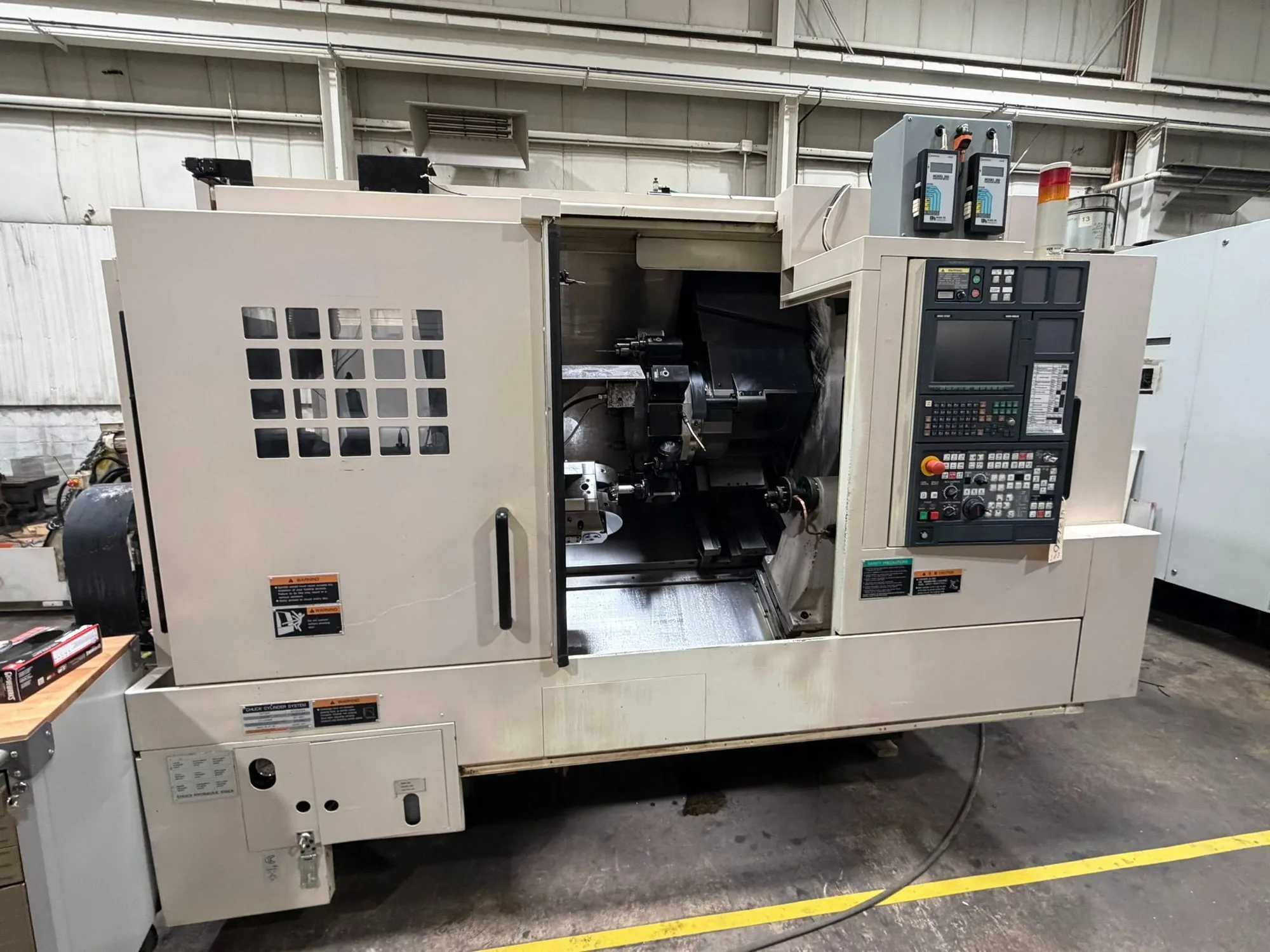
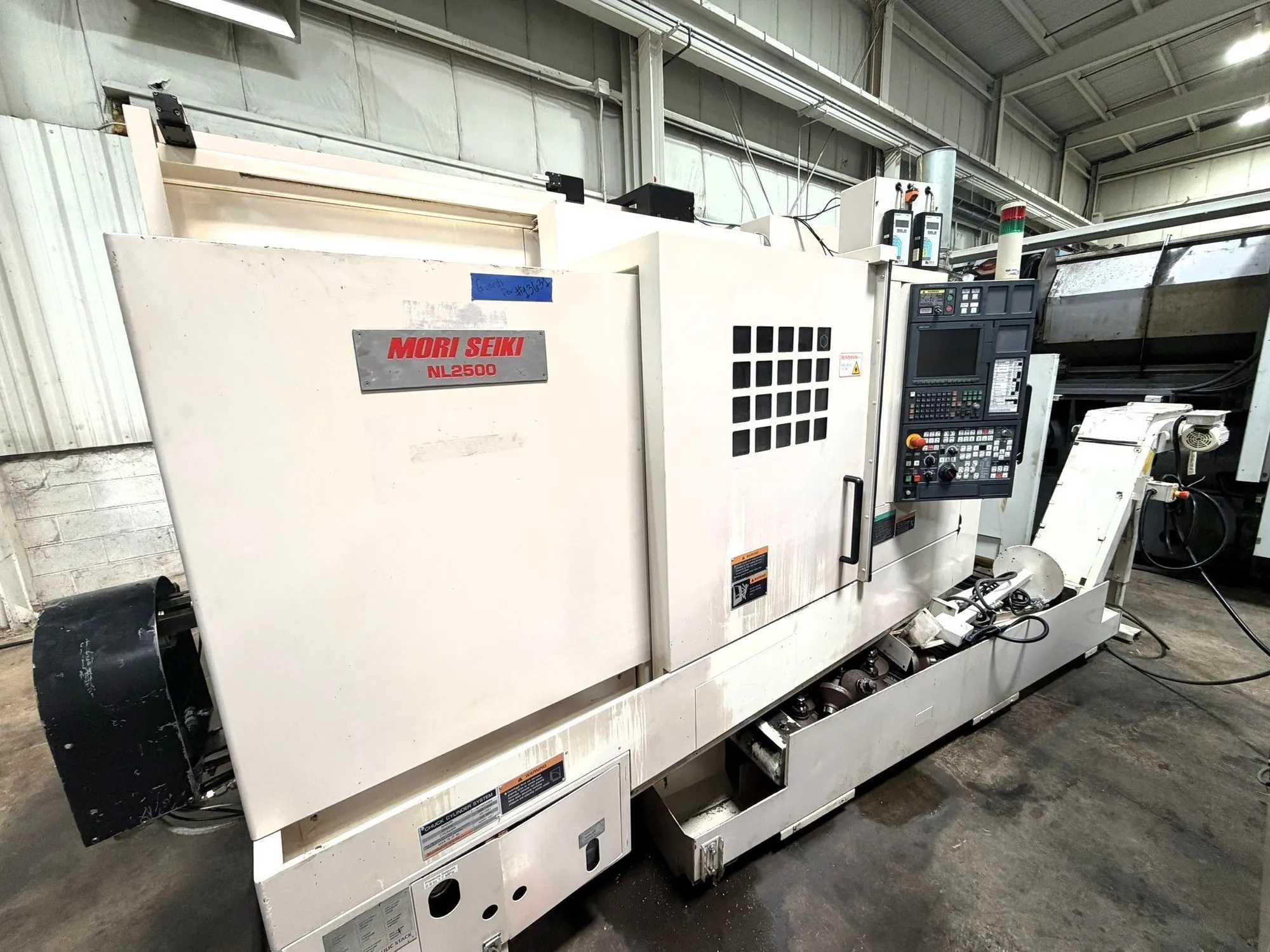
2008 Mori Seiki NL2500Y/700 CNC Lathe, 4,000 RPM, 25 HP, Y-Axis, MSX-850
$49,500
$820/moIllinois
Specifications & Market Value
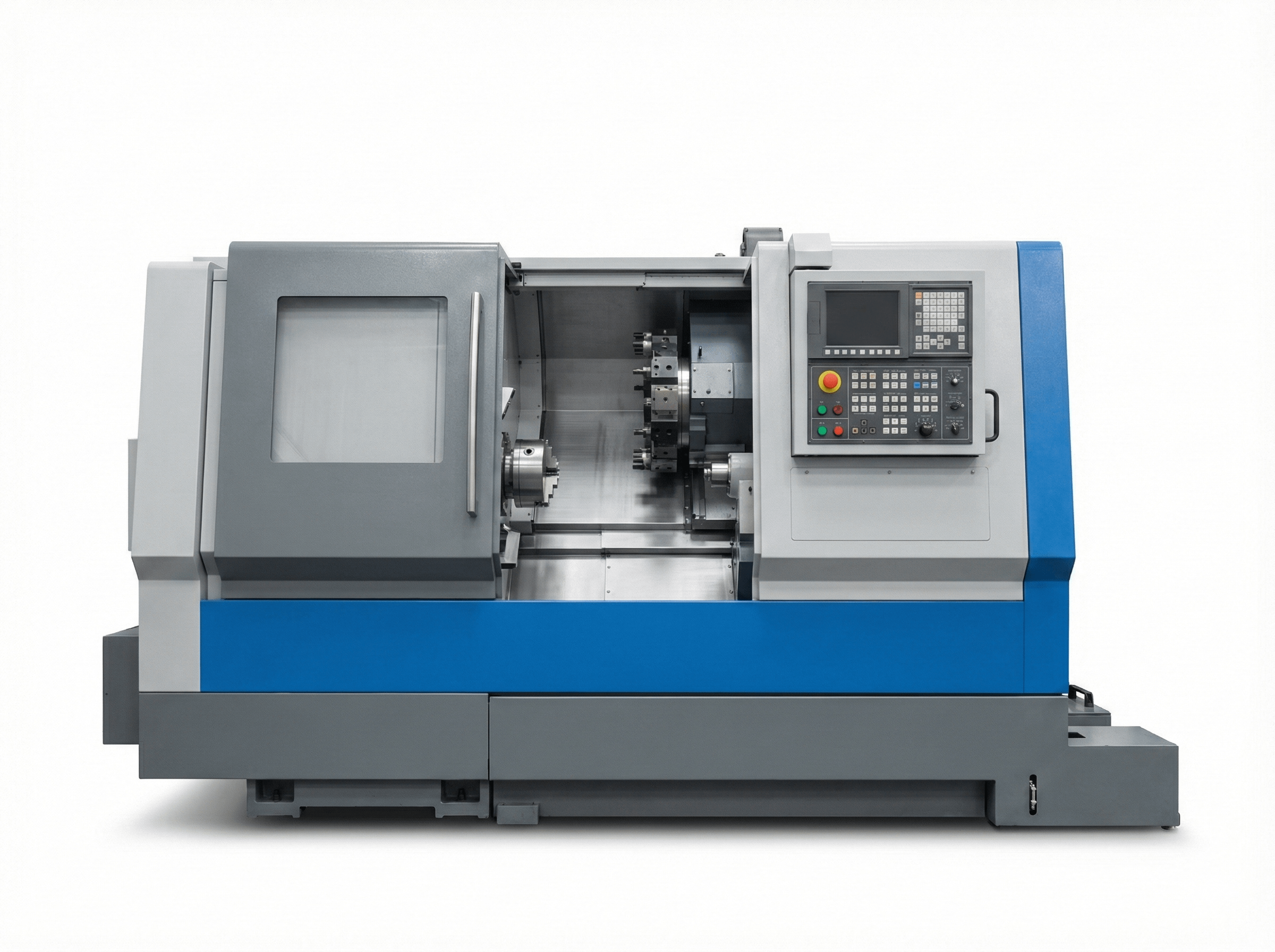
 Reference image
A 10-inch chuck is a medium to large-capacity workholding device designed for lathe and machining center applications. This chuck size accommodates workpieces with diameters up to approximately 10 inches, making it suitable for processing round bars, rings, pipes, and other cylindrical components. The chuck functions as a precision clamping mechanism that securely holds workpieces during cutting, grinding, or milling operations, with typical repeatability tolerances ranging from 0.0005" to 0.001" TIR (total indicated runout). Ten-inch chucks are available in multiple jaw configurations, with 3-jaw and 4-jaw designs being most common. Three-jaw chucks offer versatility for round and hexagonal workpieces, while 4-jaw versions provide independent jaw control for irregular shapes and custom workholding applications. The chuck body is typically constructed from either forged steel or cast iron, with hardened and ground jaws ensuring extended service life and consistent gripping performance. These chucks accommodate various mounting options, including direct-mount configurations for specific spindle types and plain back designs that utilize adapter plates for compatibility across different machines. A 10-inch chuck generates substantial clamping force suitable for high-speed operations and heavy-duty cutting applications, though the specific control mechanism—whether manual, hydraulic, or pneumatic—varies by model. Quick-change jaw systems and machinable jaw inserts are often available as options, enabling rapid setup changes for multi-product production environments.
Specifications, market trends, and valuation estimates are compiled from manufacturer documentation, historical sales, and industry sources. While care is taken to ensure accuracy, this information is provided for reference purposes only and may contain errors or omissions. Users should independently verify all data before making buying or selling decisions. Valuations do not represent guaranteed transaction prices or binding offers, and Aucto assumes no liability for decisions made using this data.
Spot an error or missing detail? Help us keep our equipment guides accurate for the community.

 A+
A+ Auction Value
$7,525
 Range$2,000 – $10,500
 Sells in ~ 30 days
 Retail Value
—
Sells in ~ 180 days
Item functions as originally intended, shows signs of normal wear. Change the condition to see how it moves both values.
| Attribute | SelectedMORI SEIKI SL-35 CNC LATHE | MORI SEIKI SL-25B CNC LATHE | |
|---|---|---|---|
| OEM | MORI SEIKI | MORI SEIKI | |
| Model | SL-35 | SL-25B | |
| Year | - | - | |
| Similarity | — | 97% | |
| Auction Value$2,000 - $10,500Retail Value— | Auction Value$2,000 - $10,500Retail Value— | |
| Current Machine | View Details |
Marketplace