Buy Now
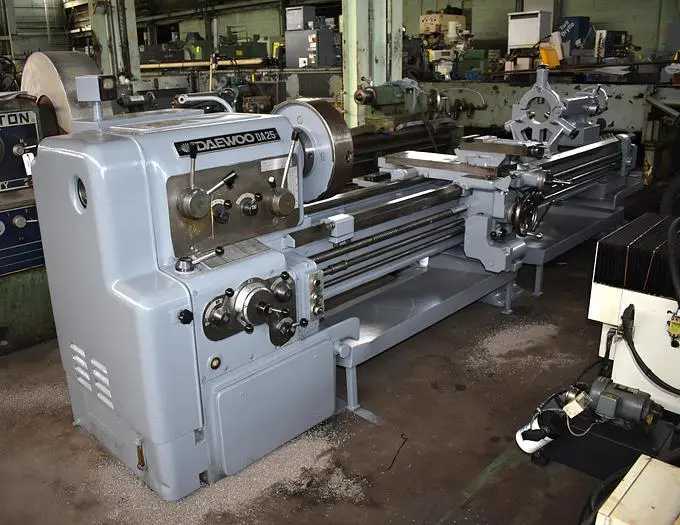
Engine Lathe, 25in Swing, 120in Centers, 15 HP, 10250 lbs
$24,500
$406/moKentucky
Specifications & Market Value
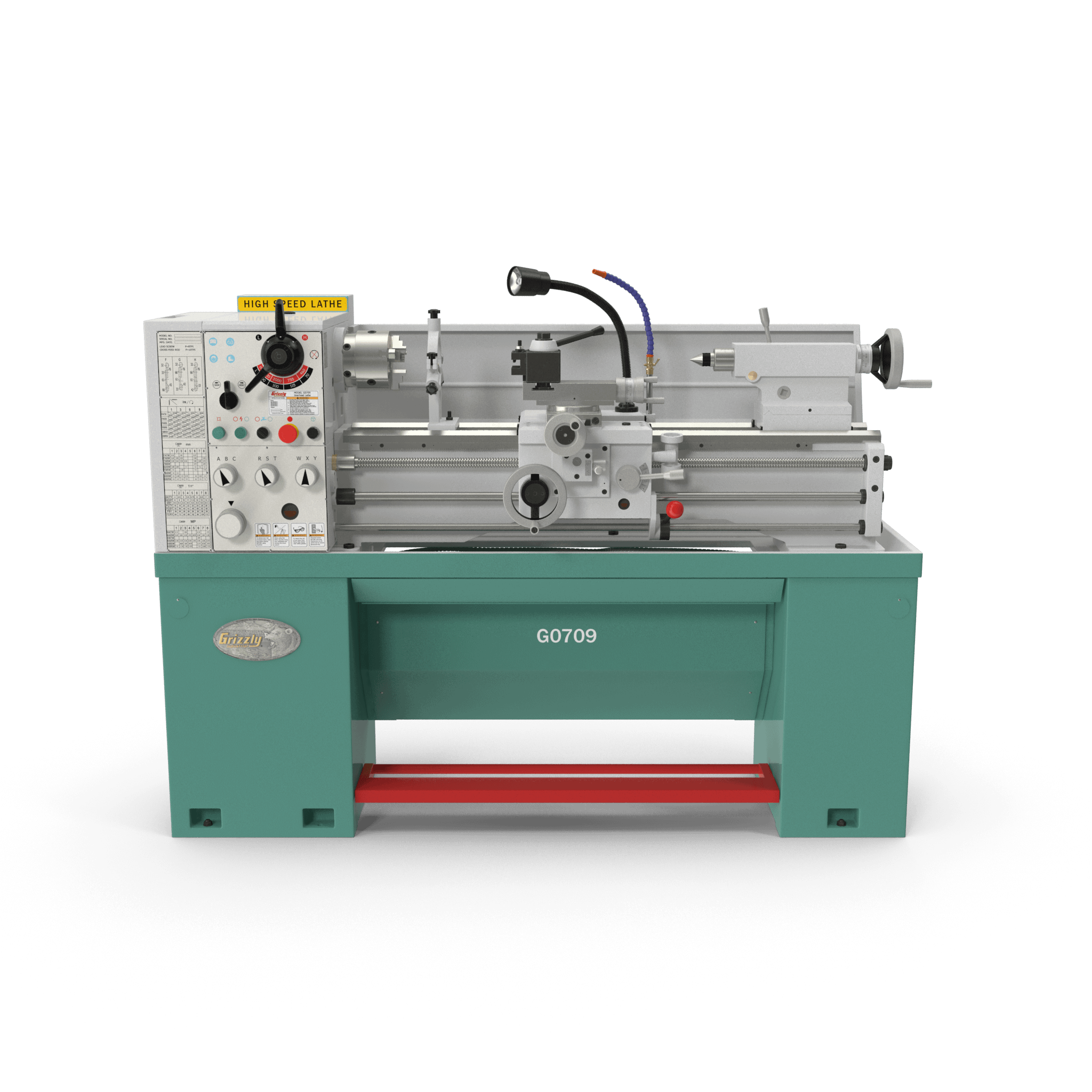
 Reference image
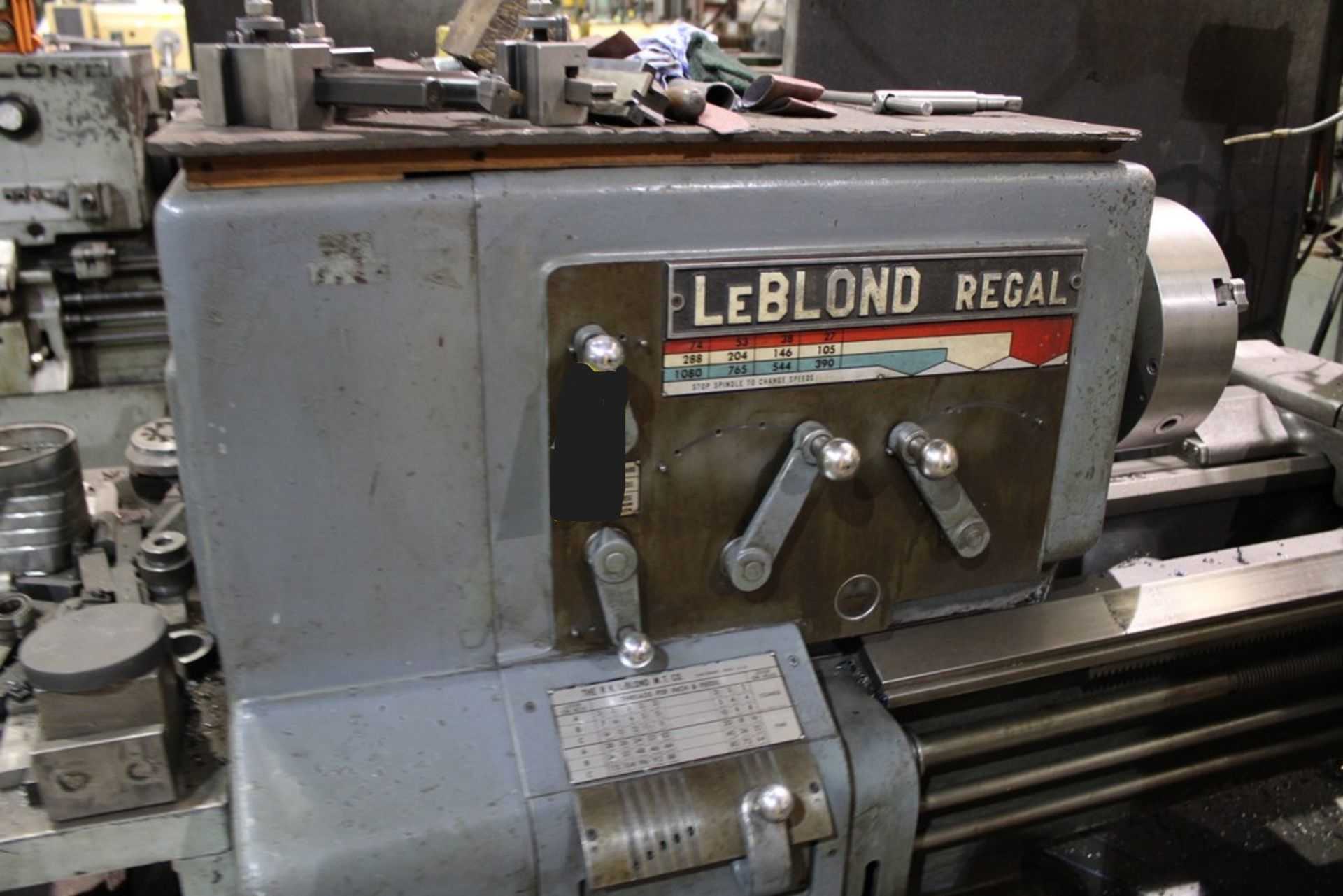
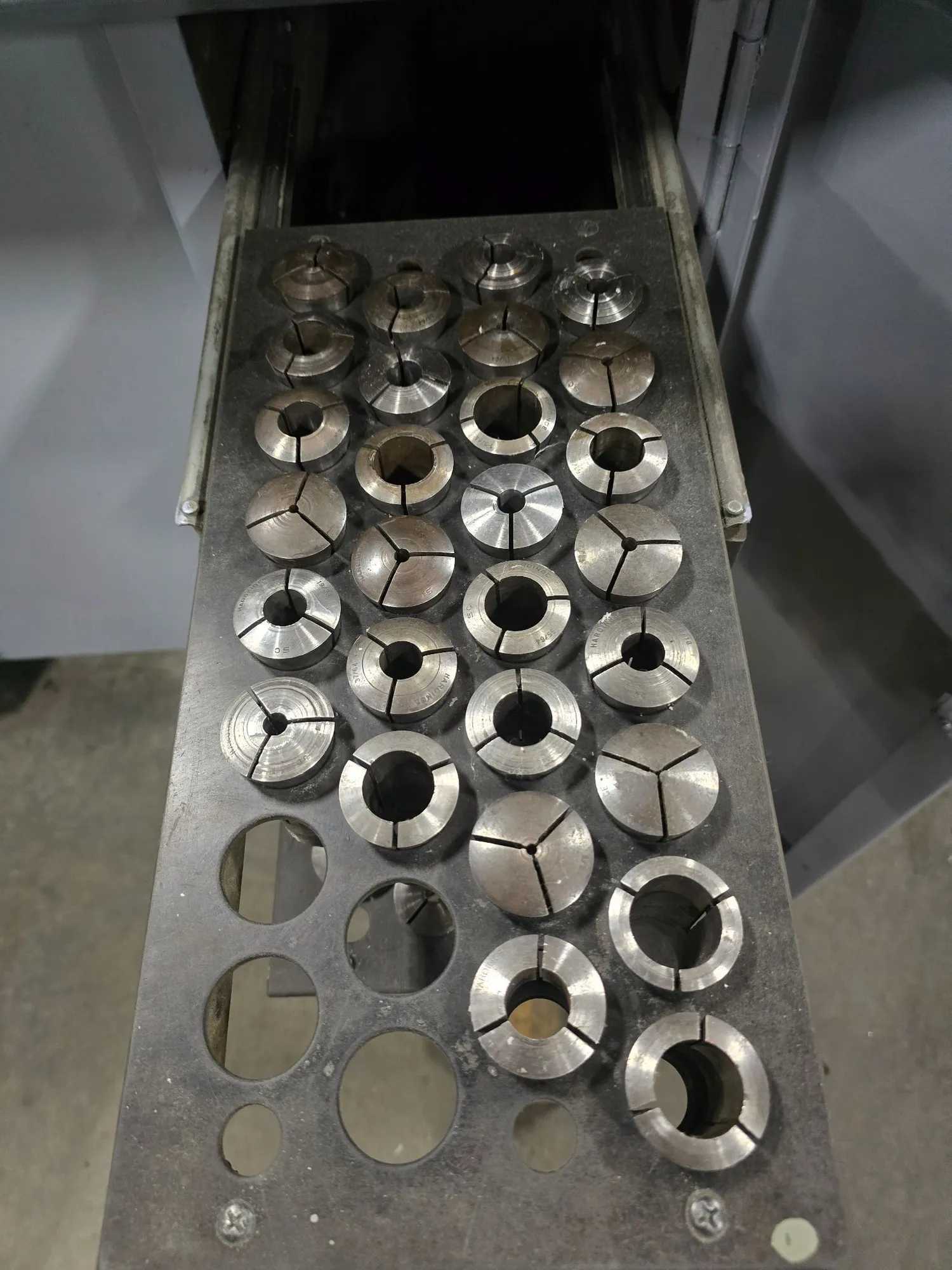
The NODO Barton 160x1500 manual lathe features a **swing capacity of 12.6 inches (310 mm)** over the bed and a **distance between centers of 59.1 inches (1500 mm)**, making it suitable for medium-length turning tasks. It is powered by a **2.9 horsepower motor**, providing adequate power for various machining operations. The lathe supports a maximum swing of 310 mm over the bed and 460 mm over the gap, allowing for turning larger diameters in the gap area. The bed width is approximately 200 mm, ensuring stability during machining. The lathe includes a cross slide travel of 165 mm and a tool-holder carriage travel of 140 mm, supporting precise tool positioning with a maximum tool size of 20 x 20 mm. The tailstock features a 40 mm diameter shank with 120 mm travel and a Morse taper size of 3, facilitating effective workpiece support and alignment. The main spindle bore measures 35 mm and uses a Morse 4 taper with pulley options, enabling spindle speed adjustments. The machine is equipped with standardized threading capabilities including 20 modular threads from 0.25 to 6 mm and Whitworth threads from 2 to 120 TPI. Additional features include a 280 mm diameter faceplate, a 160 mm chuck back, rear tool post, fixed and follow rests, and a collet holder compatible with up to 30 mm collets. These specifications highlight the NODO Barton lathe’s versatility and robustness for general turning and threading tasks in workshops requiring precision manual machining.
Specifications, market trends, and valuation estimates are compiled from manufacturer documentation, historical sales, and industry sources. While care is taken to ensure accuracy, this information is provided for reference purposes only and may contain errors or omissions. Users should independently verify all data before making buying or selling decisions. Valuations do not represent guaranteed transaction prices or binding offers, and Aucto assumes no liability for decisions made using this data.
Spot an error or missing detail? Help us keep our equipment guides accurate for the community.

 A+
A+ Auction Value
$24,500
 Range$5,000 – $35,000
 Sells in ~ 30 days
 Retail Value
—
Sells in ~ 180 days
Item functions as originally intended, shows signs of normal wear. Change the condition to see how it moves both values.
Marketplace


| Attribute | SelectedNODO BARTON 160X1500 MANUAL LATHE | NODO BARTON 160X750 MANUAL LATHE | |
|---|---|---|---|
| OEM | NODO | NODO | |
| Model | BARTON 160X1500 | BARTON 160X750 | |
| Year | - | - | |
| Max Swing | 12.60 '' | 12.60 '' | |
| Distance Between Centers | 59.10 '' | 29.50 '' | |
| Similarity | — | 99% | |
| Auction Value$5,000 - $35,000Retail Value— | Auction Value$5,000 - $35,000Retail Value— | |
| Current Machine | View Details |