Buy Now
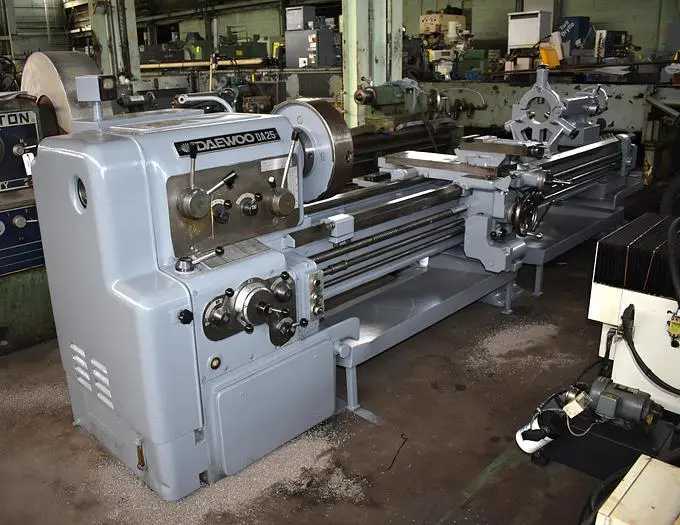
Engine Lathe, 25in Swing, 120in Centers, 15 HP, 10250 lbs
$24,500
$406/moKentucky
Specifications & Market Value
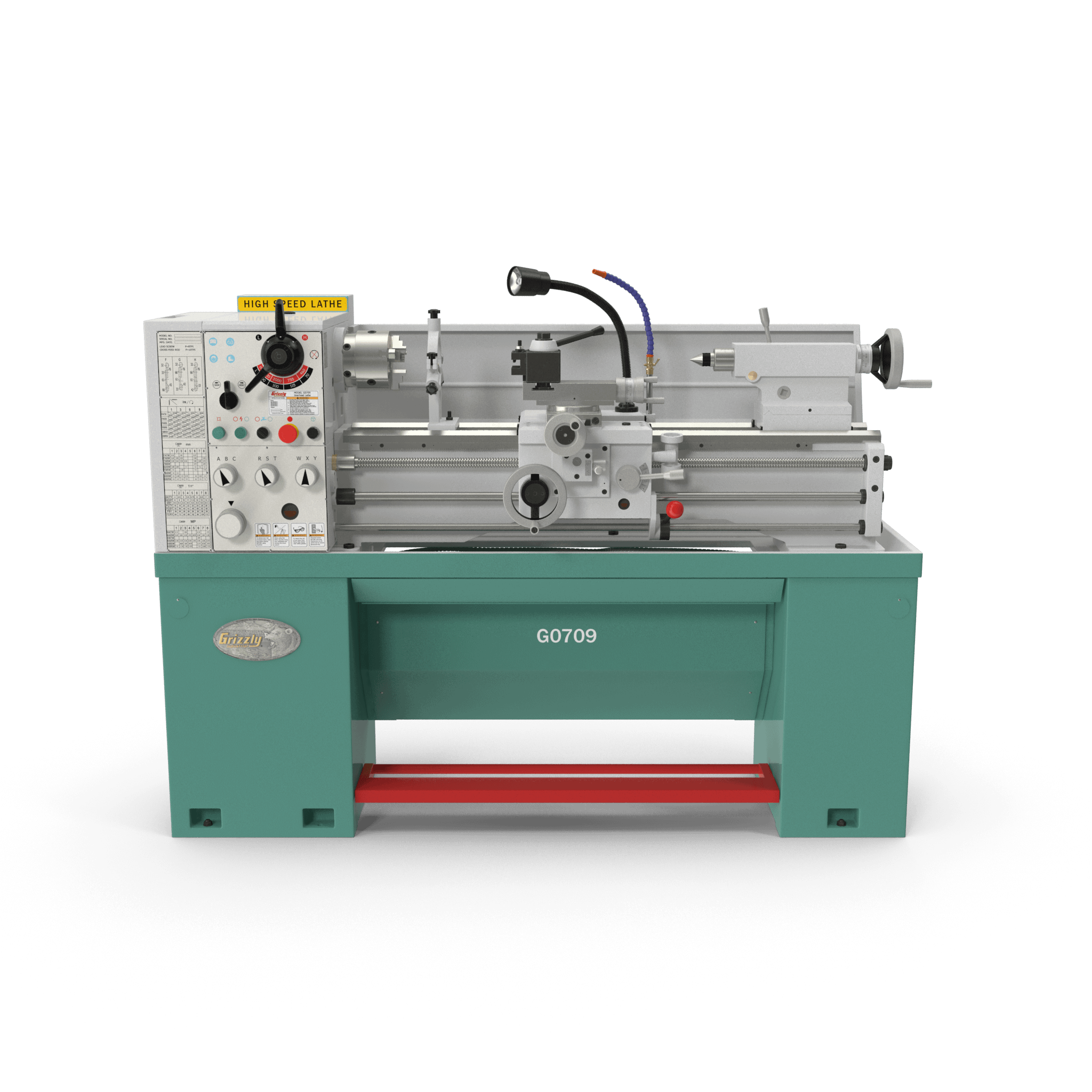
 Reference image
The OPTIMUM D 320 x 920 manual lathe is a robust and precision-engineered center drive lathe designed for demanding turning applications. With a swing of 12.6 inches (320 mm) over the bed and a center distance of 36.2 inches (920 mm), this lathe offers ample capacity for a wide range of workpieces. The spindle features a generous bore of 1.5 inches (38 mm), allowing for the passage of long bar stock and facilitating internal machining operations. Driven by a 2.0 HP (1.5 kW) motor, the lathe delivers reliable power and consistent performance, with spindle speeds adjustable from 65 to 1,800 RPM across 18 steps, ensuring optimal cutting conditions for various materials and operations. The machine is equipped with hardened and ground slideways for smooth, precise movement, and all guideways are adjustable via V-ledges for long-term accuracy and stability. The spindle is supported by two adjustable precision taper roller bearings, ensuring high concentricity and minimal runout. The tailstock is adjustable by ±10 mm for taper turning and features a precision handwheel with 0.025 mm scaling. The lathe includes a quadruple tool holder, a removable bed bridge, and a top slide rotatable by 360° for versatile tool positioning. Additional features include a closed fast-acting feed gear, a prismatic, heavily ribbed, and inductively hardened bed, and a covered articulated halogen lamp for improved visibility. The machine weighs 903 lbs (410 kg), providing excellent stability during operation. The OPTIMUM D 320 x 920 is well-suited for workshops requiring high precision, durability, and flexibility in manual turning tasks.
Specifications, market trends, and valuation estimates are compiled from manufacturer documentation, historical sales, and industry sources. While care is taken to ensure accuracy, this information is provided for reference purposes only and may contain errors or omissions. Users should independently verify all data before making buying or selling decisions. Valuations do not represent guaranteed transaction prices or binding offers, and Aucto assumes no liability for decisions made using this data.
Spot an error or missing detail? Help us keep our equipment guides accurate for the community.

 A+
A+ Auction Value
$2,491
 Range$500 – $3,563
 Sells in ~ 30 days
 Retail Value
—
Sells in ~ 180 days
Item functions as originally intended, shows signs of normal wear. Change the condition to see how it moves both values.
Marketplace

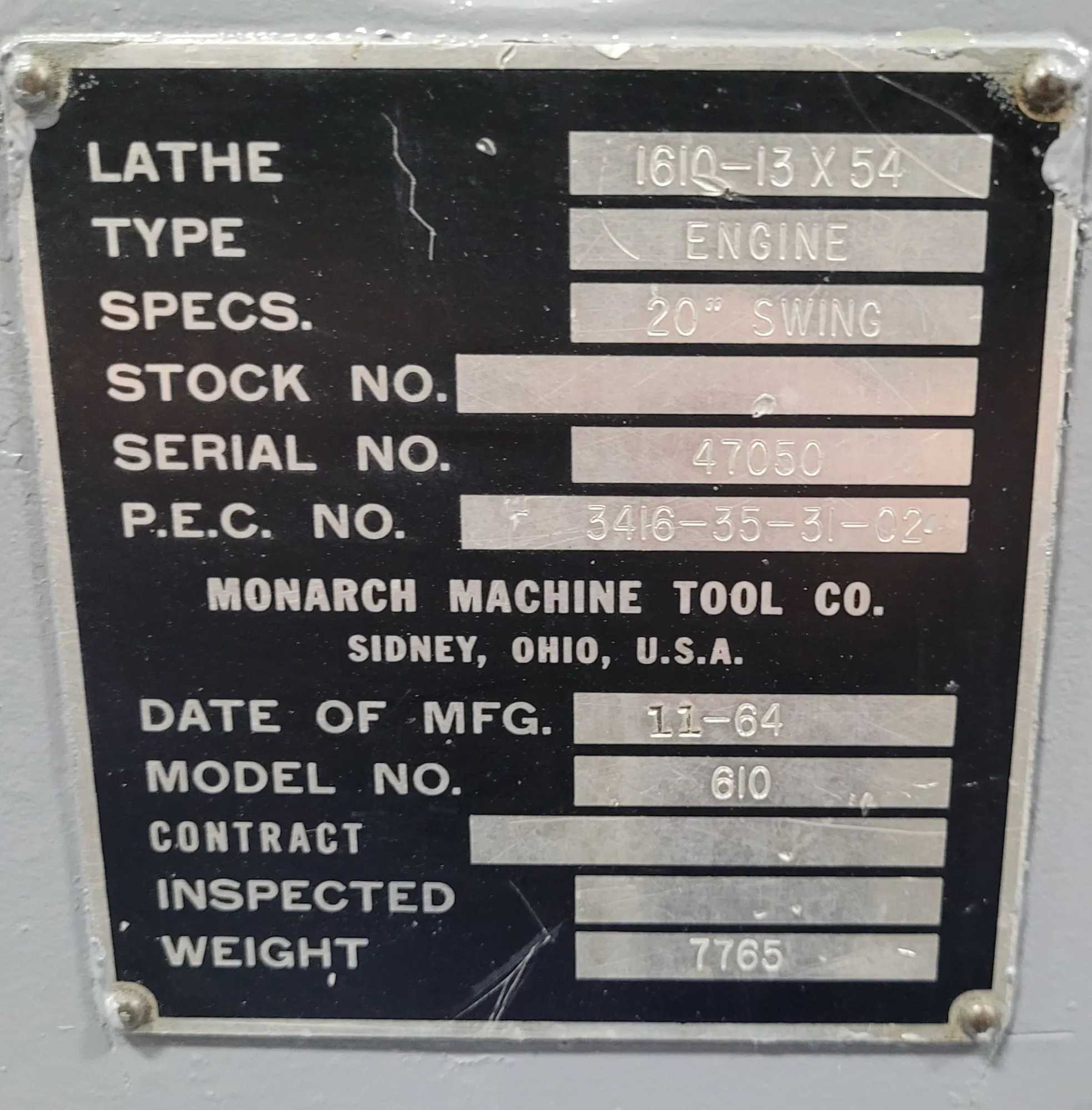
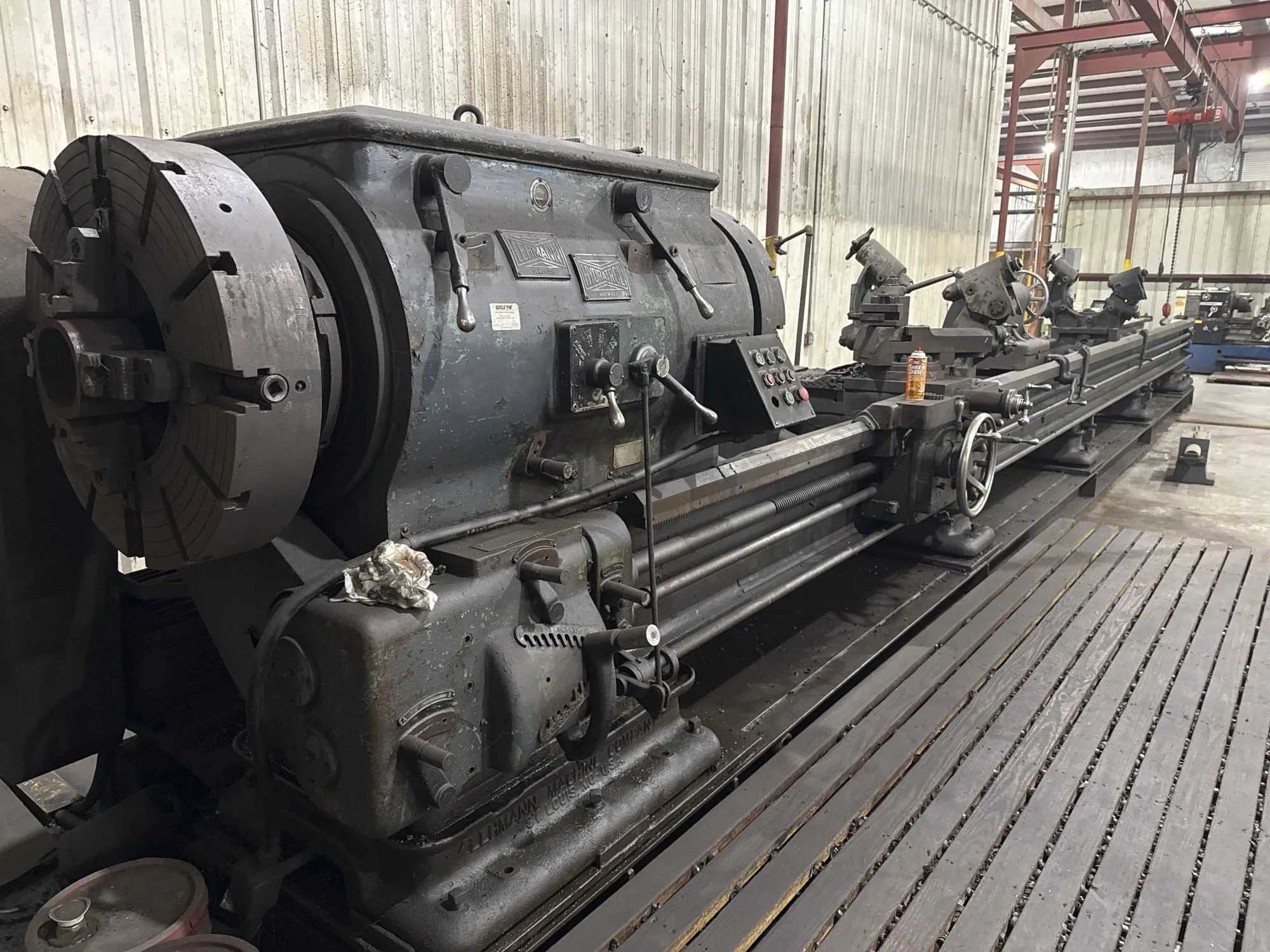

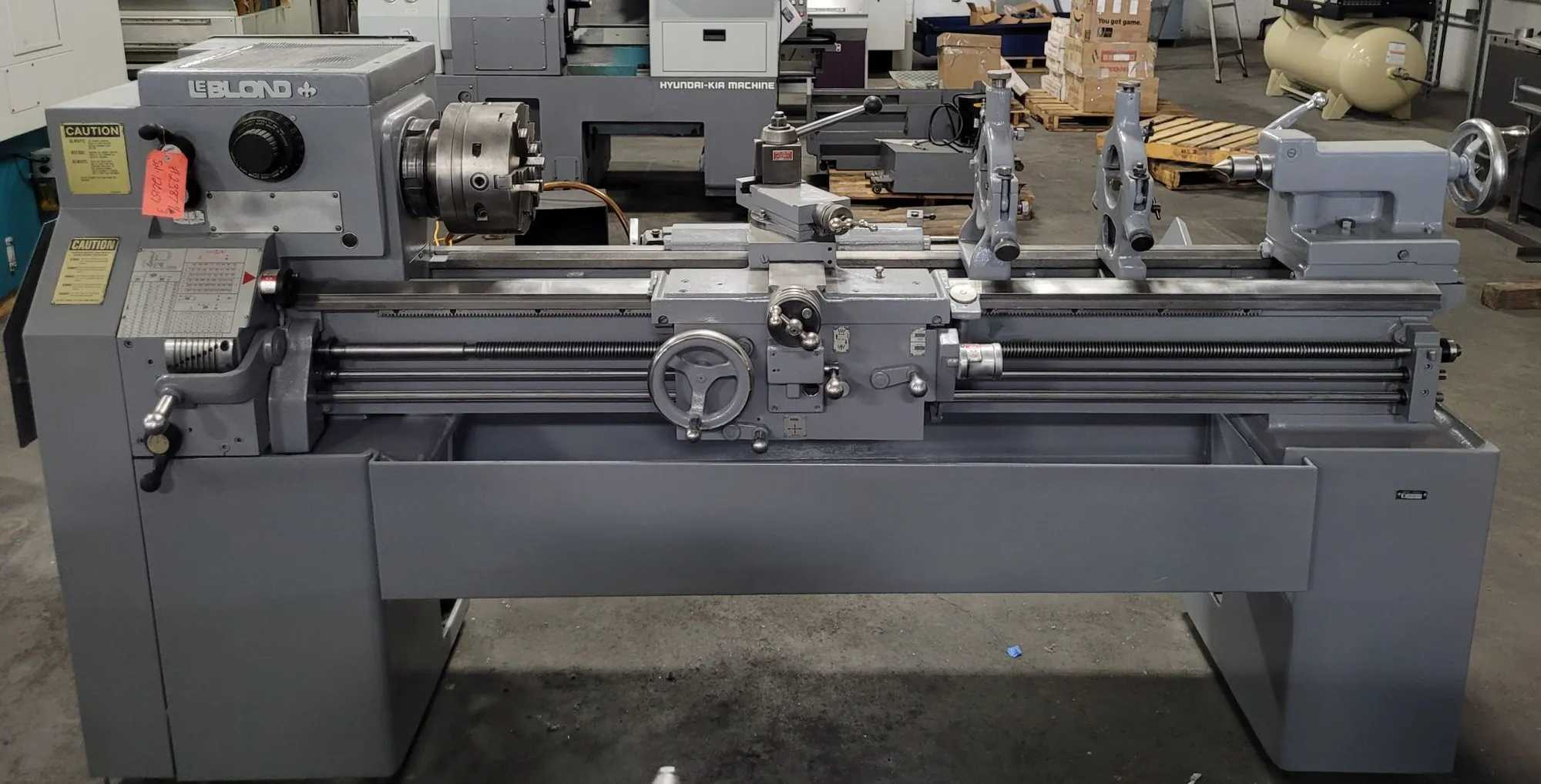
| Attribute | SelectedOPTIMUM D 320 x 920 MANUAL LATHE | OPTIMUM D 320 x 630 MANUAL LATHE | |
|---|---|---|---|
| OEM | OPTIMUM | OPTIMUM | |
| Model | D 320 x 920 | D 320 x 630 | |
| Year | - | - | |
| Max Swing | 12.60 '' | 12.60 '' | |
| Distance Between Centers | 36.20 '' | 24.80 '' | |
| Spindle Bore Diameter | 1.50 '' | 1.50 '' | |
| Similarity | — | 99% | |
| Auction Value$500 - $3,563Retail Value— | Auction Value$500 - $2,875Retail Value— | |
| Current Machine | View Details |