Buy Now
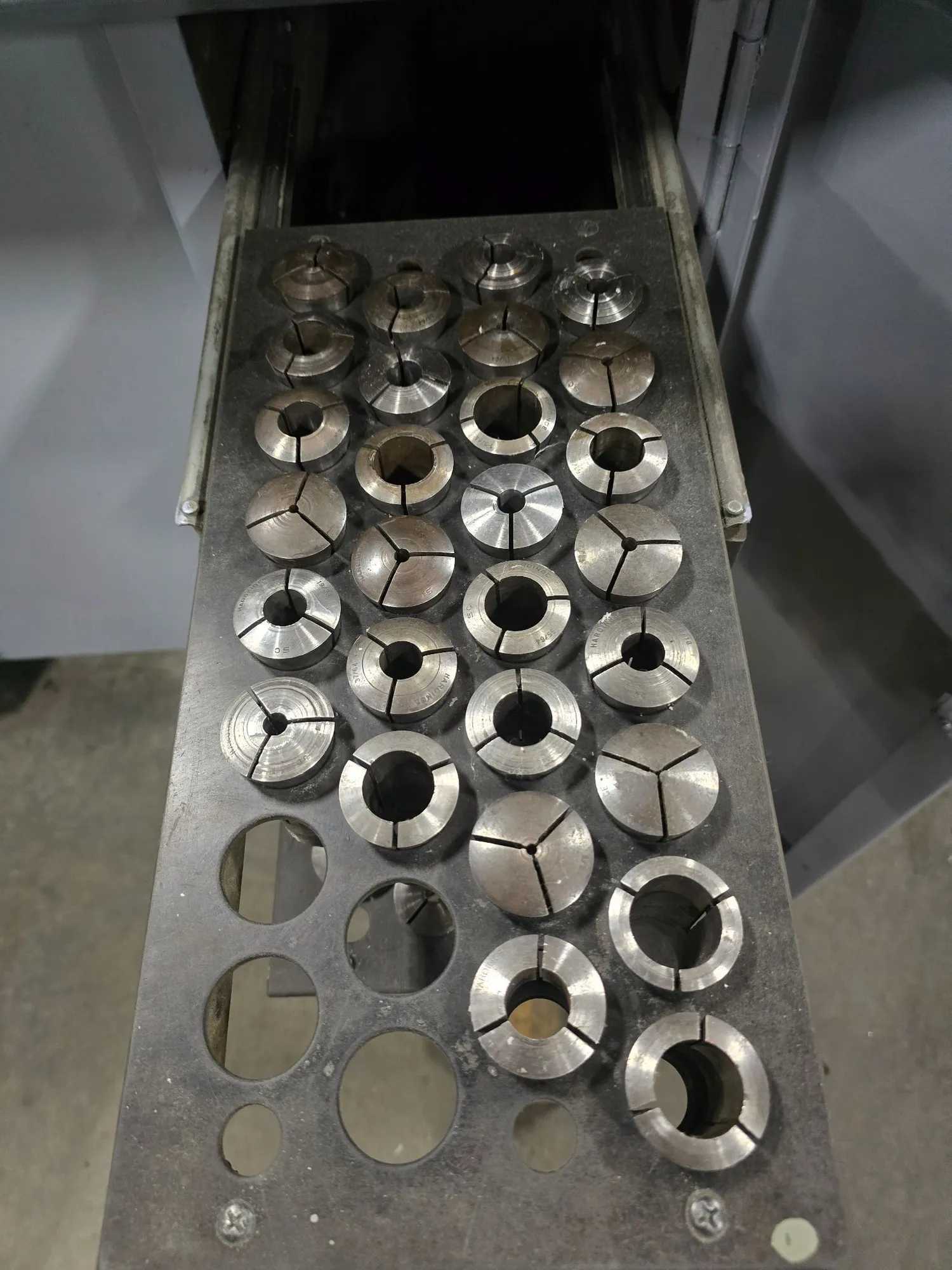
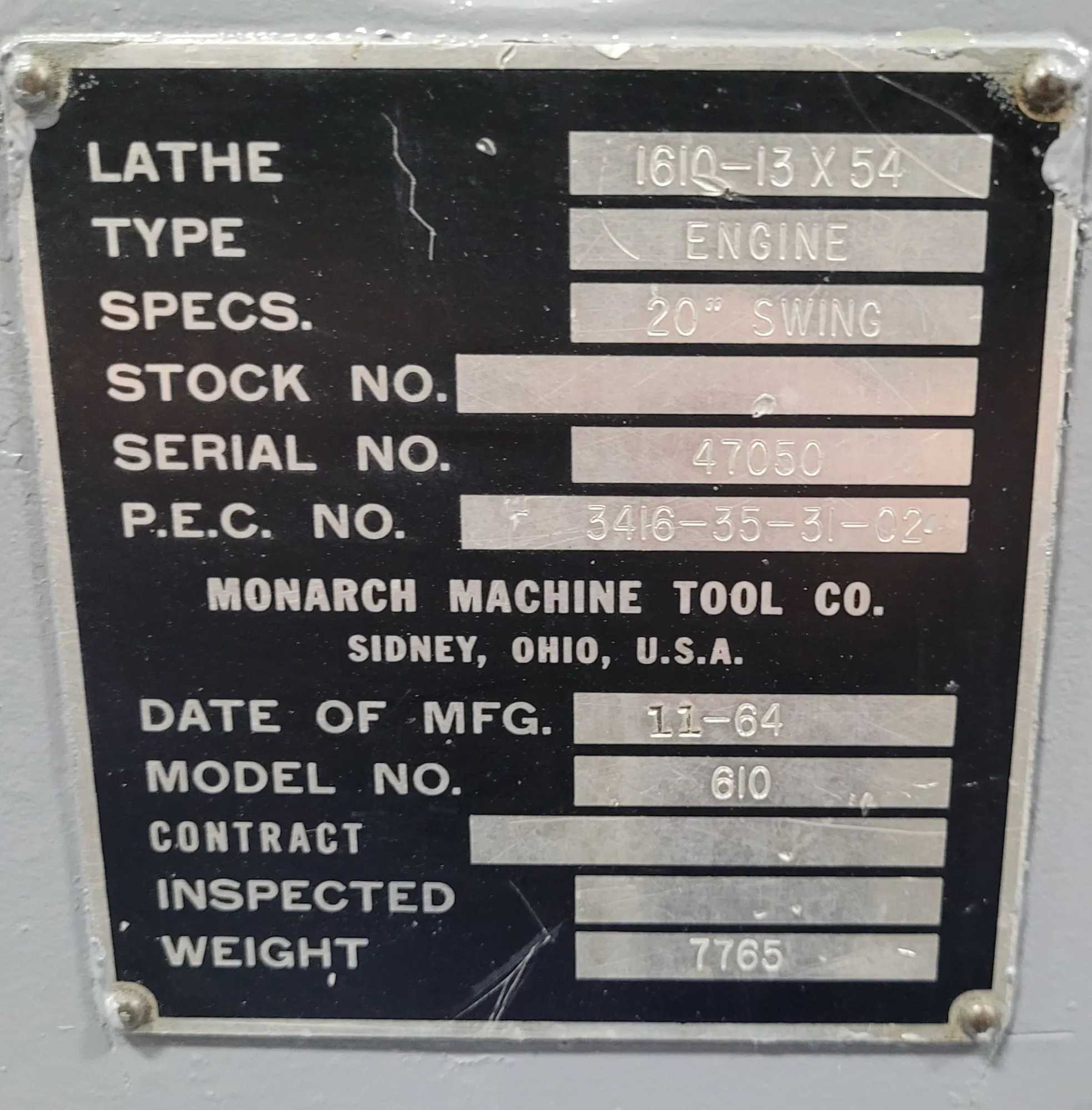
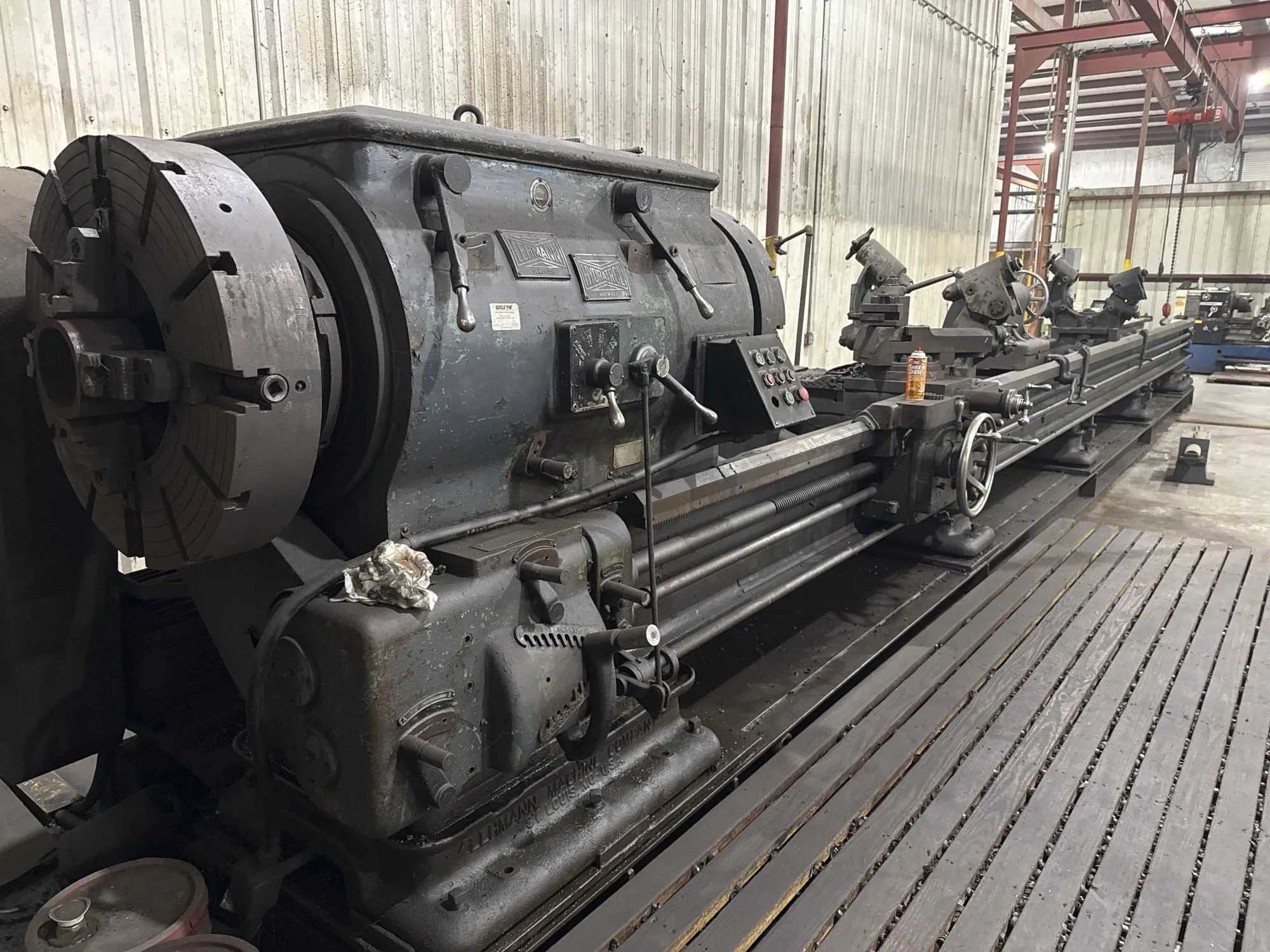
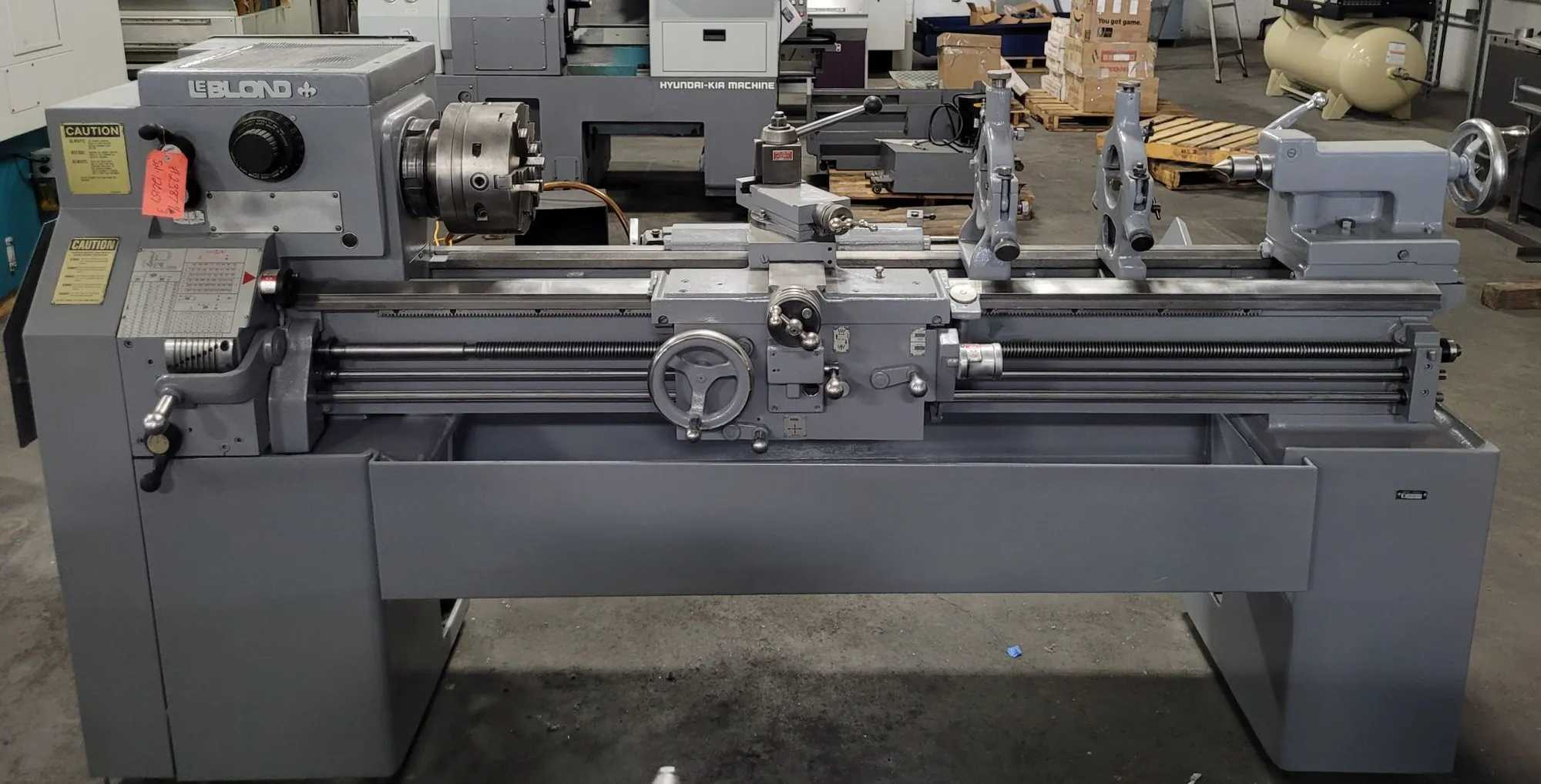
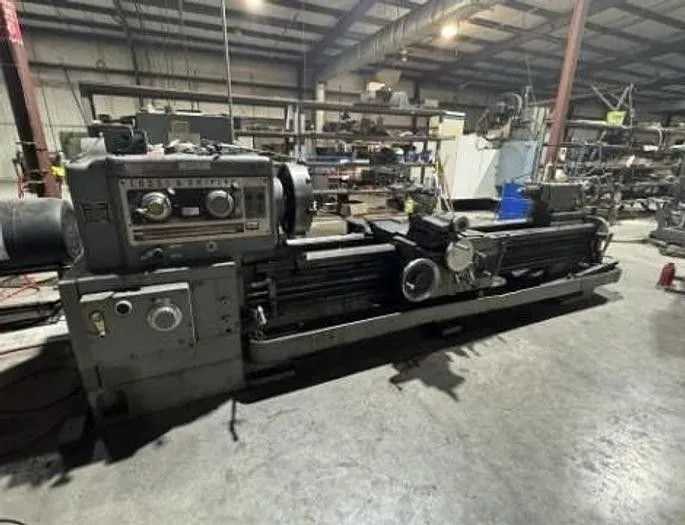
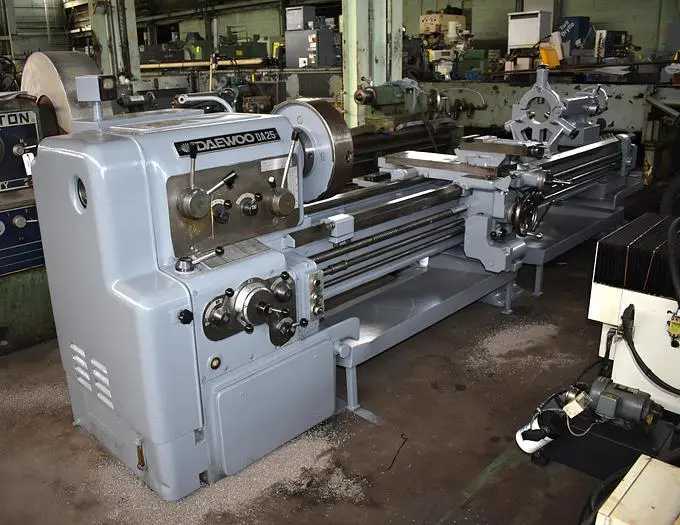
Engine Lathe, 25in Swing, 120in Centers, 15 HP, 10250 lbs
$24,500
$406/moKentucky
Specifications & Market Value
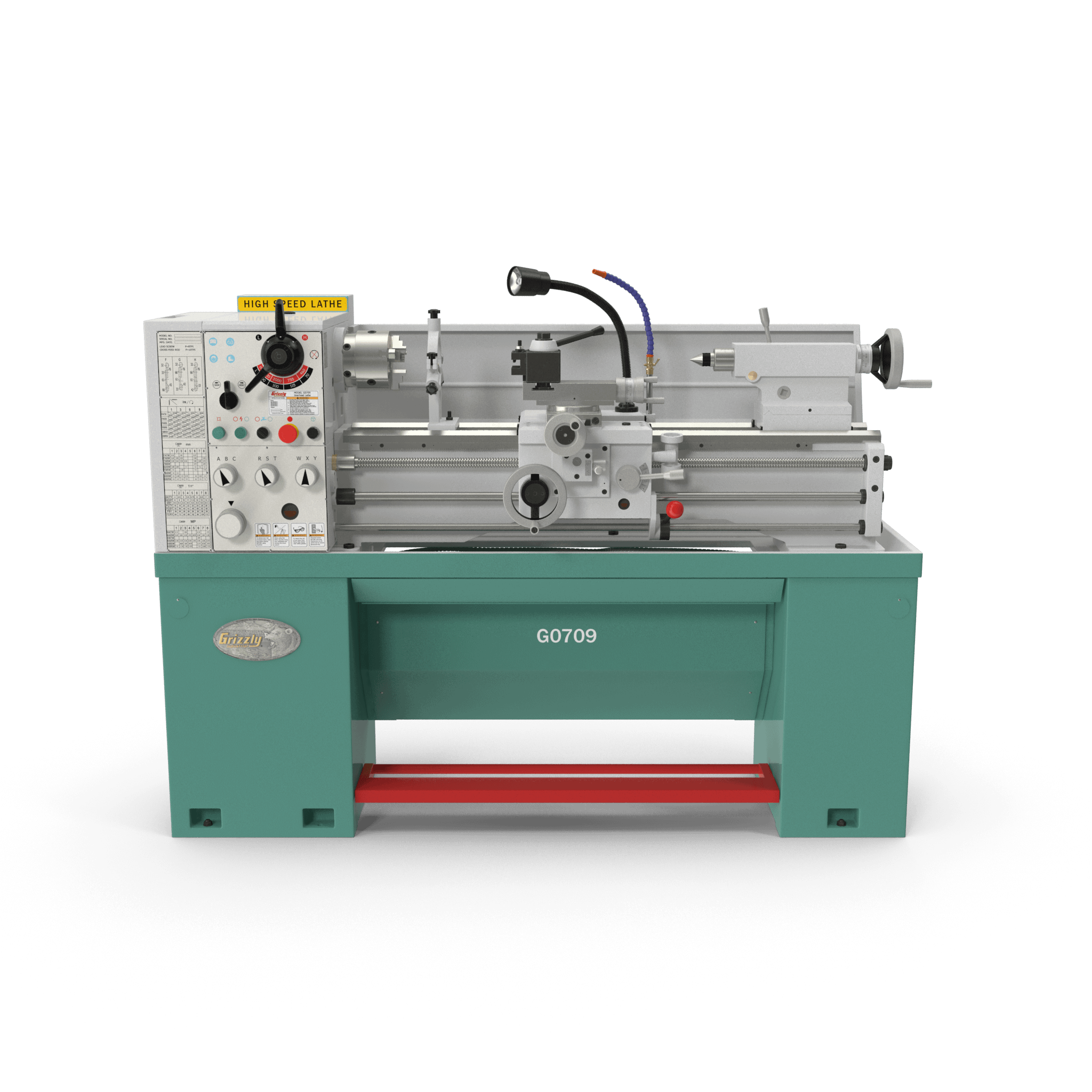
 Reference image
The PAYAL Heavy Duty Lathe-1 is a manual lathe engineered for precision turning, facing, and boring operations across a range of manufacturing and workshop applications. With an 18-inch swing capacity, this machine accommodates mid-sized workpieces, while its 20-inch center distance enables extended shaft and component machining. The 2.28-inch spindle bore provides adequate clearance for standard tooling and workholding accessories, including chucks, collets, and magnetic systems for versatile part clamping configurations. The machine's footprint of 6 feet by 3.5 feet by 4.5 feet positions it as a compact bench or floor-mounted lathe suitable for job shops, toolrooms, and educational settings where space efficiency is critical. As a manual lathe, operator skill directly influences accuracy and repeatability, making it ideal for prototype development, short production runs, and repair work requiring adaptability. The bed construction, typical of heavy-duty designs, delivers the stability and rigidity necessary for consistent surface finishes and dimensional accuracy. The manual control system offers operators direct feedback and precision through handwheel adjustments with graduated markings, enabling intricate turning profiles, tapers, and complex geometries. Workholding is facilitated through standard lathe components including the headstock spindle bearings, tailstock for drill and reamer holding, and carriage assembly with feed mechanisms. This configuration makes the PAYAL Heavy Duty Lathe-1 well-suited for versatile machining tasks requiring operator expertise and mechanical reliability.
Specifications, market trends, and valuation estimates are compiled from manufacturer documentation, historical sales, and industry sources. While care is taken to ensure accuracy, this information is provided for reference purposes only and may contain errors or omissions. Users should independently verify all data before making buying or selling decisions. Valuations do not represent guaranteed transaction prices or binding offers, and Aucto assumes no liability for decisions made using this data.
Spot an error or missing detail? Help us keep our equipment guides accurate for the community.

 A+
A+ Auction Value
$2,905
 Range$500 – $4,200
 Sells in ~ 30 days
 Retail Value
—
Sells in ~ 180 days
Item functions as originally intended, shows signs of normal wear. Change the condition to see how it moves both values.
| Attribute | SelectedPAYAL HEAVY DUTY LATHE-1 MANUAL LATHE | PAYAL HEAVY DUTY-5 MANUAL LATHE | |
|---|---|---|---|
| OEM | PAYAL | PAYAL | |
| Model | HEAVY DUTY LATHE-1 | HEAVY DUTY-5 | |
| Year | - | - | |
| Distance Between Centers | 20.00 '' | 98.00 '' | |
| Spindle Bore Diameter | 2.28 '' | 2.28 '' | |
| Max Swing | 18.00 '' | 18.00 '' | |
| Similarity | — | 99% | |
| Auction Value$500 - $4,200Retail Value— | Auction Value$2,500 - $15,000Retail Value— | |
| Current Machine | View Details |
Marketplace