Buy Now
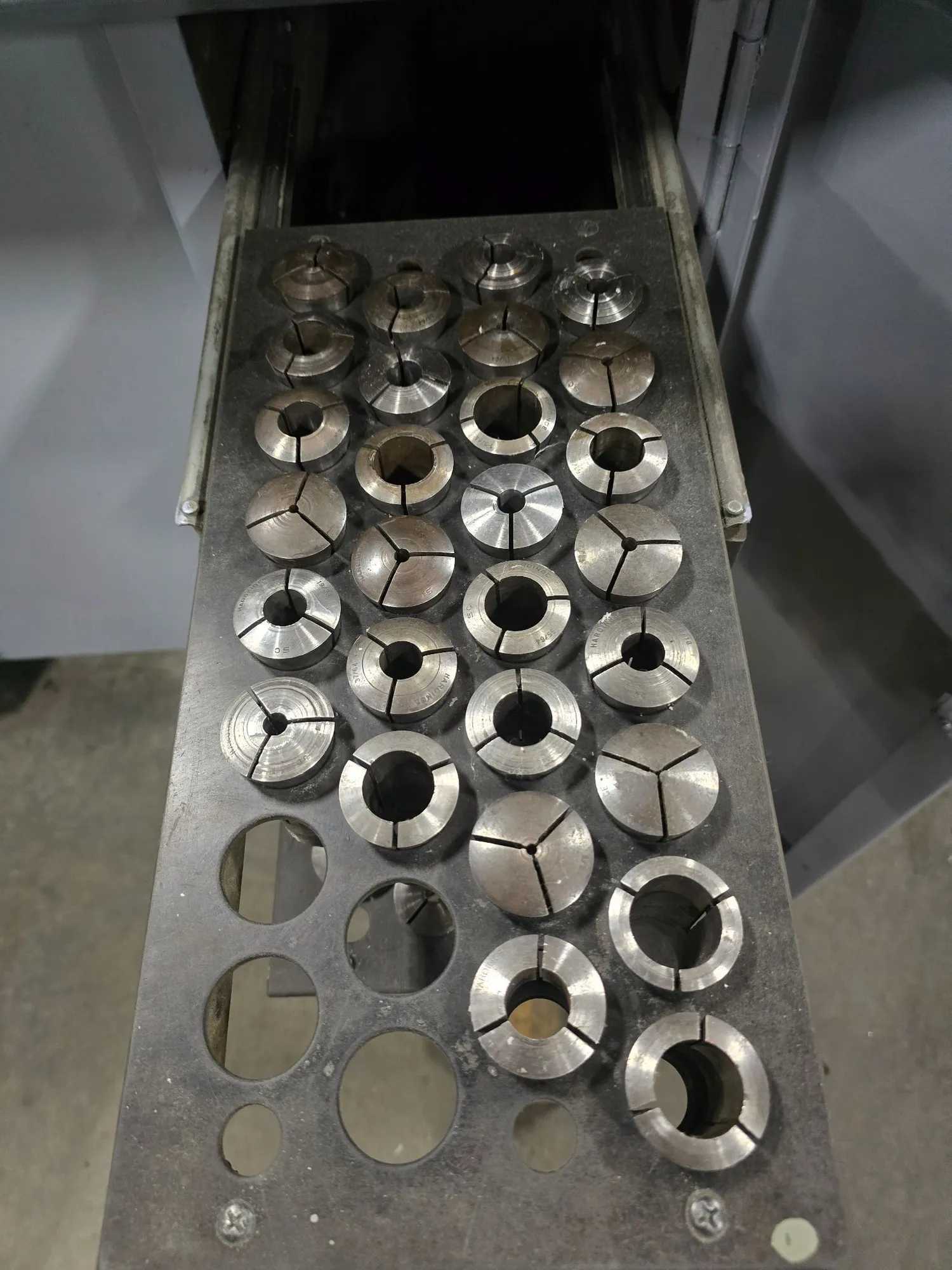
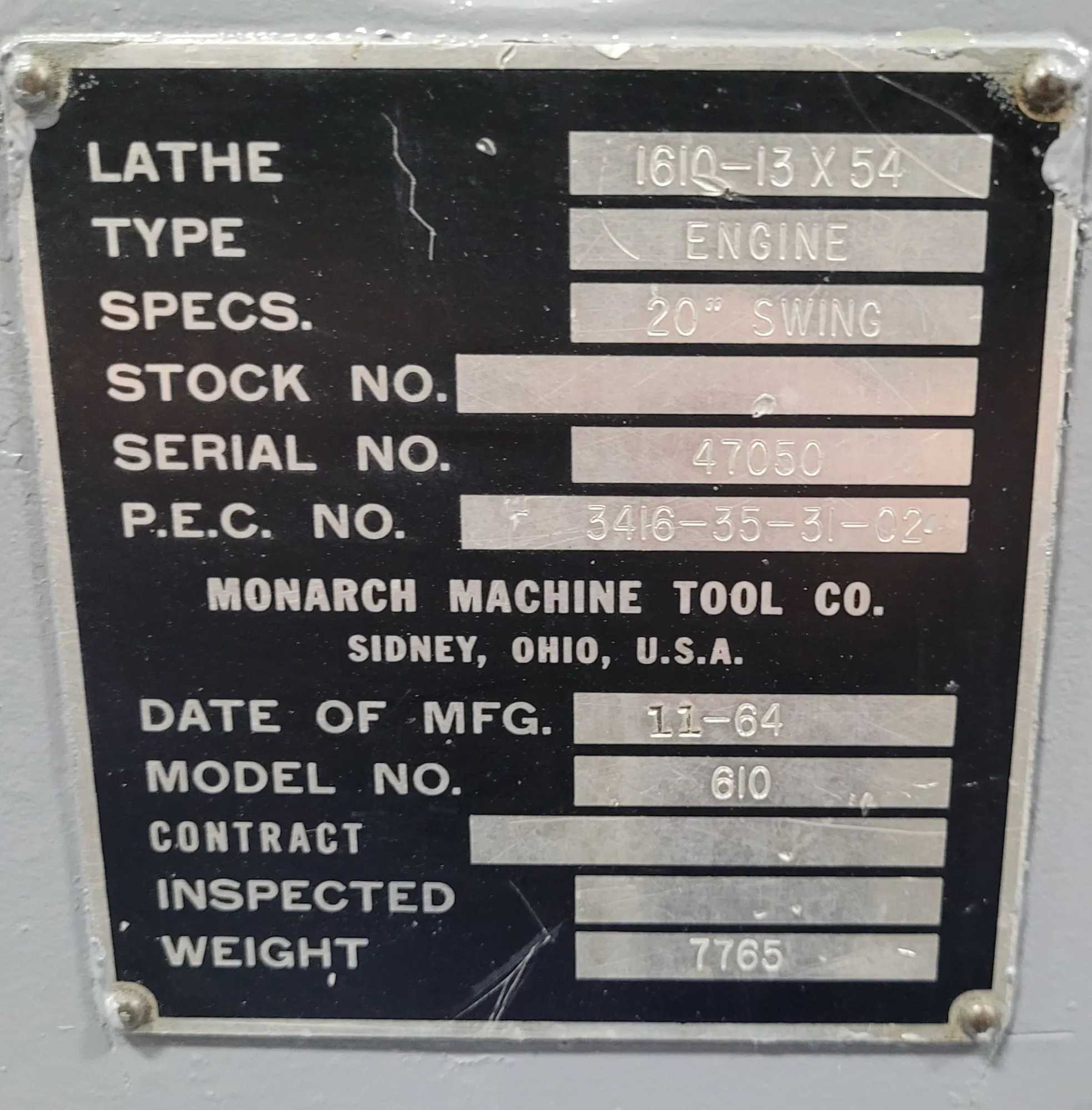
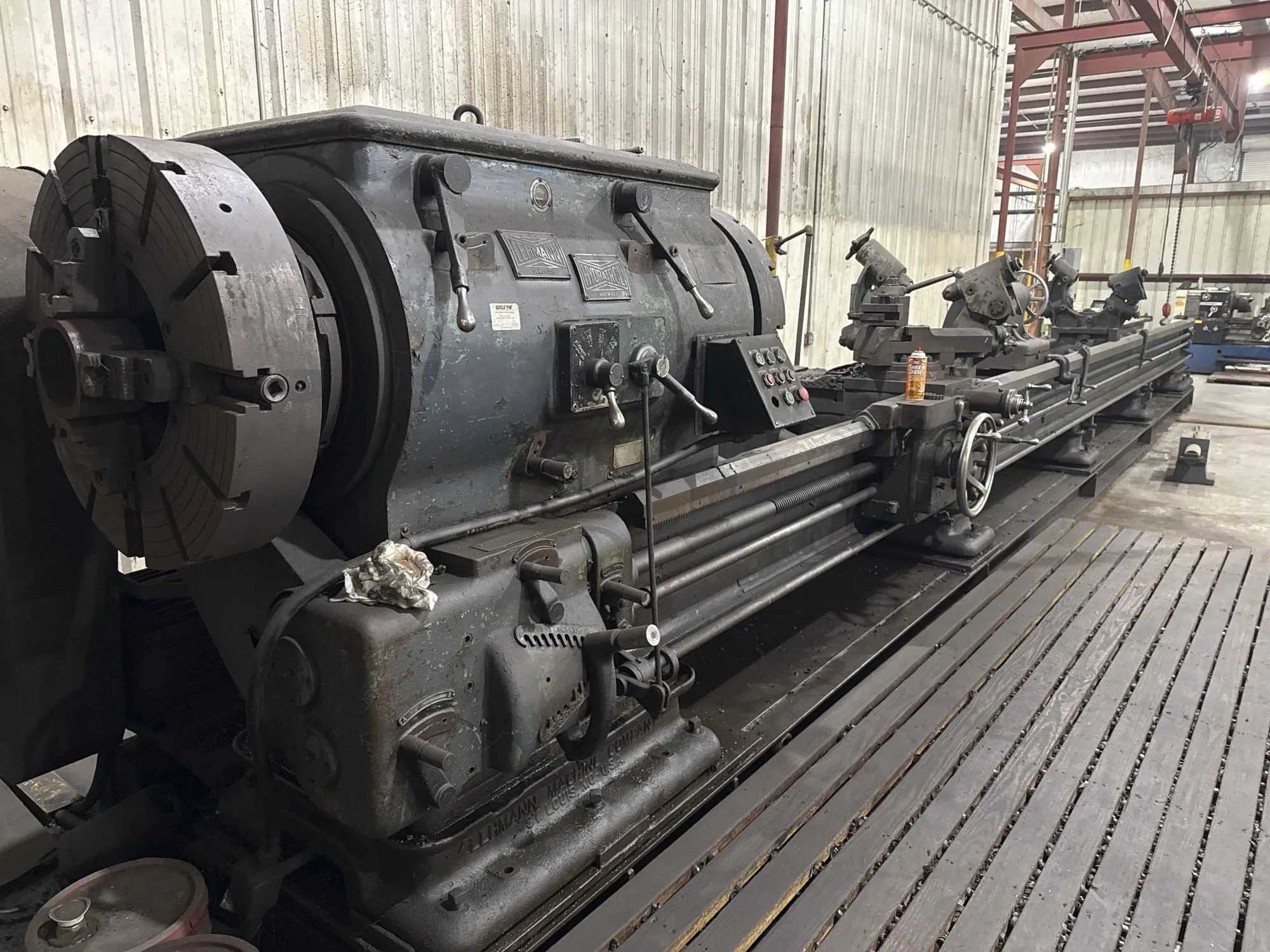
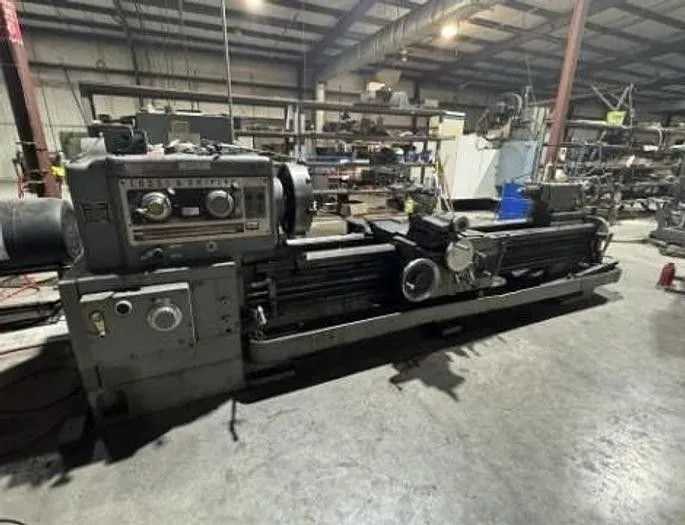
Engine Lathe, 25in Swing, 120in Centers, 15 HP, 10250 lbs
$24,500
$406/moKentucky
Specifications & Market Value
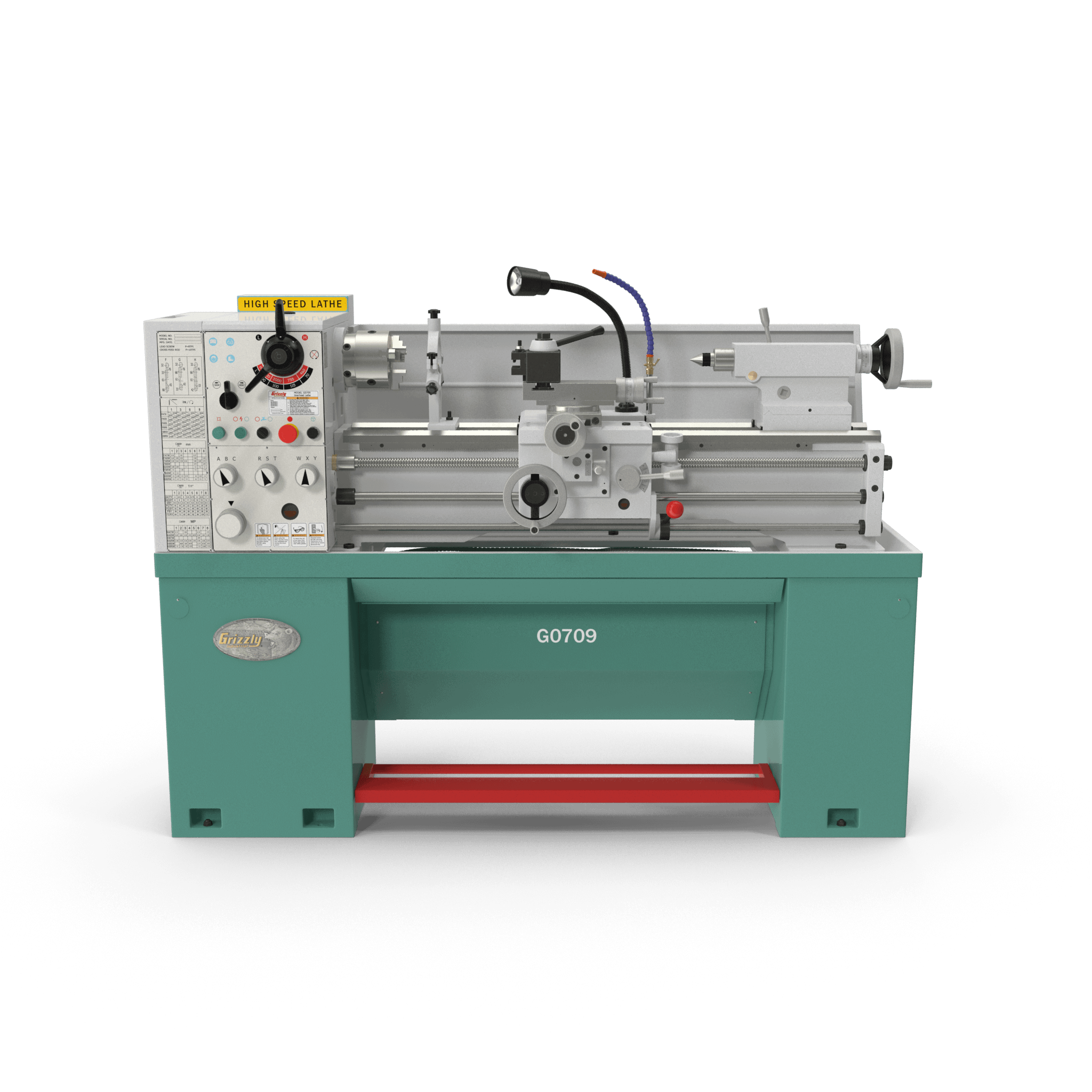
 Reference image
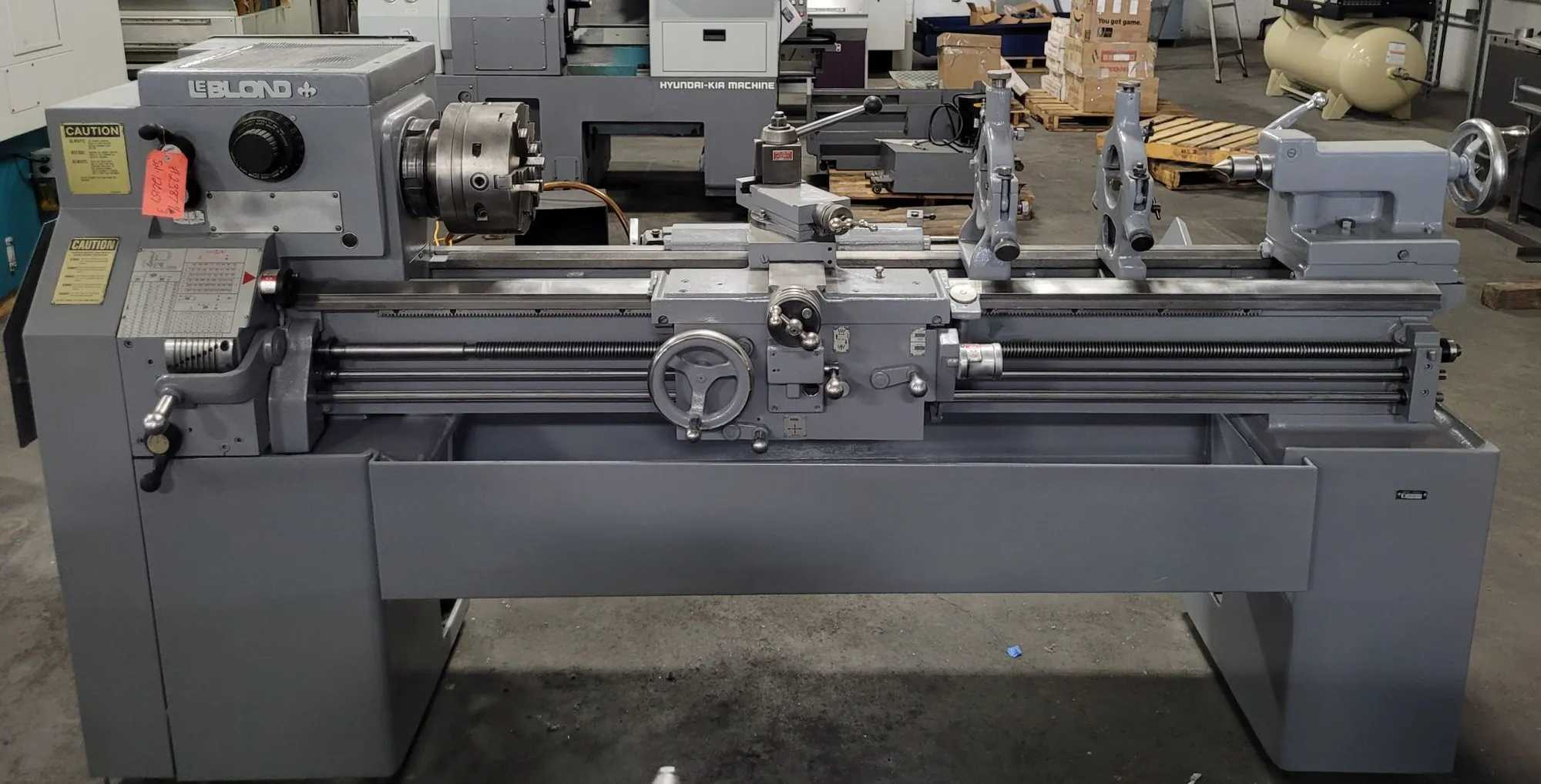
The PAYAL LIGHT-6 manual lathe is a precision light-duty lathe designed for metalworking tasks requiring a swing of 13.0 inches (approximately 330 mm) and a maximum distance between centers of 42.0 inches (1067 mm). This machine features a robust geared headstock and a well-constructed bed suitable for various turning operations including rough, semi-finishing, and finishing cuts. It supports workpieces up to 42 inches in length and offers versatile machining capabilities for materials such as aluminum, copper, steel, and other metals. The lathe's bed length aligns with medium to light-duty standards, providing a compact yet efficient workspace. Its height of center is typically around 165 mm (6.5 inches), which supports standard tooling setups. The control system includes manual feed and speed adjustment mechanisms optimized for precision manual turning tasks, with spindle speeds generally covering a range suitable for light machining operations. The machine is engineered for use in manufacturing plants, repair shops, and educational institutions where manual turning is required. It balances power, accuracy, and ease of operation, featuring a reliable spindle bore and potentially MT #5 or #6 spindle taper for tool compatibility. Its ergonomic design and quality build support effective metal shaping and finishing, making the PAYAL LIGHT-6 a preferred manual lathe choice for light-duty machining applications within an industrial or workshop setting.
Specifications, market trends, and valuation estimates are compiled from manufacturer documentation, historical sales, and industry sources. While care is taken to ensure accuracy, this information is provided for reference purposes only and may contain errors or omissions. Users should independently verify all data before making buying or selling decisions. Valuations do not represent guaranteed transaction prices or binding offers, and Aucto assumes no liability for decisions made using this data.
Spot an error or missing detail? Help us keep our equipment guides accurate for the community.

 A+
A+ Auction Value
$1,258
 Range$250 – $1,800
 Sells in ~ 30 days
 Retail Value
—
Sells in ~ 180 days
Item functions as originally intended, shows signs of normal wear. Change the condition to see how it moves both values.
| Attribute | SelectedPAYAL LIGHT-6 MANUAL LATHE | PAYAL LIGHT-4-6 MANUAL LATHE | |
|---|---|---|---|
| OEM | PAYAL | PAYAL | |
| Model | LIGHT-6 | LIGHT-4-6 | |
| Year | - | - | |
| Distance Between Centers | 42.00 '' | 11.00 '' | |
| Max Swing | 13.00 '' | 13.00 '' | |
| Similarity | — | 99% | |
| Auction Value$250 - $1,800Retail Value— | Auction Value$250 - $1,440Retail Value— | |
| Current Machine | View Details |
Marketplace