Buy Now
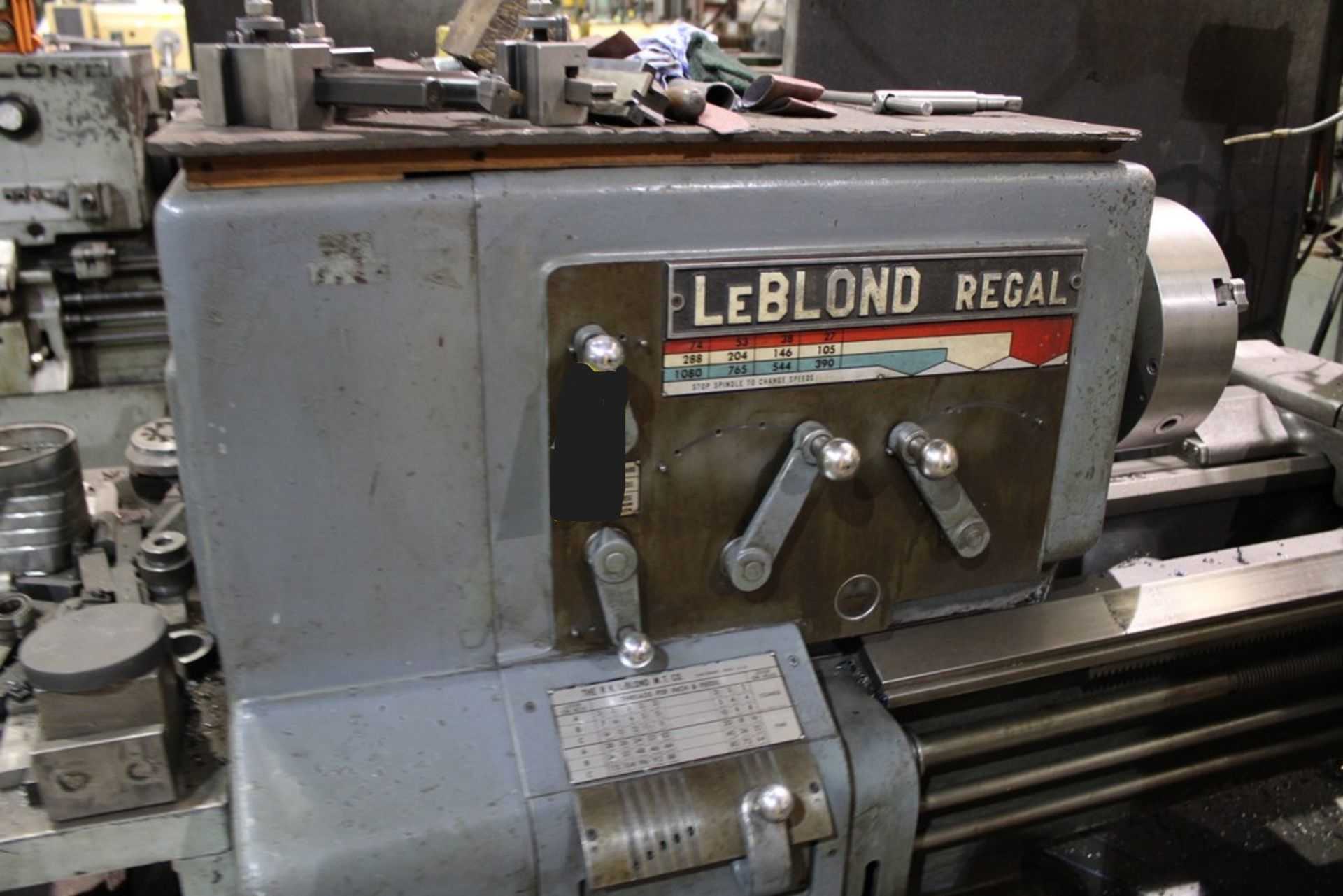
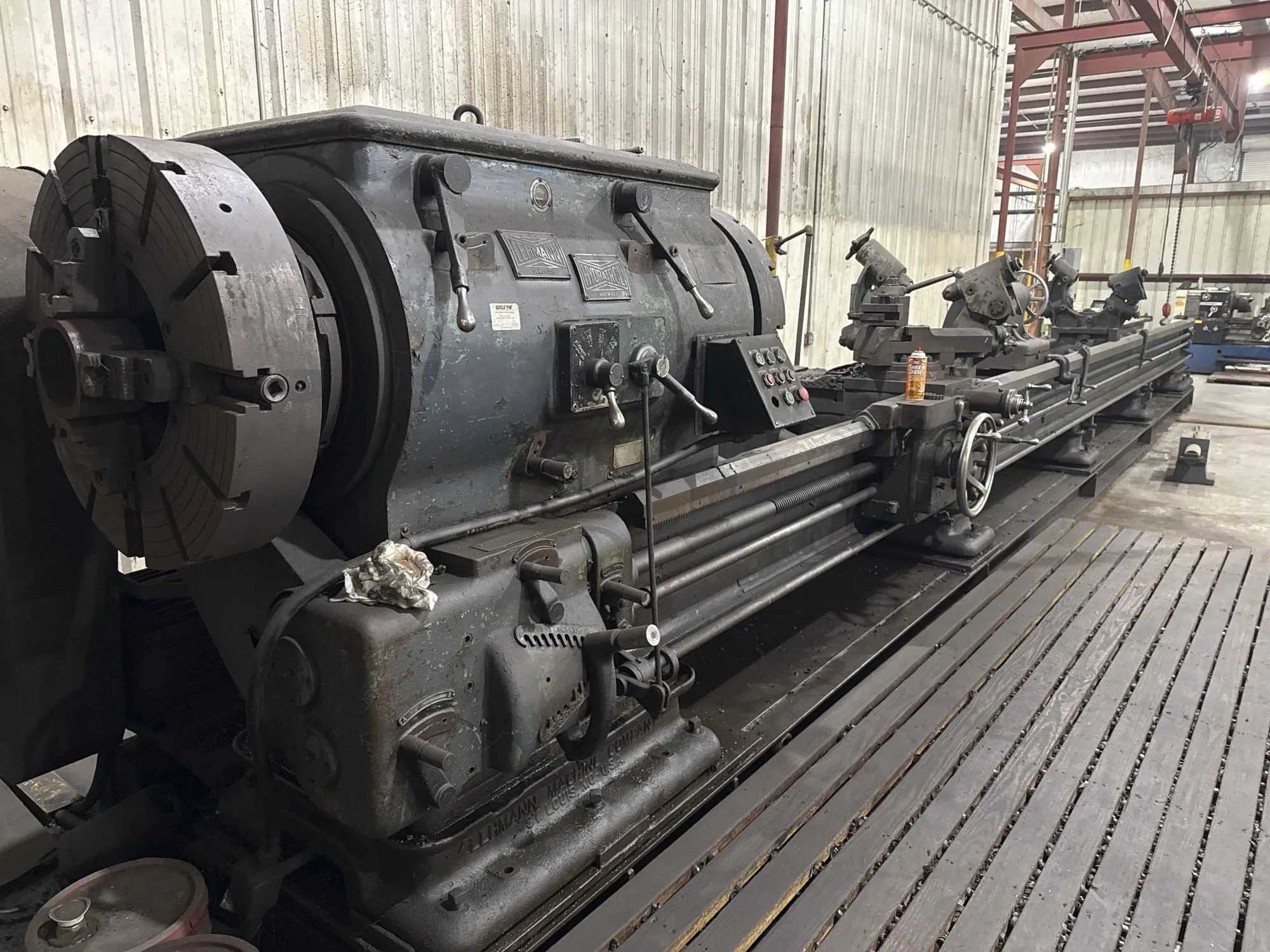
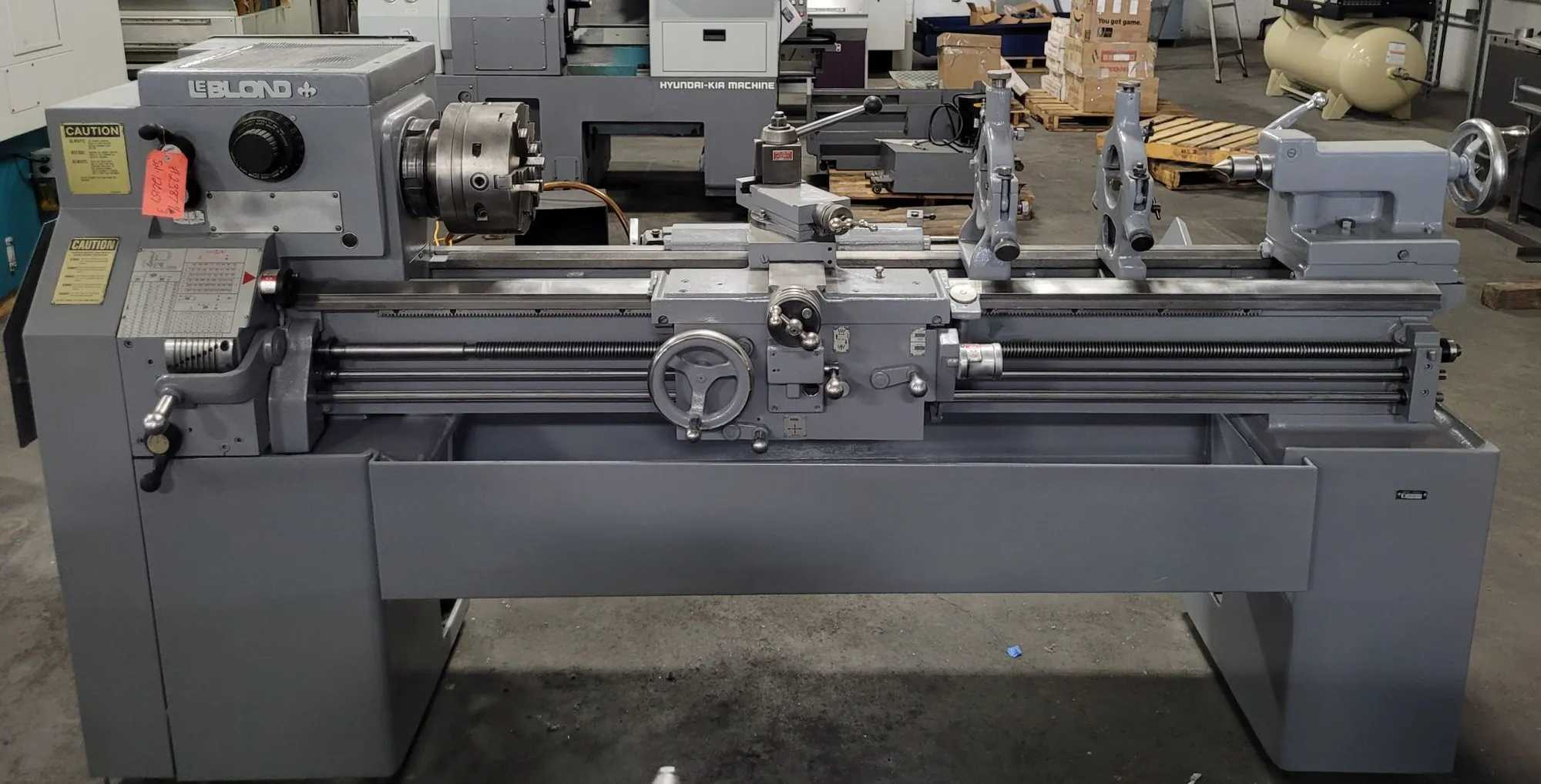
Engine Lathe, 25in Swing, 120in Centers, 15 HP, 10250 lbs
$24,500
$406/moKentucky
Specifications & Market Value
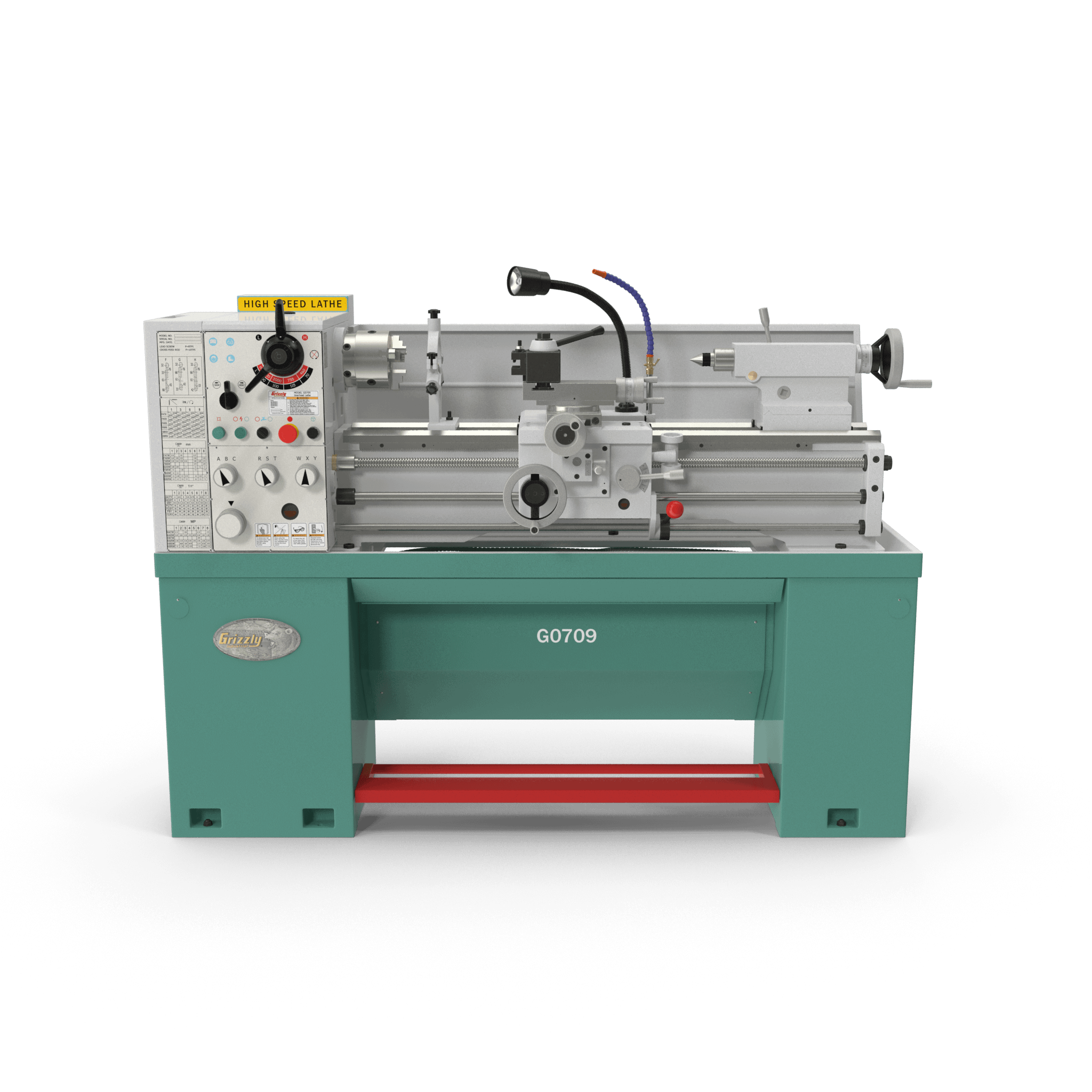
 Reference image
The SAN SHING SP-36330 is a heavy-duty manual lathe engineered for precision turning operations. It features a generous 36-inch swing capacity, allowing large diameter workpieces to be machined with ease. The lathe supports an impressive distance between centers of 330 inches, enabling it to handle long workpieces efficiently. Its spindle bore is 4 inches in diameter, permitting tooling and bar stock of substantial size to pass through the spindle for versatile machining tasks. Powered by a robust 15-horsepower motor, the lathe delivers reliable torque and power suited for heavy cutting applications. The spindle operates at speeds up to 1,000 RPM, adjustable through 12 spindle speed changes, offering a wide range of cutting speed options for different materials and finishes. The swing over the cross slide measures 27.5 inches, providing clearance for machining larger diameter parts when positioned on the cross slide. Constructed with a bed made from high-strength cast iron, the lathe ensures durability, stability, and vibration damping ideal for precision turning. Additional features include longitudinal feed rates from 0.05 to 0.7 mm/rev and cross feed rates from 0.025 to 0.35 mm/rev, enabling fine control of tool movement during cutting. The spindle nose supports standard mounting configurations such as A2-8, A2-11, with options for A2-15. Overall, the SAN SHING SP-36330 offers a combination of large capacity, power, and precision that serves heavy-duty turning applications in industrial settings.
Specifications, market trends, and valuation estimates are compiled from manufacturer documentation, historical sales, and industry sources. While care is taken to ensure accuracy, this information is provided for reference purposes only and may contain errors or omissions. Users should independently verify all data before making buying or selling decisions. Valuations do not represent guaranteed transaction prices or binding offers, and Aucto assumes no liability for decisions made using this data.
Spot an error or missing detail? Help us keep our equipment guides accurate for the community.

 A+
A+ Auction Value
$9,325
 Range$2,500 – $13,000
 Sells in ~ 30 days
 Retail Value
—
Sells in ~ 180 days
Item functions as originally intended, shows signs of normal wear. Change the condition to see how it moves both values.
| Attribute | SelectedSAN SHING SP-36330 MANUAL LATHE | SAN SHING SP-36110 MANUAL LATHE | |
|---|---|---|---|
| OEM | SAN SHING | SAN SHING | |
| Model | SP-36330 | SP-36110 | |
| Year | - | - | |
| Distance Between Centers | 330.00 '' | 110.00 '' | |
| Spindle Bore Diameter | 4.00 '' | 4.00 '' | |
| Max Swing | 36.00 '' | 36.00 '' | |
| Similarity | — | 99% | |
| Auction Value$2,500 - $13,000Retail Value— | Auction Value$5,000 - $35,000Retail Value— | |
| Current Machine | View Details |
Marketplace