Buy Now
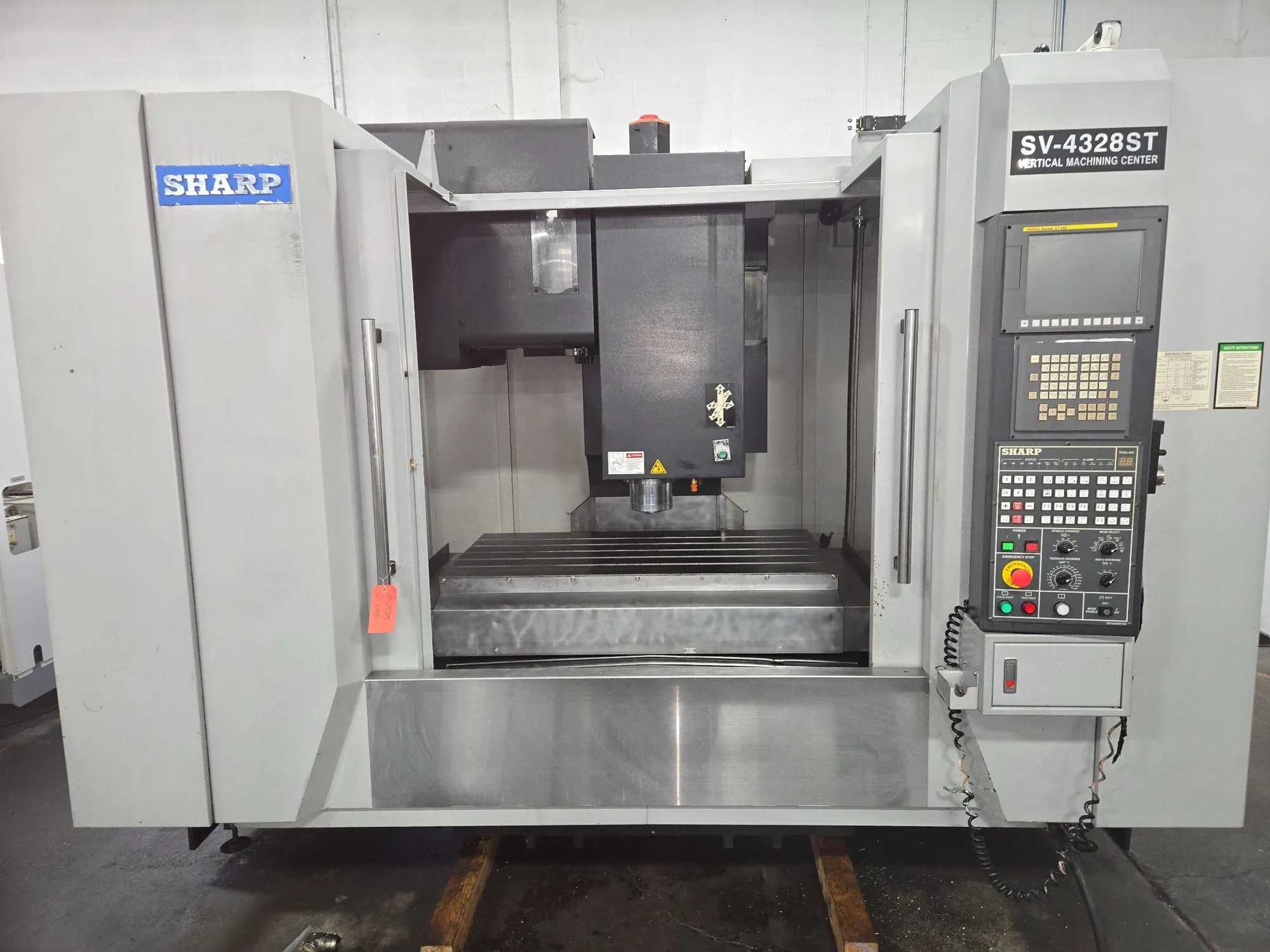
2014 SHARP SV-4328ST VERTICAL MACHINING CENTER, 43.3" X, 27.56" Y, 24" Z TRAVEL, 10,000 RPM
$31,600
$524/moKentucky
Specifications & Market Value
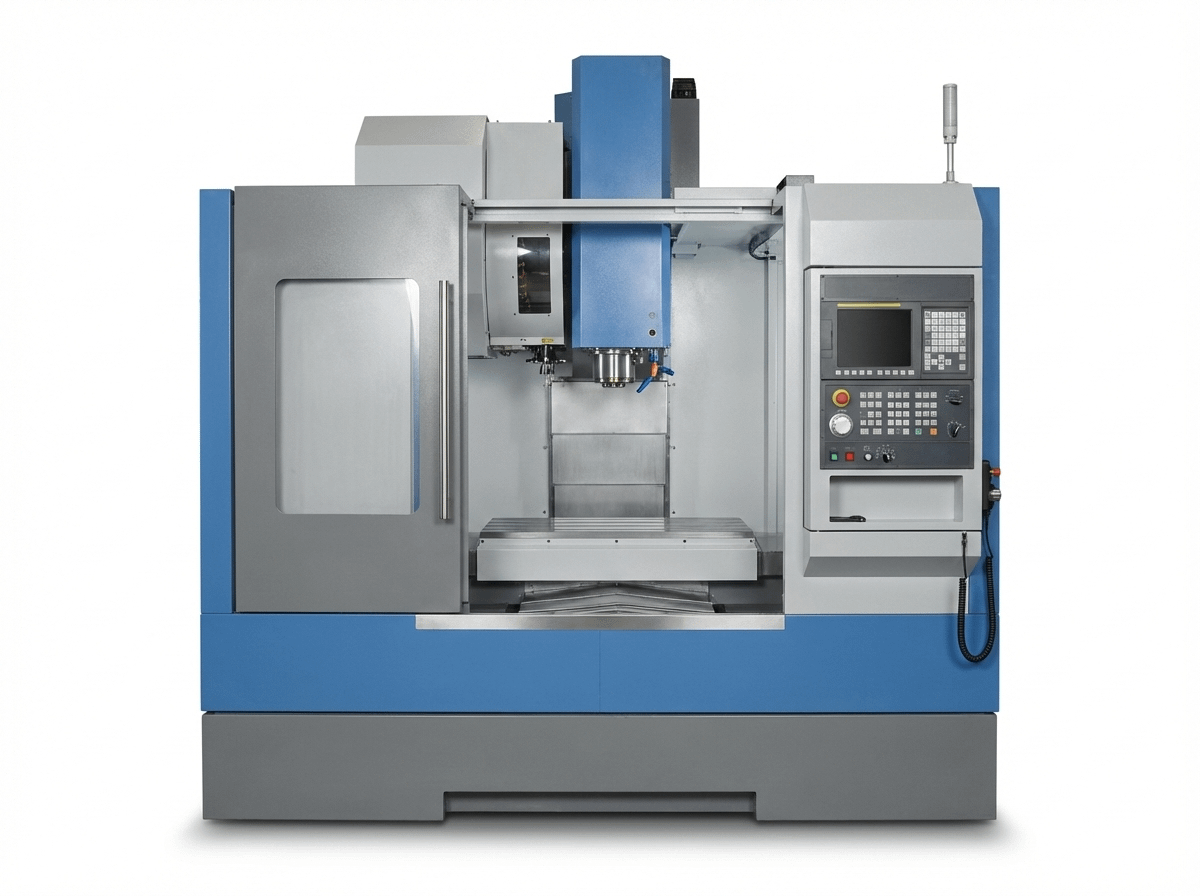
 Reference image
The 2010 Yama Seiki SP4016 is a 3-axis bridge-type double-column vertical machining center manufactured by Yama Seiki USA, designed for large-format production milling of aerospace structures, heavy molds, large dies, and industrial components requiring wide-area table coverage and heavy spindle power. The SP4016 provides 157.5 inches of X-axis travel, 63 inches of Y-axis travel, and 30 inches of Z-axis travel. The 35 HP spindle reaches 8,000 RPM, enabling effective cutting performance across a range of materials including aluminum, steel, and cast iron, with sufficient power for both heavy roughing and precision finishing operations. Fanuc CNC control provides high-speed contouring capability and comprehensive G-code programming suited to complex large-format machining programs. The SP4016's double-column bridge structure ensures rigidity across its 157-inch X-axis stroke, maintaining accuracy during heavy cutting passes on large workpieces. The extended X-travel makes the SP4016 particularly suited to manufacturers producing long structural components, rail equipment, shipbuilding parts, and large tooling plates requiring more than 10 feet of longitudinal travel in a single clamping. Yama Seiki's SP series positions the brand in the large-format double-column machining center segment, offering a cost-competitive alternative to Japanese and European bridge mills for North American manufacturers requiring large-envelope capability. The machine requires heavy foundations and adequate overhead crane access for installation and servicing.
Specifications, market trends, and valuation estimates are compiled from manufacturer documentation, historical sales, and industry sources. While care is taken to ensure accuracy, this information is provided for reference purposes only and may contain errors or omissions. Users should independently verify all data before making buying or selling decisions. Valuations do not represent guaranteed transaction prices or binding offers, and Aucto assumes no liability for decisions made using this data.
Spot an error or missing detail? Help us keep our equipment guides accurate for the community.

 A+
A+ Auction Value
$90,151
 Range$25,000 – $125,233
 Sells in ~ 30 days
 Retail Value
—
Sells in ~ 180 days
Item functions as originally intended, shows signs of normal wear. Change the condition to see how it moves both values.
| Attribute | Selected2010 YAMA SEIKI SP4016 VERTICAL MACHINING CENTER | 2009 YAMA SEIKI 1020 VERTICAL MACHINING CENTER | |
|---|---|---|---|
| OEM | YAMA SEIKI | YAMA SEIKI | |
| Model | SP4016 | 1020 | |
| Year | 2010 | 2009 | |
| Control System | Fanuc | Fanuc | |
| Max Spindle Speed | 8000 RPM | 10000 RPM | |
| X-Axis Travel | 157.5 '' | 39.4 '' | |
| Y-Axis Travel | 63 '' | 19.7 '' | |
| # of Axes | 3 | 3 | |
| Spindle Power | 35 HP | 15 HP | |
| Z-Axis Travel | 30 '' | 20.1 '' | |
| Similarity | — | 95% | |
| Auction Value$25,000 - $125,233Retail Value— | Auction Value$2,500 - $17,500Retail Value— | |
| Current Machine | View Details |
Marketplace