Buy Now
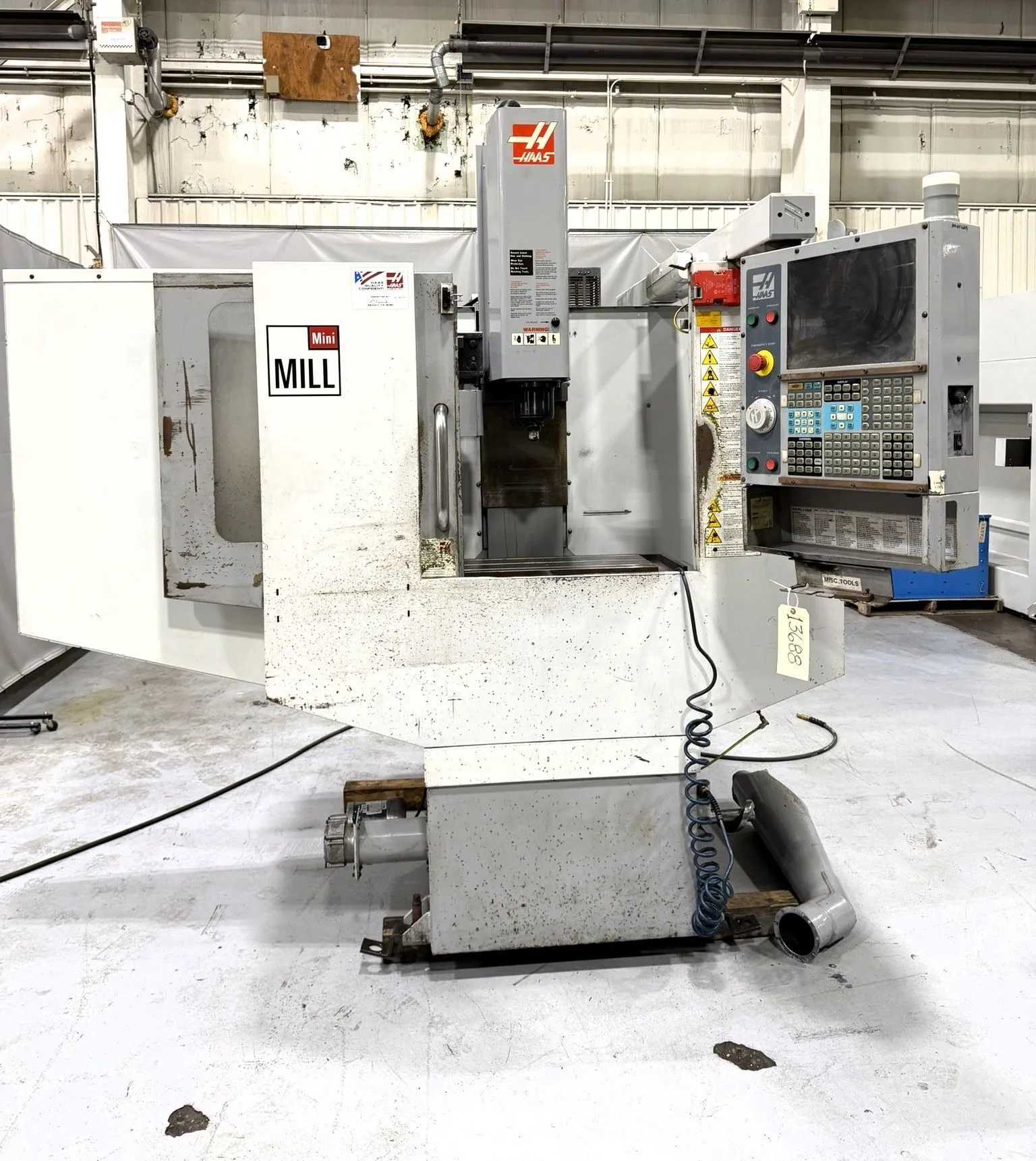
2006 Haas Mini Mill CNC, 6000 RPM, 10 ATC, 3-Axis, 240V Power, Compact & Efficient!
$17,500
$290/moIllinois
Specifications & Market Value
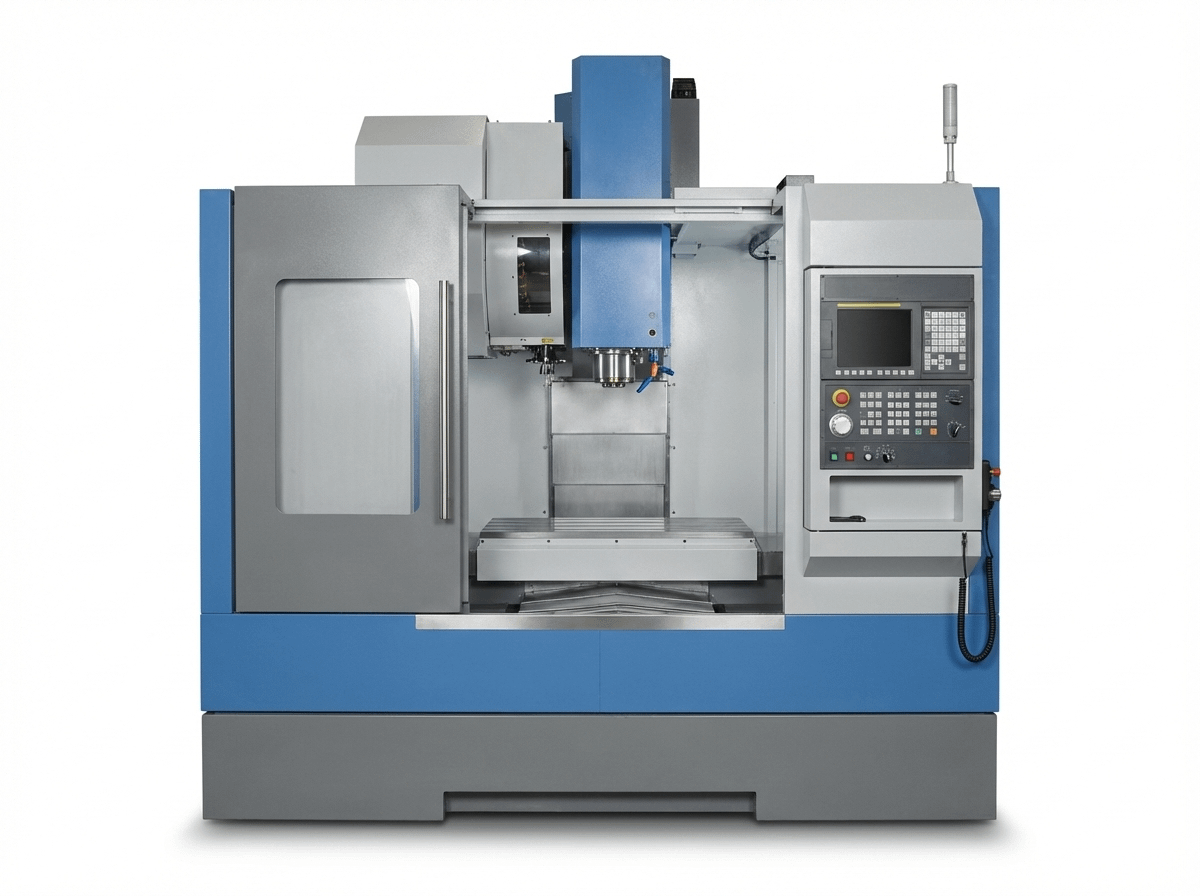
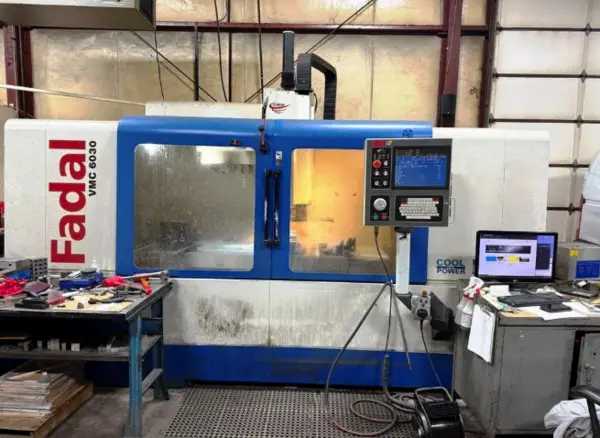
 Reference image
The 2022 Haas DC3 is a 3-axis high-speed drill center manufactured by Haas Automation of Oxnard, California. The DC3/40 is a gantry-style CNC drill and tap center configured for high-volume hole-making and tapping operations on long workpieces, featuring a 78.7-inch X-axis travel with a turret-style tool changer optimized for rapid tool-to-tool change times of 1.25 seconds. The CAT-40 spindle operates to 10,000 RPM standard, with 12,000 and 15,000 RPM optional high-speed configurations available. The gantry-over-table architecture allows the spindle to traverse the full X travel over a stationary workpiece, making the DC3 particularly efficient for long plate and structural parts requiring a high density of holes, tapped features, or light milling operations. The 20-pocket turret-style tool changer provides fast access to drilling, reaming, tapping, and light milling tools in a single setup. CNC motion control is provided by the Haas Next Generation Control (NGC), offering the full Haas programming environment including canned drilling cycles, rigid tapping, and conversational assistance. The DC3 is well suited to production environments in aerospace, structural steel, and fabrication industries requiring high-throughput hole-making on long parts.
Specifications, market trends, and valuation estimates are compiled from manufacturer documentation, historical sales, and industry sources. While care is taken to ensure accuracy, this information is provided for reference purposes only and may contain errors or omissions. Users should independently verify all data before making buying or selling decisions. Valuations do not represent guaranteed transaction prices or binding offers, and Aucto assumes no liability for decisions made using this data.
Spot an error or missing detail? Help us keep our equipment guides accurate for the community.

 A+
A+ Auction Value
$5,485
 Range$1,000 – $7,900
 Sells in ~ 30 days
 Retail Value
—
Sells in ~ 180 days
Item functions as originally intended, shows signs of normal wear. Change the condition to see how it moves both values.
Marketplace

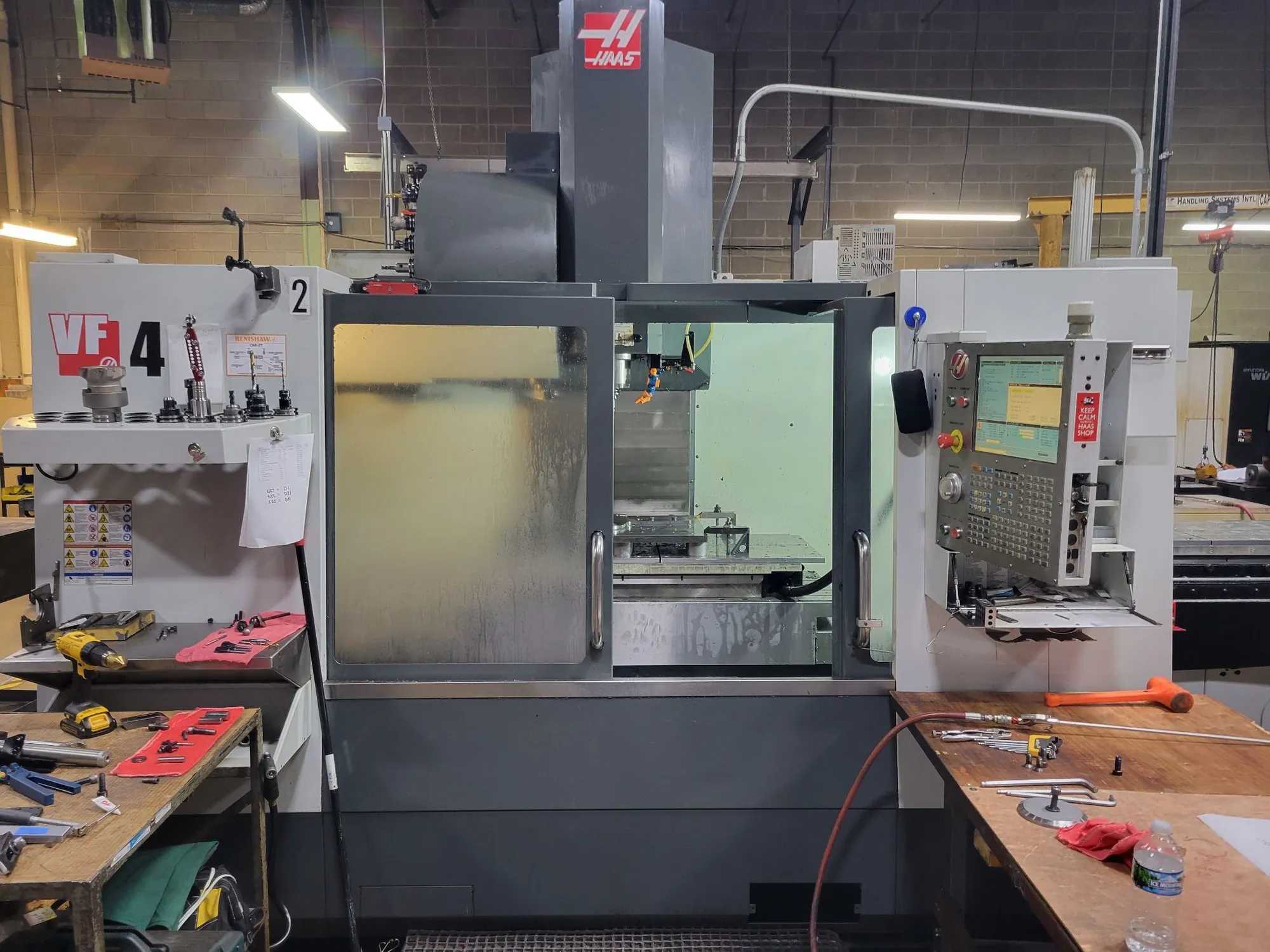
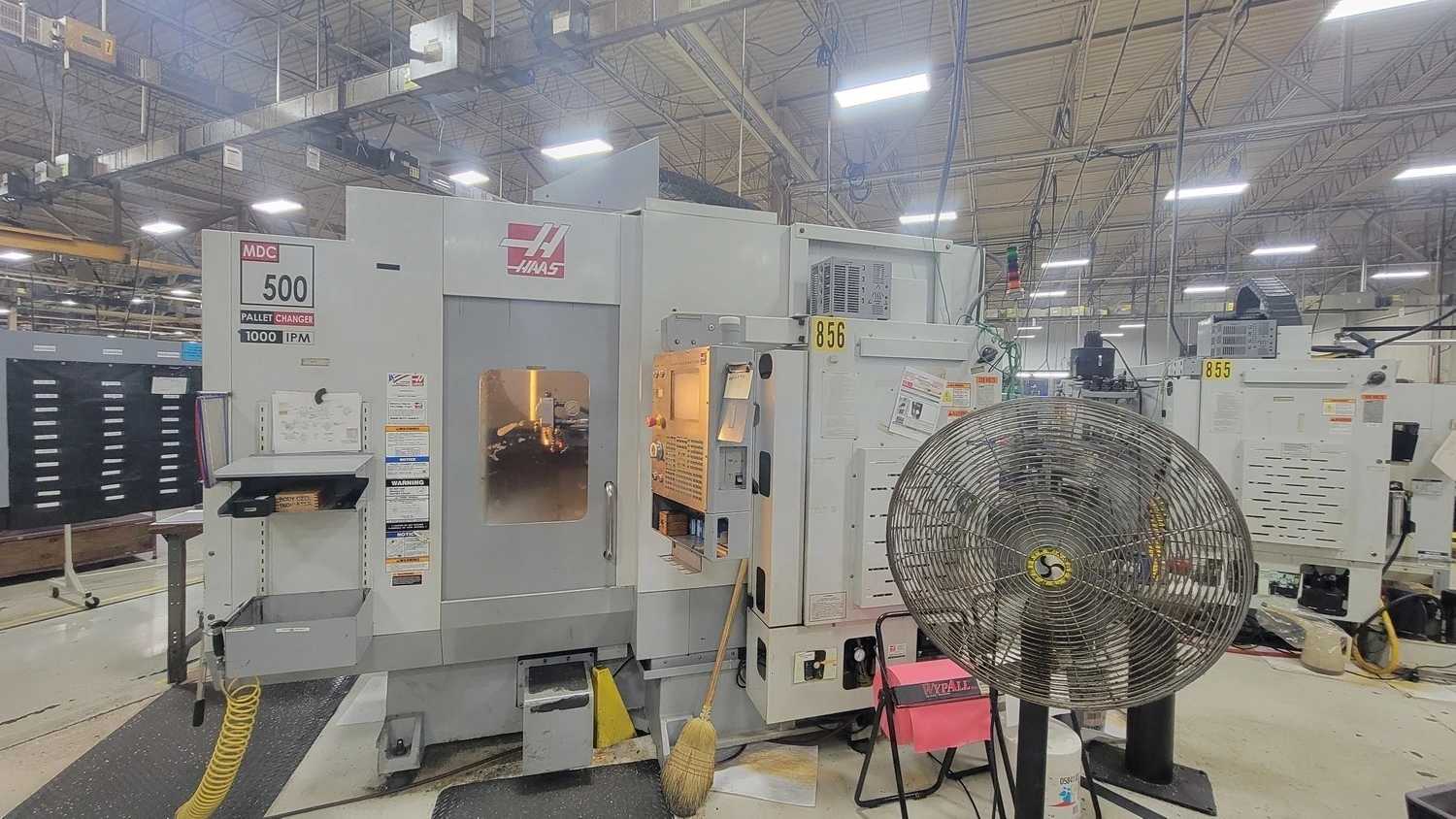
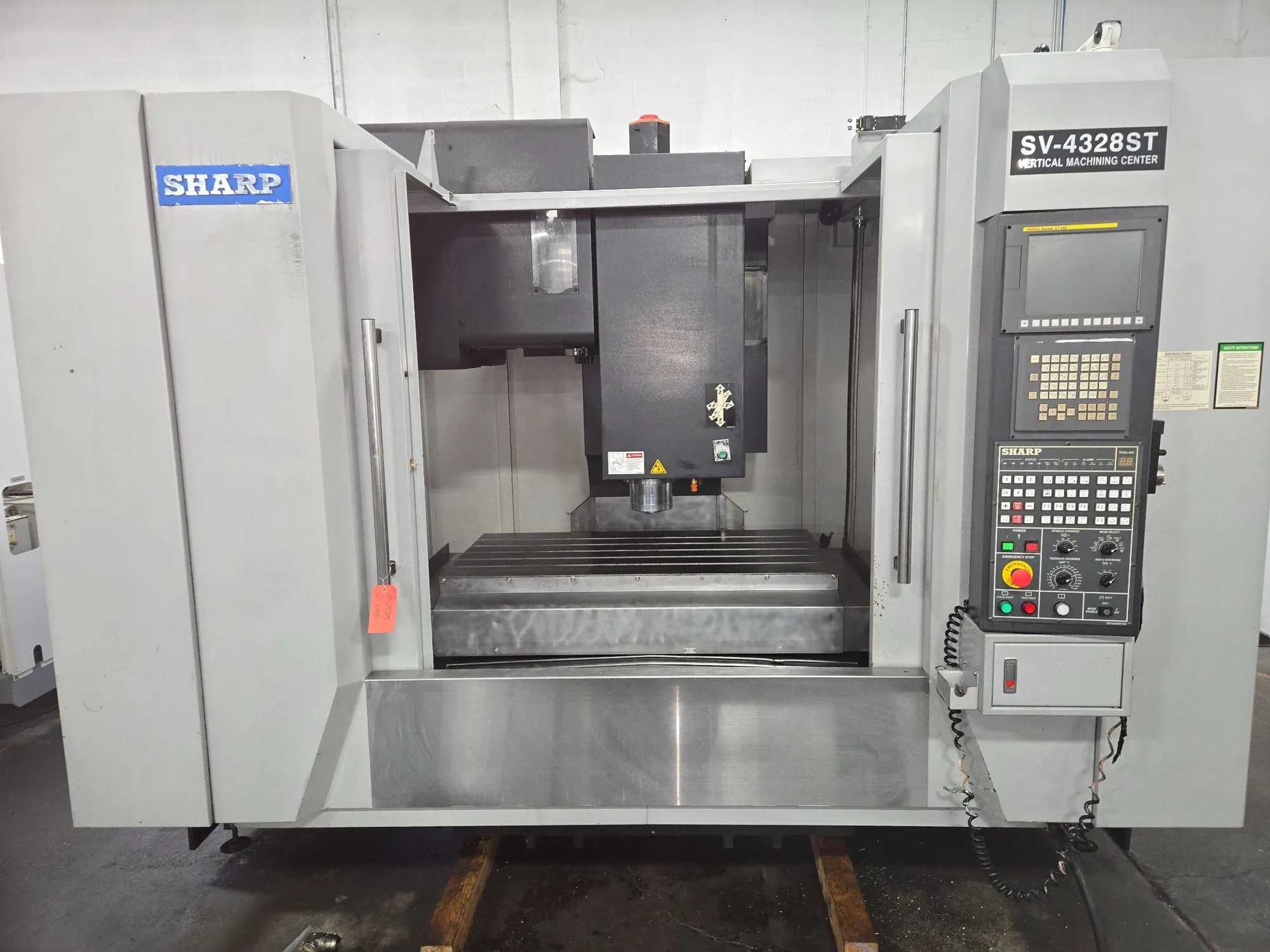
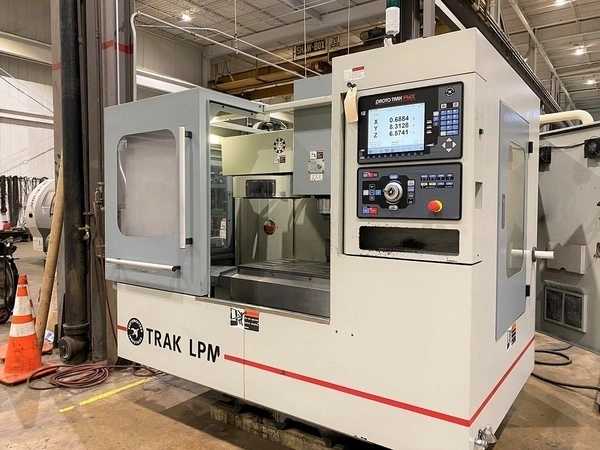
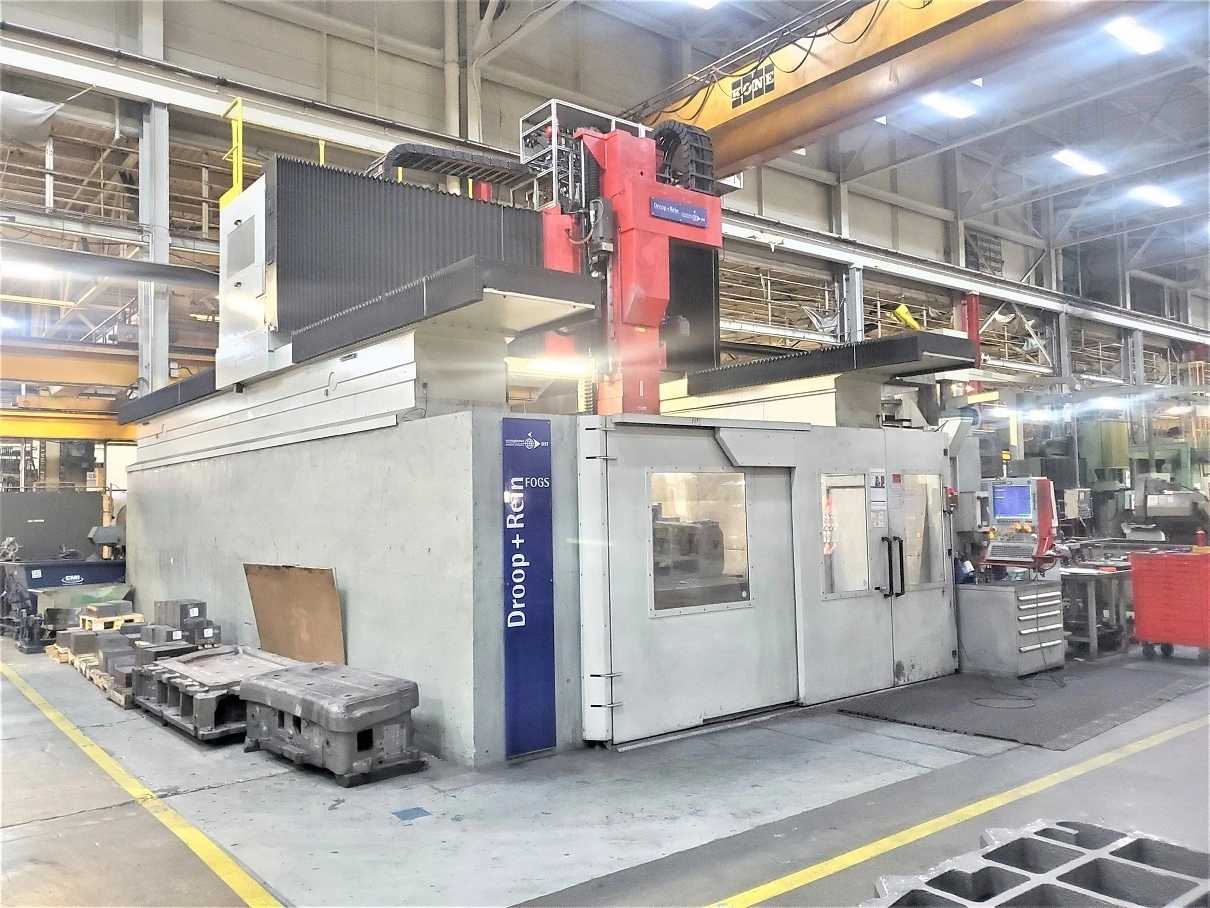
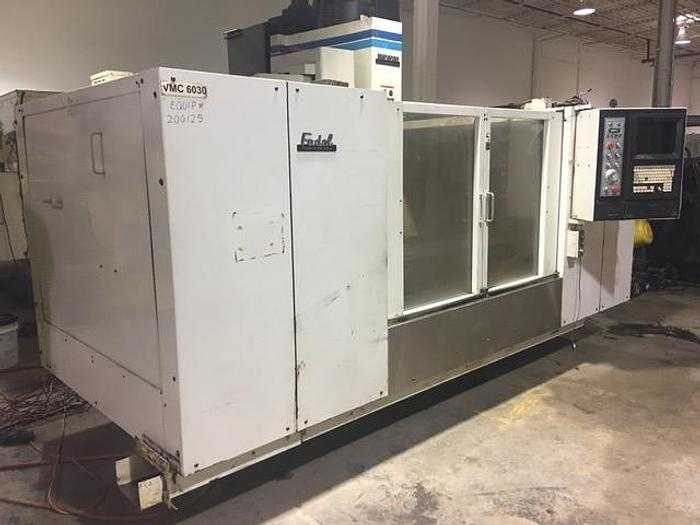
| Attribute | Selected2022 HAAS DC3 VERTICAL MACHINING CENTER | 2023 HAAS DT1 VERTICAL MACHINING CENTER | |
|---|---|---|---|
| OEM | HAAS | HAAS | |
| Model | DC3 | DT1 | |
| Year | 2022 | 2023 | |
| Control System | Haas NGC | Haas NGC | |
| Table Size (LxW) | 22.5 x 10 | 16 x 14 | |
| Max Spindle Speed | 30000 RPM | 15000 RPM | |
| Spindle Power | 5 HP | 7.5 HP | |
| Y-Axis Travel | 10 '' | 16 '' | |
| X-Axis Travel | 12 '' | 20 '' | |
| # of Axes | 3 | 3 | |
| Z-Axis Travel | 14 '' | 15.5 '' | |
| Similarity | — | 96% | |
| Auction Value$1,000 - $7,900Retail Value— | Auction Value$5,000 - $45,100Retail Value— | |
| Current Machine | View Details |