Buy Now
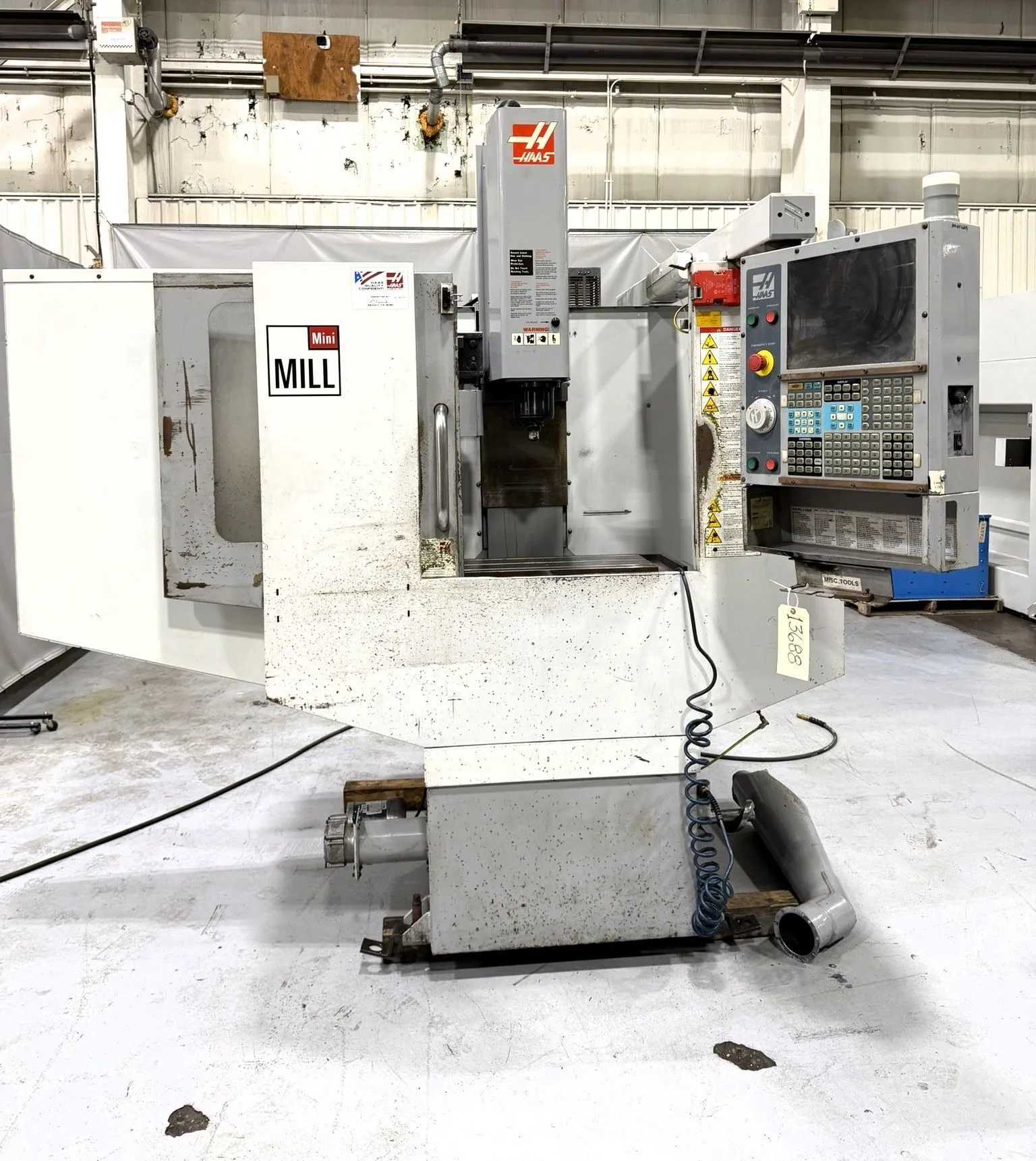
2006 Haas Mini Mill CNC, 6000 RPM, 10 ATC, 3-Axis, 240V Power, Compact & Efficient!
$17,500
$290/moIllinois
Specifications & Market Value
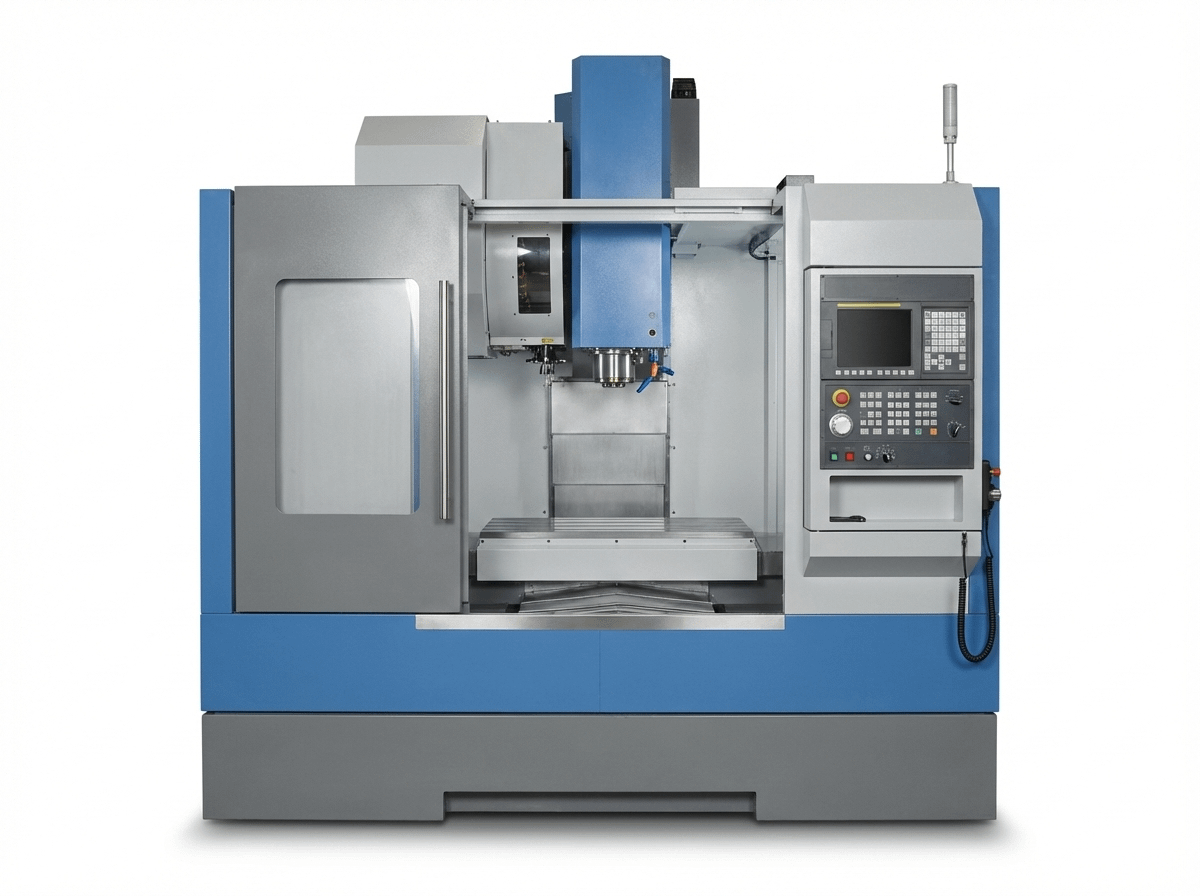
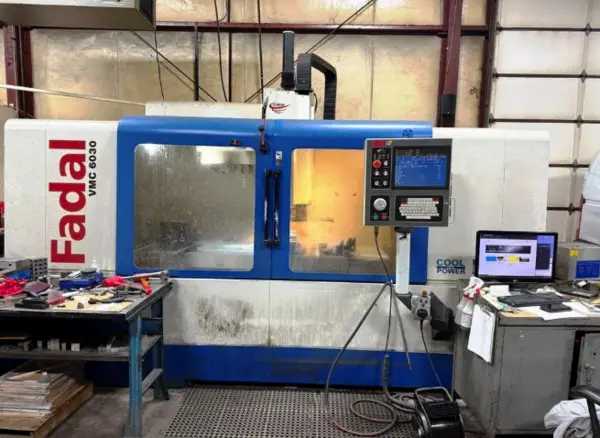
 Reference image
The 2020 Haas UMC500 is a 5-axis universal machining center built around an integrated trunnion table design that delivers simultaneous 5-axis contouring capability for complex aerospace, energy, medical, and precision industrial components. Axis travels measure 20" in X, 20" in Y, and 20" in Z, providing a generous working envelope for mid-size workpieces. The trunnion table provides A-axis tilt and C-axis rotation, enabling full 5-sided access and true simultaneous 5-axis interpolation. The spindle is rated at 30 HP continuous with a maximum speed of 12,000 RPM on a CAT40 taper, delivering the torque and speed range needed to handle steel, titanium, and aluminum in a single setup. All linear axes are servo-driven with high-speed look-ahead contouring to maintain accuracy at production feed rates. The machine is controlled by the Haas NGC (Next Generation Control), featuring a 15-inch high-resolution color touchscreen, enhanced conversational programming, built-in wireless networking, and high-speed processing for complex 5-axis programs. Standard features include a side-mount tool changer, rigid tapping, coolant system, and tool length measurement. The UMC500 has been a core model in the Haas 5-axis lineup since its introduction, offering a balanced combination of working volume, rigidity, and accessibility that suits both job shop and production environments. Machine weight is approximately 18,000 lbs, reflecting the cast-iron construction that underpins its cutting performance and dimensional stability.
Specifications, market trends, and valuation estimates are compiled from manufacturer documentation, historical sales, and industry sources. While care is taken to ensure accuracy, this information is provided for reference purposes only and may contain errors or omissions. Users should independently verify all data before making buying or selling decisions. Valuations do not represent guaranteed transaction prices or binding offers, and Aucto assumes no liability for decisions made using this data.
Spot an error or missing detail? Help us keep our equipment guides accurate for the community.

 A+
A+ Auction Value
$76,862
 Range$20,000 – $107,480
 Sells in ~ 30 days
 Retail Value
—
Sells in ~ 180 days
Item functions as originally intended, shows signs of normal wear. Change the condition to see how it moves both values.
Marketplace

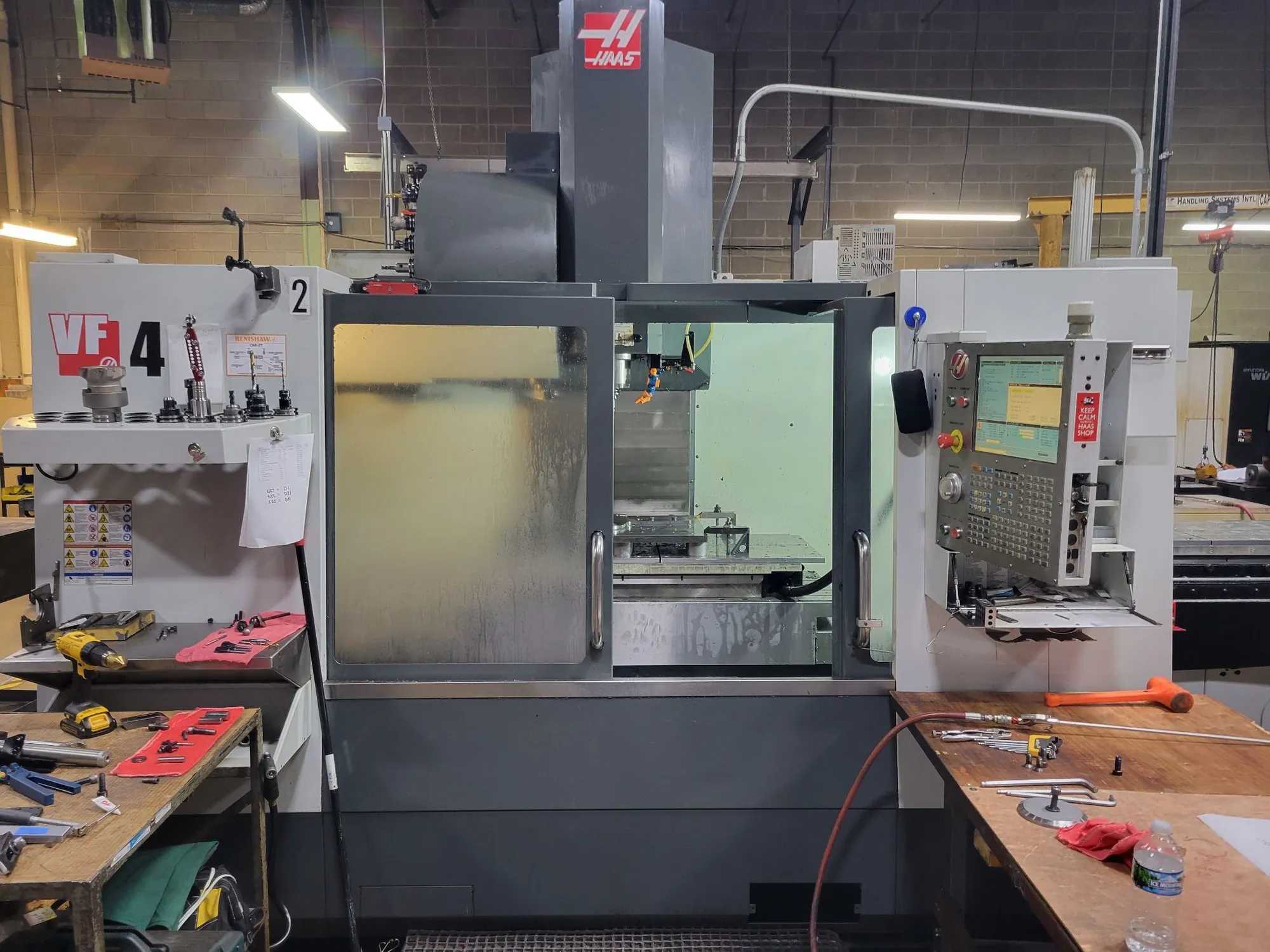
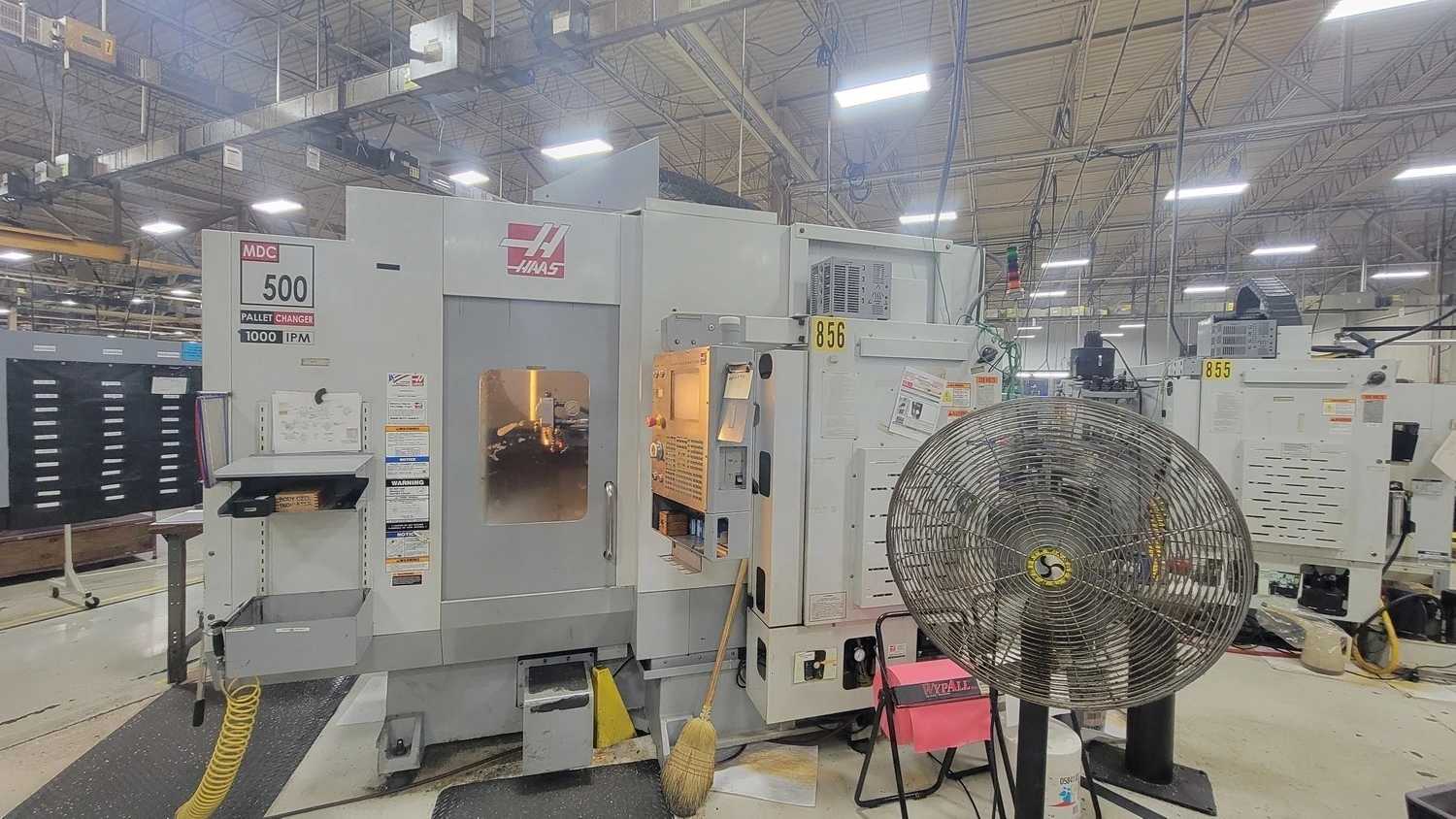
| Attribute | Selected2020 HAAS UMC500 VERTICAL MACHINING CENTER | 2020 HAAS UMC750 VERTICAL MACHINING CENTER | |
|---|---|---|---|
| OEM | HAAS | HAAS | |
| Model | UMC500 | UMC750 | |
| Year | 2020 | 2020 | |
| Table Size (LxW) | 20 x 20 | 30 x 26 | |
| Z-Axis Travel | 20 '' | 25 '' | |
| # of Axes | 5 | 5 | |
| Y-Axis Travel | 20 '' | 26 '' | |
| Control System | Haas NGC | Haas NGC | |
| X-Axis Travel | 20 '' | 30 '' | |
| Spindle Power | 30 HP | 30 HP | |
| Max Spindle Speed | 12000 RPM | 12000 RPM | |
| Similarity | — | 99% | |
| Auction Value$20,000 - $107,480Retail Value— | Auction Value$20,000 - $116,200Retail Value— | |
| Current Machine | View Details |