Buy Now
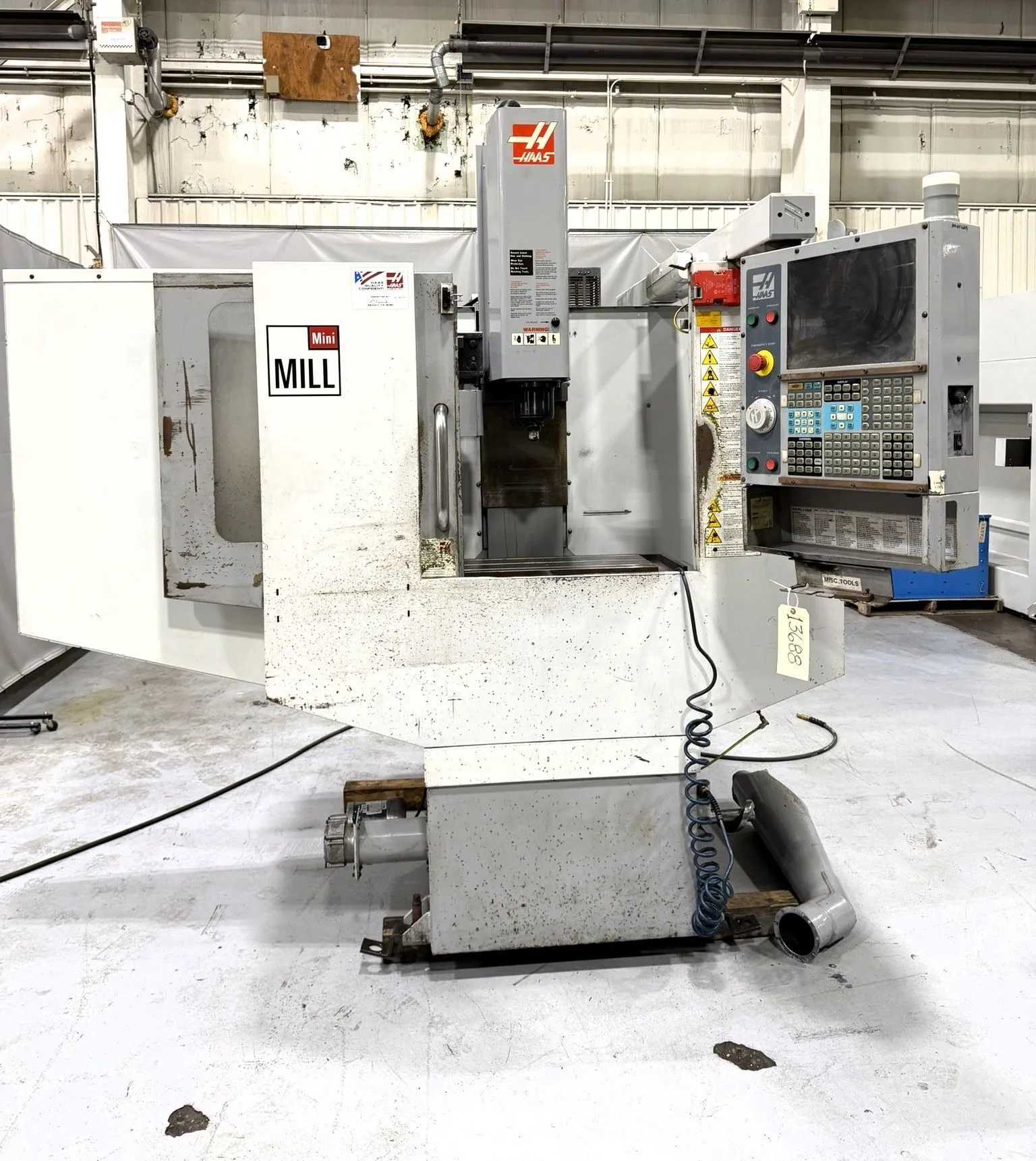
2006 Haas Mini Mill CNC, 6000 RPM, 10 ATC, 3-Axis, 240V Power, Compact & Efficient!
$17,500
$290/moIllinois
Specifications & Market Value
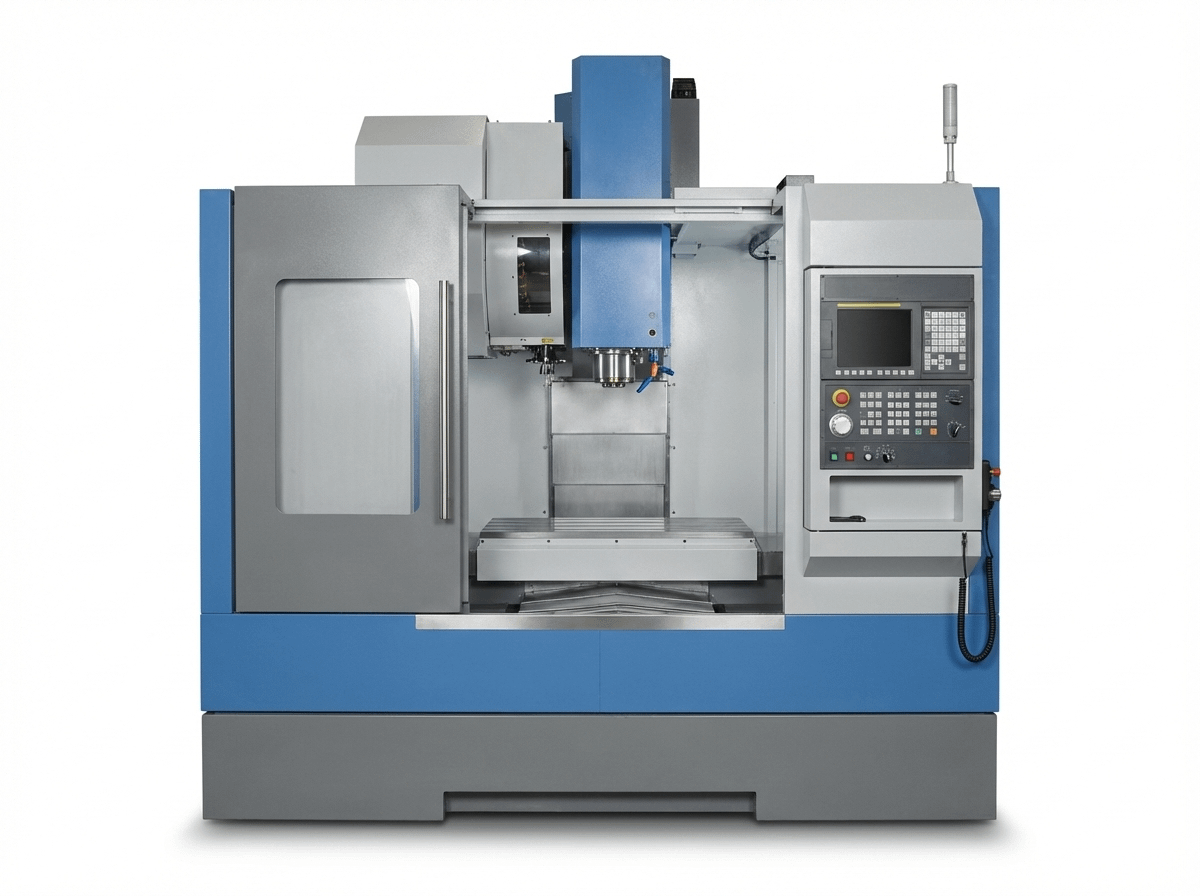
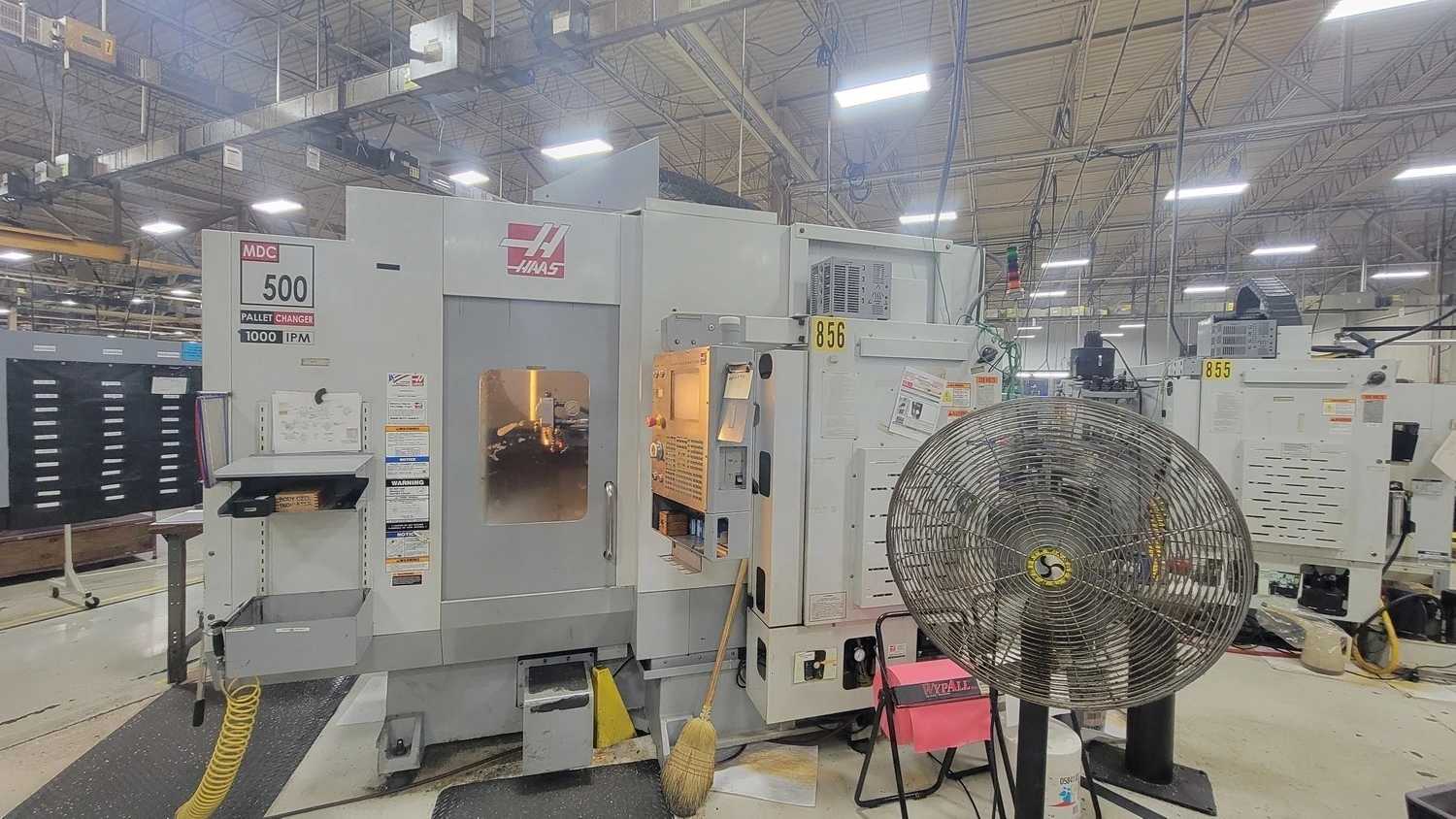
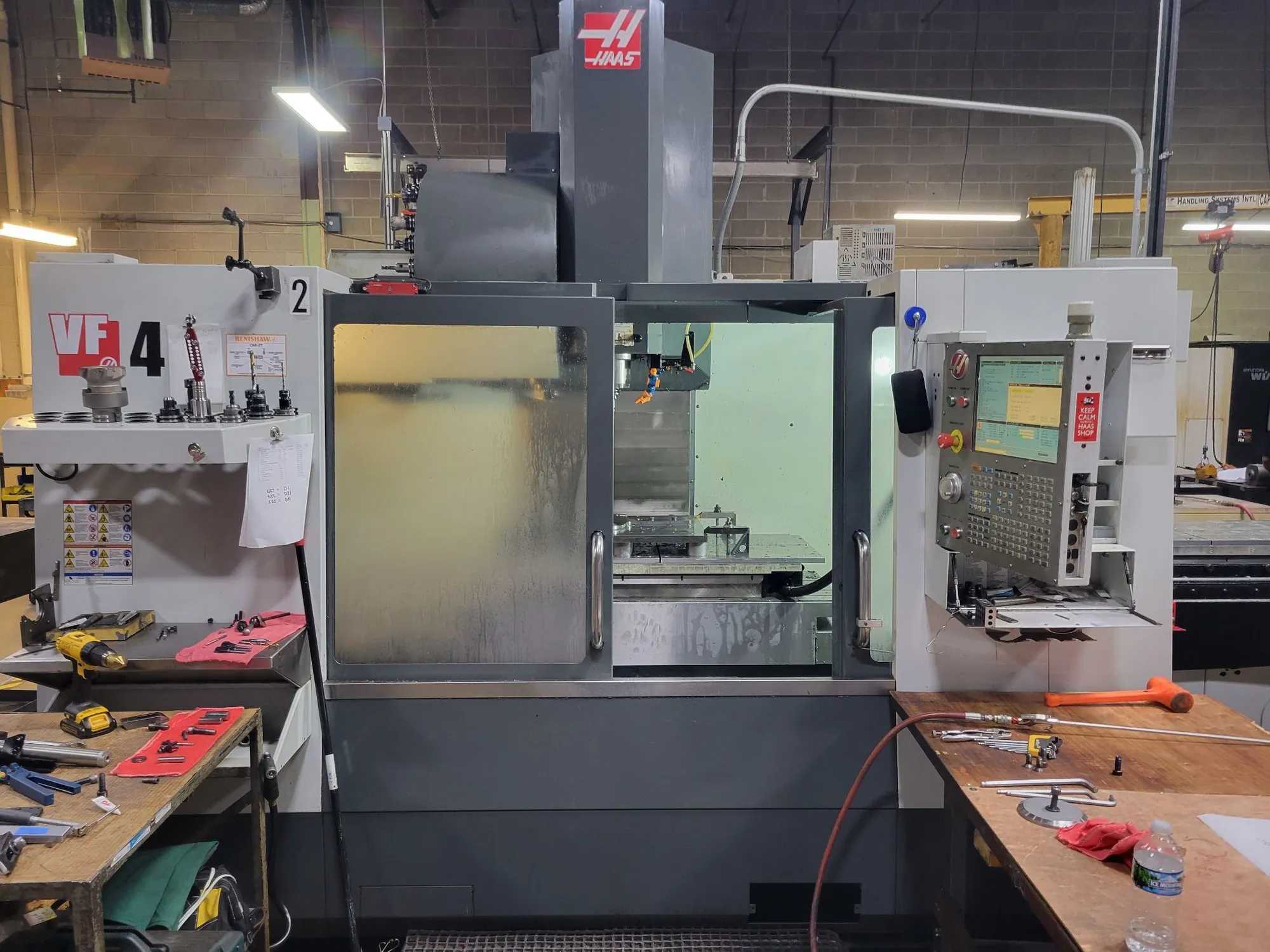
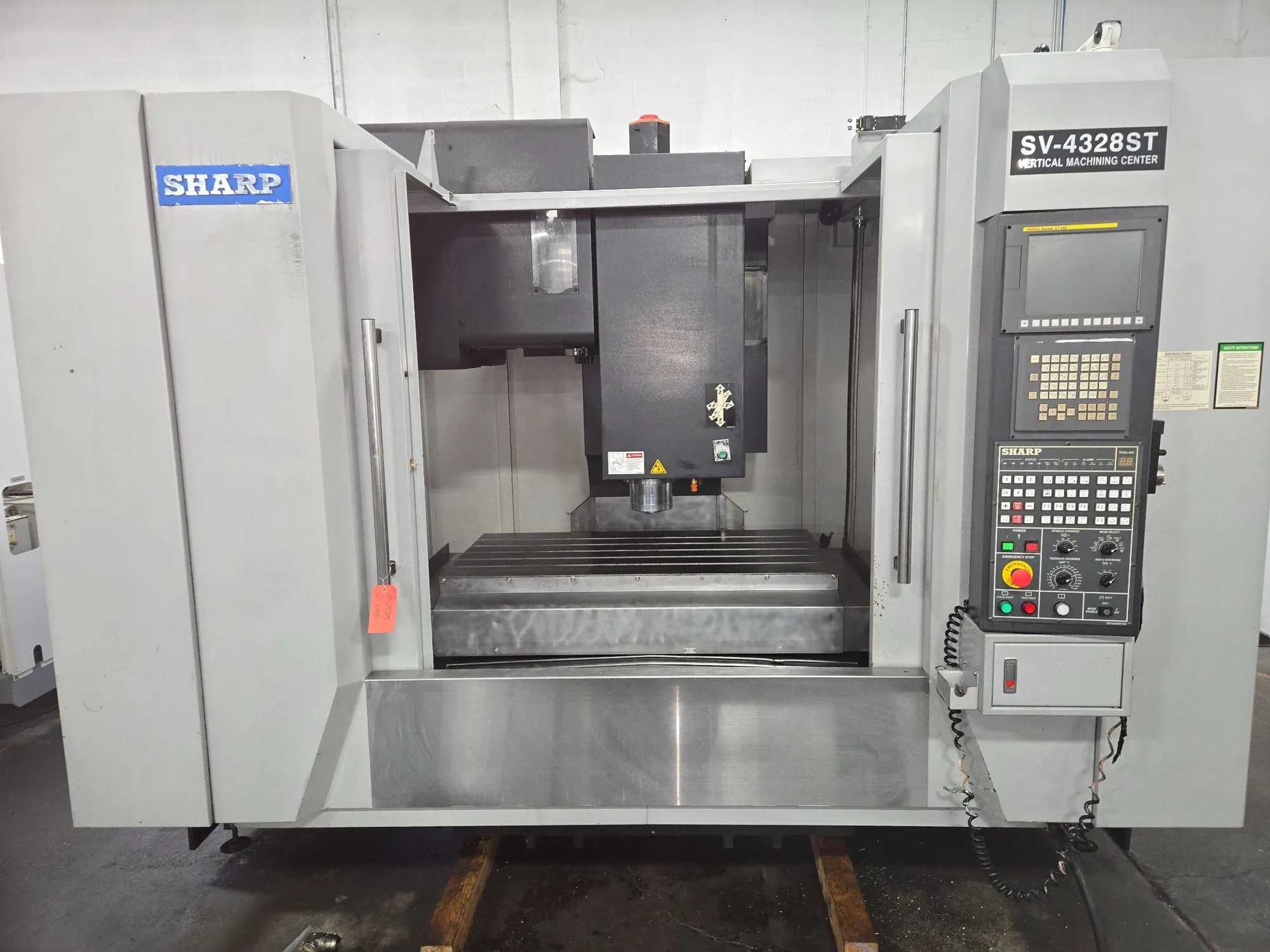
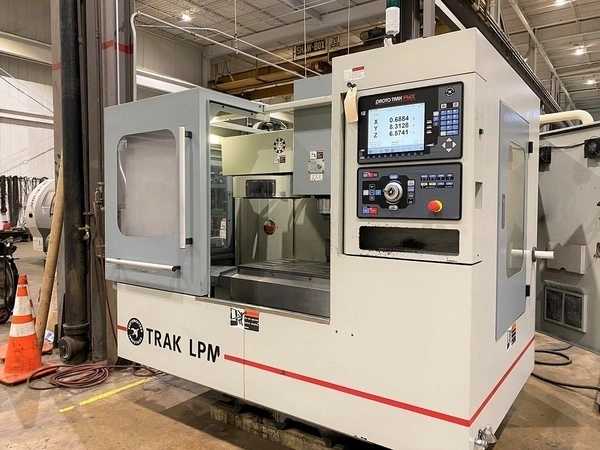
 Reference image
The 2012 Haas VF9-50 is a 3-axis vertical machining center designed for large-part machining requiring extended work envelopes and heavy-duty cutting capability. Built on Haas's high-rigidity cast-iron frame, the VF9-50 features a CAT50 spindle interface rated at 50 HP continuous, providing substantial torque for demanding materials including steel, cast iron, and titanium. The spindle reaches a maximum speed of 7,500 RPM, suited to large-diameter tooling commonly used in aerospace, mold, die, and heavy industrial applications. Axis travels of 84 inches in X, 40 inches in Y, and 30 inches in Z accommodate long workpieces and large fixturing setups without repositioning. The VF9-50 designation distinguishes this variant from the standard VF-9 by its CAT50 taper spindle, enabling the use of larger, heavier tooling that the CAT50 interface is engineered to support. The machine ships with Haas's side-mount tool changer, and the control system provides full G-code programmability with conversational assistance. At approximately 46,000 pounds, the VF9-50 offers the structural mass necessary to dampen vibration during aggressive cuts. This unit is equipped with the Haas CNC control, the standard platform for this era, providing reliable G-code execution and comprehensive machine management functions. The VF9-50 is well suited to job shops, aerospace contractors, and heavy manufacturing operations requiring a large-format VMC with proven reliability.
Specifications, market trends, and valuation estimates are compiled from manufacturer documentation, historical sales, and industry sources. While care is taken to ensure accuracy, this information is provided for reference purposes only and may contain errors or omissions. Users should independently verify all data before making buying or selling decisions. Valuations do not represent guaranteed transaction prices or binding offers, and Aucto assumes no liability for decisions made using this data.
Spot an error or missing detail? Help us keep our equipment guides accurate for the community.

 A+
A+ Auction Value
$45,425
 Range$10,000 – $64,500
 Sells in ~ 30 days
 Retail Value
—
Sells in ~ 180 days
Item functions as originally intended, shows signs of normal wear. Change the condition to see how it moves both values.
| Attribute | Selected2012 HAAS VF9-50 VERTICAL MACHINING CENTER | 2012 HAAS VF9 VERTICAL MACHINING CENTER | |
|---|---|---|---|
| OEM | HAAS | HAAS | |
| Model | VF9-50 | VF9 | |
| Year | 2012 | 2012 | |
| Control System | Haas CNC | Haas CNC | |
| Table Size (LxW) | 120 x 36 | 100 x 32 | |
| Z-Axis Travel | 30 '' | 30 '' | |
| Y-Axis Travel | 40 '' | 40 '' | |
| Spindle Power | 50 HP | 50 HP | |
| Max Spindle Speed | 7500 RPM | 7500 RPM | |
| X-Axis Travel | 84 '' | 84 '' | |
| # of Axes | 3 | 3 | |
| Similarity | — | 99% | |
| Auction Value$10,000 - $64,500Retail Value— | Auction Value$10,000 - $73,067Retail Value— | |
| Current Machine | View Details |
Marketplace