Buy Now
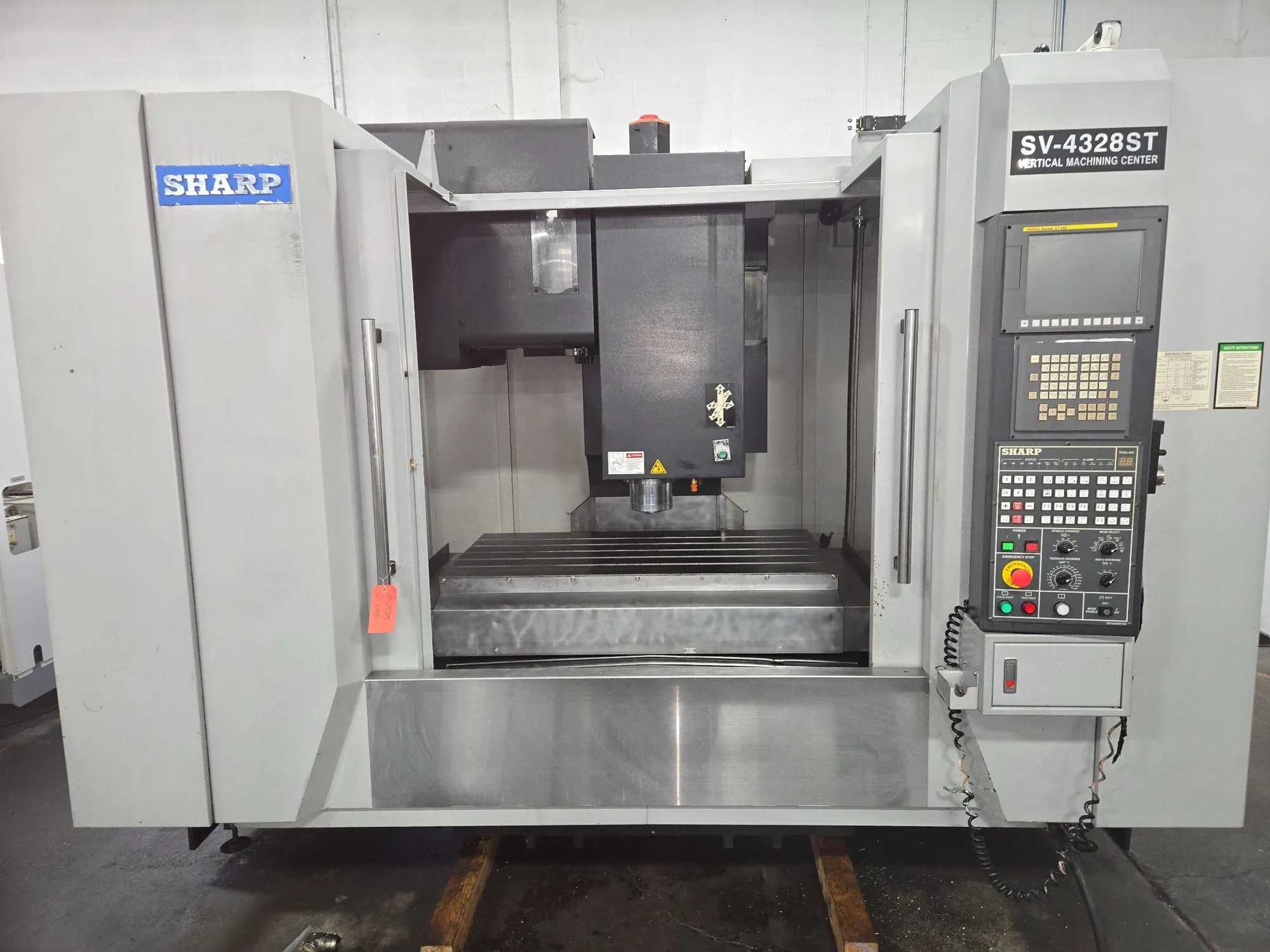
2014 SHARP SV-4328ST VERTICAL MACHINING CENTER, 43.3" X, 27.56" Y, 24" Z TRAVEL, 10,000 RPM
$31,600
$524/moKentucky
Specifications & Market Value
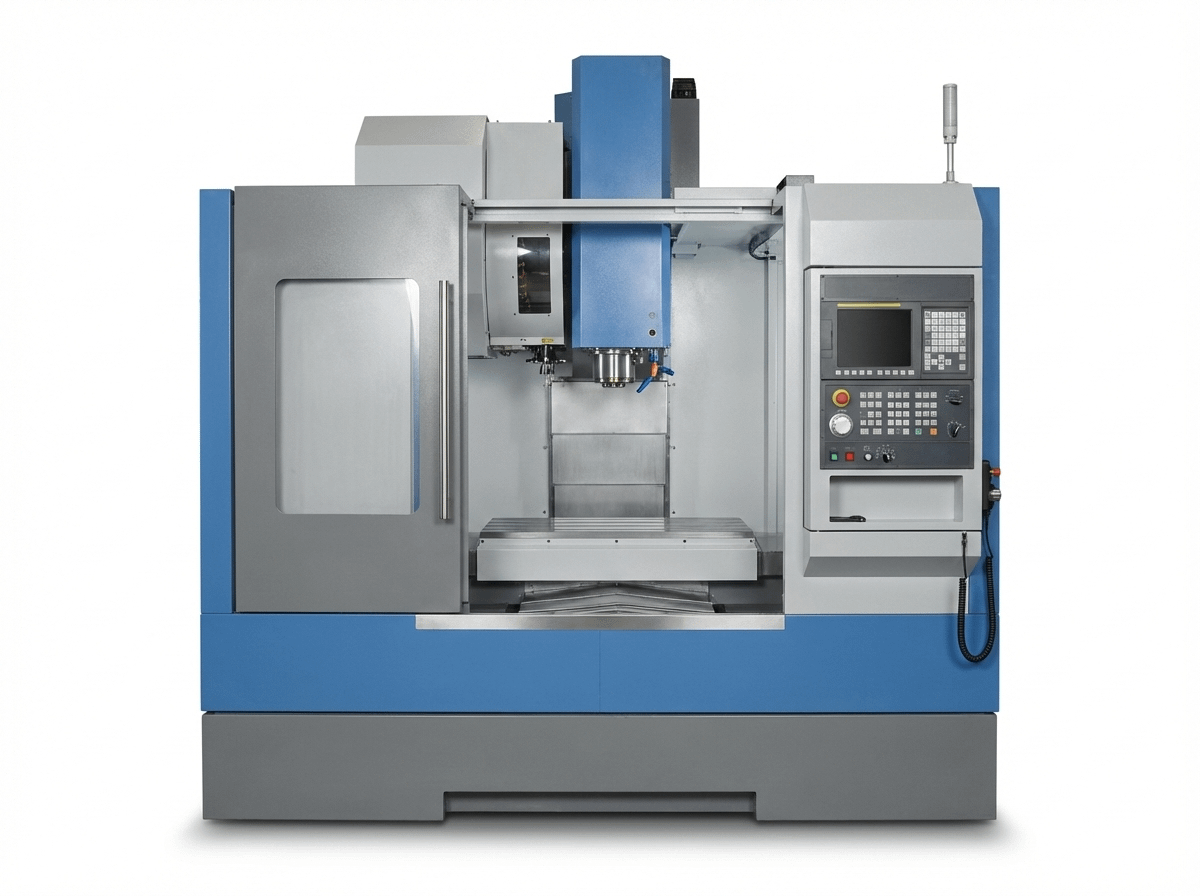
 Reference image
The 2000 Daewoo Mynx 500 is a 3-axis vertical machining center designed for versatile production milling, drilling, and tapping of medium to large workpieces in steel, cast iron, and aluminum alloys. The machine is built on a rigid cast iron base and column structure providing the structural stiffness needed for accurate cutting across a wide range of material types and machining operations. The BT 40 taper spindle delivers 15 kW of continuous power at a maximum speed of 8,000 RPM, enabling effective cutting performance from roughing through finishing. The working table measures 47.2 by 19.7 inches (1,200 by 500 mm) and supports axis travels of 40.2 inches in X, 20.1 inches in Y, and 22.6 inches in Z, accommodating a broad range of part sizes suited to job shop and production machining applications. A 24 to 30-position automatic tool changer enables unattended multi-operation cycles with minimal setup time. The Fanuc 21M CNC control provides comprehensive G-code support, canned cycle capability, and a reliable operator interface. The machine has an overall envelope of approximately 129 by 116 inches with a height of approximately 118 inches, and weighs approximately 16,500 lbs. The Mynx 500 offers a proven combination of generous table size, reliable Fanuc control, and robust construction that makes it suitable for demanding production environments processing medium to large component families.
Specifications, market trends, and valuation estimates are compiled from manufacturer documentation, historical sales, and industry sources. While care is taken to ensure accuracy, this information is provided for reference purposes only and may contain errors or omissions. Users should independently verify all data before making buying or selling decisions. Valuations do not represent guaranteed transaction prices or binding offers, and Aucto assumes no liability for decisions made using this data.
Spot an error or missing detail? Help us keep our equipment guides accurate for the community.

 A+
A+ Auction Value
$4,705
 Range$1,000 – $6,700
 Sells in ~ 30 days
 Retail Value
—
Sells in ~ 180 days
Item functions as originally intended, shows signs of normal wear. Change the condition to see how it moves both values.
Marketplace

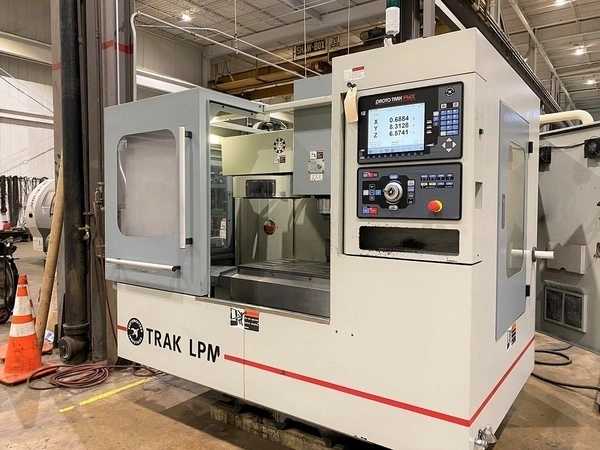
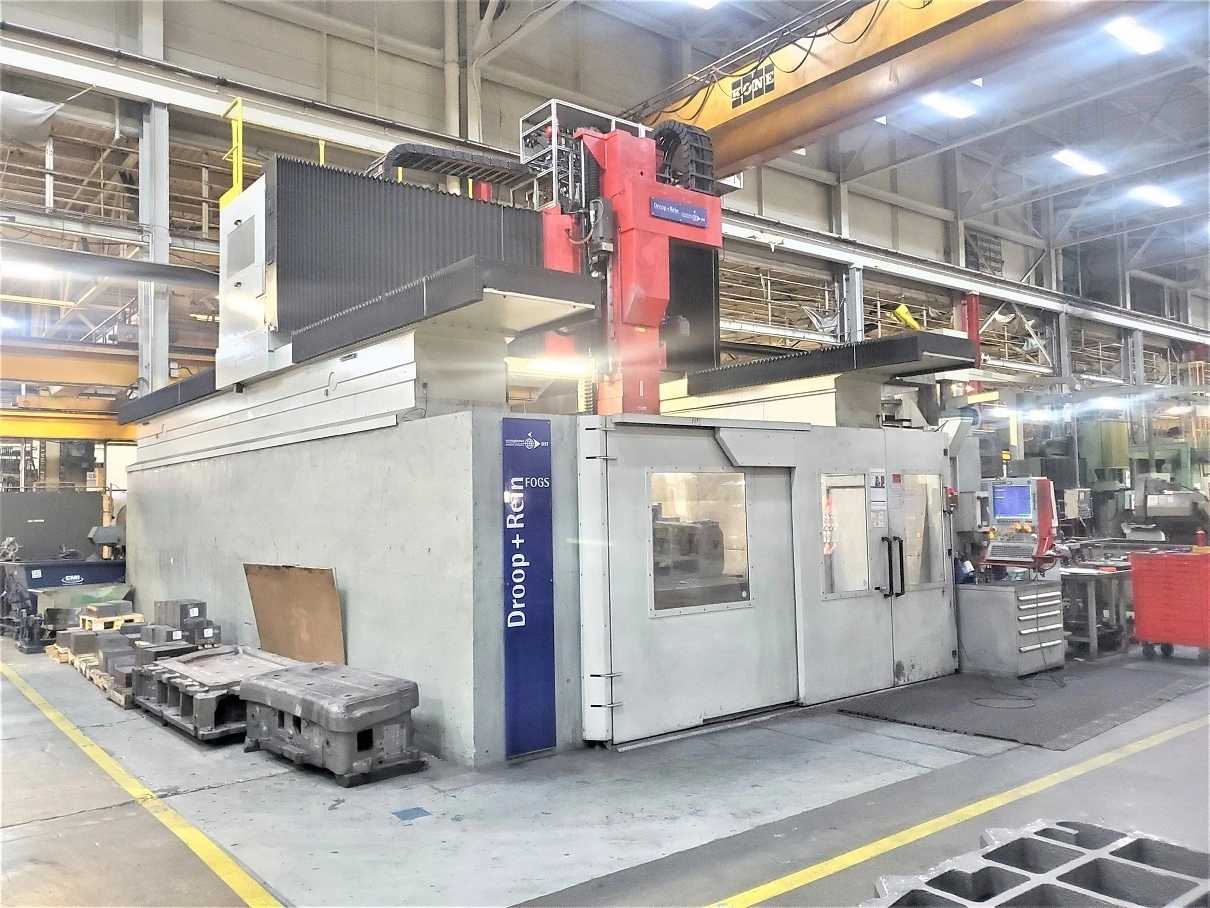
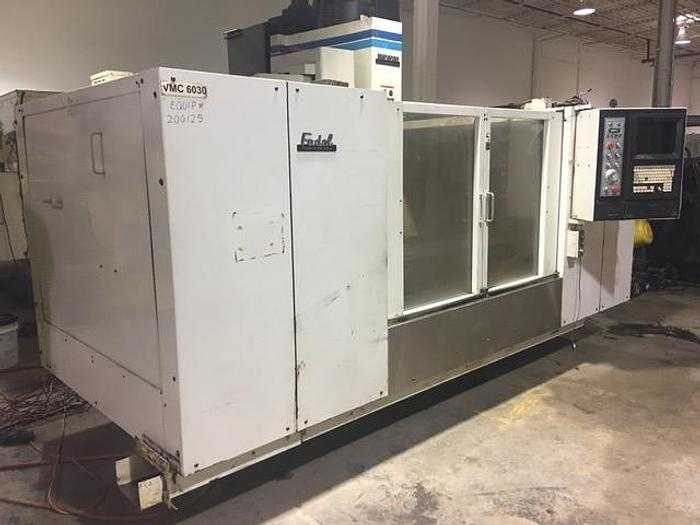
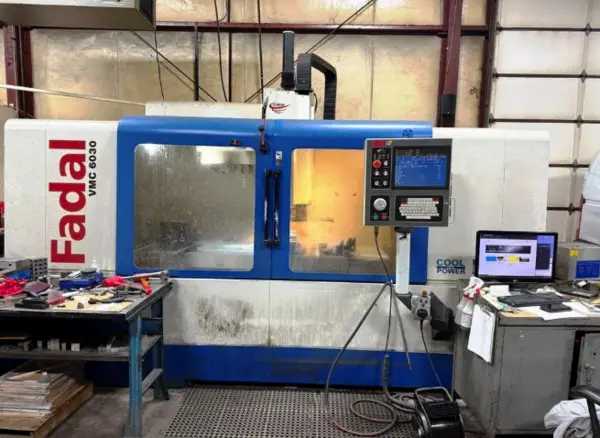
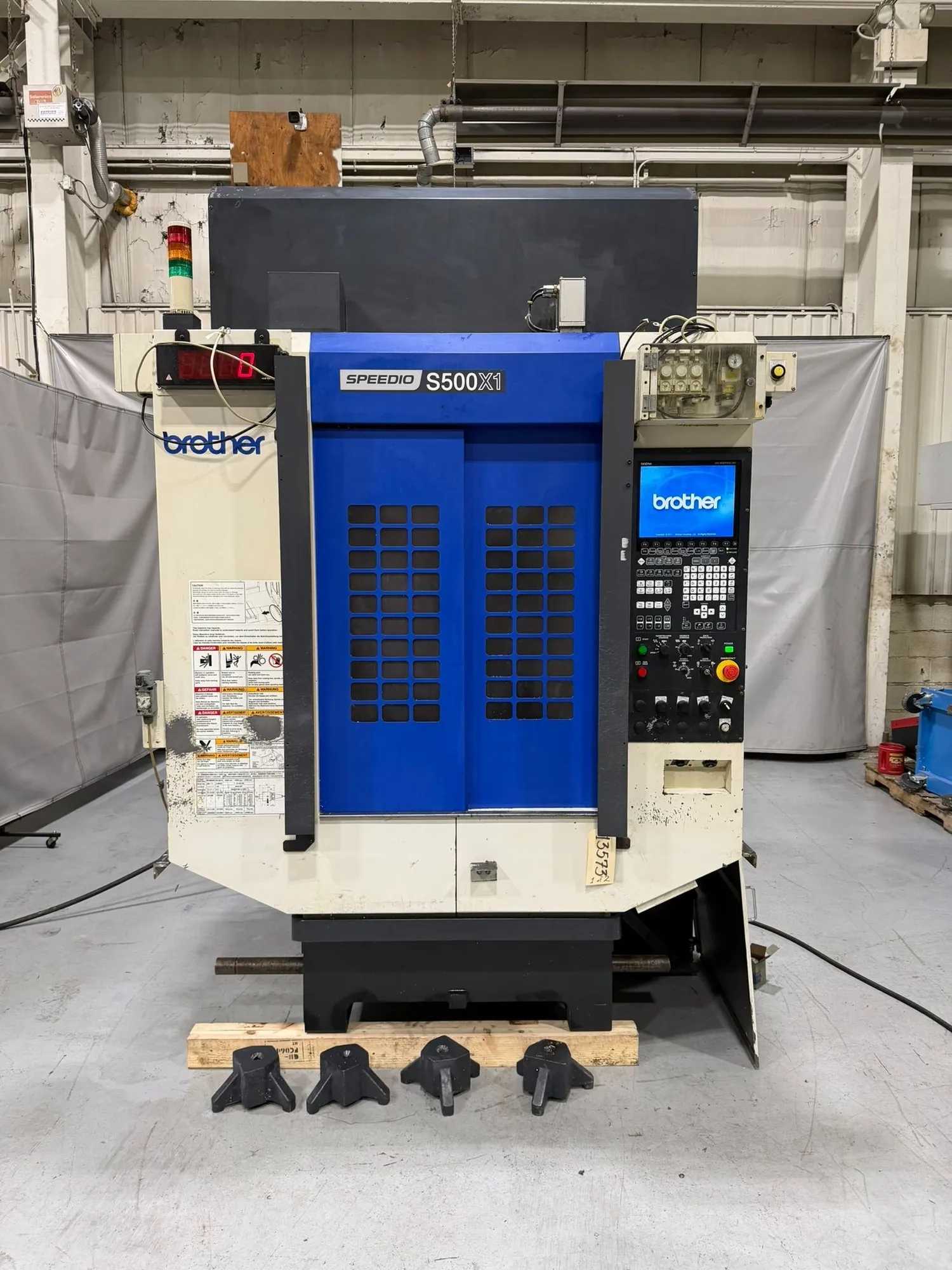
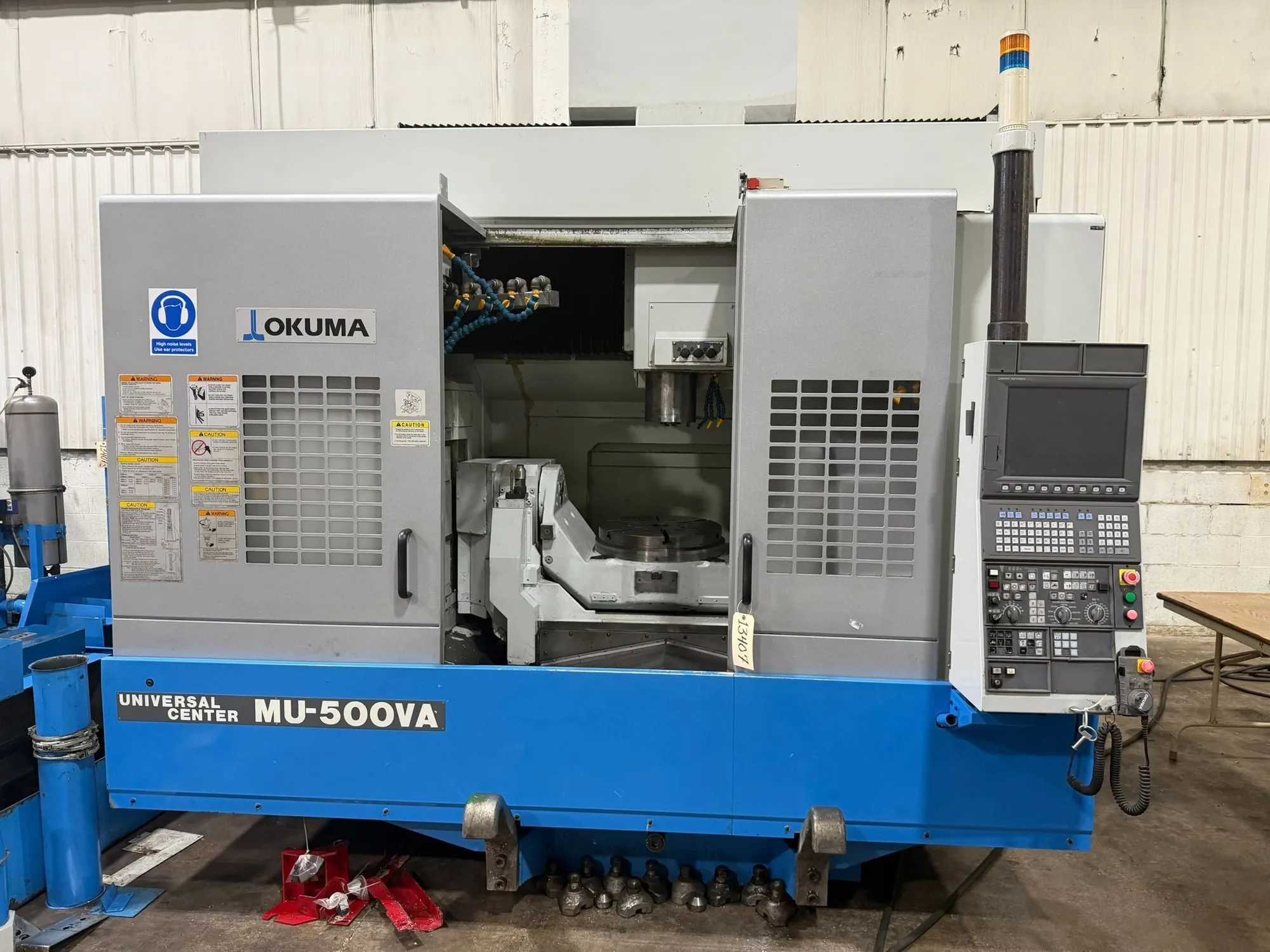
| Attribute | Selected2000 DAEWOO MYNX 500 VERTICAL MACHINING CENTER | 2019 DAEWOO MYNX 530 VERTICAL MACHINING CENTER | |
|---|---|---|---|
| OEM | DAEWOO | DAEWOO | |
| Model | MYNX 500 | MYNX 530 | |
| Year | 2000 | 2019 | |
| Control System | Fanuc 21M | Fanuc 0i-M | |
| Max Spindle Speed | 8000 RPM | 8000 RPM | |
| Y-Axis Travel | 20.1 '' | 20.1 '' | |
| Table Size (LxW) | 47.2 x 19.7 | 39.4 x 19.7 | |
| Spindle Power | 20 HP | 15 HP | |
| Z-Axis Travel | 22.6 '' | 20.1 '' | |
| # of Axes | 3 | 3 | |
| X-Axis Travel | 40.2 '' | 32 '' | |
| Similarity | — | 98% | |
| Auction Value$1,000 - $6,700Retail Value— | Auction Value$5,000 - $45,200Retail Value— | |
| Current Machine | View Details |