Buy Now
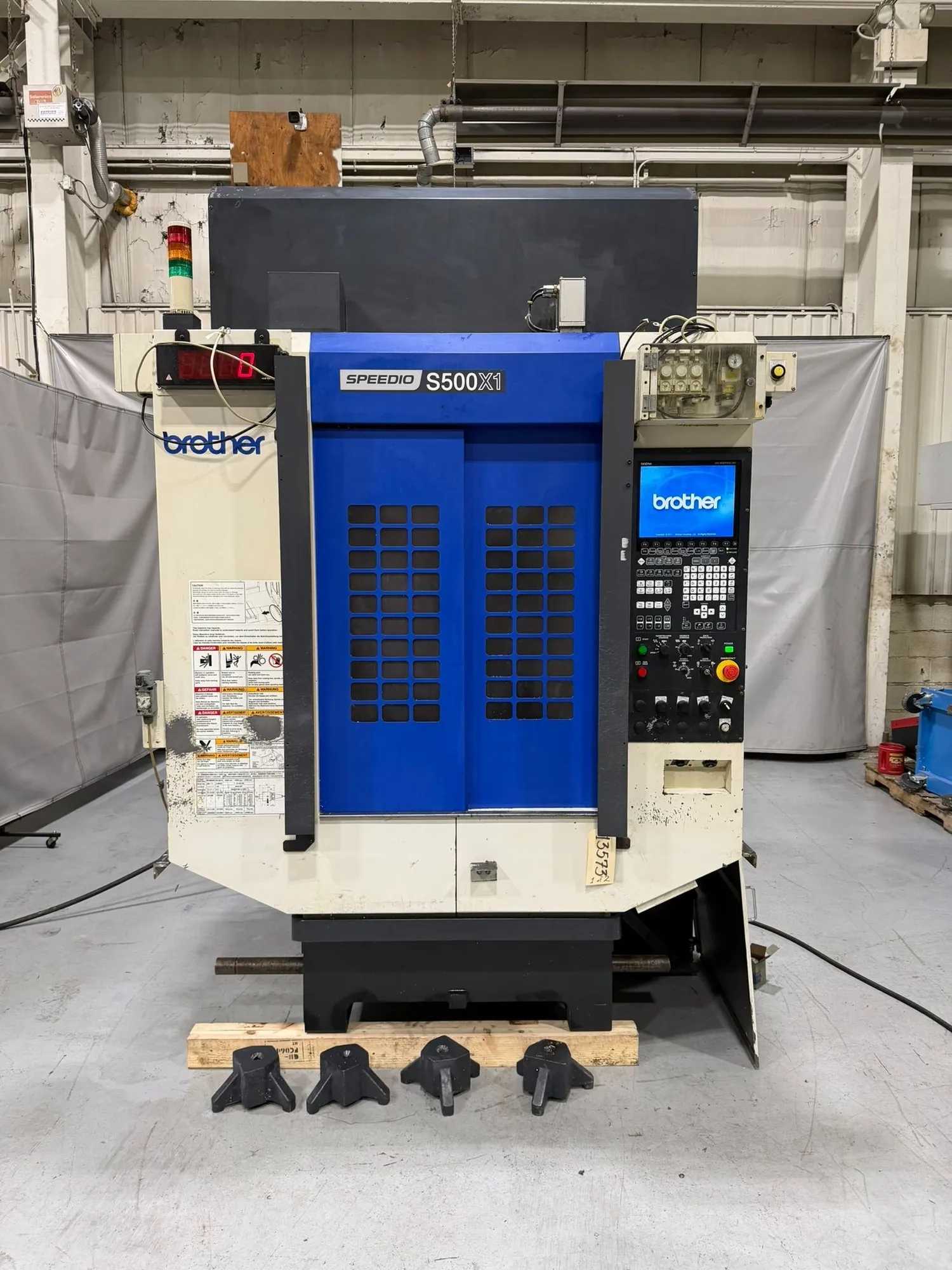
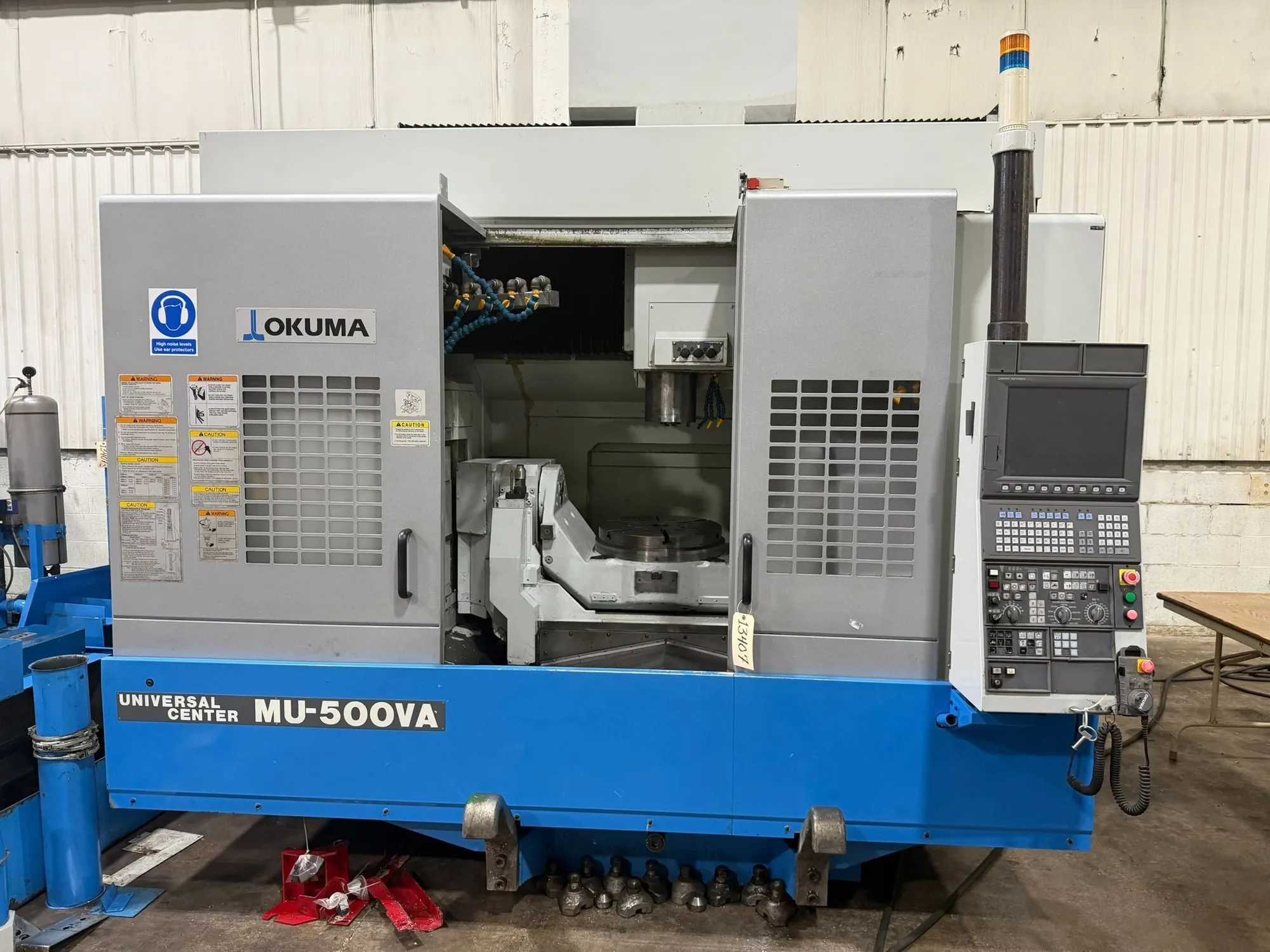
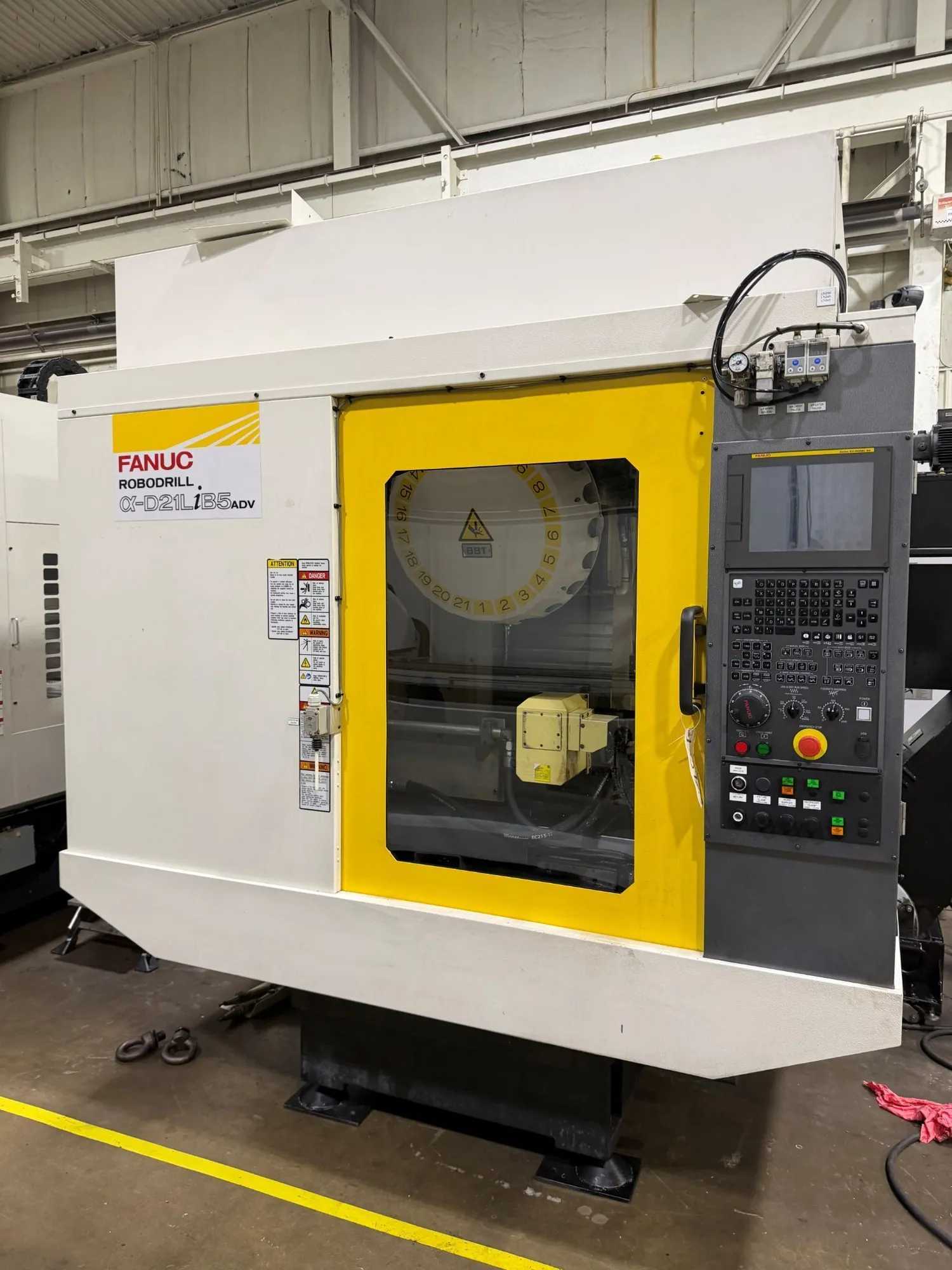
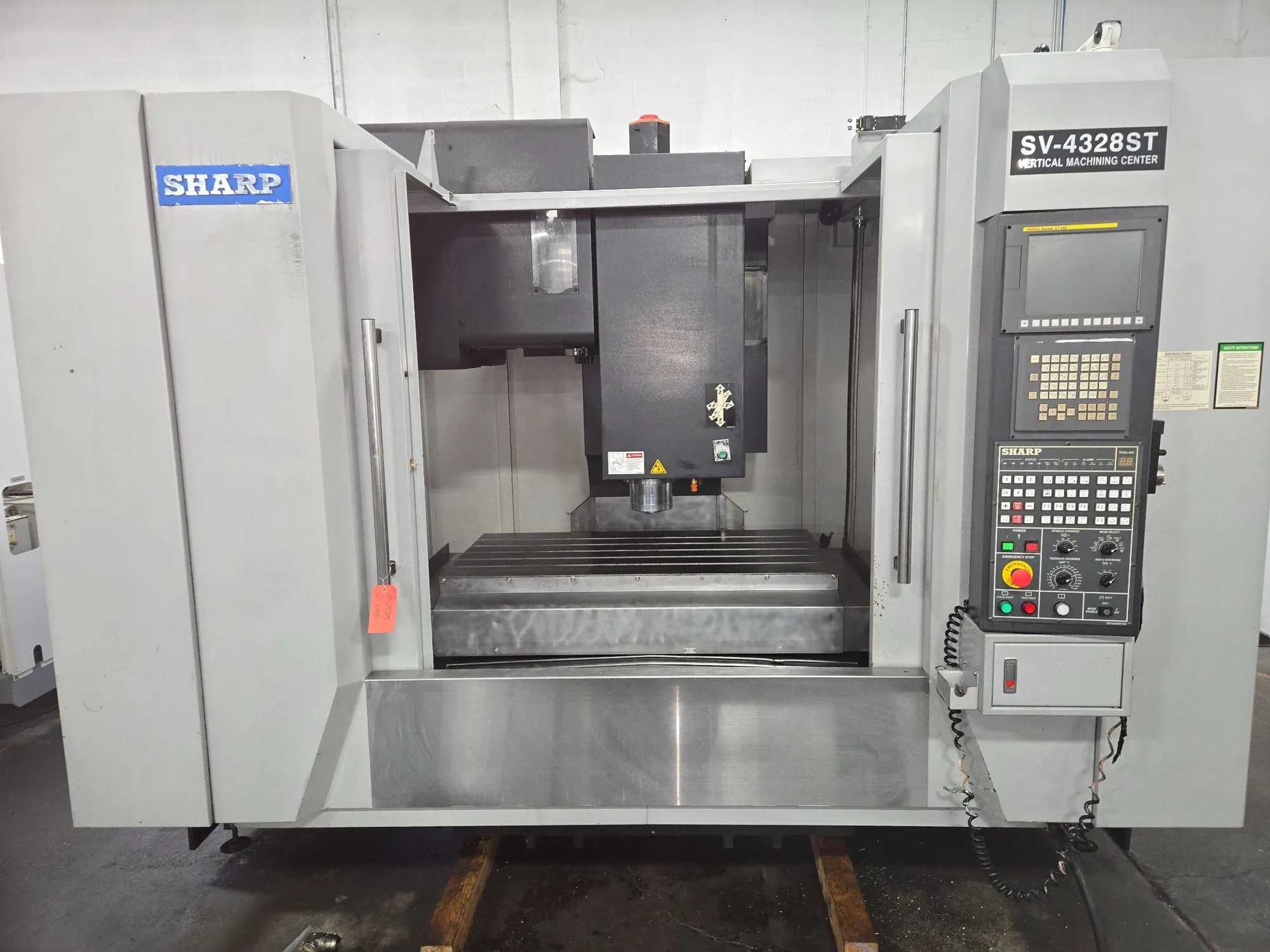
2014 SHARP SV-4328ST VERTICAL MACHINING CENTER, 43.3" X, 27.56" Y, 24" Z TRAVEL, 10,000 RPM
$31,600
$524/moKentucky
Specifications & Market Value
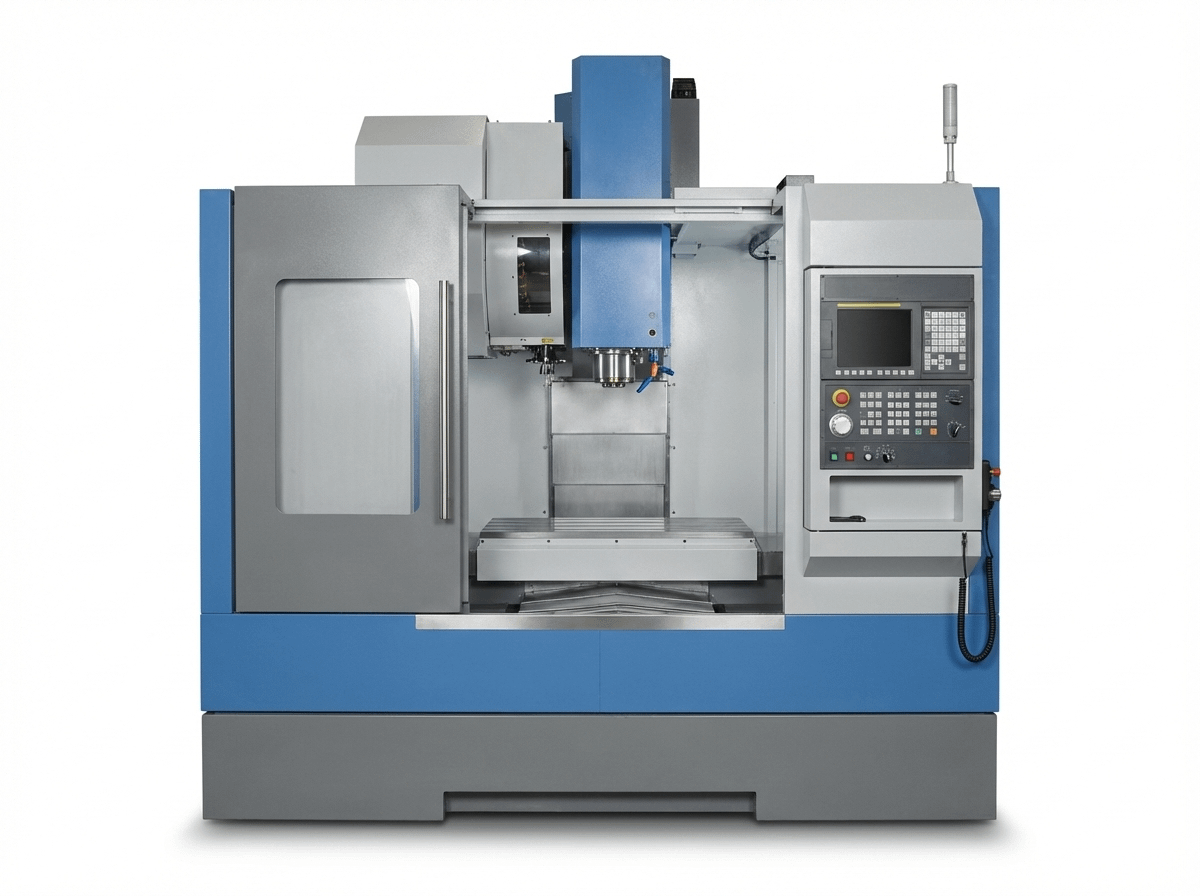
 Reference image
The 1996 EXCEL 510 is a 3-axis vertical machining center manufactured by Kiwa Machinery of Japan and marketed in North America under the Excel brand (also known as the Kiwa 510 or Excel Colt 510). The machine is built on a rigid BT40/CAT40 taper spindle platform with 7.5 HP of continuous power and a maximum speed of 6,000 RPM, making it appropriate for production work in aluminum, non-ferrous metals, and light steels. Axis travels are 20.1 inches in X, 16.1 inches in Y, and 18.1 inches in Z, with a work table measuring 27.6 by 16.9 inches and a table load capacity of 660 lbs (300 kg). The machine is equipped with a 16 to 18-tool side-mount automatic tool changer for multi-operation cycle capability. Rapid traverse is approximately 710 IPM on X and Y axes. Machine control is via a Fanuc O-M CNC (with later units equipped with Fanuc 21-M), providing standard G-code and canned-cycle compatibility. Overall machine dimensions are approximately 86 by 102 by 93 inches, and machine weight is approximately 7,400 lbs. The EXCEL 510 is a compact, well-built production VMC designed for shops requiring a small-footprint machining center with reliable Japanese engineering and straightforward Fanuc control.
Specifications, market trends, and valuation estimates are compiled from manufacturer documentation, historical sales, and industry sources. While care is taken to ensure accuracy, this information is provided for reference purposes only and may contain errors or omissions. Users should independently verify all data before making buying or selling decisions. Valuations do not represent guaranteed transaction prices or binding offers, and Aucto assumes no liability for decisions made using this data.
Spot an error or missing detail? Help us keep our equipment guides accurate for the community.

 A+
A+ Auction Value
$2,580
 Range$500 – $3,700
 Sells in ~ 30 days
 Retail Value
—
Sells in ~ 180 days
Item functions as originally intended, shows signs of normal wear. Change the condition to see how it moves both values.
| Attribute | Selected1996 EXCEL 510 VERTICAL MACHINING CENTER | 1995 EXCEL 810 VERTICAL MACHINING CENTER | |
|---|---|---|---|
| OEM | EXCEL | EXCEL | |
| Model | 510 | 810 | |
| Year | 1996 | 1995 | |
| Table Size (LxW) | 27.6 x 16.9 | 35.4 x 18.9 | |
| Y-Axis Travel | 16.1 '' | 20.1 '' | |
| # of Axes | 3 | 3 | |
| X-Axis Travel | 20.1 '' | 31.9 '' | |
| Control System | Fanuc O-M | Fanuc O-M | |
| Max Spindle Speed | 6000 RPM | 6000 RPM | |
| Spindle Power | 7.5 HP | 13 HP | |
| Z-Axis Travel | 18.1 '' | 22 '' | |
| Similarity | — | 98% | |
| Auction Value$500 - $3,700Retail Value— | Auction Value$1,000 - $7,700Retail Value— | |
| Current Machine | View Details |
Marketplace