Buy Now
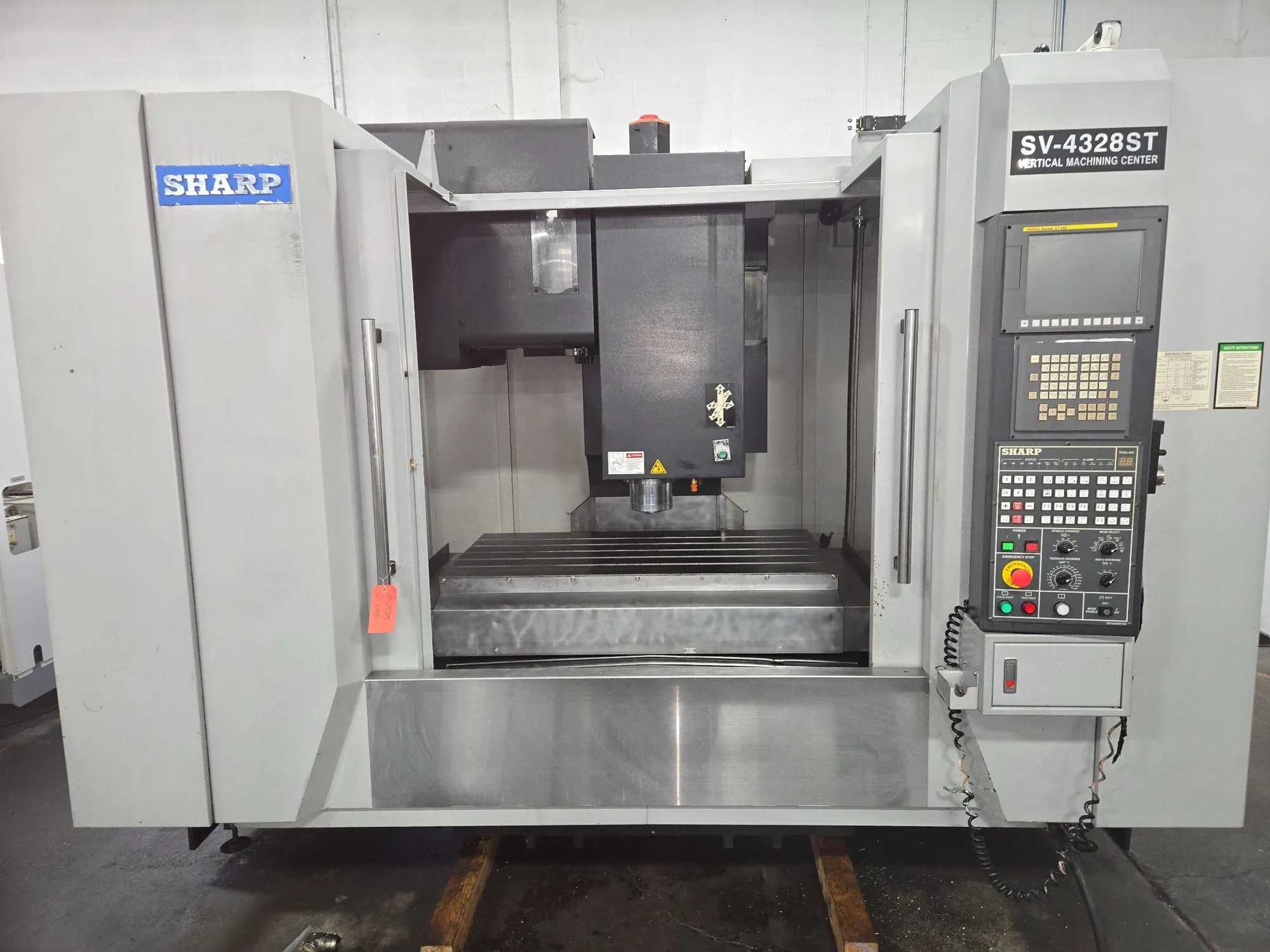
2014 SHARP SV-4328ST VERTICAL MACHINING CENTER, 43.3" X, 27.56" Y, 24" Z TRAVEL, 10,000 RPM
$31,600
$524/moKentucky
Specifications & Market Value
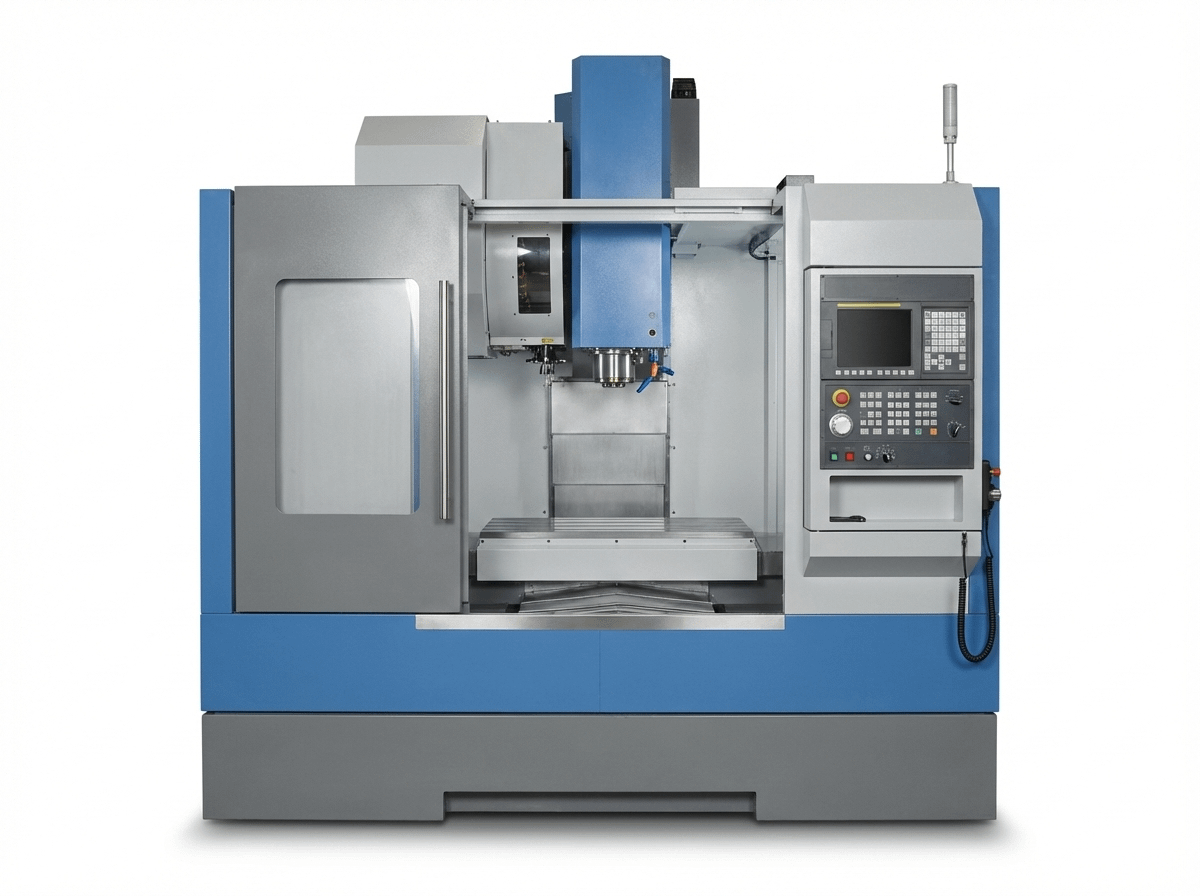
 Reference image
The 2016 Kern 2216 is a 3-axis ultra-precision micro vertical machining center designed for the highest-accuracy machining of small, complex components in medical, optics, mold, and watchmaking applications. Also known as the KERN HSPC 2216, the machine provides a 10.6" x 8.3" worktable with X/Y/Z travels of 8.7", 6.3", and 7.9", optimized for intricate small-part work requiring sub-micron positioning accuracy. The high-speed electro-spindle reaches 42,000 RPM driven by a 2 HP motor, enabling extremely fine surface finishes on hardened steels, carbide, and precision non-ferrous materials at low chip loads. A 12-tool ATC -- with 24-tool option -- provides automatic tool changing for multi-operation micro-machining sequences. The Heidenhain TNC 360 CNC control delivers the precision interpolation, high-speed look-ahead, and thermal compensation functions essential for ultra-precision micro-machining. Maximum workpiece weight is 40 kg (88 lbs). The 2216's combination of high-speed micro-spindle, ultra-precise guideway system, and Heidenhain control makes it a specialized tool for shops producing micro-molds, precision implants, optical components, and fine mechanical parts to tight tolerances not achievable on standard production VMCs.
Specifications, market trends, and valuation estimates are compiled from manufacturer documentation, historical sales, and industry sources. While care is taken to ensure accuracy, this information is provided for reference purposes only and may contain errors or omissions. Users should independently verify all data before making buying or selling decisions. Valuations do not represent guaranteed transaction prices or binding offers, and Aucto assumes no liability for decisions made using this data.
Spot an error or missing detail? Help us keep our equipment guides accurate for the community.

 A+
A+ Auction Value
$46,465
 Range$10,000 – $66,100
 Sells in ~ 30 days
 Retail Value
—
Sells in ~ 180 days
Item functions as originally intended, shows signs of normal wear. Change the condition to see how it moves both values.
| Attribute | Selected2016 KERN 2216 VERTICAL MACHINING CENTER | 2019 KERN MICRO VERTICAL MACHINING CENTER | |
|---|---|---|---|
| OEM | KERN | KERN | |
| Model | 2216 | MICRO | |
| Year | 2016 | 2019 | |
| Table Size (LxW) | 10.6 x 8.3 | 13.8 x 8.7 | |
| Control System | Heidenhain TNC 360 | Heidenhain TNC | |
| Z-Axis Travel | 7.9 '' | 9.8 '' | |
| # of Axes | 3 | 5 | |
| Max Spindle Speed | 42000 RPM | 50000 RPM | |
| Y-Axis Travel | 6.3 '' | 8.7 '' | |
| X-Axis Travel | 8.7 '' | 13.8 '' | |
| Spindle Power | 2 HP | 8 HP | |
| Similarity | — | 97% | |
| Auction Value$10,000 - $66,100Retail Value— | Auction Value$25,000 - $214,600Retail Value— | |
| Current Machine | View Details |
Marketplace