Buy Now
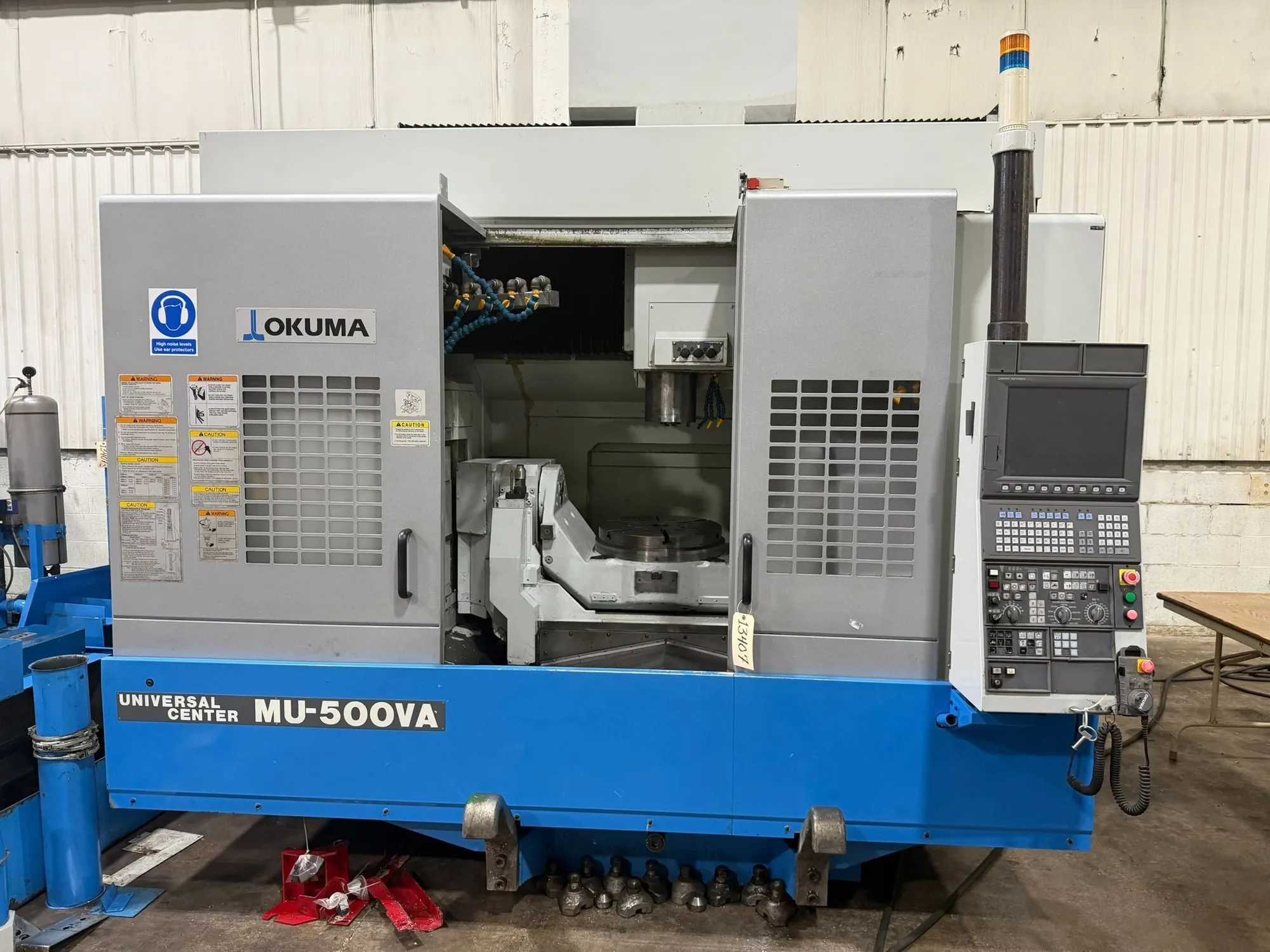
2007 Okuma MU-500VA 5-Axis CNC Vertical Machining Center, 15K RPM, Osp P200M-H, 32 ATC
$69,500
$1,152/moIllinois
Specifications & Market Value
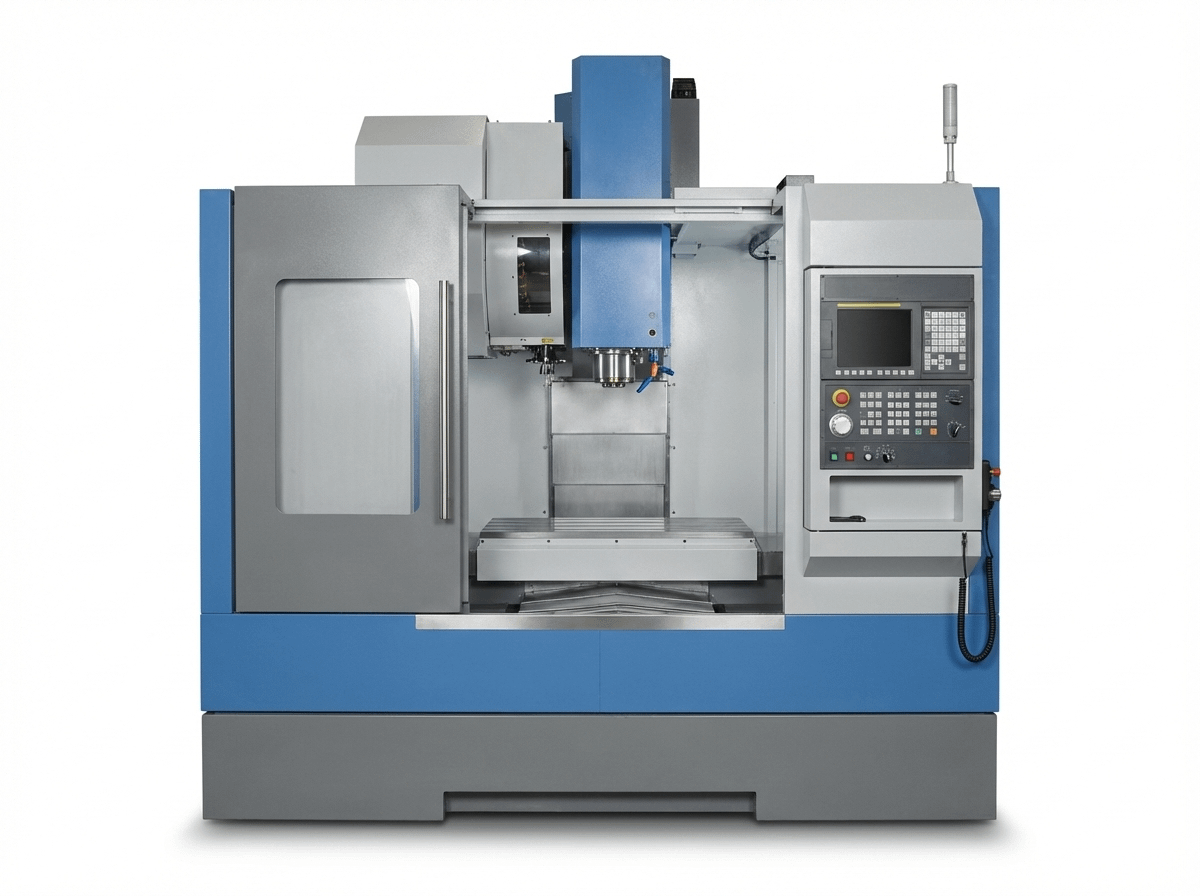
 Reference image
The 2015 Okuma CTV40 is a 3-axis vertical machining center manufactured by Okuma Corporation, a Japanese precision machine tool builder. The CTV40 is built around Okuma's proven VMC platform engineering, offering reliable three-axis milling, drilling, boring, and tapping for a wide range of workpiece materials and applications. The machine is configured with a work envelope suited to medium prismatic parts and production fixtures, with a vertical spindle and three-axis linear motion system providing full access to workpiece features. The spindle drives CAT40 taper tooling across a speed and power range appropriate to general-purpose production machining in steel, cast iron, aluminum, and non-ferrous materials. An automatic tool changer supports multi-operation programs without manual intervention. The Okuma OSP-U100M provides Okuma's well-established conversational and G-code programming interface, canned cycles, rigid tapping, and Okuma's proprietary thermal compensation technology. Okuma's cast iron base and column construction delivers the structural rigidity and long-term dimensional stability characteristic of Japanese precision machine tool engineering. The CTV40 is well suited to job shops, production facilities, and toolrooms requiring a dependable Okuma VMC with the control sophistication and reliability the brand is known for across North American and global manufacturing markets.
Specifications, market trends, and valuation estimates are compiled from manufacturer documentation, historical sales, and industry sources. While care is taken to ensure accuracy, this information is provided for reference purposes only and may contain errors or omissions. Users should independently verify all data before making buying or selling decisions. Valuations do not represent guaranteed transaction prices or binding offers, and Aucto assumes no liability for decisions made using this data.
Spot an error or missing detail? Help us keep our equipment guides accurate for the community.

 A+
A+ Auction Value
$26,515
 Range$5,000 – $38,100
 Sells in ~ 30 days
 Retail Value
—
Sells in ~ 180 days
Item functions as originally intended, shows signs of normal wear. Change the condition to see how it moves both values.
Marketplace

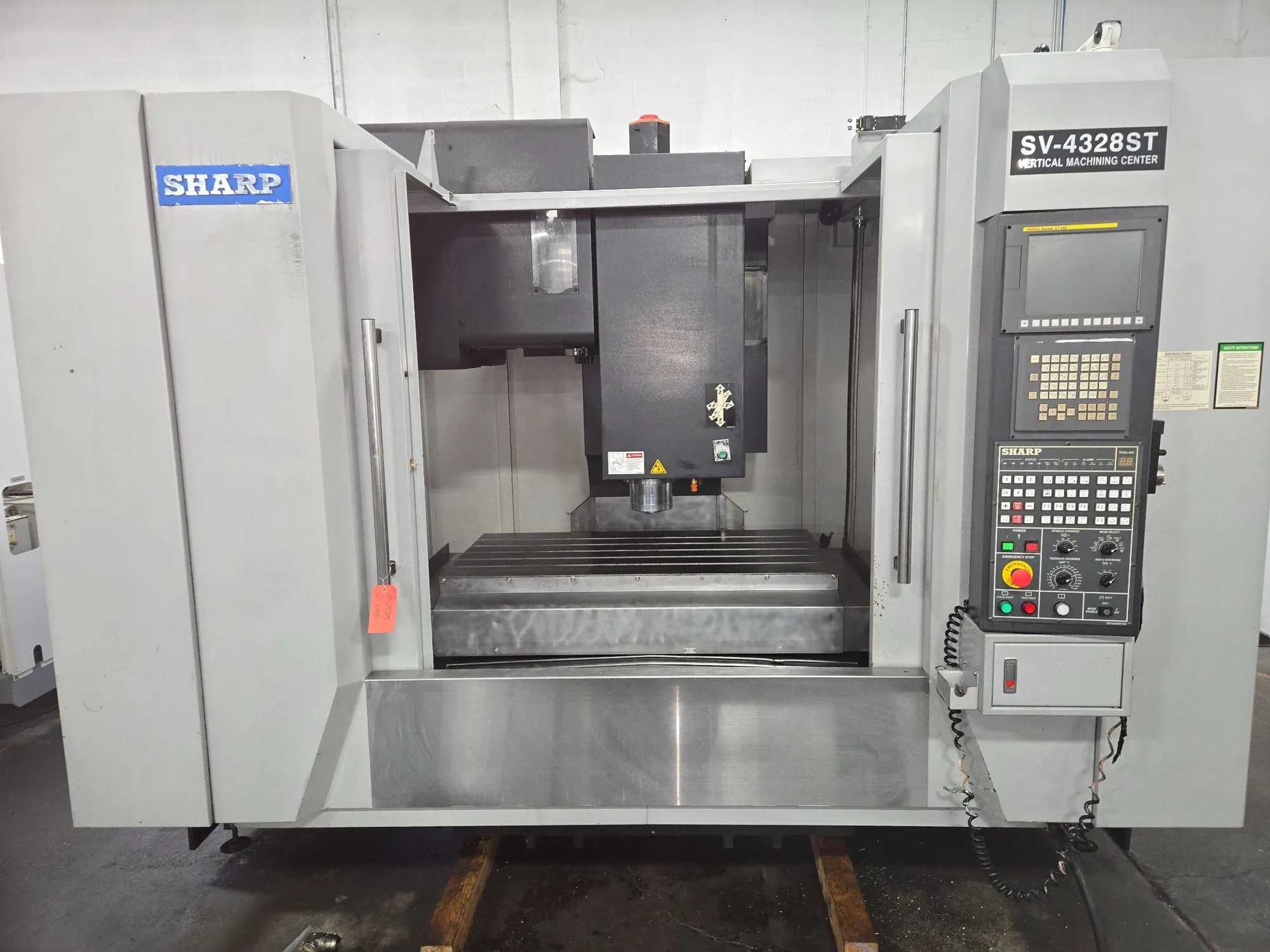
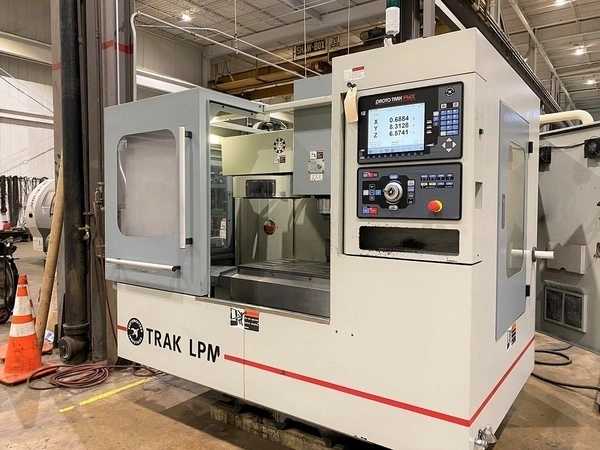
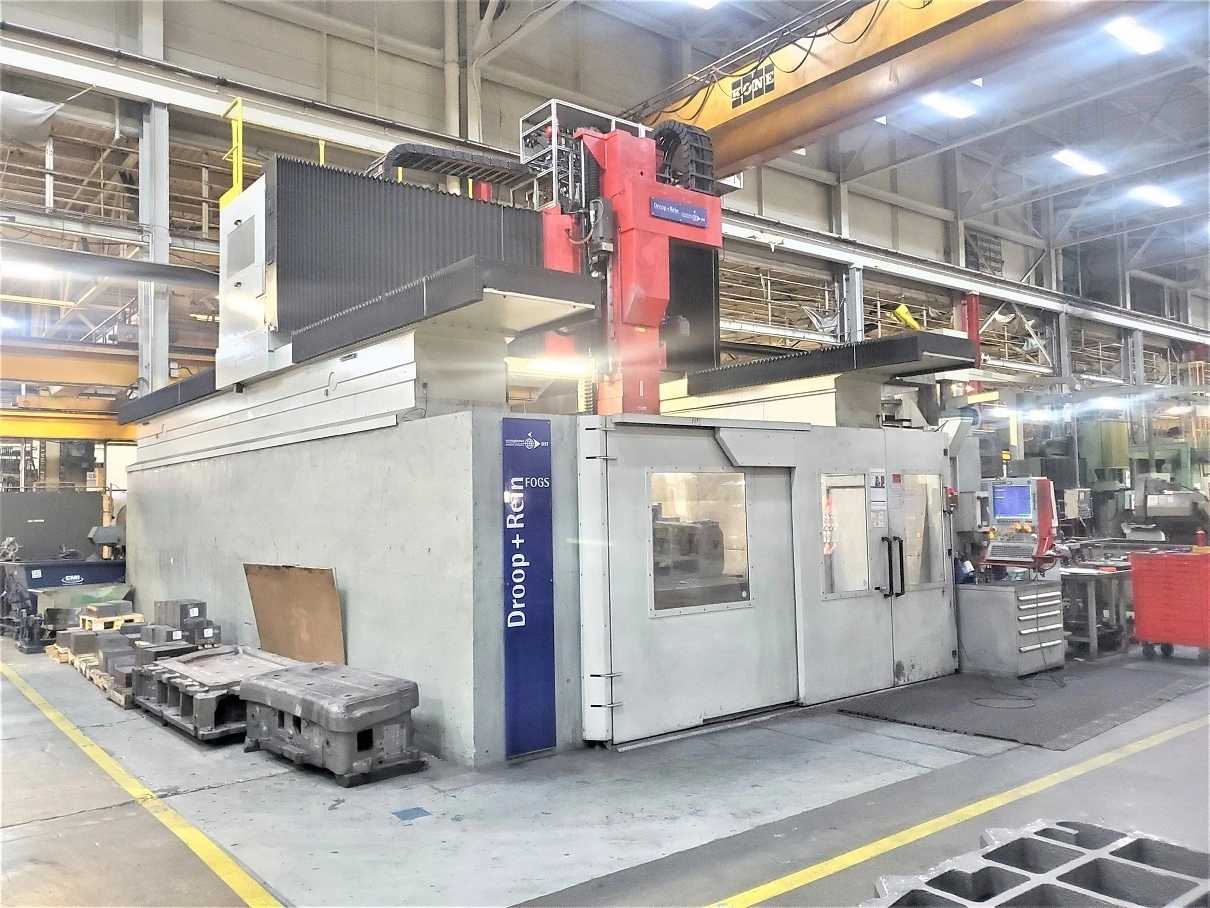
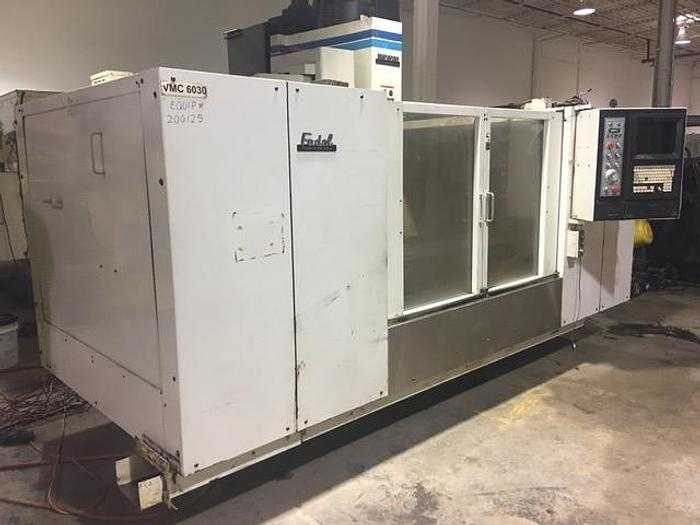
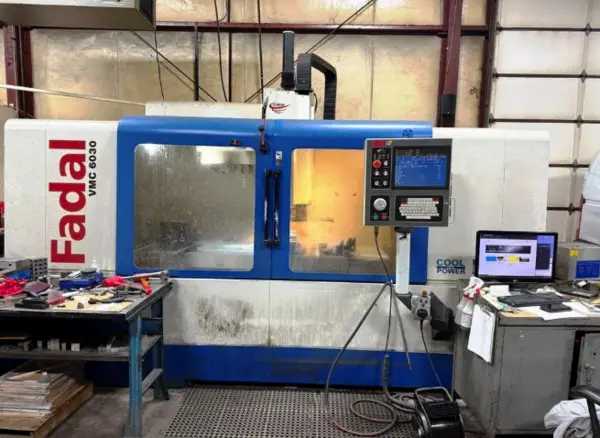
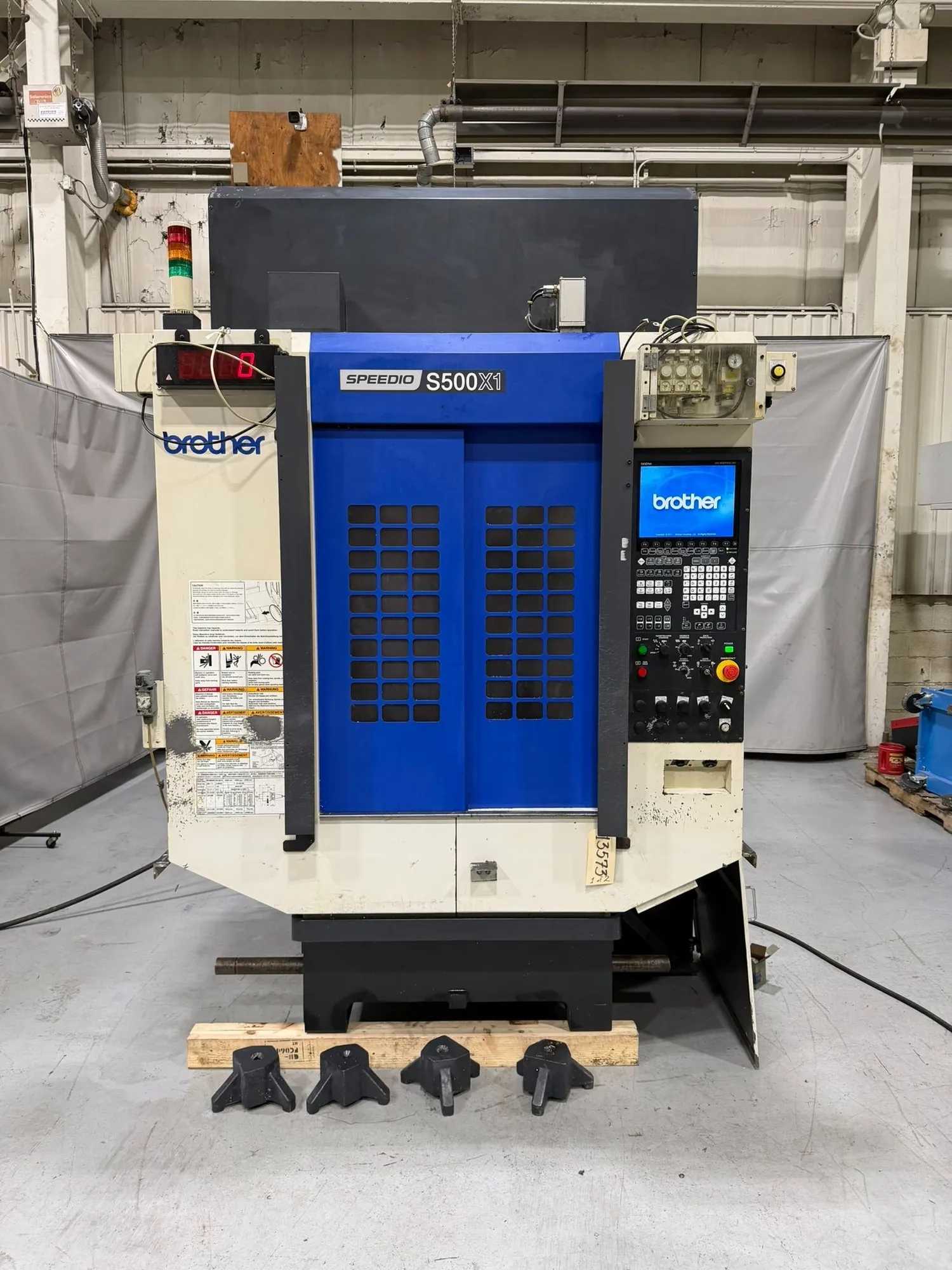
| Attribute | Selected2015 OKUMA CTV40 VERTICAL MACHINING CENTER | 2003 OKUMA VH40 VERTICAL MACHINING CENTER | |
|---|---|---|---|
| OEM | OKUMA | OKUMA | |
| Model | CTV40 | VH40 | |
| Year | 2015 | 2003 | |
| Control System | Okuma OSP-U100M | OSP-U100M-H | |
| # of Axes | 3 | 5 | |
| Similarity | — | 95% | |
| Auction Value$5,000 - $38,100Retail Value— | Auction Value$10,000 - $51,100Retail Value— | |
| Current Machine | View Details |