Buy Now
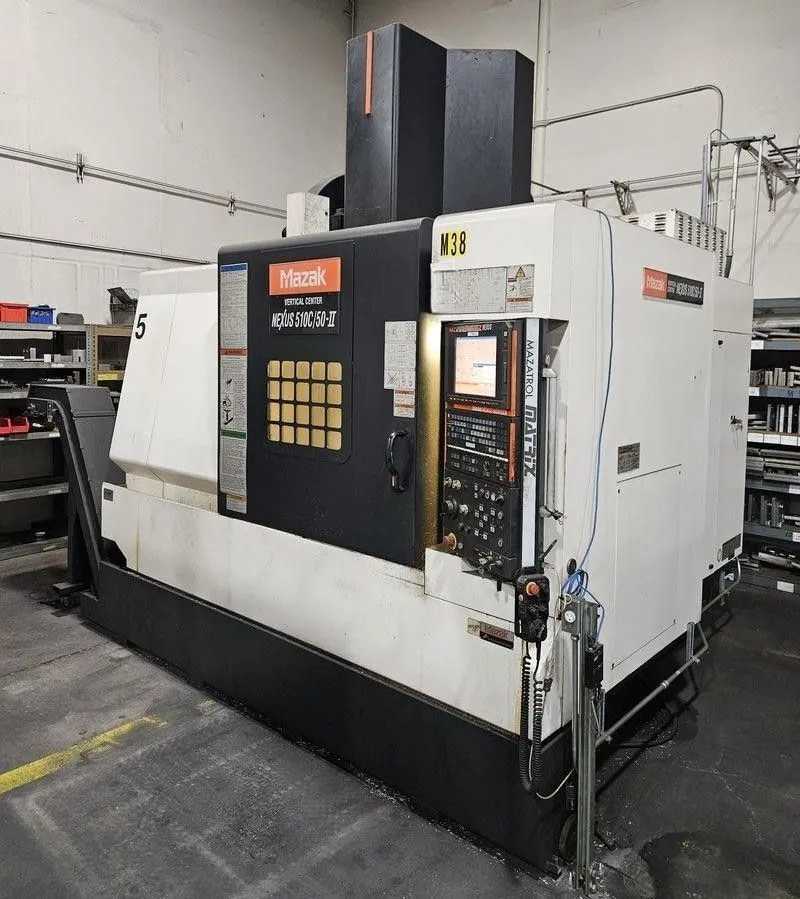
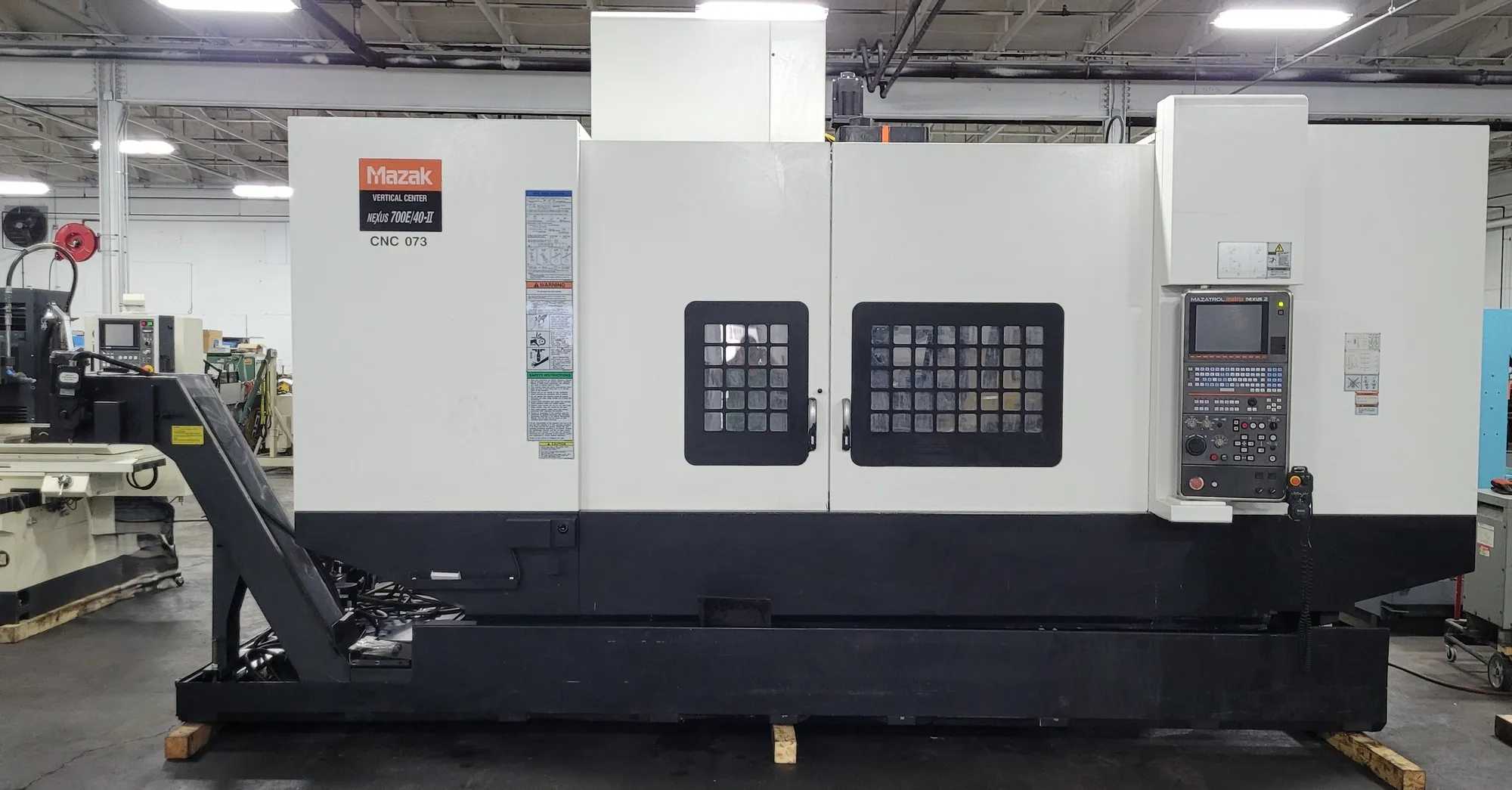
2016 Mazak Nexus Vcn 700E/40-II 4-Axis CNC Machining Center, 12K RPM, Upgraded Features
$169,500
$2,809/moKentucky
Specifications & Market Value
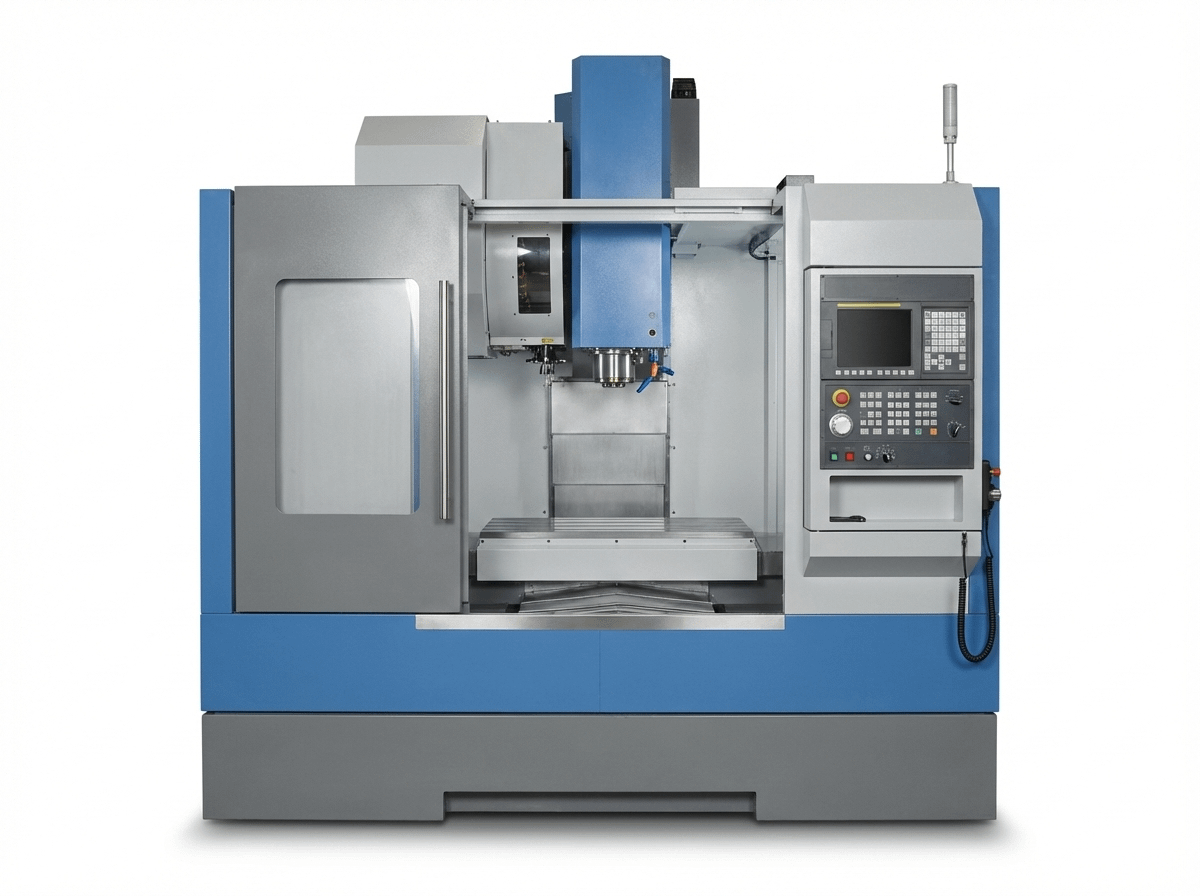
 Reference image
The 1985 Mazak AJV-25/404 is a 3-axis vertical machining center from Yamazaki Mazak's AJV series, configured as a dual-column, dual-pallet automatic pallet changer (APC) machine. The twin-pallet system allows continuous machining of one workpiece while the operator loads and unloads the idle pallet station, significantly improving spindle utilization. Each pallet measures 1,239 x 500 mm (48.8" x 19.68") and supports a maximum load of 800 kg (1,760 lbs). Axis travels are 1,000 mm (39.37") in X, 508 mm (20.0") in Y, and 457 mm (18.0") in Z. The CAT-40 spindle operates up to 10,000 RPM with a continuous rating of approximately 15 HP, covering a broad range of milling, drilling, boring, and tapping operations on steel, cast iron, and aluminum workpieces. A 40-tool ATC supports complex multi-operation programs. The CNC is the Mazatrol M-32, Mazak's conversational and EIA/ISO programming platform with tool path simulation and rigid tapping. Machine weight is approximately 8,600 kg (19,000 lbs) and the overall footprint is approximately 150" x 104" with a height of 119". The AJV-25/404 is well suited to batch production of medium-sized precision components in aerospace, automotive, and general manufacturing environments.
Specifications, market trends, and valuation estimates are compiled from manufacturer documentation, historical sales, and industry sources. While care is taken to ensure accuracy, this information is provided for reference purposes only and may contain errors or omissions. Users should independently verify all data before making buying or selling decisions. Valuations do not represent guaranteed transaction prices or binding offers, and Aucto assumes no liability for decisions made using this data.
Spot an error or missing detail? Help us keep our equipment guides accurate for the community.

 A+
A+ Auction Value
$2,450
 Range$500 – $3,500
 Sells in ~ 30 days
 Retail Value
—
Sells in ~ 180 days
Item functions as originally intended, shows signs of normal wear. Change the condition to see how it moves both values.
| Attribute | Selected1985 MAZAK AJV25-404 VERTICAL MACHINING CENTER | 1989 MAZAK AJV25-405N VERTICAL MACHINING CENTER | |
|---|---|---|---|
| OEM | MAZAK | MAZAK | |
| Model | AJV25-404 | AJV25-405N | |
| Year | 1985 | 1989 | |
| Control System | Mazatrol M-32 | Mazatrol M-32 | |
| Max Spindle Speed | 10000 RPM | 10000 RPM | |
| X-Axis Travel | 39.37 '' | 39.37 '' | |
| Y-Axis Travel | 20 '' | 20 '' | |
| Spindle Power | 15 HP | 10 HP | |
| # of Axes | 3 | 3 | |
| Z-Axis Travel | 18 '' | 18.11 '' | |
| Table Size (LxW) | 48.82 x 19.69 | 48.82 x 21.65 | |
| Similarity | — | 99% | |
| Auction Value$500 - $3,500Retail Value— | Auction Value$1,000 - $8,000Retail Value— | |
| Current Machine | View Details |
Marketplace